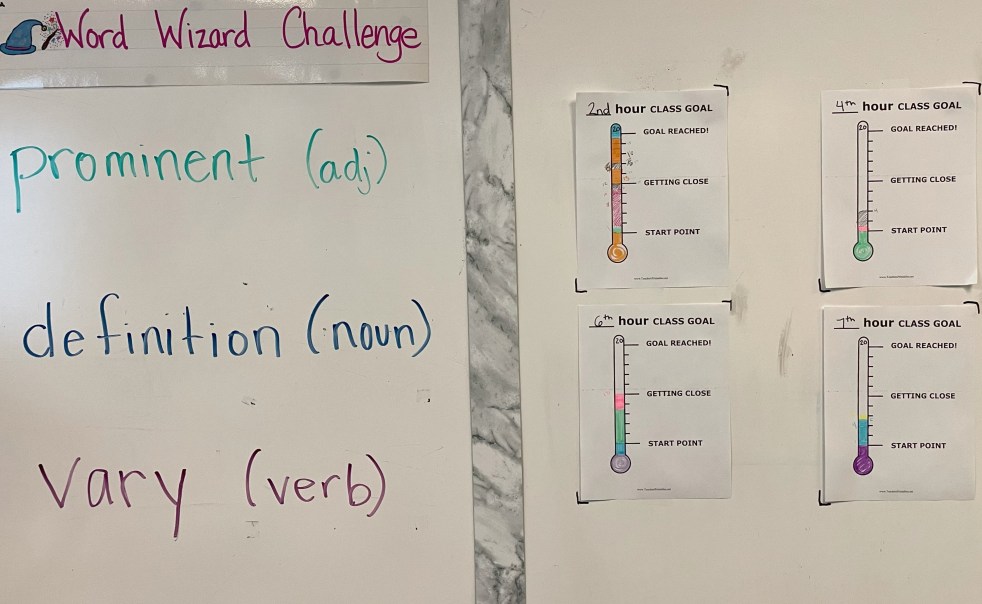
Here are three strategies for integrating intentional vocabulary connections into your reading and writing instruction. While these examples come from a seventh-grade classroom, they can be effortlessly adapted for K-12 learning environments.
Category: middle school

Opinionated Mentors: Modernizing Mentor Texts
When choosing texts for any genre, engagement, purpose, and accessibility play a part in finding mentors that will move writers.
Share this:

Share this:

Harnessing the Strength of “I’m Really Into” Essays: Straight from the Classroom
Discover the transformative power of "I'm Really Into" essays in the aftermath of a school fire. This engaging teaching approach fosters student connection, amplifies voices, and sparks authentic exploration, while offering practical tips for implementation. Experience the joy of learning with this insightful guest blog post.
Share this:

Share this:

Designing Writing Units Where Students Choose the Product
Many of today’s students crave choice, freedom, and the excitement of exploring something new. This year, as you prepare to roll out your writing units, you may also want to reconsider the level of constraints within each unit. How and when might you invite students to choose the product that best fits their personal preference and intended audience?
Share this:

Share this:
Shaking Up Immersion: Reimagining Playful (& EFFICIENT) Ways to Launch a Unit
It’s hard to work with purpose and intention when you do not have a clear vision or context for what you are trying to create. Immersion is an easy - and JOYOUS - way to provide students with full-color clarity of the unit ahead.
Share this:

Share this:
Integrating Social Studies into Reading and Writing Workshops
For Shaista Ashraf, the thought of teaching social studies not just as social studies, but through the minilessons of reading and/or writing workshop was daunting to start. But with some collaboration, sharing of ideas, and a thorough understanding of the units and sessions she taught, it became clear, lucid, and even enjoyable!
Share this:

Share this:
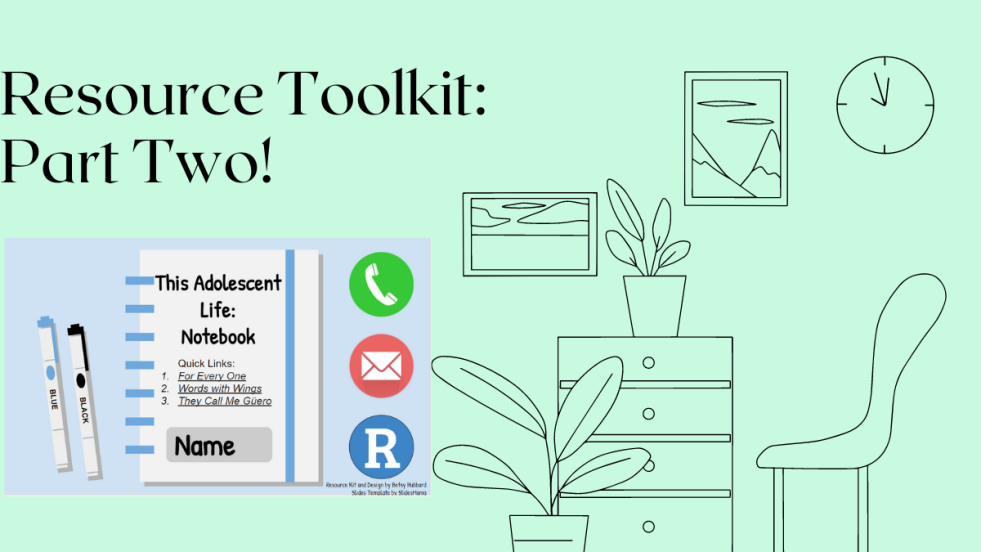
Writing About Reading: Resource Toolkit Part Two for Middle School
Calling all middle school teachers! Today I’m sharing a ready to use set of lessons, resources, and a digital notebook for adolescent readers and writers featuring some of my favorite books in verse.
Share this:

Share this:
Supporting Writers Across the Writing Process
For every writer, the writing process is a little bit different. As teacher writers, we all struggle at different points and our students are no different. Today I offer a few tools for supporting writers at different points of the writing process . . .
Share this:

Share this:
Building Stronger Writing Partners
As schools begin to restart, I have been thinking a lot about ways to begin building community within our new COVID reality. Specifically, I have been thinking about ways we as teachers might harness the structure of writing partnerships as a means by which to help create meaningful, supportive connections between writers. Here are a few ideas . . .
Share this:

Share this:
Writing Together in Remote Spaces
One of the many changes brought about by the pandemic, whether we are returning to school in-person or remotely, is the ability to gather together in close proximity to learn and write together. I have been thinking a lot about this: How might we as teachers replicate or create the emotionally safe space normally held by a warm, close classroom in a digital space?
Share this:

Share this:

Writing About Reading: Building a Resource Toolkit for Middle School
Calling all middle school teachers! Today I'm sharing a ready to use resource toolkit for adolescent readers and writers featuring the book, Look Both Ways, by Jason Reynolds.
Share this:

Share this:
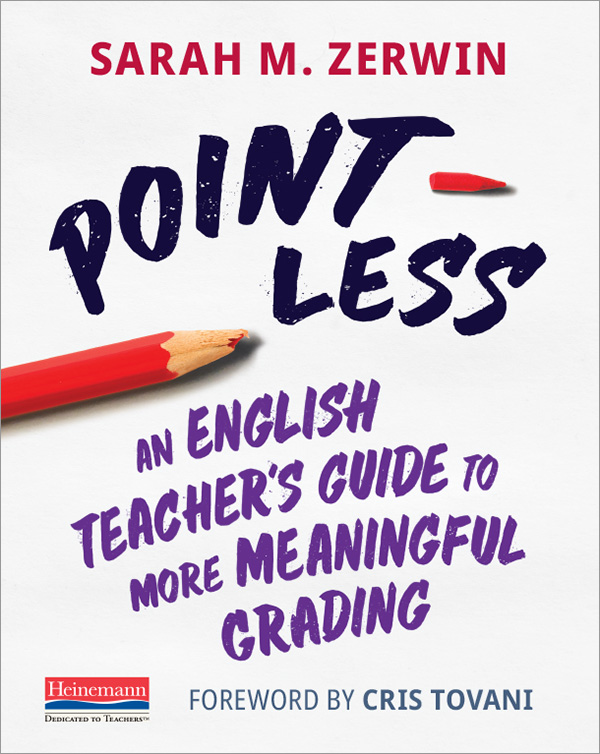
Point-Less by Sarah M. Zerwin: A Review and Giveaway
Sarah Zerwin is workshop to her core, and she has found ways to ensure that her assessment practices are not sending conflicting messages to kids. Point-Less will challenge readers to reflect and inspire them to advocate for change.

