Before adding another scaffold, take a moment to figure out what’s actually making the task hard and match the support to the barrier.
Author: Betsy Hubbard
Daughter, sister, mother, teacher, and writer.

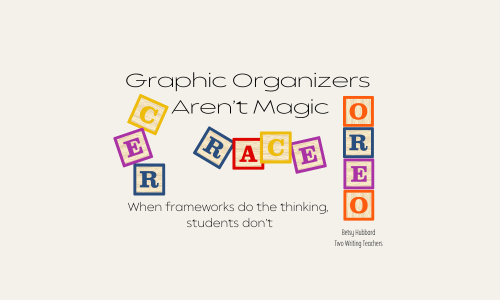
Graphic Organizers Aren’t Magic
Graphic organizers aren’t magic, and more boxes don’t automatically create stronger writers. Writing instruction can move beyond formulas and into the strategic thinking that helps students develop independence.
Share this:

Share this:
The Work is the Learning: Rethinking Productive Struggle with Student Writers
Struggle is not an obstacle, it's the work! When we give students time, space, and the right kind of support, they learn to move through challenges instead of around them.
Share this:

Share this:
When Writing Progress is a Concern: Talking With Parents
When a child struggles with writing, parents often worry about what it means. Thoughtful conversations grounded in empathy, observation, and an understanding of writing development can turn those worries into productive partnerships.
Share this:

Share this:
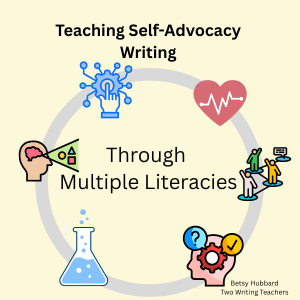
Teaching Self-Advocacy Writing Through Multiple Literacies
Move writing from a school task to a meaningful way for students to participate in the world. A starting guide of minilessons is included for multiple literacies, ideal for grades 3-8.
Share this:

Share this:

Tuesday Slice of Life
Your final slice of #SOL25!
Share this:

Share this:
Tuesday Slice of Life
It's Tuesday! Come slice with us today.
Share this:

Share this:
Tuesday Slice of Life
Welcome to Tuesday's Slice of Life!
Share this:

Share this:
Where’s The Evidence: What to do When Writers Don’t Know
How can we prepare for the complexity of writing instruction and the roadblocks for students? We can create question sequences that help us prepare for the side-by-side conversations as writers develop and create.
Share this:

Share this:
Tuesday Slice of Life
Join us today for a Tuesday slice! #SOL25
Share this:

Share this:
Tuesday Slice of Life
It's #GivingTuesday! Join us in the generosity of shared stories.
Share this:

Share this:
Morphology in Minutes: Ready-to-Go Tip
Morphology doesn’t require lengthy lessons. A few intentional minutes can transform how students see and use words. These easy, ready-to-use ideas and linked activites will help you bring morphology to life in any classroom K-8.

