Whether you're hearing of We Will Write for the first time or you're a seasoned user, today's post will spark some new ideas for using this tool to engage writers and level up your writing instruction.
Category: feedback

Student-Driven Feedback: A Ready-To-Go Tip
Today's post offers a simple shift to give young writers more ownership over the types of feedback they get from teachers and peers.
Share this:

Share this:

Crafting Feedback Together
An effective PLC team is where good teaching becomes great. This is especially true for teachers of writers, since teaching writers is so challenging and complex. We genuinely need each other to continue getting better at what we do.
Share this:

Share this:

Let’s Get Curious! Using Appreciative Inquiry in the Writing Classroom
Students are our north stars. When we get to know students (academically and beyond), we can more clearly see and honor who they are and what they know. Appreciative inquiry enables us to capitalize on the abundant assets already present.
Share this:

Share this:
How do we Know When our Workshops are Working?
Launching a writing workshop is hard work. Intentional work. What are those “look fors” that let us know that our workshops are gelling? That community is being built, routines are being established, and writing work is happening?
Share this:

Share this:
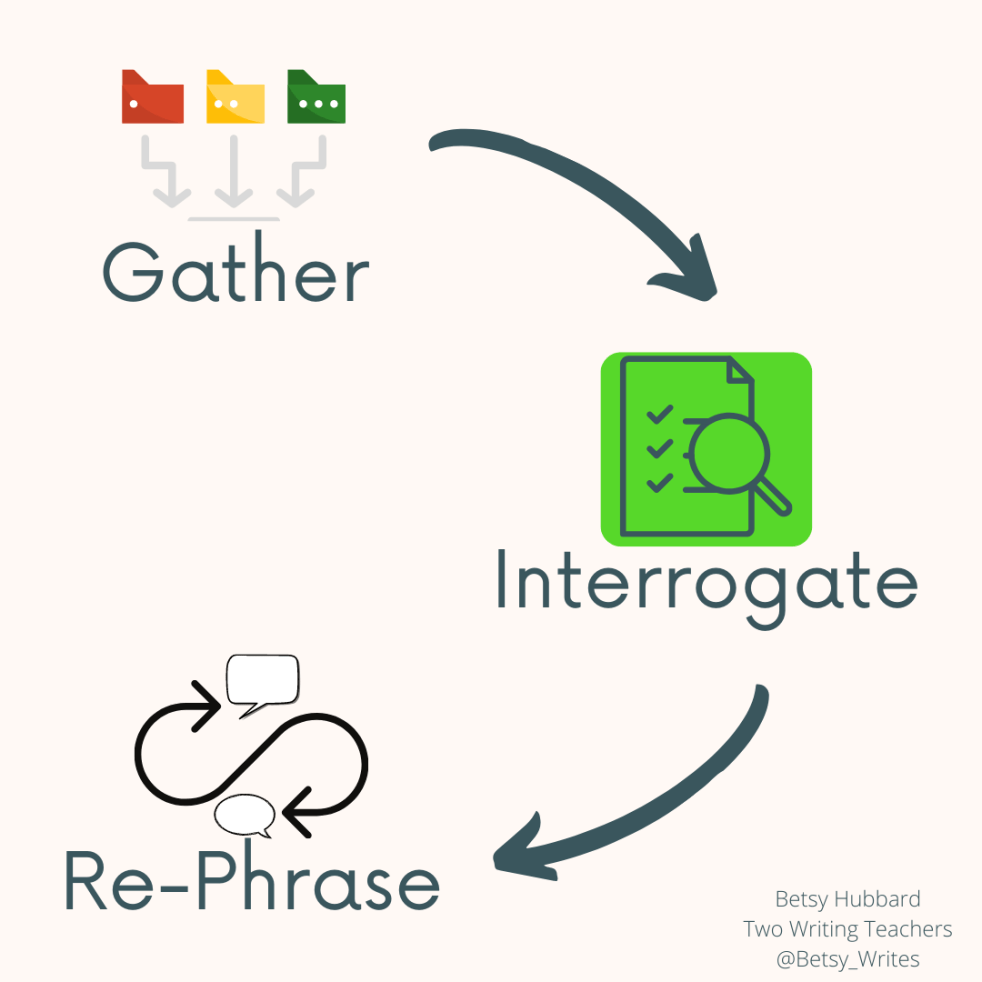
Interrogating Our Feedback: Resetting Our Workshop Practices
As I get ready to head back into my classroom, I am thinking about my feedback and the intention vs. outcome.
Share this:

Share this:
Sharing Anecdotal Notes To Shift From Mine To Ours: Resetting Our Workshop Practices
How can we build even more self-efficacy with our student writers? A few simple moves can transform your anecdotal notes and empower you
Share this:

Share this:

Leveraging Technology to Amp up Feedback for Writers: Reflections and Shifts as we Move Forward
In this topsy-turvy year, when I was not expecting to teach a remote kindergarten class, I was also not expecting to discover strategies for upping my feedback game with writers—strategies that I plan to continue using once the world has righted itself and workshop is in-person again.
Share this:

Share this:

Five Tips for Parents and Caregivers for Offering Feedback to Writers
How can I be clear about aligning what families hear me teaching with what their children are doing with the feedback both they and I offer kids along the way?
Share this:

Share this:

Joy and Agency: An Origin Story
What are the ways I can let writers know that I SEE them, that I understand and appreciate all that they are bringing to the page and the process? How might my feedback serve as a mirror, reflecting back to writers a clear image of who they are, of what is important to them, of evidence of their growth?
Share this:

Share this:

Spinach in a Writer’s Teeth: To Point it out, or not to Point it Out?
When this scenario happened to me (years ago), it did give me pause. As a teacher of writers, I am not the conventions police—I have always been the kind of writer who values content over conventions in the workshop. This is not to say I do not teach conventions or have high expectations for their use. However, it would be fair to say that this particular situation challenged me to think about grammar, punctuation, and spelling differently—shifting the way I approached conventions in the classroom going forward.
Share this:

Share this:
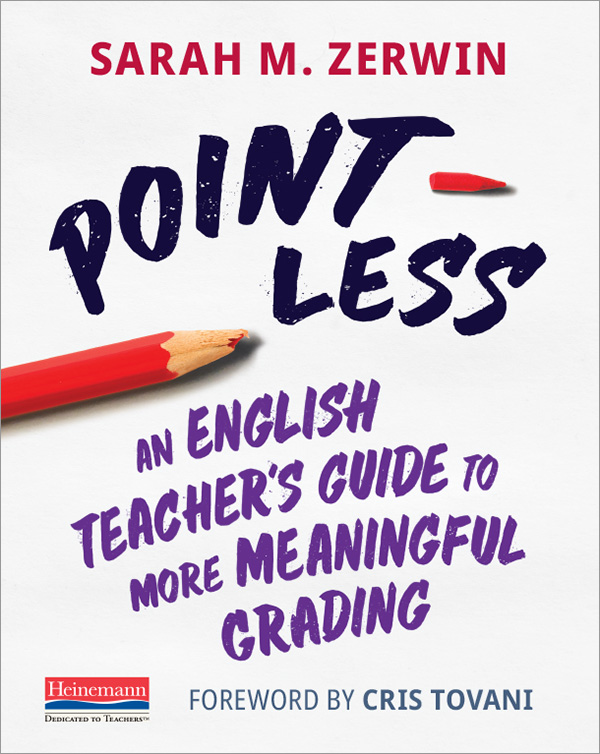
Point-Less by Sarah M. Zerwin: A Review and Giveaway
Sarah Zerwin is workshop to her core, and she has found ways to ensure that her assessment practices are not sending conflicting messages to kids. Point-Less will challenge readers to reflect and inspire them to advocate for change.

