
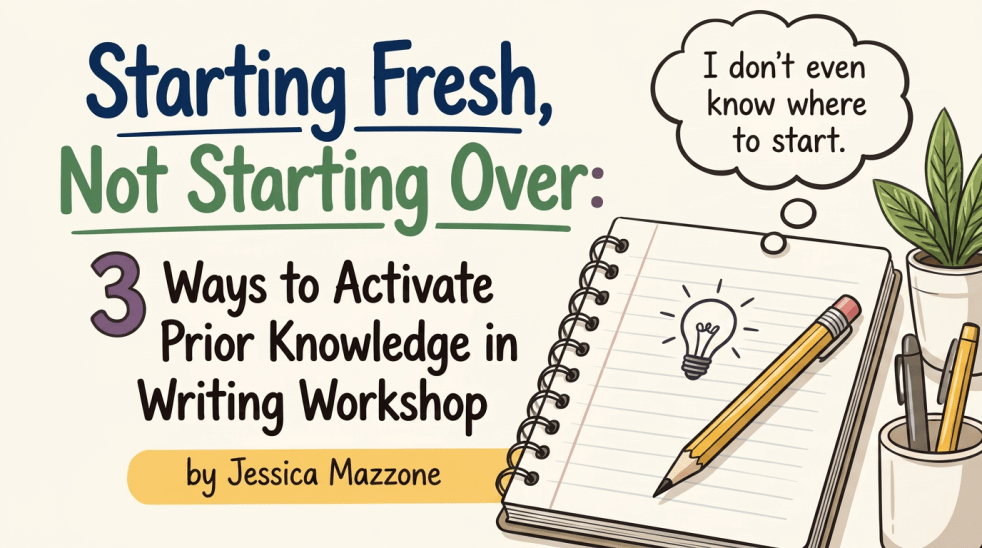
Jordan was a confident third-grade writer—until he opened a blank notebook on day one of fourth grade and froze. A new school year feels like a fresh start, but it doesn't mean starting over. Here are three simple ways to activate prior knowledge and remind students who they still are.
Category: engagement


“Dear Future Me…”: An End-of-Year Activity That Builds Confidence for Next Year’s Writing Workshop
Your students filled notebooks, found their voices, and grew as writers this year—don't make them start from scratch in September. Try “Dear Future Me…”, a simple end-of-year writing tradition that helps students reflect, celebrate progress, and walk into next year’s workshop already confident, capable, and ready to write from day one.
Share this:

Share this:
Proactive Pathways for Engagement
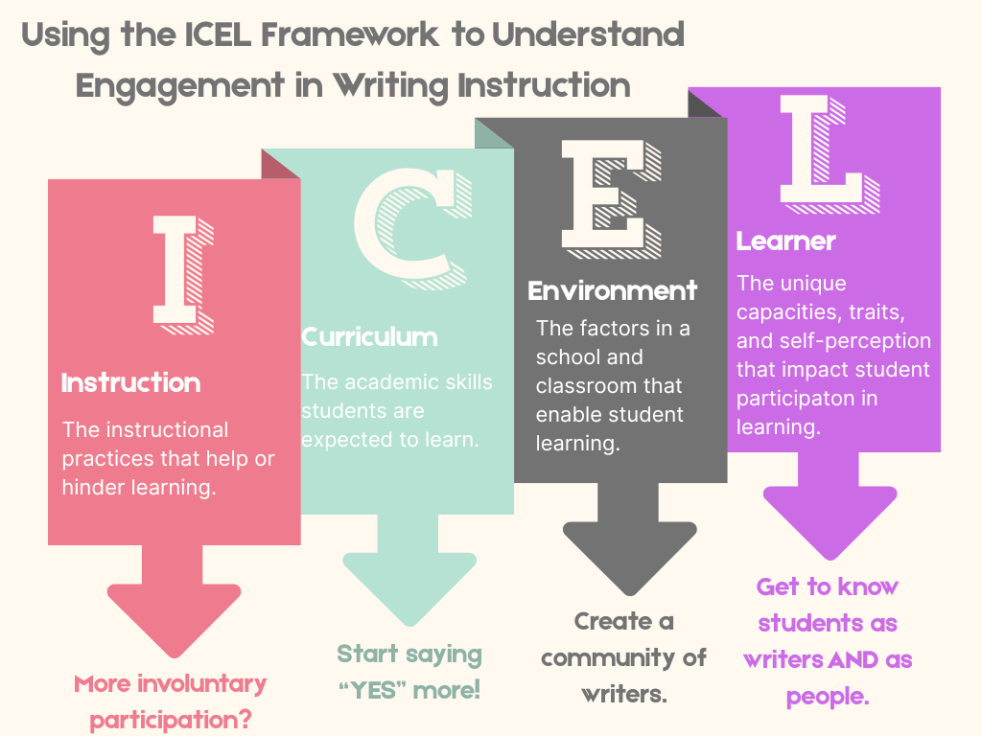
At my NCTE presentation, I shared strategies for boosting writing engagement, using the ICEL Framework as a guide. Some key recommendations include increasing involuntary student participation, being flexible with curriculum demands, fostering a supportive writing community, and getting to know students as writers and people.
Share this:

Share this:
Engagement Continuum: Trending Topic
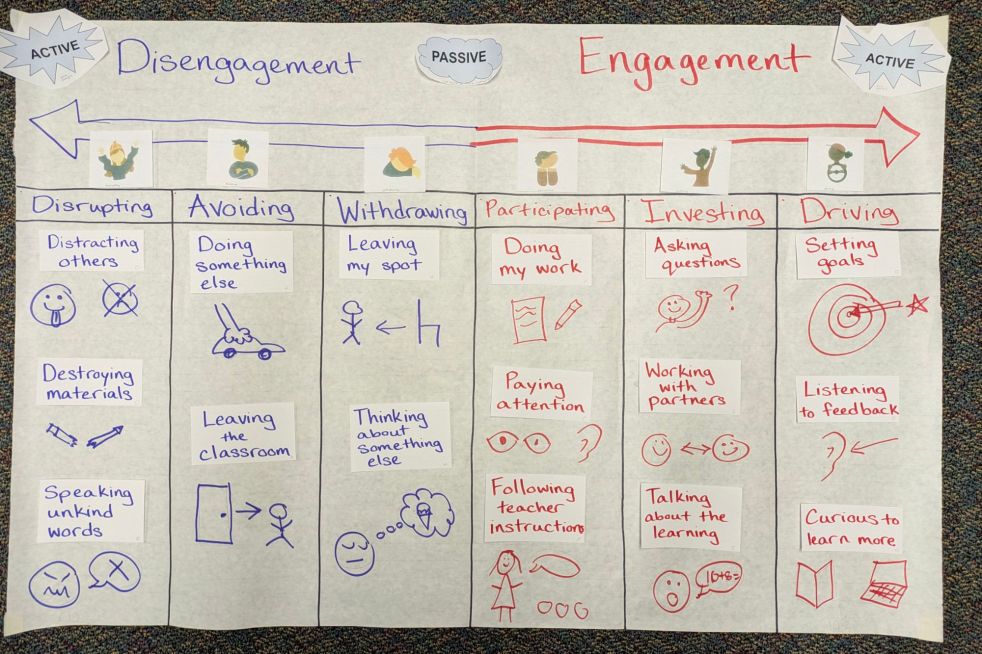
Student engagement is a critical foundation to student learning. The Continuum of Student Engagement helps teachers and students identify and improve engagement and, ultimately, learning.
Share this:

Share this:
The Power Of Anchor Charts
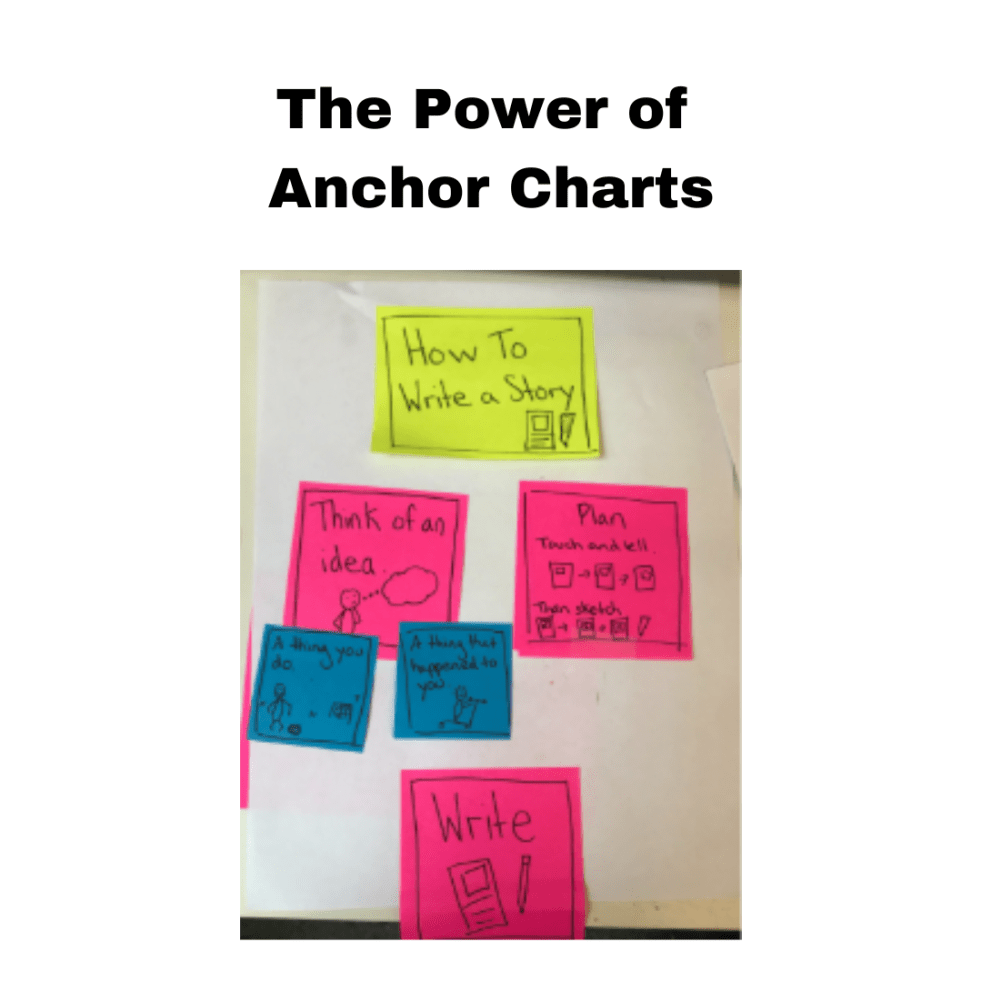
Have your anchor charts become wallpaper? When used intentionally, anchor charts can be powerful tools that guide learning, foster independence, and support assessment.
Share this:

Share this:
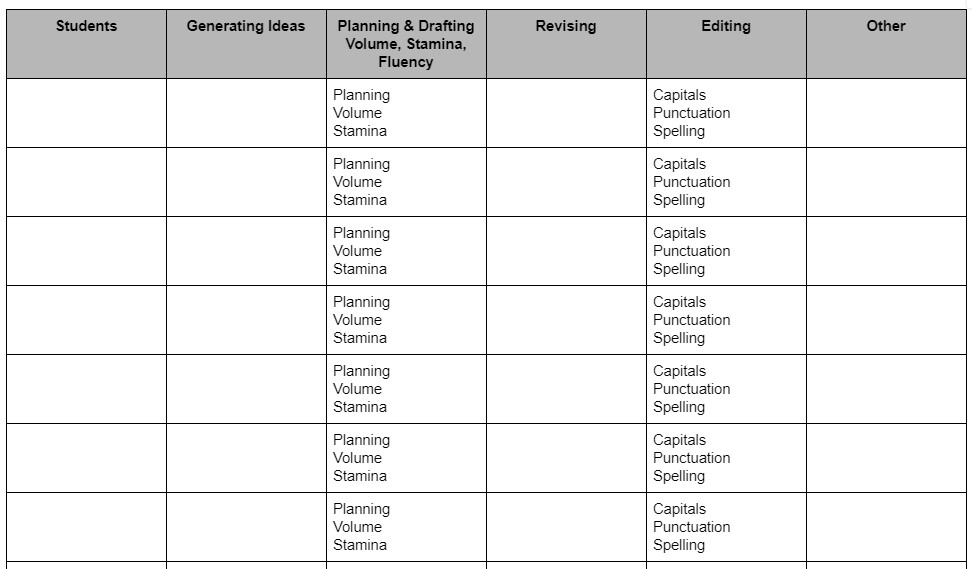
Writing Engagement Inventory:Straight From The Classroom
Learn how to use an Engagement Inventory during writing workshop to study what writers are able to do independently and make plans for instruction and feedback.
Share this:

Share this:

Biweekly Recap #ICYMI
You will be all caught up with this, in-case-you-missed-it post recapping the past two weeks as we welcomed the new year.
Share this:

Share this:
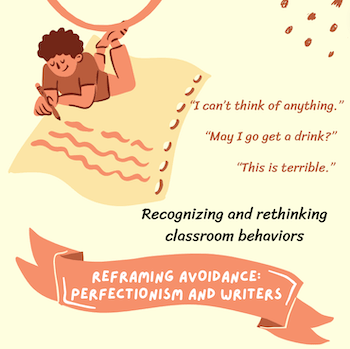
Reframing Avoidance: Writers and Perfectionism
Task-avoidant behavior is as much a part of the writing environment as pencils, sticky notes, and writing journals. Rather than seeing struggles as a lack of motivation or work ethic, students can learn that their behaviors may stem from other causes: namely, the struggles that many writers face. Giving students that knowledge, and the strategies to manage their feelings, goes a long way towards building confidence and self-efficacy in writing.
Share this:

Share this:
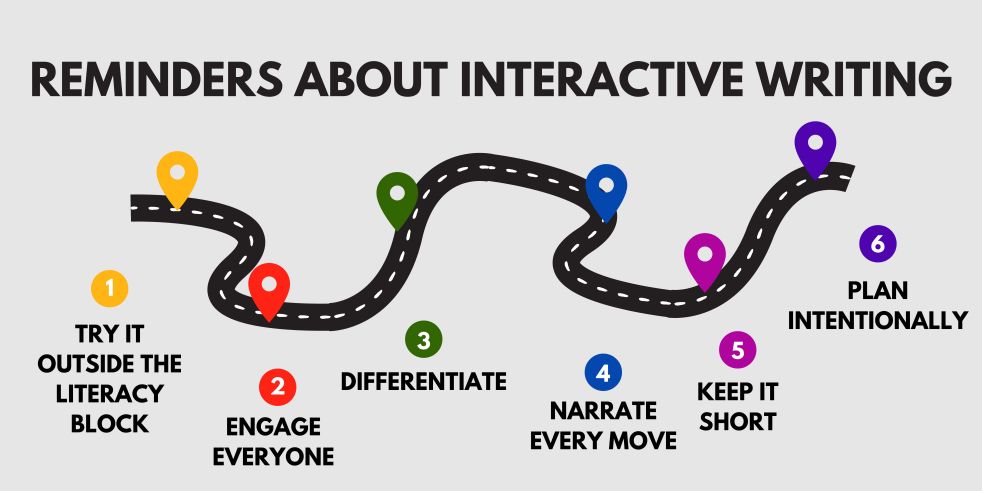
Reminders About Interactive Writing
Watch an interactive writing lesson in action, and find out the winner of the giveaway!
Share this:

Share this:
ICYMI: Two-Week Recap
You will be all caught up with this, in-case-you-missed-it post recapping the past two weeks here at TWT!
Share this:

Share this:

Engagement and the Writing Workshop
I had the opportunity to hear Cornelius Minor speak at the CCIRA Conference earlier in February, and I cannot stop thinking about it. He defined engagement in a way that is both conceptual and precise. I may have stopped breathing as my brain short circuited in response.
Share this:

Share this:
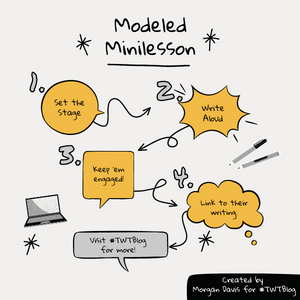
Active Engagement in Modeled Mini-Lessons
Want to ensure students are engaged as you model a particular strategy, craft, or technique? These four steps can help you do just that!

