As we approach the end of the year, it’s a great time to think about and ask children to think about the growth they’ve made since the first day of school. In the rush, it’s easy to forget about the importance of slowing down and taking the time to reflect, and yet, reflection is a cornerstone of learning.
Category: writing workshop


More Than Tinkering: Looking Back and Moving Forward
Revision is a process. It is also a frequently misunderstood endeavor. As a teacher, I have often revised my beliefs to re-see my goals and purpose when it comes to teaching my writers the best revision strategies.
Share this:

Share this:
Slice of Life Tuesday
Tuesdays are Slice of Life days! Everyone is welcome in this community. WRITE a slice of life story on your own blog. SHARE a link to your post in the comments section. GIVE comments to at least three other SOLS bloggers. As another school year approaches its end, it's so important that we teach and celebrate the power… Continue reading Slice of Life Tuesday
Share this:

Share this:

Making the Most of May and June: Looking Back and Moving Forward
By taking some time in May and June to try new writing projects, we can motivate students to stay connected and continue living the writerly life when no one is assigning them to do it. They can write (and read) because it’s part of who they are and how they live each day. Let’s not allow May and June become movie-watching, worksheet-filling, killing-time days. Let’s make each day count and keep our writers enthusiastic about all the possibilities being a writer brings.
Share this:

Share this:
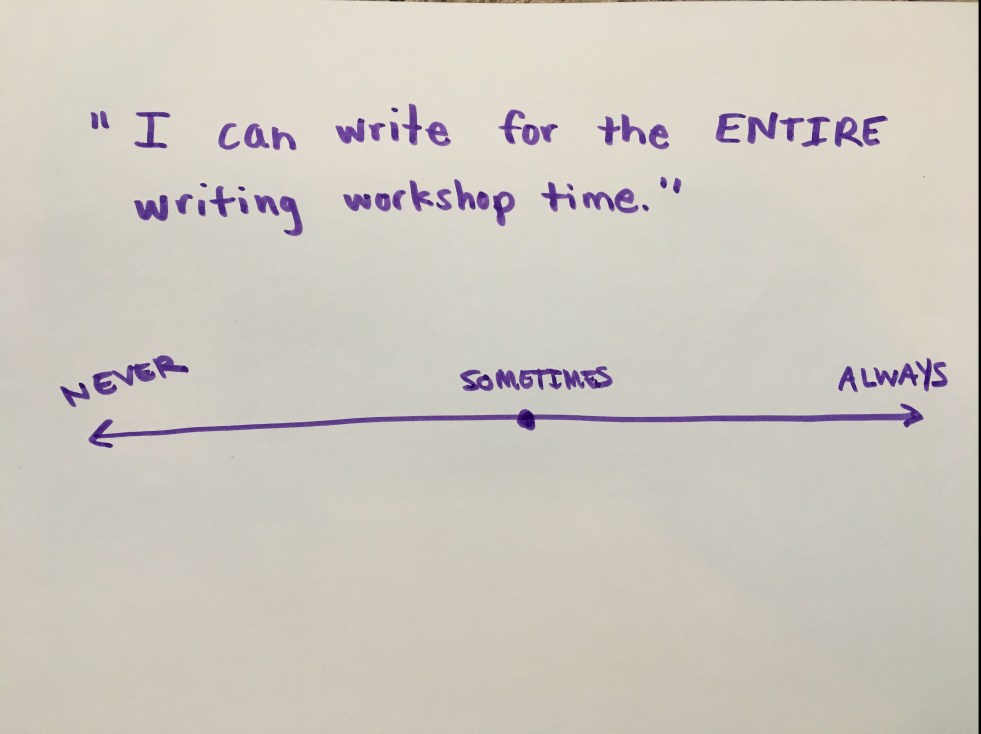
Student Self-Reflection: Looking Back and Moving Forward
Someone once told me (or maybe I read it somewhere) that the best stories are like pearls on a string. Each moment or scene in the story is polished, lovely to read. But it is the string of scenes, all tied together that gives the whole story meaning and purpose. The pearls on their own… Continue reading Student Self-Reflection: Looking Back and Moving Forward
Share this:

Share this:

Three Ideas for Oral Storytelling in the Classroom
Some sit at a keyboard and the words just pour out. Others use a pen and paper, working slowly and deliberately. I know one writer who prefers a typewriter to a laptop. And then there are the storytellers.
Share this:

Share this:
Write at the Start: No More Morning Worksheets
How can we let writing be part of a "soft start" for students instead of making them complete joyless worksheets? How do your students start the day or class period? Please join the conversation!
Share this:

Share this:

How Many Stars? Tools for self-assessment and goal-setting
The more we show learners what the work looks like at different levels and the reasons for that level, the better they are able to self-assess, set goals, and improve.
Share this:

Share this:
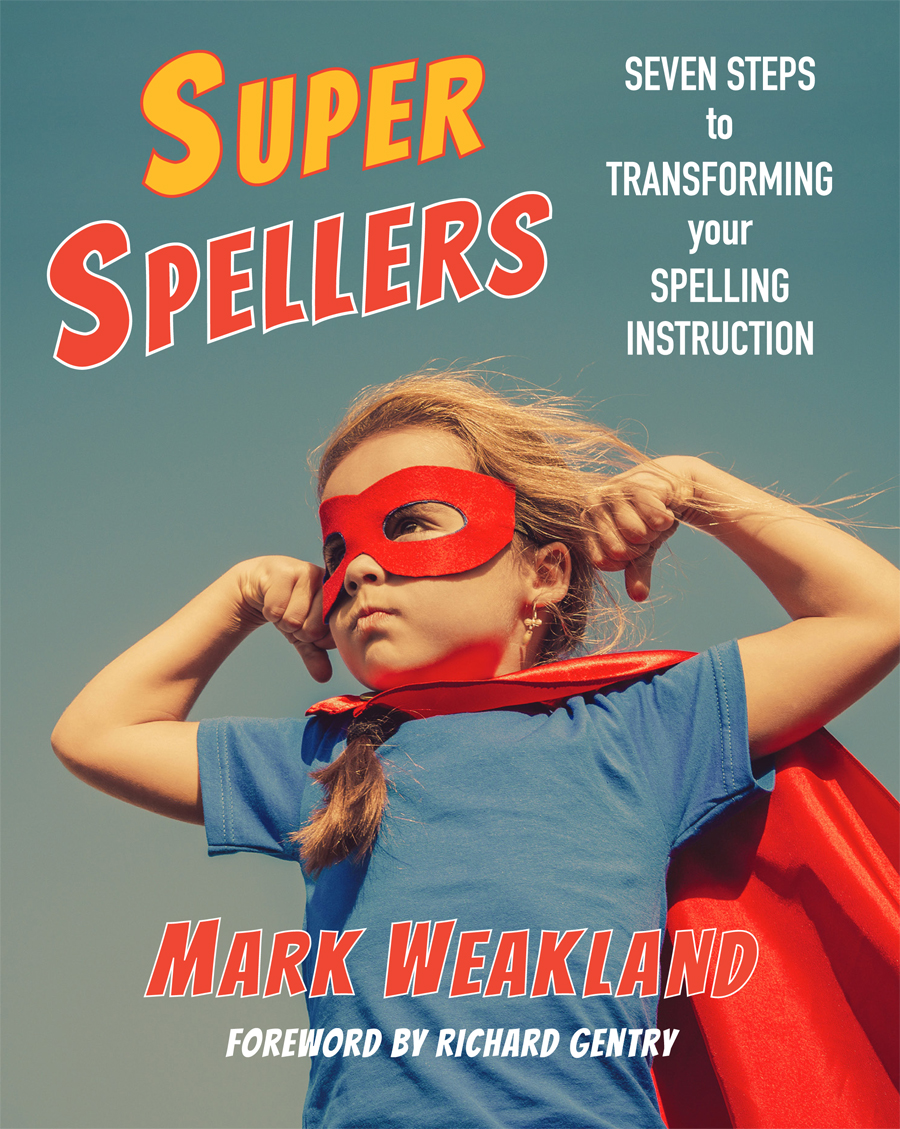
Super Spellers: Review + Giveaway
How do you approach teaching writers to spell? Mark Weakland's book Super Spellers: Seven Steps to Transforming Your Spelling Instruction might have some new insights for you!
Share this:

Share this:
Reflections on the Classroom SOLSC 2018
The Classroom SOLSC is over for this year...now come the reflections!
Share this:

Share this:
No More Cookie-Cutter Teaching
As educators, we need to take ownership of our teaching. If you think your tried and true lessons are lackluster, change them. Start with looking at your students and asking yourself, what do my students need? What are their strengths? Next, look at the VERBS in your standards. Precisely what is it your students need to master in this unit? Finally, embrace the art of teaching, follow their lead.
Share this:

Share this:
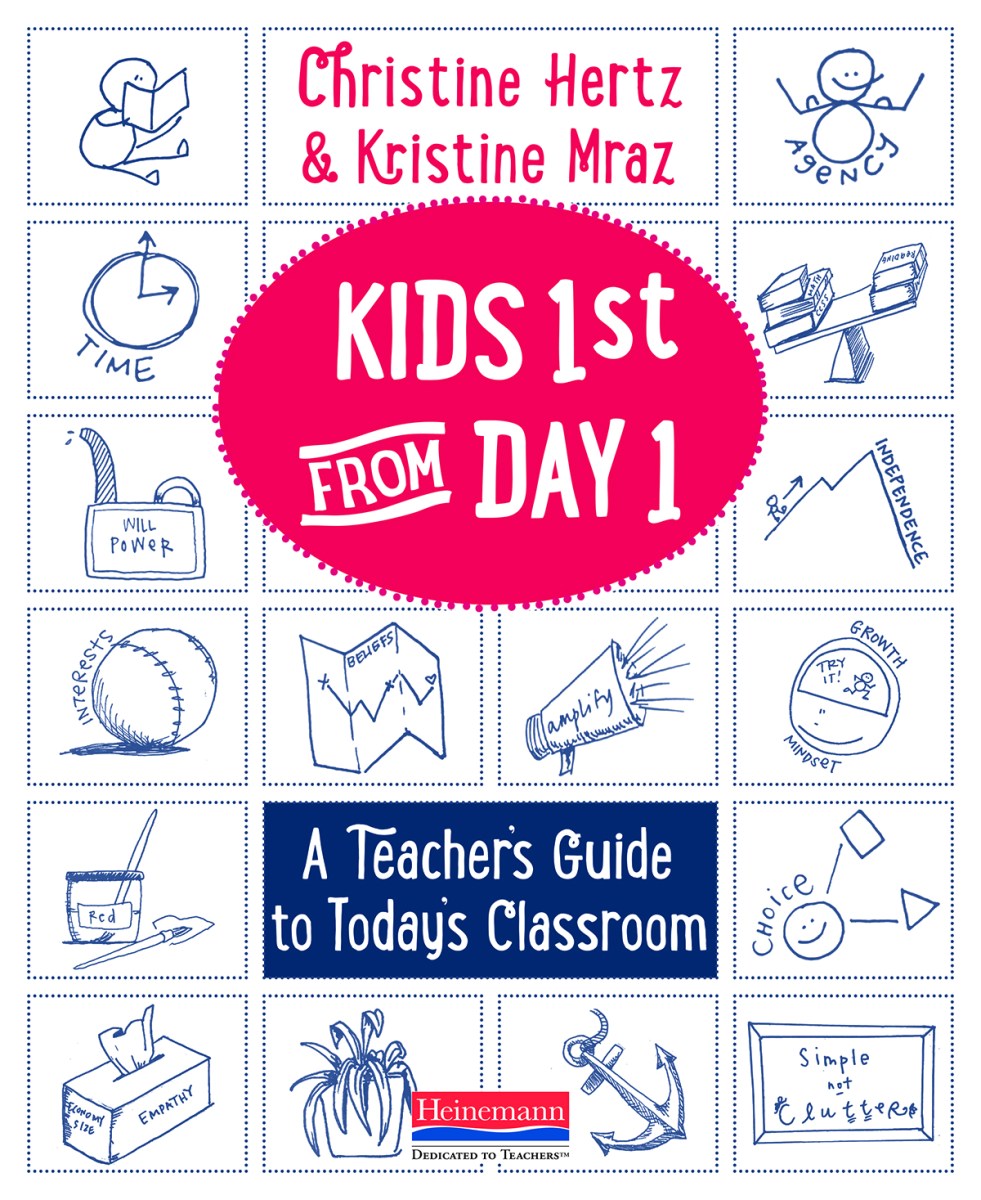 Reinvigorate Your Classroom by Putting Kids First: An Interview with Christine Hertz and Kristi Mraz
Reinvigorate Your Classroom by Putting Kids First: An Interview with Christine Hertz and Kristi Mraz
Learn how Hertz and Mraz's newest book, Kids 1st from Day 1, can impact your writing workshop.

