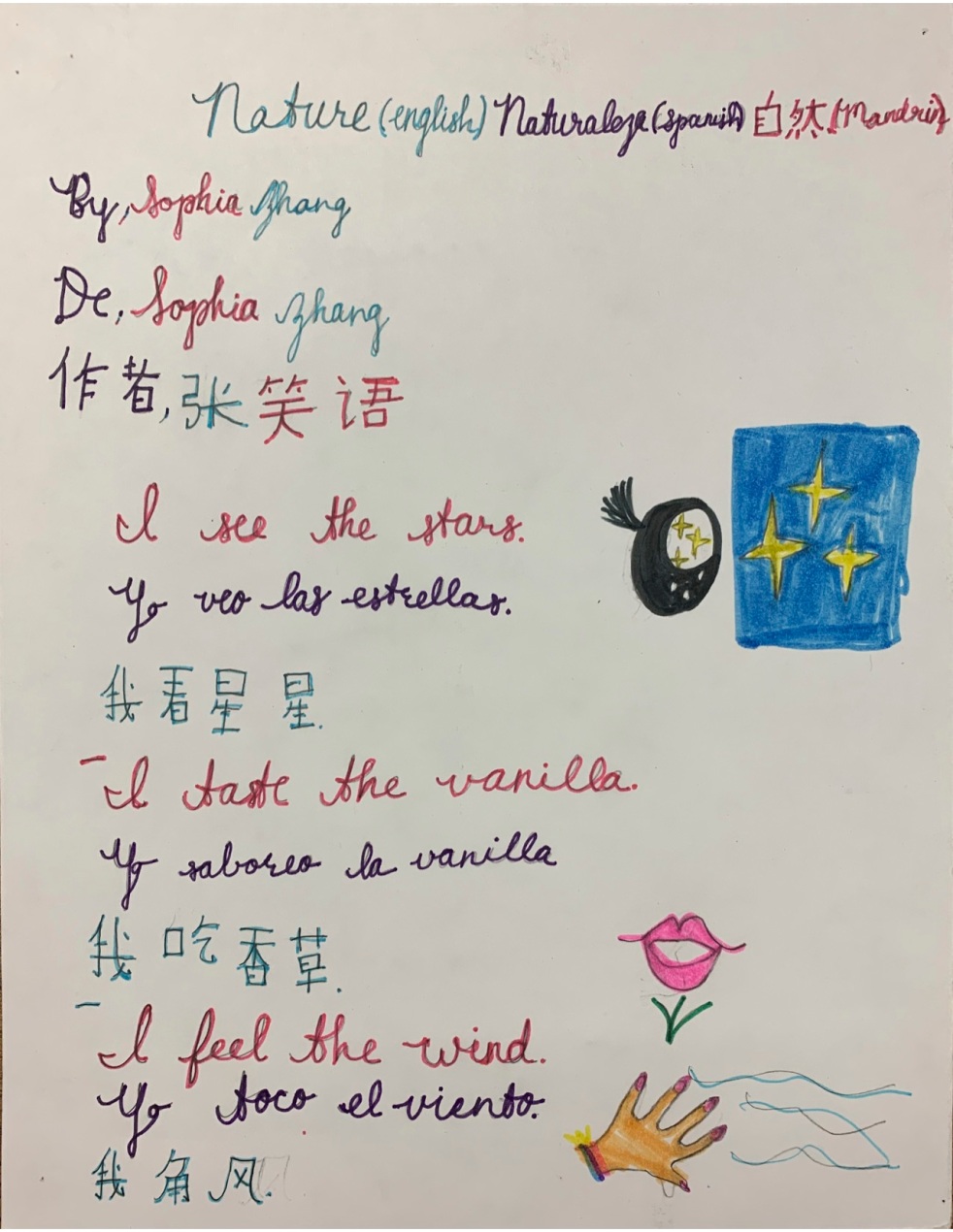
What happens when the next unit in third grade writing workshop is poetry and the classroom teacher stumbles across an anthology of bilingual poetry? This post describes how a third-grade homeroom teacher and a Spanish teacher collaborated to implement an interdisciplinary, bilingual poetry unit.
Month: November 2019


Write. Share. Give.
What is happening in your corner of the world? Share your story.
Share this:

Share this:

A Few Reflections and Shares From NCTE 2019
For the last few days, I have had the privilege of attending the National Council of Teachers of English Convention in Baltimore, Maryland. While there were many colleagues and friends who shared the experience, I know many others couldn't attend. I'm sure there are others who will share in the upcoming weeks, but for now, in somewhat of a post-convention haze, I'm scrolling through my notes and pulling out some of my favorite quotes and ideas from my experiences.
Share this:

Share this:
Turn and Talk
One of the greatest benefits I have had in my classroom, that encompasses all things literacy, has been the addition of purposeful talk. When it comes to inviting students to think and learn after a writing strategy or any other reflective work, talking is one of the most important strategies we can use. When students… Continue reading Turn and Talk
Share this:

Share this:
Using Inquiry to Lift Language Conventions
As middle school teachers, we know grammar and language conventions have likely been taught to our writers in previous years. But why don't they stick? Here are a few ideas around teaching grammar and language conventions using an inquiry approach...
Share this:

Share this:
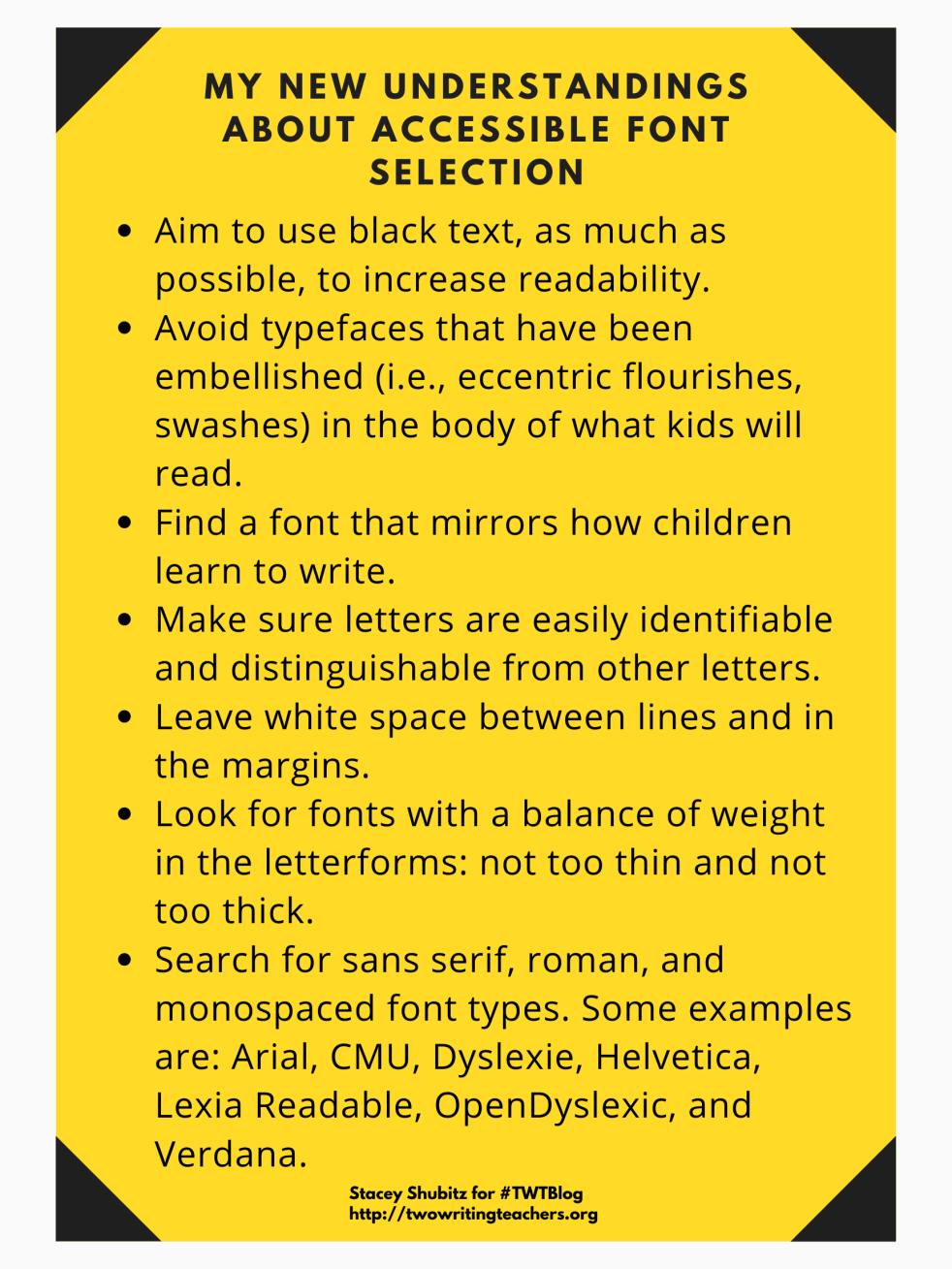
Finding Accessible Fonts for Classroom Use
Fonts that look whimsical and childlike may place a stumbling block in front of students with language-based learning disabilities, such as Dyslexia. Get tips from four industry professionals who will help you find an accessible font without sacrificing personality.
Share this:

Share this:
Tuesday SOL!
What's new in your November? Share a story, read a story, and join a community.
Share this:

Share this:
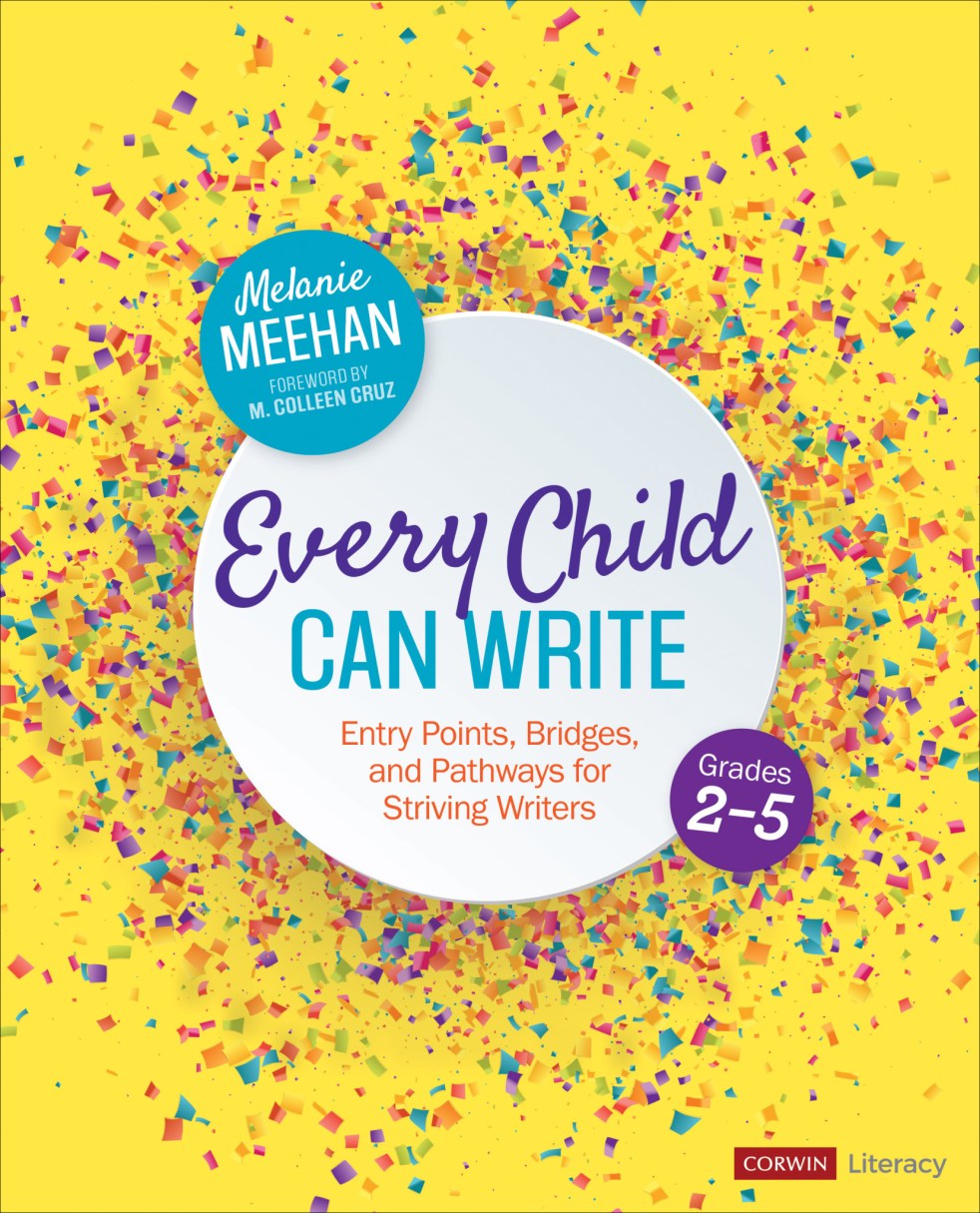
In Case You Missed It: Reaching Your Writers
Our hope is that this blog series helps to bridge the divides between how we teach writing and how students learn writing because we all believe not only in the importance of writing, but also that all children can learn to write-- and learn to write well-- and even like writing!
Share this:

Share this:
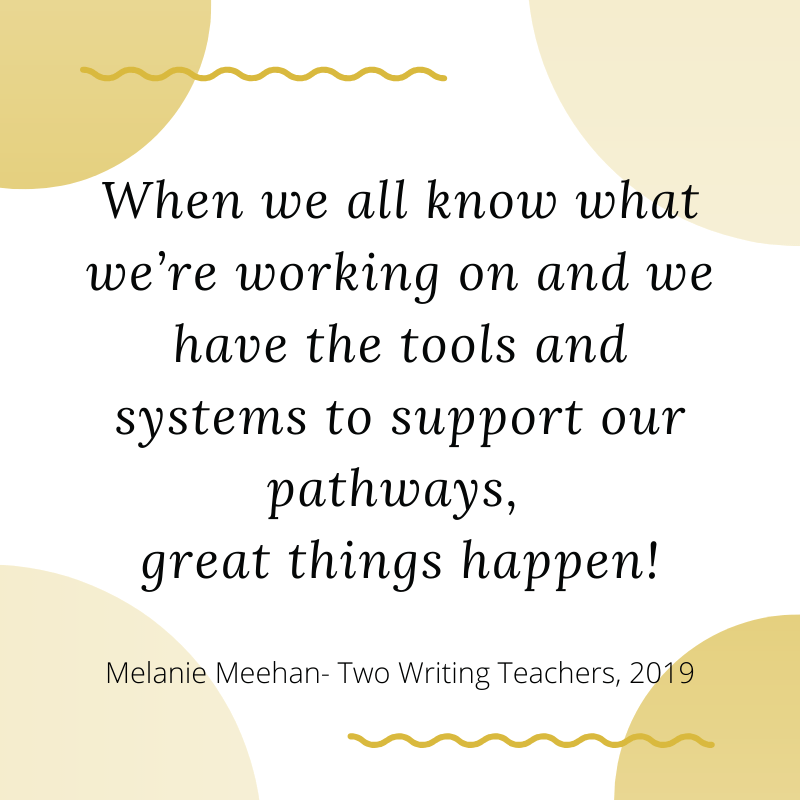
Communication, Collaboration, and Clarity: Reaching Your Writers
The more we can communicate, collaborate, and empower the people we work with, both adults and students, so that they know and understand the learning that should be happening in our writing classrooms, the more we will see that learning happen. When we all know what we’re working on and we have the tools and systems to support our pathways, great things happen!
Share this:

Share this:

Rituals and Transitions: Reaching Your Writers
When writing workshop rituals become woven into the daily grooves of the writing community, cohesive safe zones develop. The consistency of rituals in a classroom helps students transition within the workshop environment smoothly... Well-established rituals create the space for students to concern themselves less with movement and more with the work of a writing.
Share this:

Share this:
Paper Choices for Opinion and Argument Writing: Reaching Your Writers
Providing options for paper allows all your students to do the same type of writing (opinion, persuasive, or argument) in many different ways. Differentiating the materials makes it possible for all your students to do the work--without having to resort to a formula or fill-in-the-blank worksheet.
Share this:

Share this:
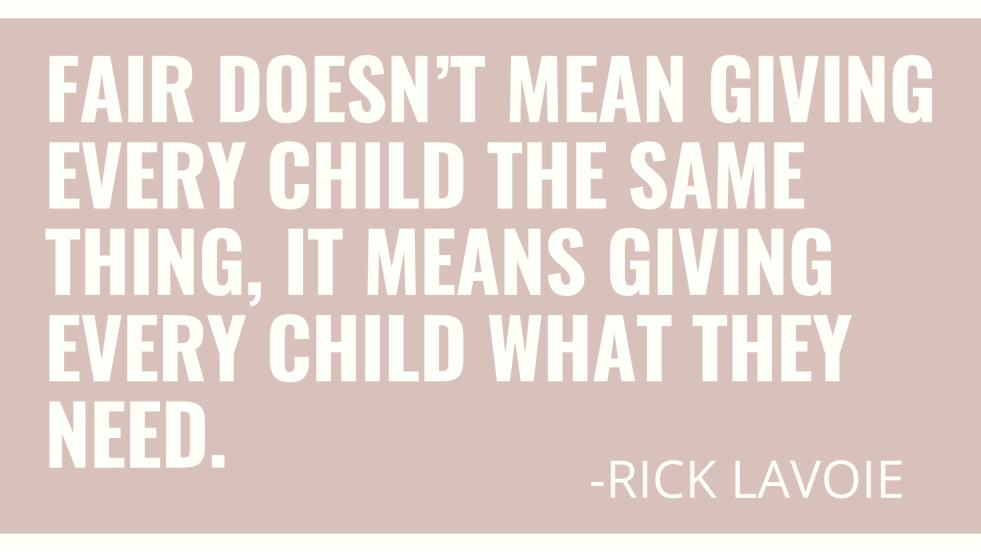
Everyone Gets What They Need: Reaching Your Writers
How a story about babies and bandages helped kids and families differentiate between equity and equality....and what it looks like for everyone go get what they need during writing workshop.

