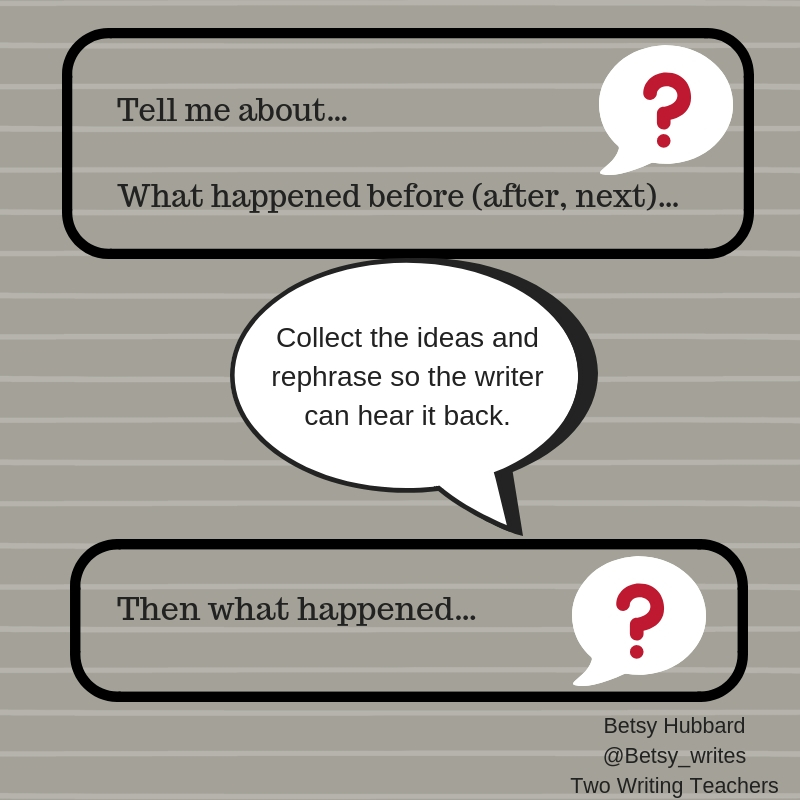
Using video and visuals helped this young third-grader lead his class in a lesson on rehearsal and planning.

Finding Your Voice, Telling Your Story
In what ways have you pushed yourself to try a new type of writing or to share your ideas in a public way? In July, I pushed myself to write a keynote speech and learned lessons along the way.
Share this:

Share this:
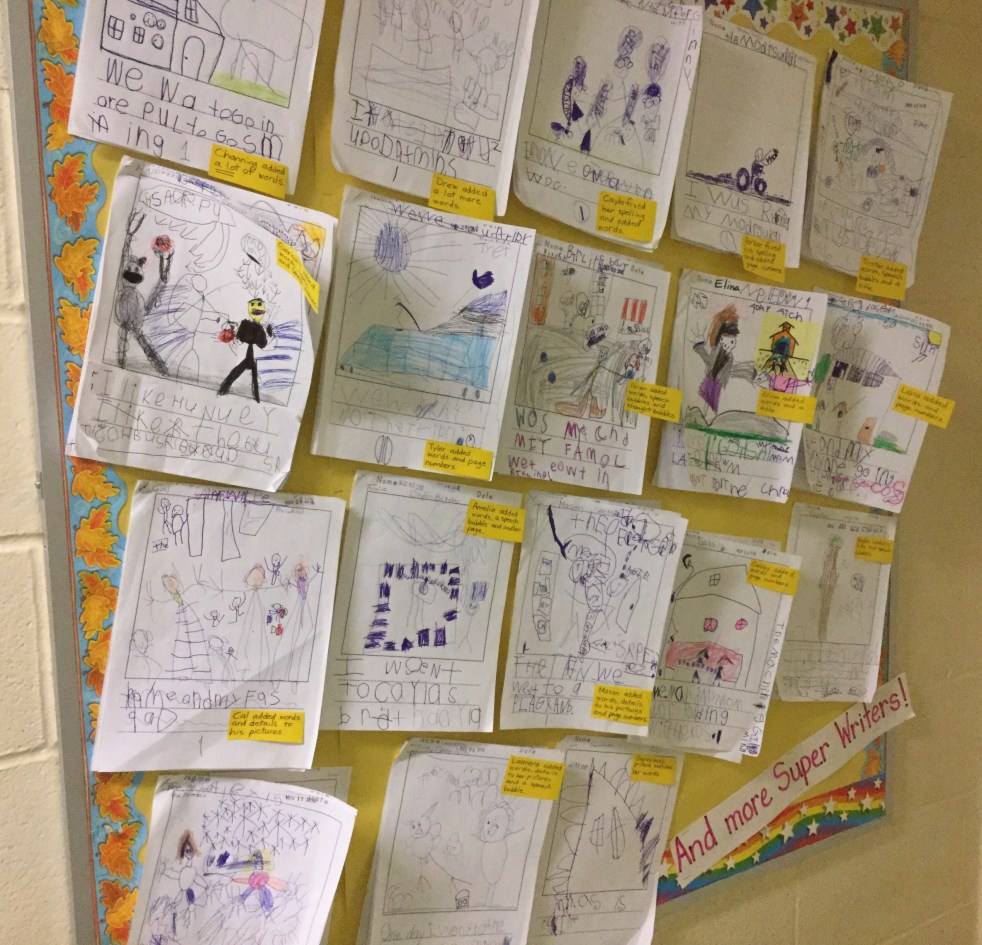
Overcoming Anxiety About Displaying Student Writing
You see the beauty in your kids' work: every misspelled word, every cross-out, every taped-on flap. You know that all that "messiness" is evidence of good work that kids are doing. Hard work. But outside your classroom, the rest of the world might not see it that way.
Share this:

Share this:
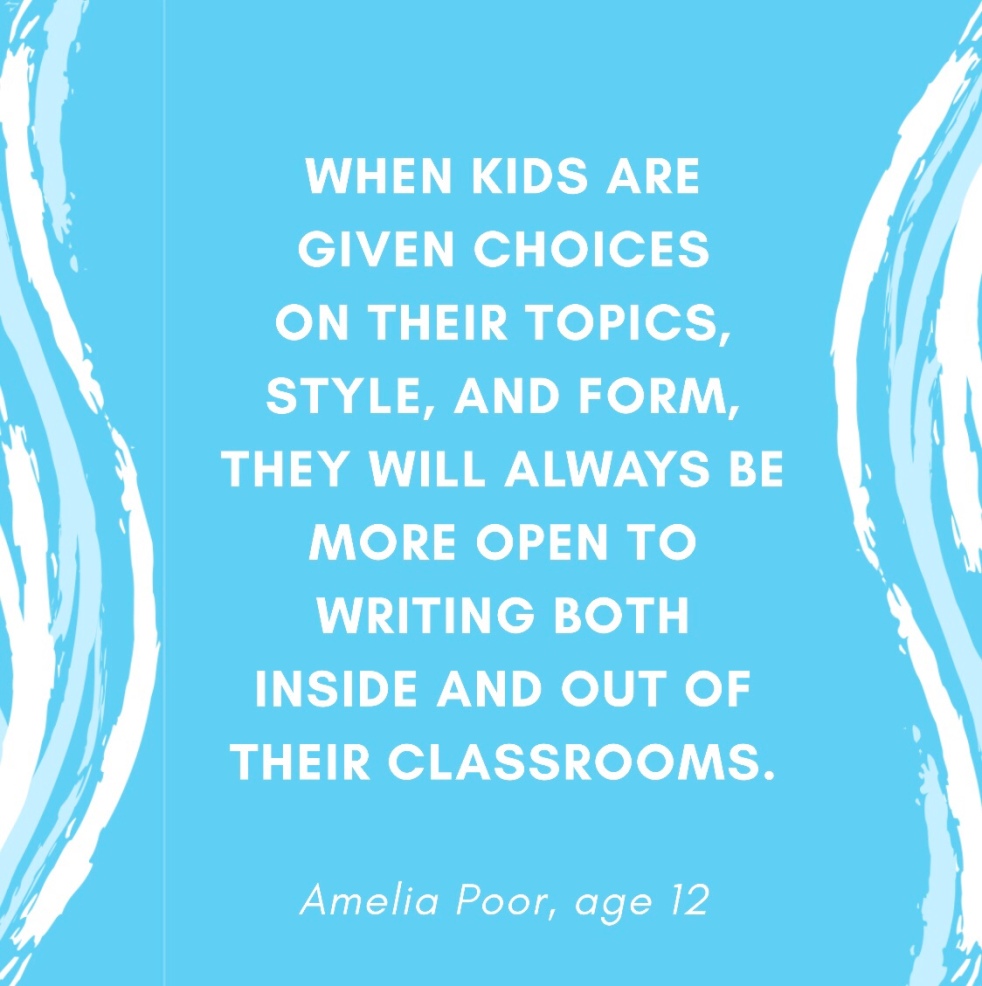
From the Classroom to the World: How a Young Writer is Making Her Voice Heard
Find out how Amelia Poor, age 12, learned "at a really young age how powerful writing can be." Amelia's journey will surely inspire you and your young writers!
Share this:

Share this:
SOL Tuesday
WRITE a slice of life story on your own blog. SHARE a link to your post in the comments section. GIVE comments to at least three other SOLS bloggers.
Share this:

Share this:
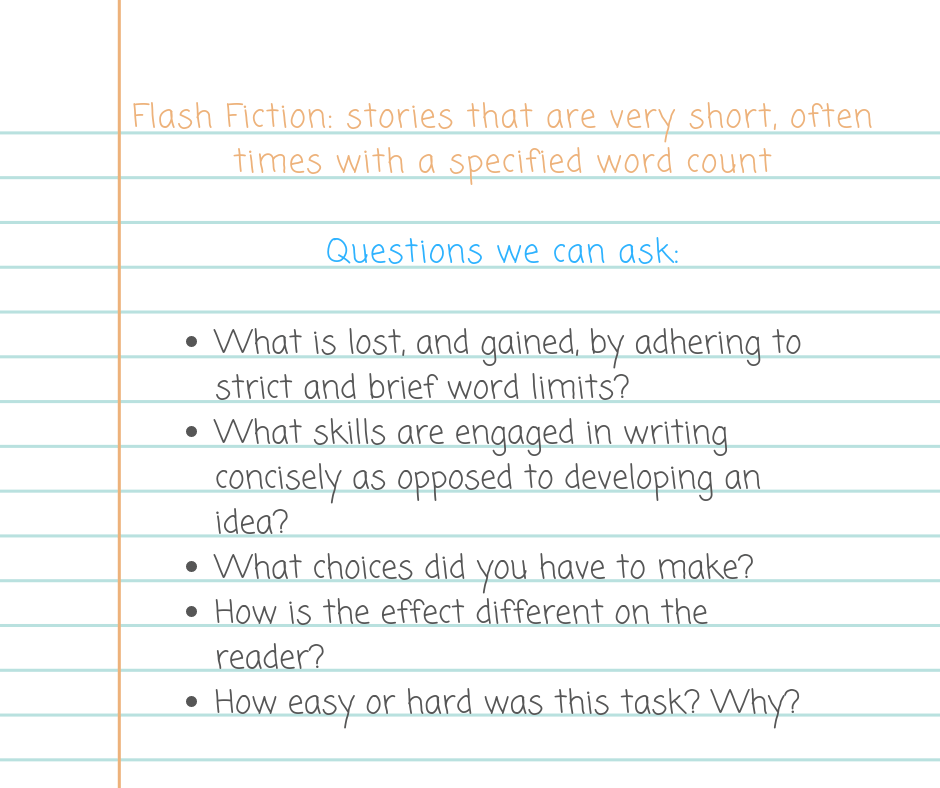
Unexpected Benefits of Flash Fiction
Story compression did not require many instructional minutes, but the ratio of instructional value to the time it took was so worthwhile!
Share this:

Share this:

Write Them Back!
Do you receive letters from your students at the start of the year? Do you write them back? In what ways do you get to know new students? How do you keep track of the information and use it as a guide for helping your writers grow?
Share this:

Share this:

Partnerships Can Provide Purpose and Power
All writers seek feedback. All writers write for an audience. All writers question themselves. And for these reasons, writers long to bring their work to another person-- another set of eyes, another pair of ears. Hence, the writing partner in writing workshop. When working well, partnerships can help grow the confidence of each writer in our classes by providing support, authentic peer feedback, and a sounding board for ideas. Here are a few ingredients to consider when creating a community of writers...
Share this:

Share this:
Building Word Superheroes: With Permission and Invented Spelling
Teaching students to take the risks necessary to be inventive spellers means I have to respect the stage of development of the student. I can't expect the students to know (or use) something I haven't taught. It also means communicating to parents about what it means to use inventive spelling and its role in developing writers and readers.
Share this:

Share this:
SOL Tuesday
For the last two weeks, I have had the privilege of visiting classrooms and talking about kindness. After watching the Kid President video, 20 Things We Should Say More Often the teacher and I asked the students what words they think we should more often. Today, as an inspiration for your writing, I am sharing… Continue reading SOL Tuesday
Share this:

Share this:

Stepping Toward Poetry
Did you experiment with some poetry now that the school year is in full swing? If not, here are a few more ideas to convince you poetry can be woven into your day. It starts with you.
Share this:

Share this:

Questioning Traditional Homework Practices
It can feel scary and uncertain to step away from a traditional practice like assigning homework. Following your teacher heart (and your gut) and reading what other professionals and researchers have shared can make you feel more confident in taking a risk and trying a new policy. Read on to see how one teacher (me) changed how and why homework is assigned.

