What we place on the walls of a classroom tells students, or any other person who enters the room, what is valued most, and what we should value most in our classrooms is student work.
Category: authentic writing


Thinking Big About Writing
The writing work in our building is transforming, and it is exciting to be a part of the change, to witness the impact on kids as we make our workshops increasingly authentic and compelling. We are constantly reflecting on what’s working—what’s leading to measurable shifts in how we plan for writing (and how kids experience writing)—as well as where we might be getting stuck: places there is genuine motivation to transform the task, and yet, our best intentions are still missing the mark in some significant way.
Share this:

Share this:
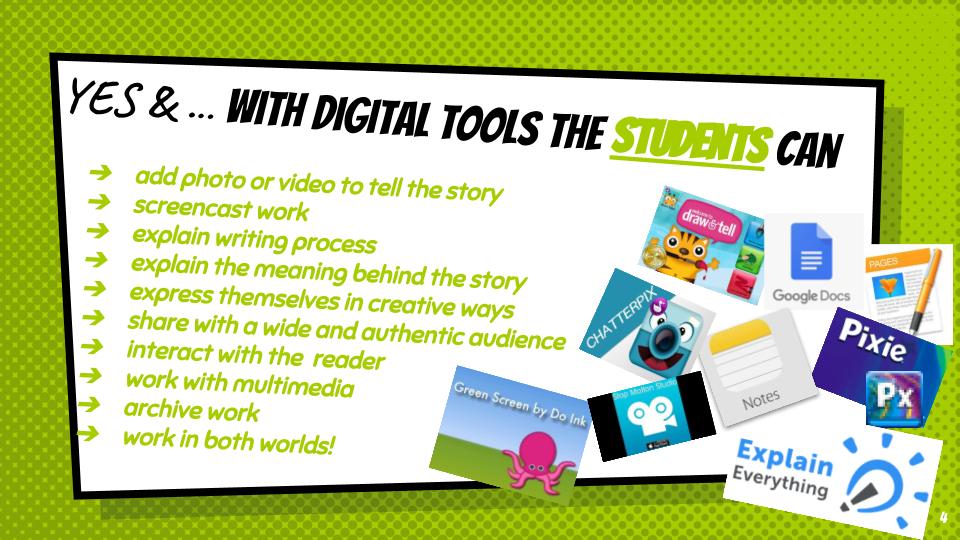
Yes &… with Digital Tools We Can
As we set off to create writers who write in tandem with the printed world and the digital world there are a few we need to consider.
Share this:

Share this:

Exposing, Sharing, & Connecting: Helping Writers See Why We Write
When we know the purpose or the why in our work we work intentionally. As teachers, knowing our writers are working with intention allows us to trust the students. With trust, we can step back and allow students to make the decisions about their writing.
Share this:

Share this:
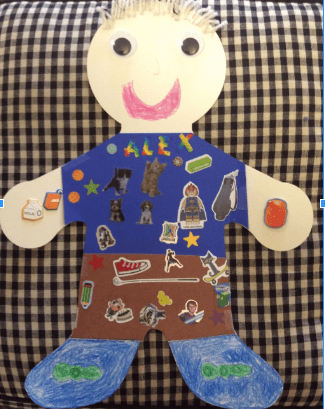
Getting to Know Your Writers
The decisions I make from the classroom library to family connections are intentional and responsive to building a community of writers and learning about the students who make up this community.
Share this:

Share this:
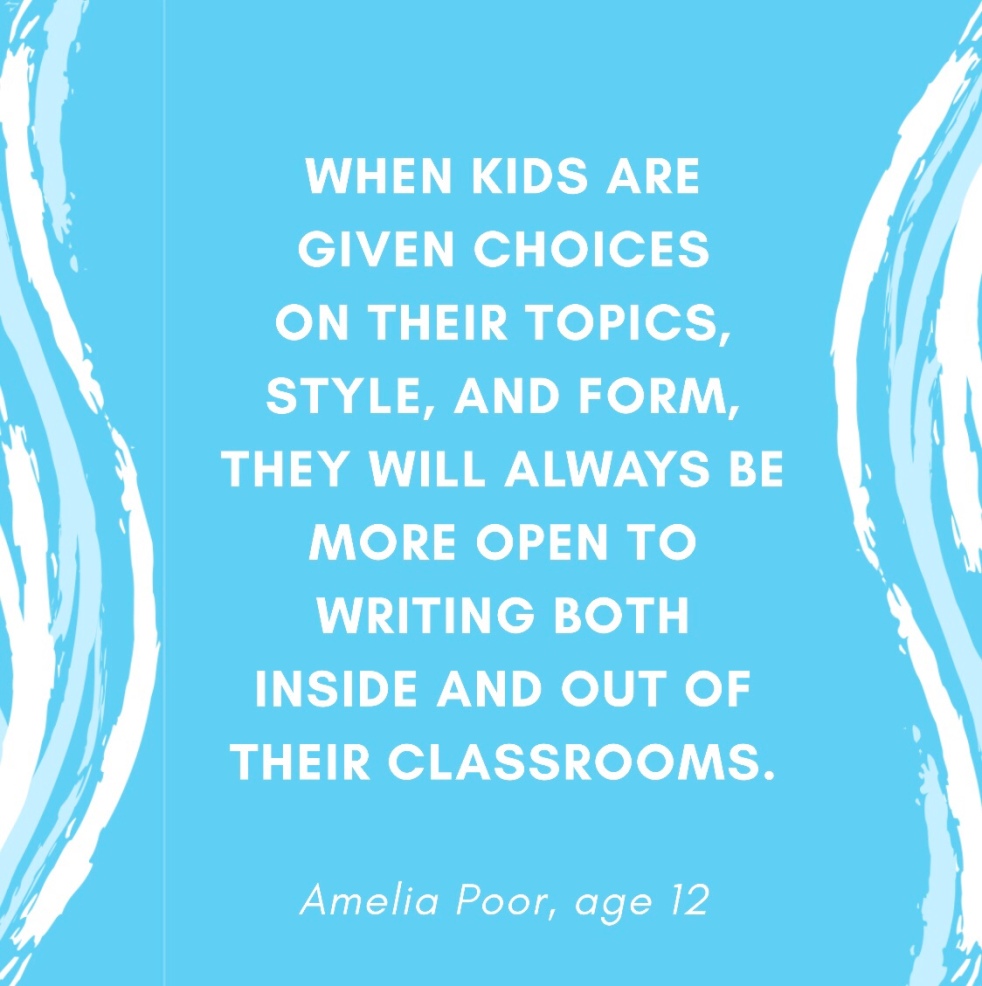
From the Classroom to the World: How a Young Writer is Making Her Voice Heard
Find out how Amelia Poor, age 12, learned "at a really young age how powerful writing can be."
Amelia's journey will surely inspire you and your young writers!
Share this:

Share this:
Building Word Superheroes: With Permission and Invented Spelling
Teaching students to take the risks necessary to be inventive spellers means I have to respect the stage of development of the student. I can't expect the students to know (or use) something I haven't taught. It also means communicating to parents about what it means to use inventive spelling and its role in developing writers and readers.
Share this:

Share this:
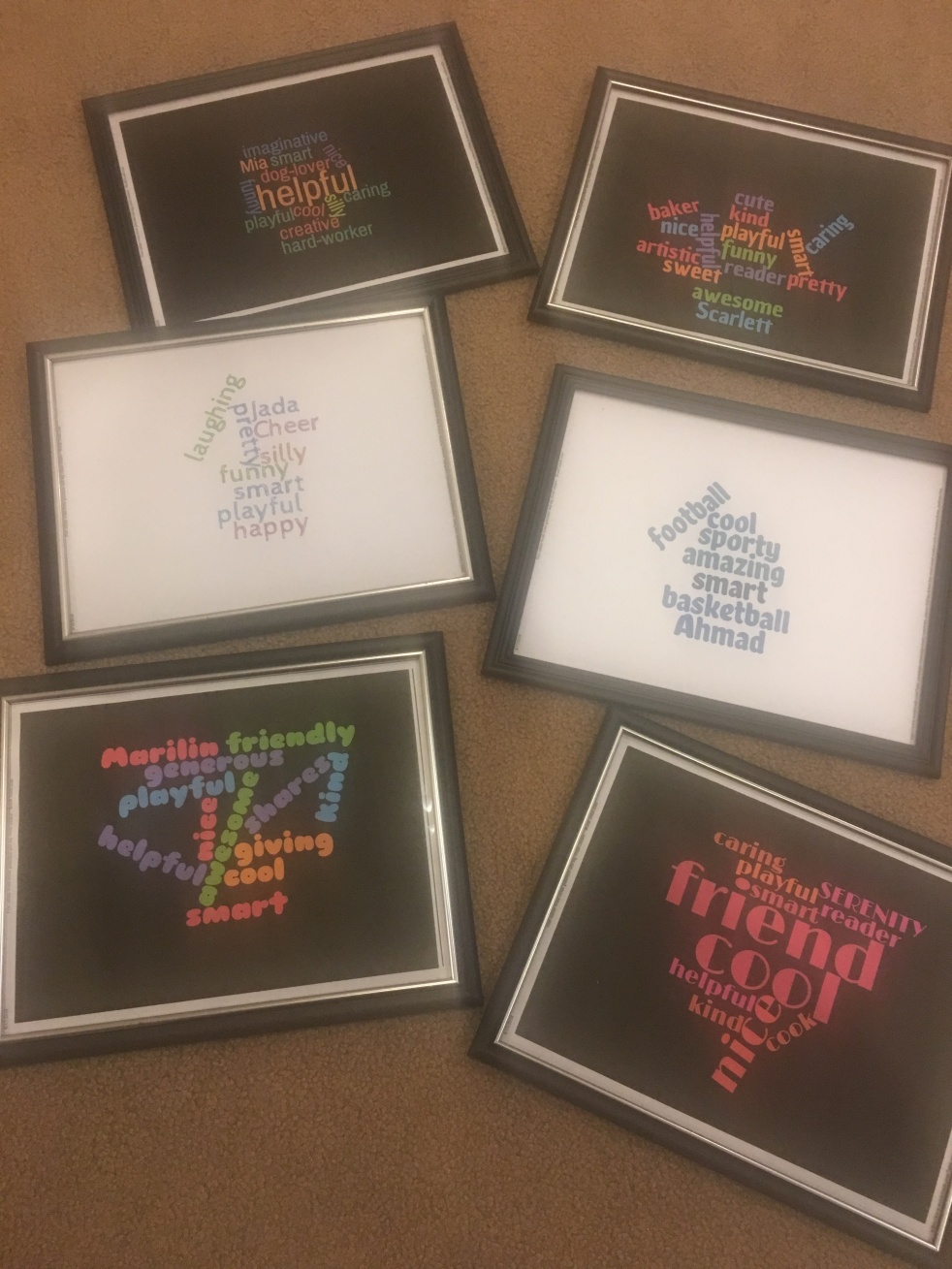
Write to the Finish!
It's the final countdown to summer for me and my third graders. Here are some ways we've used writing to end the year in a meaningful way.
Share this:

Share this:
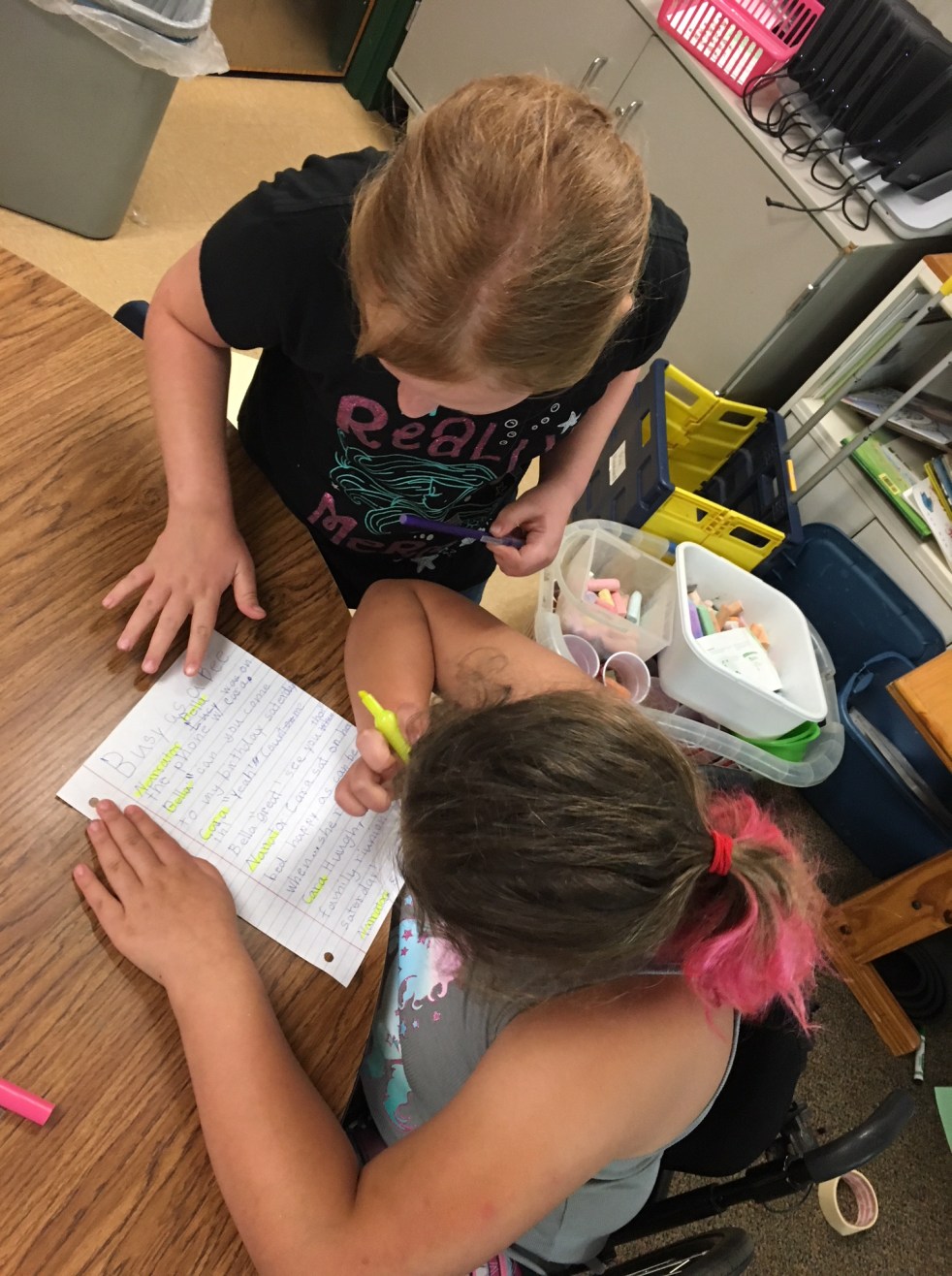
Spontaneous Sparks
My students got extra creative when we used some extra time in a spontaneous way!
Share this:

Share this:
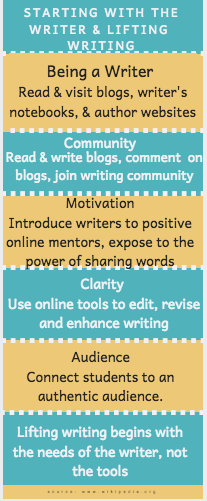
Making the Writer Better: Getting Started with Blogging
As I move forward in planning summer professional development for the teachers in my district, I am already finding the infographic invaluable. In planning my session, “Getting Started with Blogging” I found the information on the infographic guiding each slide and each step as I planned the presentation.
Share this:

Share this:

Make Writing Better. Start With The Writer.
Think about the writer and making the writer better. What are the needs of a writer? What opportunities does technology offer to make the writer better?
Share this:

Share this:
Write at the Start: No More Morning Worksheets
How can we let writing be part of a "soft start" for students instead of making them complete joyless worksheets? How do your students start the day or class period? Please join the conversation!

