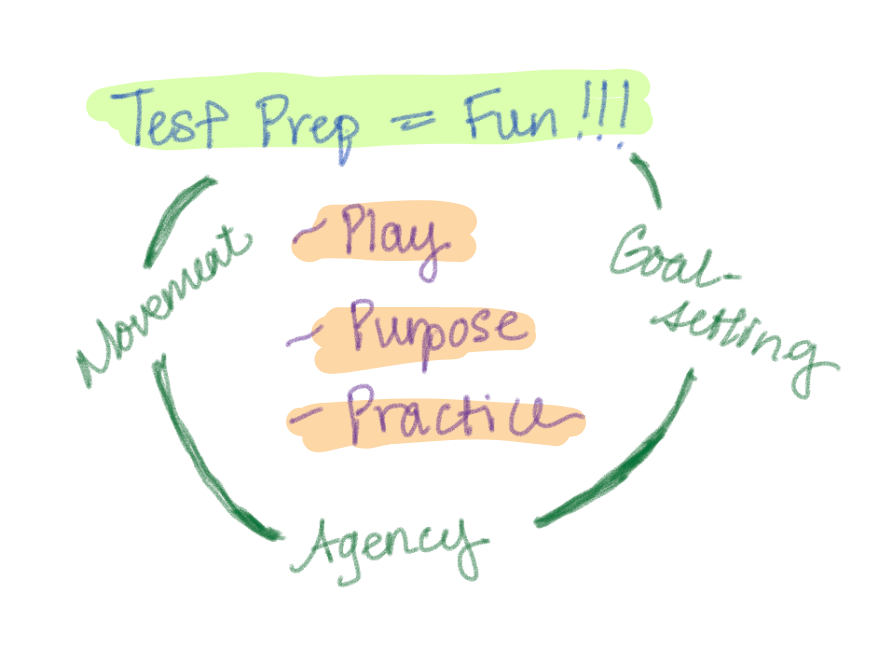
I'm hoping that, regardless of what assessment you're prepping for, there are some ideas in this post that could help-- maybe you'll find ideas even if there's NO test to prep for! I also hope that these ideas feel less about test prep and more about purposeful play and practice for students to become better writers and overall learners. Prep, play, and practice don't have to be mutually exclusive.
Category: assessment

Self-Assessment: From the Archives
Assessment can take many forms. As the end of another school year approaches, creating opportunities for self-assessment might be the perfect addition to your classroom practices.
Share this:

Share this:
Assessing with Clarity: Scaffolded vs. Independent Writing
Are you struggling to decide which writing to assess? Take a closer look at the benefits of assessing both scaffolded and independent pieces of student writing.
Share this:

Share this:
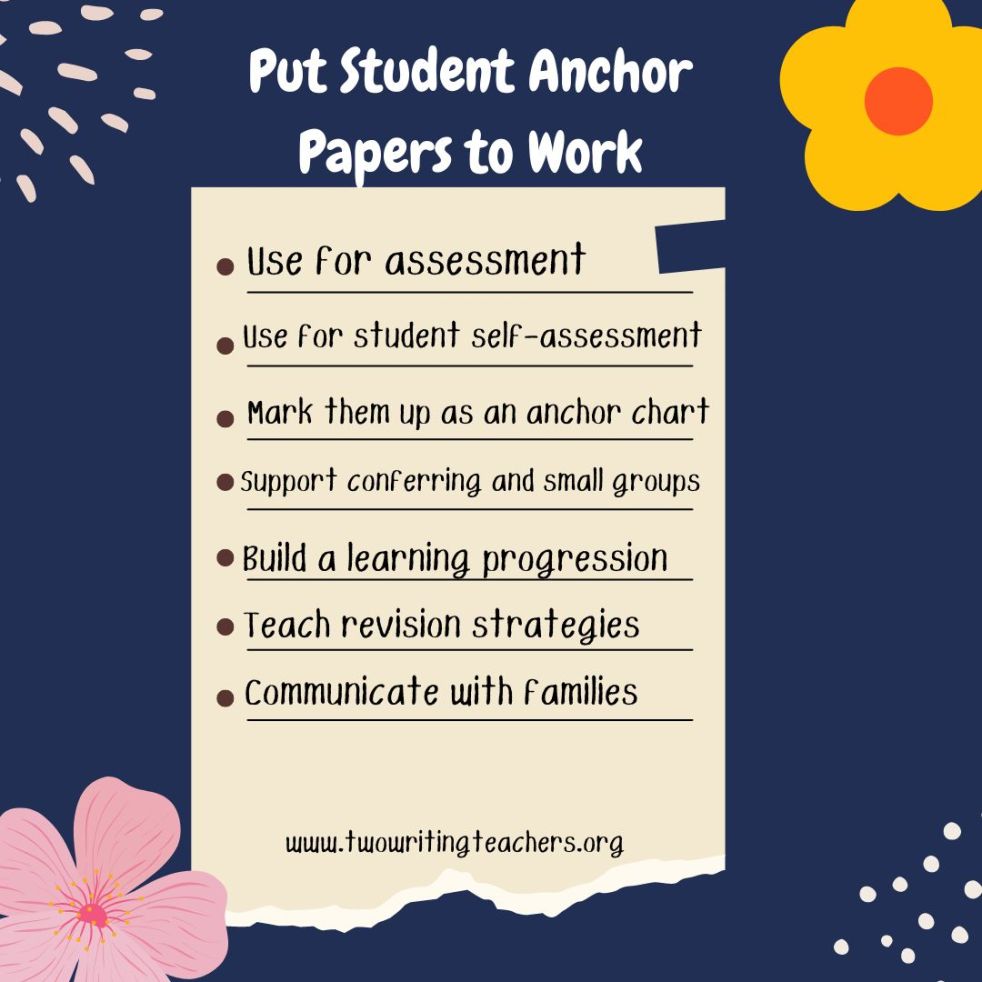
We’ve Got Anchor Papers…Now What?
Have you ever found yourself with student anchor (exemplar) papers and not known what to do with them? Today's post provides several ideas for using student writing in powerful ways for assessment, instruction, and communication.
Share this:

Share this:
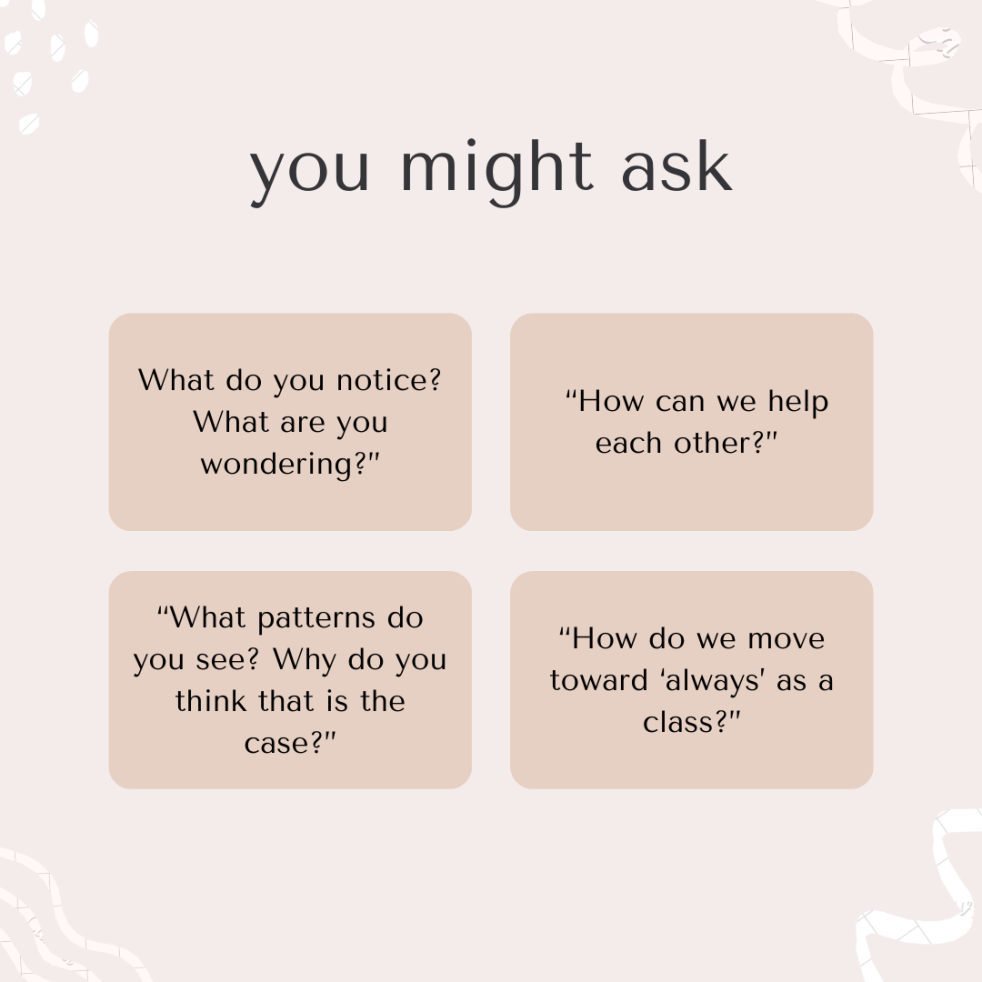
Empowering Students with a Kid-Friendly Tool for Self-Assessment: Amping up Agency Blog Series
When students can articulate how they have grown as writers and can name the strategies they’ve used, we help see that they can do it again next time.
Share this:

Share this:
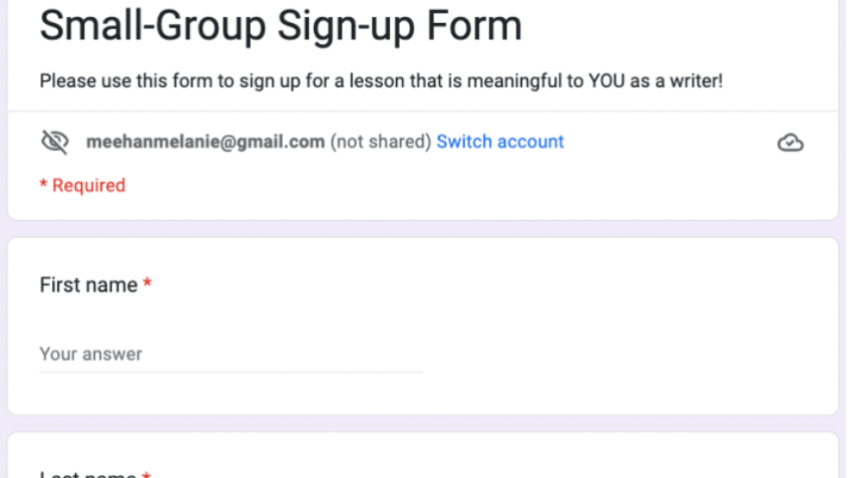
Student Agency, Self-Assessment, and Small Group Instruction
Nudging students toward self-assessment and goal-setting leads to students' increased understanding of what they are working on and why they're working on it. That intentionality is a critical aspect of learning!
Share this:

Share this:

Let’s Get Curious! Using Appreciative Inquiry in the Writing Classroom
Students are our north stars. When we get to know students (academically and beyond), we can more clearly see and honor who they are and what they know. Appreciative inquiry enables us to capitalize on the abundant assets already present.
Share this:

Share this:
Student Writing As Data for Love and Instruction
I believe we might understand student experience is by looking at student composition with asset-based eyes, first to recognize students as whole children and secondly to determine flexible writing goals.
Share this:

Share this:

Three Ways to Exalt Process for Young Writers
My litmus test for the work we do in the classroom pivots on an understanding that collecting one's own ideas and practicing ways to communicate them will serve students outside classroom walls. And it is with that framing in mind - with children reflecting on their journeys, in carefully selecting the language I use, and in sharing feedback on growth as opposed to the final alone- that I hope to continually communicate the importance of process over product.
Share this:

Share this:
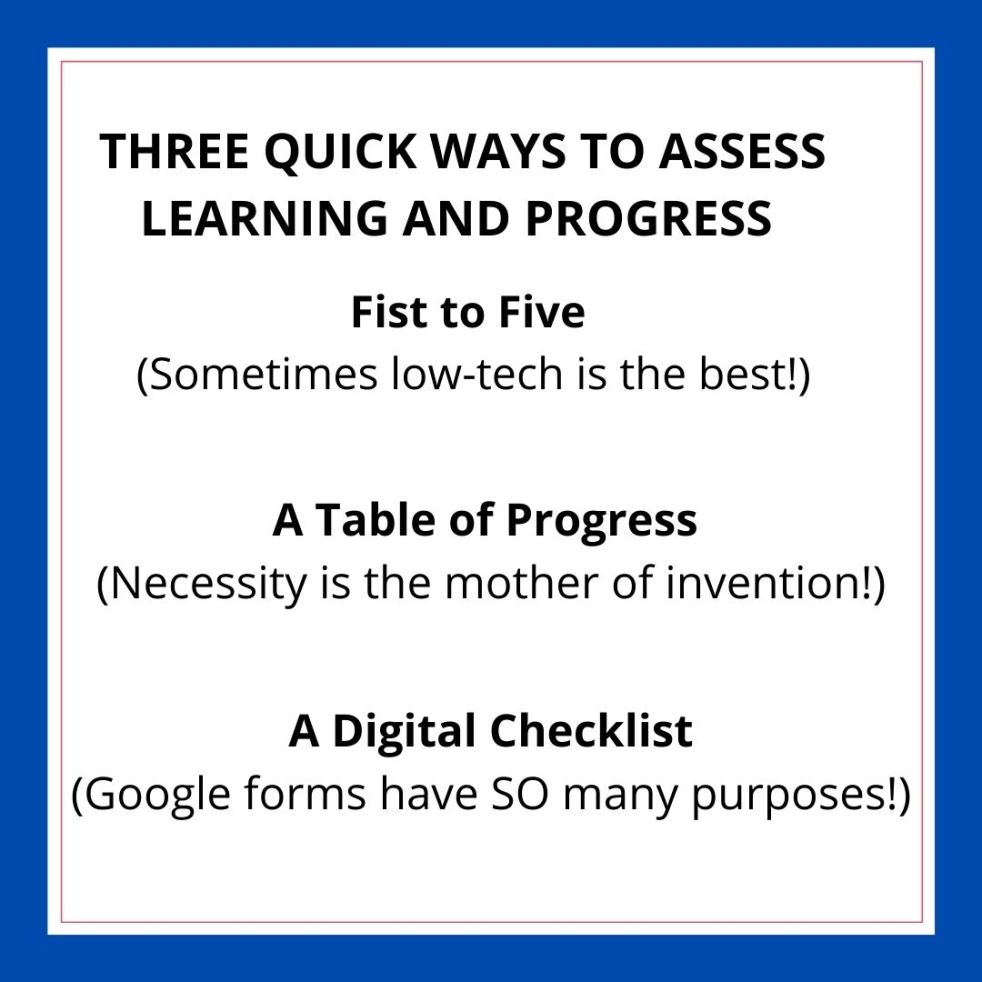
Three Quick Ways to Know How Students Are Doing
How can I make progress pathways for young writers working from anywhere clearer for them? Inviting students into the evaluation process is helpful, and my hope is that one of these ideas will inspire you.
Share this:

Share this:
Meet Writers Where They Are: Making Learning Relevant and Personal
Maya Angelou reminds me that when I know better, I can do better. The more I know about how, where, and why a student is functioning, the better I can teach that student.
Share this:

Share this:

How do we get to Know our Writers Remotely: A Case Study
There's no question it is challenging to get to know writers deeply via Zoom. And yet. . . something is working, because all of my remote kindergartners are writing. They are all making books. And while I might not have an hour each day to be side by side with them in the classroom, there is no question I am finding ways to get to know what kind of writers they are and what they need.

