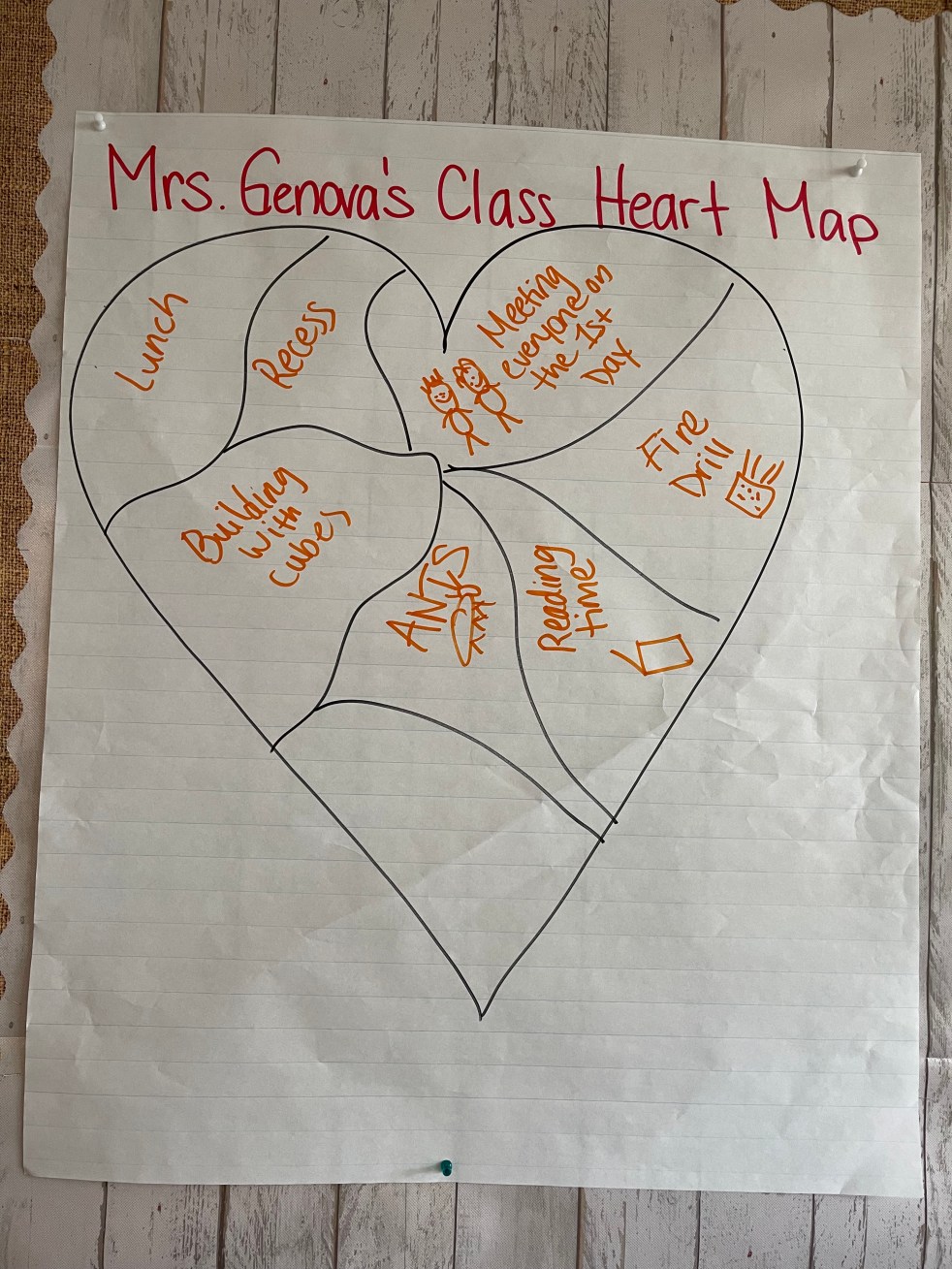
How does your writing workshop foster a sense of community in your classroom?

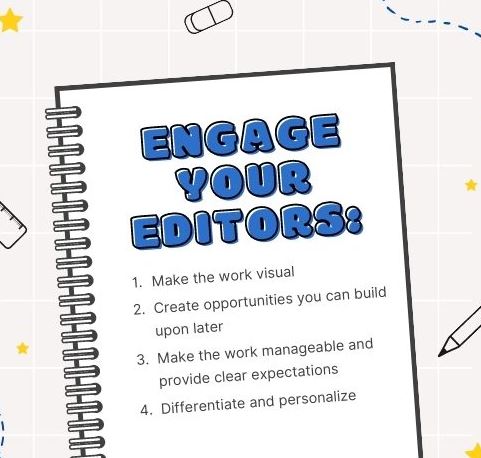
A Few Ideas for Engaging Reluctant Editors
Do you have writers who are reluctant to edit (or avoid it altogether)? Here are three approaches to make this part of the writing process more manageable for writers of all ages and abilities.
Share this:

Share this:

It’s Tuesday! Welcome to Slice of Life with #TWTBlog
It's Tuesday! That means it's time to write, share, and enjoy the work of others. Craft your slice, drop a link in the comments, and respond to at least three other Slicers' posts. While you're at it, enjoy this inspiration from Garth Greenwell, author of Cleanness: "To write a story or a poem or an essay is to make a claim about what we find beautiful, about what moves us, to reveal a vision of the world, which is always terrifying; to write seriously is to find ourselves always pressed against not just our technical but our moral limits."
Share this:

Share this:
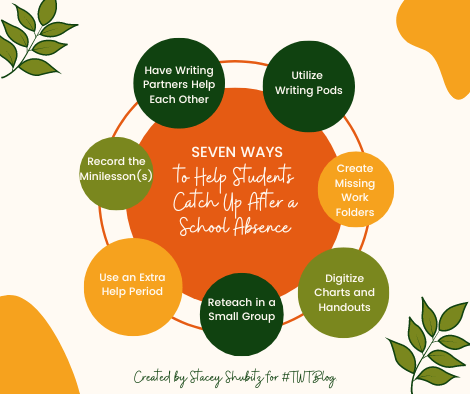
Seven Ways to Help Students Catch Up After a School Absence
Here are several possibilities to get students up to speed after being absent from school.
Share this:

Share this:
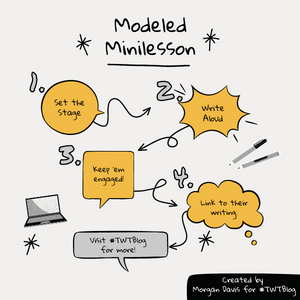
Active Engagement in Modeled Mini-Lessons
Want to ensure students are engaged as you model a particular strategy, craft, or technique? These four steps can help you do just that!
Share this:

Share this:
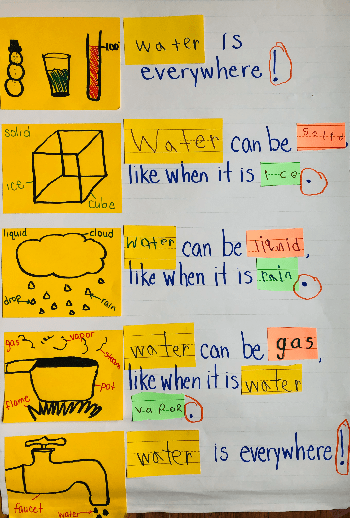
Step Up Interactive Writing (…And Sneak In More Spelling, Vocabulary, and Grammar)
As teachers, we know that when writers encode with ease, they are better able to focus on their ideas. Interactive writing is the perfect setting to build this competency.
Share this:

Share this:

Podcast Reflection and Excitement
In many ways, this learning experience has put me into the minds of young writers as they figure out how to create effective pieces of writing.
Share this:

Share this:
It’s Tuesday! Welcome to Slice of Life with #TWTBlog
It's Tuesday! Time to write, share, and give on #TWTBlog!
Share this:

Share this:
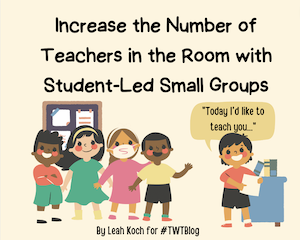
Increase the Number of Teachers in the Room with Student-Led Small Groups
An extra teacher is always a gift, especially when working with young authors. But what if we looked for teachers within those tiny writers?
Share this:

Share this:
Talking it Out: Oral Language as a Tool for Revision
It’s no secret that storytelling helps children develop a sense of story. It’s no secret that oral language supports kids who don’t yet have the mechanics of writing. And it’s no secret that storytelling and oral language allow students to compose writing in a low-risk, often fun way. What many don’t realize, however, is that oral language can support writing throughout the writing process, and that learners of all ages - through adulthood! - can benefit from bringing oral language into the picture. In this post, I’ll share a few activities that highlight the way oral language can strengthen writing instruction. Focused on later parts of the writing process, these activities support revision and feedback. I’ll explain each activity, tell you why I love it so much, and offer tips for adapting each one for different learners.
Share this:

Share this:

Seeing Problems as Opportunities
Problems during writing workshop can become opportunities to reflect on our instruction and work as a community to find solutions.
Share this:

Share this:
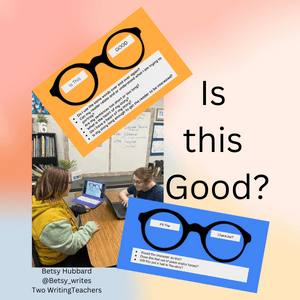
Revision at Work: Is This Good?
Do you ever hear the question, "Is this good?"

