Whole-class text studies are one of the most impactful ways to strengthen our reading-like-a-writer work with students.
Category: mentor texts

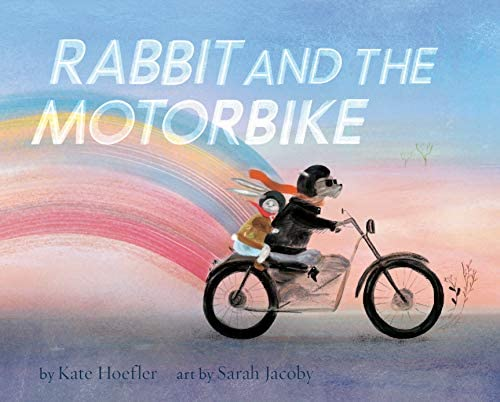
A Deep Dive Into One Spectacular Mentor Text
In this post, I’ll describe the ways I would use Rabbit and the Motorbike as a mentor text for instruction with writers in upper elementary grades through middle school. This is an example of the thinking work I do in advance of sharing a mentor text with students, anticipating what students might notice and planning for the questioning I will do to help them name those craft moves. My goal is always to get kids to the HOW, because that is the level of understanding they need to be able to try strategies out in their own writing.
Share this:

Share this:
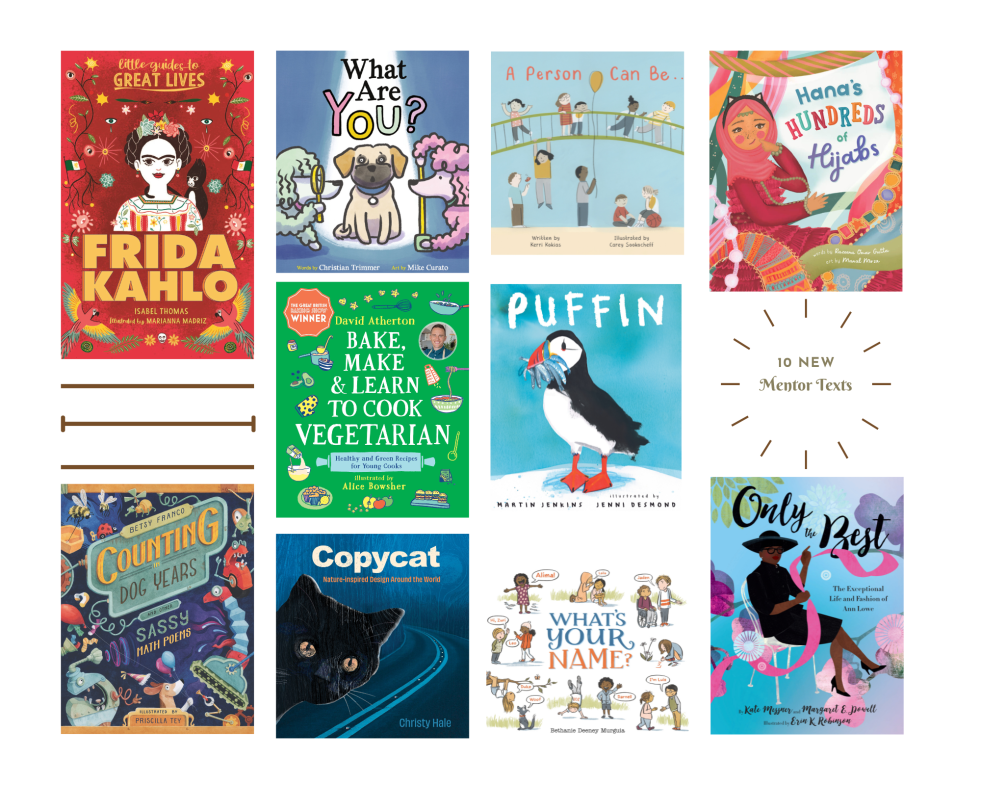
Tapping Into the Power of Some New Mentor Texts
Mentor texts are important co-teachers in the writing workshop! Here's an in-depth look at the mentor texts I talked about in a recent podcast. After you finish reading, be sure to leave a comment after on this post for a chance to win all ten of the featured books!
Share this:

Share this:

A Small Group in Action: Elaboration Strategies, Here We Come!
Having walked around a classroom of fourth-grade writers yesterday, I had pinpointed four writers who were all ready to think about elaboration strategies. This post describes the first session of a few to inspire these fourth-grade writers to use more elaboration strategies.
Share this:

Share this:
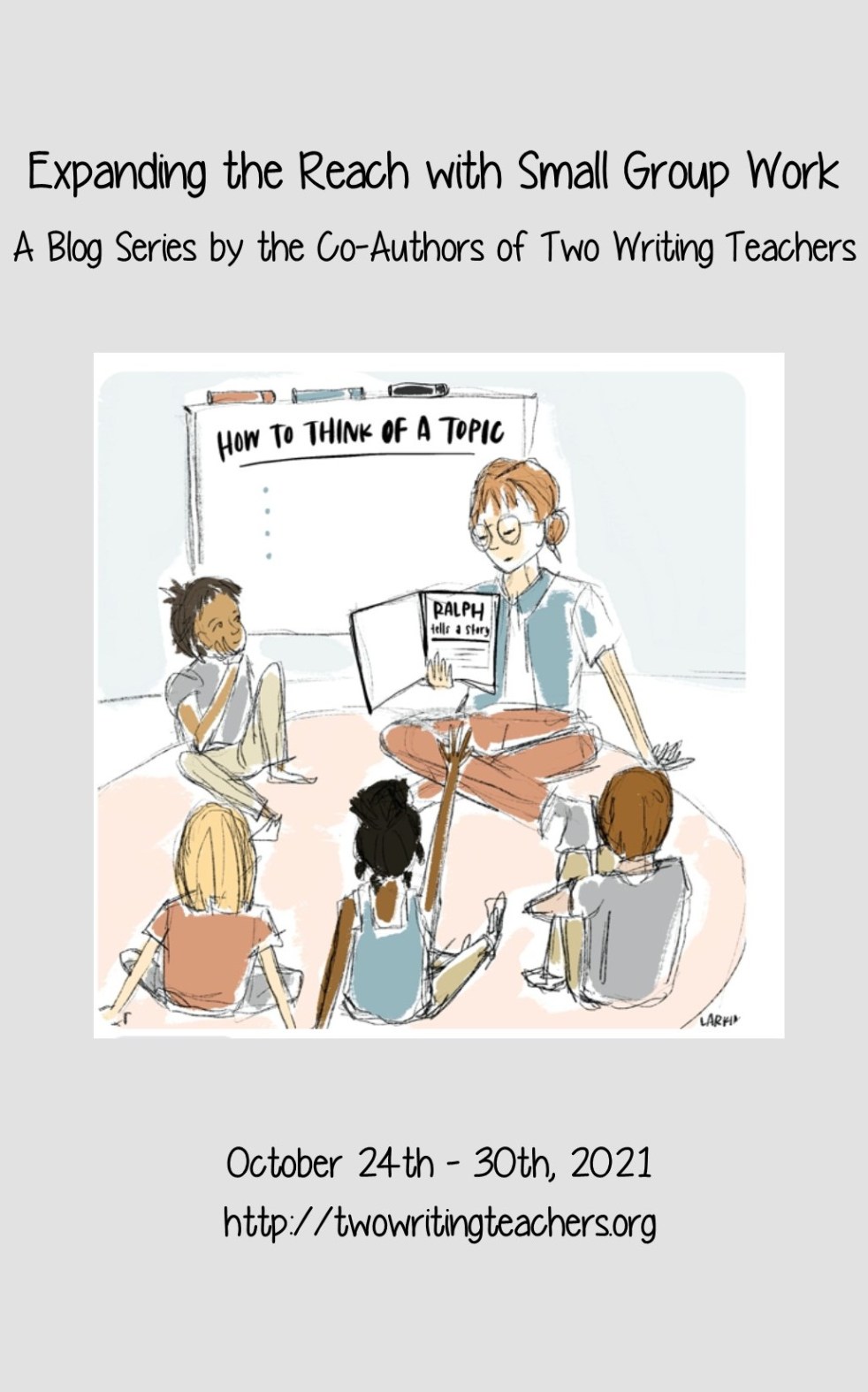
A Few Tips for Small Group Instruction: Expanding the Reach With Small Group Work
Small group instruction is one of the most powerful ways to differentiate instruction while offering opportunities for collaboration and connections between students. Here are some tips to increase the leverage and impact of your writing instruction.
Share this:

Share this:

5 Kinds of Nonfiction: Review + Giveaway
Get ready to add many amazing nonfiction picture books to your TBR list! 5 Kinds of Nonfiction, by Melissa Stewart and Marlene Correia, is THE professional text you need to learn more about the different types of nonfiction and how to enrich your writing lessons through nonfiction mentor texts! Be sure to comment for a chance to win your own copy of 5 Kinds of Nonfiction.
Share this:

Share this:
Mining Your Writing for Mentor Texts
My March 2021 SOLSC blog posts can be used as mentor texts as my class embarks on the April 2021 Classroom SOLSC! Read on for more details about using your own writing as mentor texts for your students.
Share this:

Share this:
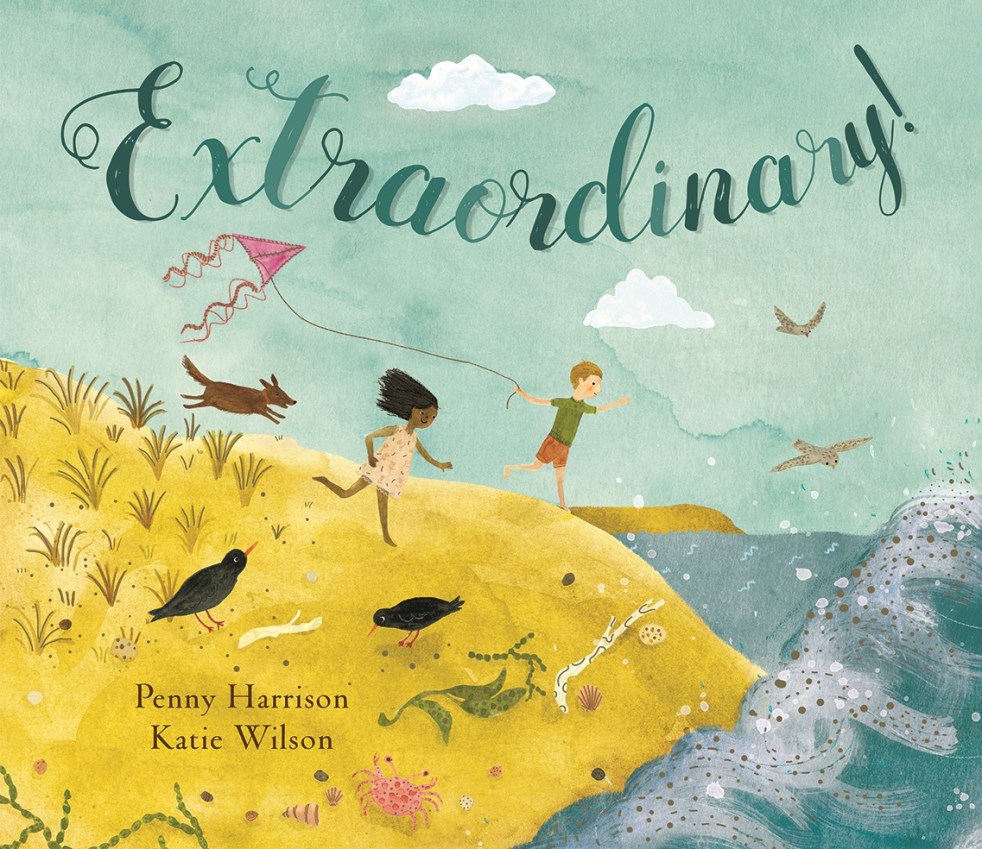
An Extraordinary Way to Inspire Writing About Ordinary Moments
Whether you're about to embark on the 9th Annual Classroom Slice of Life Story Challenge or you're about to begin a unit on poetry where you want to encourage students to capture the beauty of their ordinary lives in verse, consider using Extraordinary! as a mentor text. Leave a comment on this blog post for a chance to win a copy of Extraordinary!
Share this:

Share this:

Blogging to Build a Writing Habit
Preparing for a presentation on how blogging can help you build a writing habit, I've been reflecting on the power of blogging. The rewards are many. How has blogging shaped your life?
Share this:

Share this:
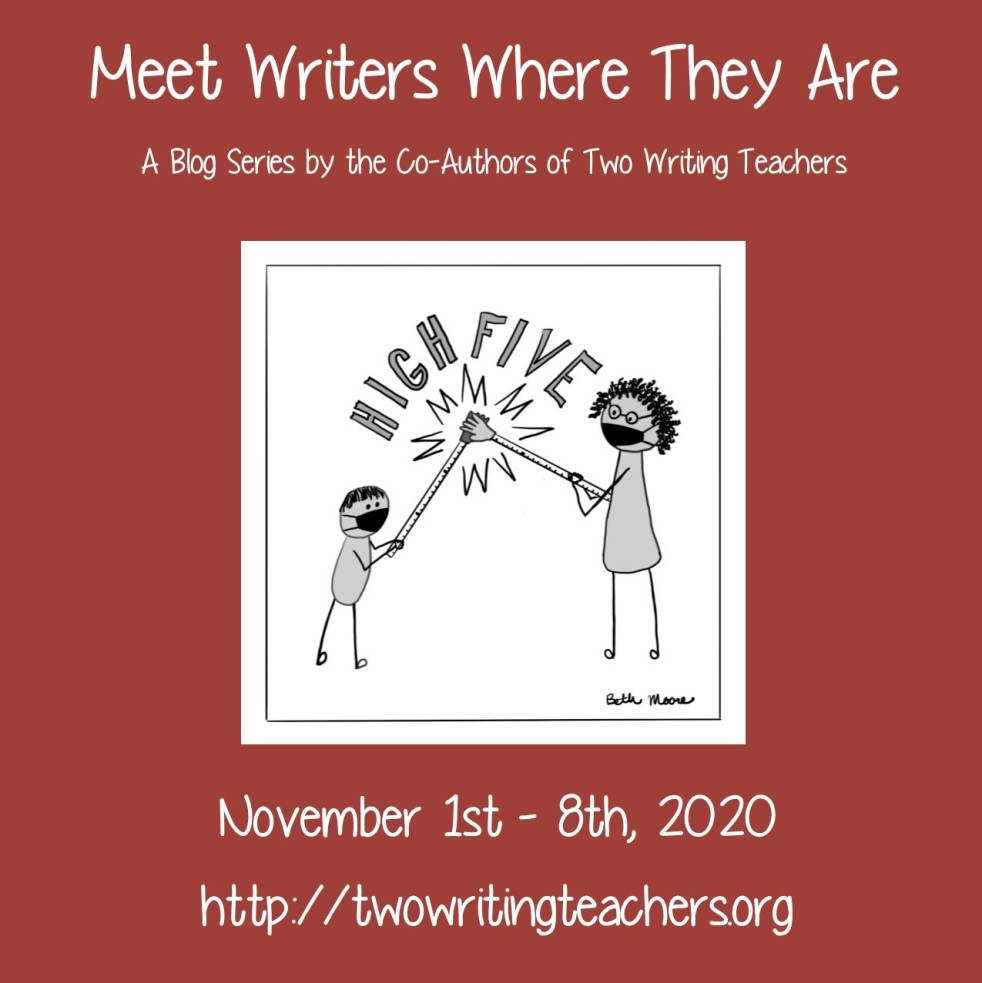
Imagination Bait: Meet (and Hook) Advanced Writers Where They Are
My strategy for meeting the needs of advanced writers: personalization. Strategic, pre-planned opportunities, set like a vision trap to capture the imagination of each writer. Once caught, these writers can be reeled in to a level of complexity they had no idea they were ready (and willing) to try.
Share this:

Share this:
Resources Teachers Can Share With Families: How To Use A Mentor Text At Home
In the midst of pandemic-teaching, I know it can be hard to find the time to create resources, not only for your students, but for the adults in their lives as well. My hope is that this post and others can help you with that.
Share this:

Share this:

Expanding Vocabulary and Use of Transitions in Students’ Writing
The work of Elfrieda (Freddy) Hiebert, professor and founder of textproject.org, explains further that “lists do not help our kids retain or expand their word knowledge. Students need networks of words that are grounded in ideas.”

