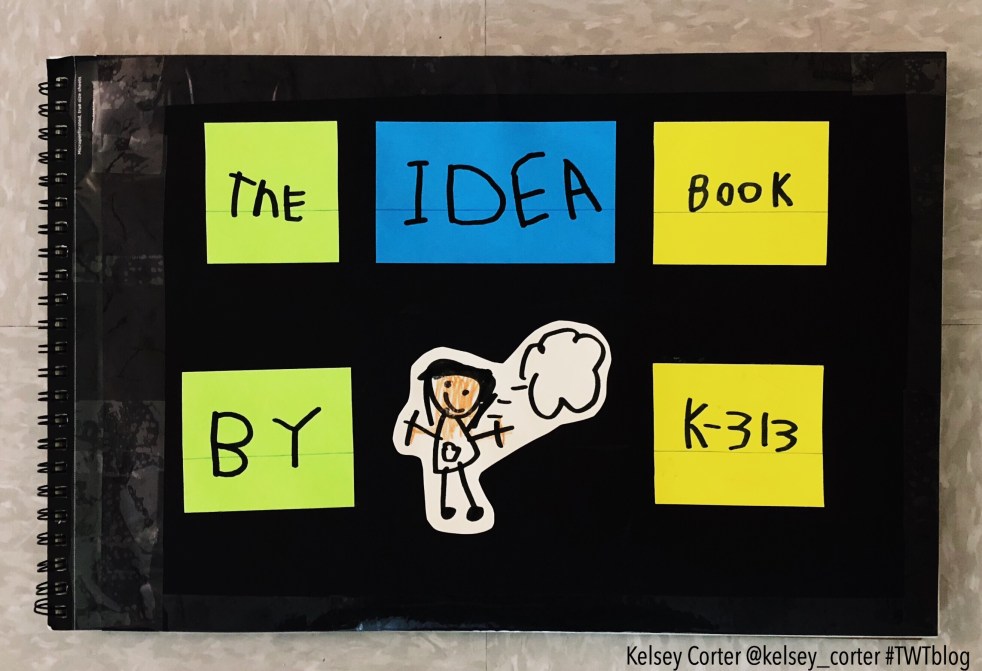
It's never too early to instill writerly habits. A class idea book will inspire kids to collect seeds for writing everywhere they go (and much, much more!).
Category: writing workshop


SOL (and Election) Tuesday
Somehow, I'm guessing that this community is not one that needs reminders to vote, but maybe we all need inspiration and energy to encourage everyone around us to get to the polls today. During a time when it's hard to know where to begin to take action, voting matters more than ever. And now on… Continue reading SOL (and Election) Tuesday
Share this:

Share this:
Whose Notebook is it Anyway? Notebooks as a Writer’s Tool
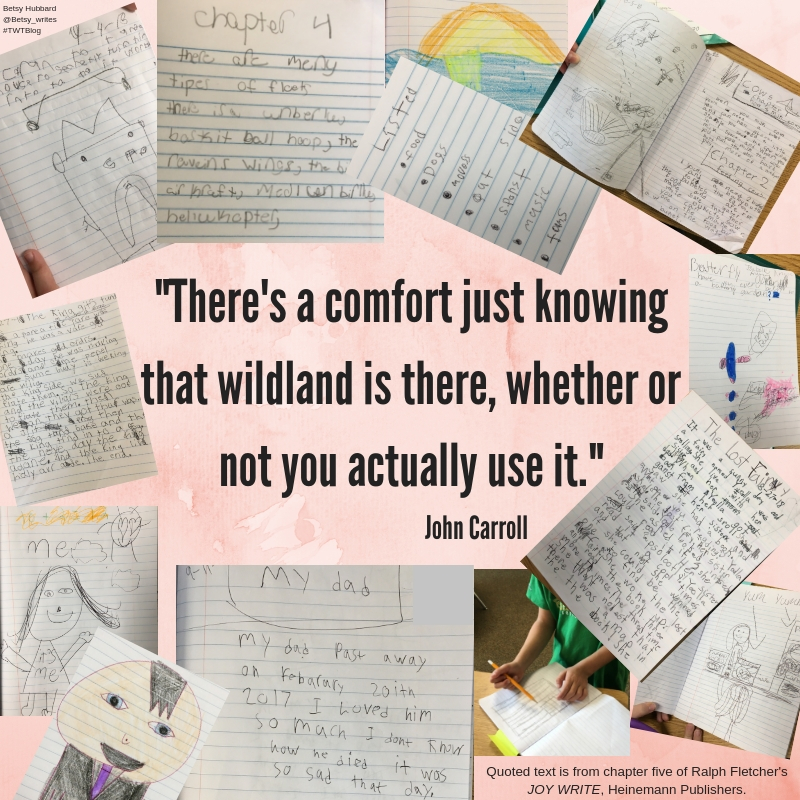
Encouraging engagement with notebooks means we may need to get out of the way. The notebook should always feel like it belongs to the writer.
Share this:

Share this:

Overview: Notebooks as a Writer’s Tool Blog Series
Though the topic of this series is notebooks, the spotlight of each of our posts shines on writers. Our goal is to foster the kind of writers who, at any age, habitually collect ideas. Writer’s notebooks can most certainly become a powerful tool for this.
Share this:

Share this:
A License to Write: Giving Ownership to the Writer
I am a writer and a teacher of writing. I have experienced the pivotal role ownership has on my writing and my willingness to write. As teachers of writing, we have the opportunity to give the students in our classrooms the license of ownership over their writing.
Share this:

Share this:

The Writing Process for Perfectionists
To put it simply, the writing process can be excruciating for our perfectionists. If we aren’t careful, we can unintentionally curb the enthusiasm of a writer who leans toward perfection.
Share this:

Share this:
Thoughtful Third Grader: Building Relationships Through Writing
Making some time and space in the day to celebrate a student each week has enriched my class as readers, writers, and human beings. How do you use writing to lift up the students in your class?
Share this:

Share this:
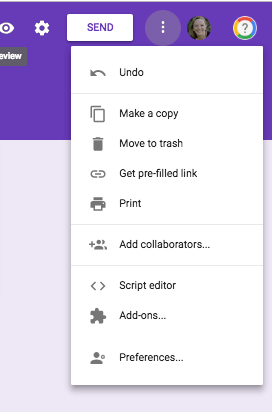
Continuing to Think About Google Forms
I am so grateful to have this resource available to me as an educator at no cost. Maybe someday, I'll get to thank whoever is behind the Google Curtain in person. In the meantime, I'll share what's been working and I'll look forward to hearing about how some of you end up doing it even better!
Share this:

Share this:

Exposing, Sharing, & Connecting: Helping Writers See Why We Write
When we know the purpose or the why in our work we work intentionally. As teachers, knowing our writers are working with intention allows us to trust the students. With trust, we can step back and allow students to make the decisions about their writing.
Share this:

Share this:

Synthesizing: The Step Between Research and Writing
Synthesizing is that step we can't skip when teaching our writers to craft research writing. It is within the wait time between the research and the writing that students gain their best understandings. Here are five strategies to help your writers fill that wait time with meaningful ways to get their gears in motion in a mixing of new thinking.
Share this:

Share this:

Out of the Classroom and Into the World: Workshop by Katherine Schulten
What are the educational issues calling your name? How can you use writing to share about your teaching experiences? A Long Island Writing Project workshop, facilitated by Katherine Schulten, inspired me to keep sharing my teaching stories.
Share this:

Share this:

Seven Realities of Launching Workshop in Kindergarten
This week, I welcome Katie Bristol as a guest blogger. Katie teaches kindergarten in Simsbury, CT, and she is my go-to person whenever I have a question about the youngest members of our school community. While her post may seem specific to kindergarten, her insights are important to educators who work in all grades. Follow Katie on twitter @bristol_katie.

