
Math and writing may seem like separate worlds, but they share a common goal: clear communication of thinking. This post explores how applying familiar writing strategies—like shared writing and oral rehearsal—can help young students express their mathematical reasoning with confidence and clarity.
Category: coaching

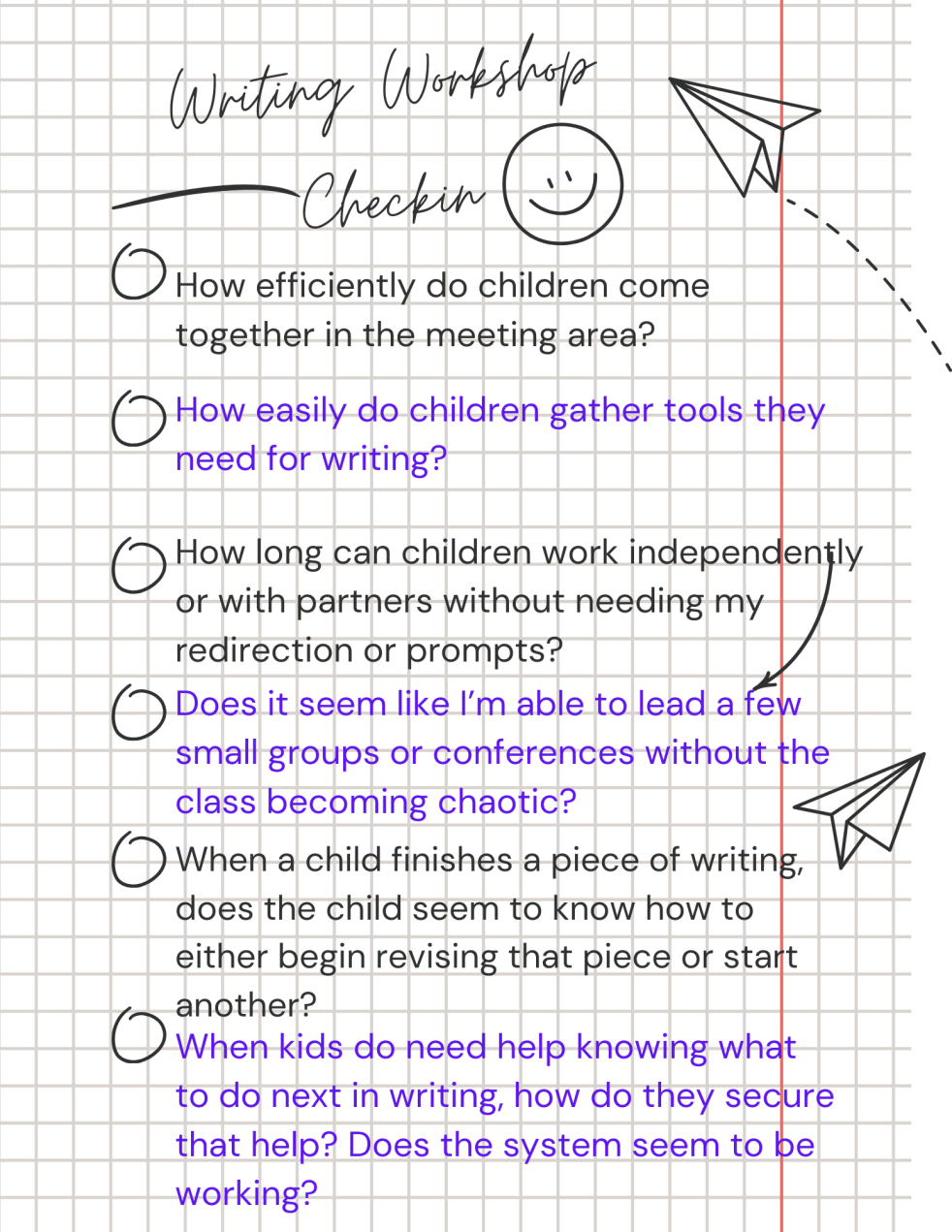
Back To Basics: Maximizing The Architecture of a Mini-Lesson to Foster Independence and Agency
Focusing on the architecture of a mini-lesson has led to powerful coaching conversations and immediate classroom impact.
Share this:

Share this:
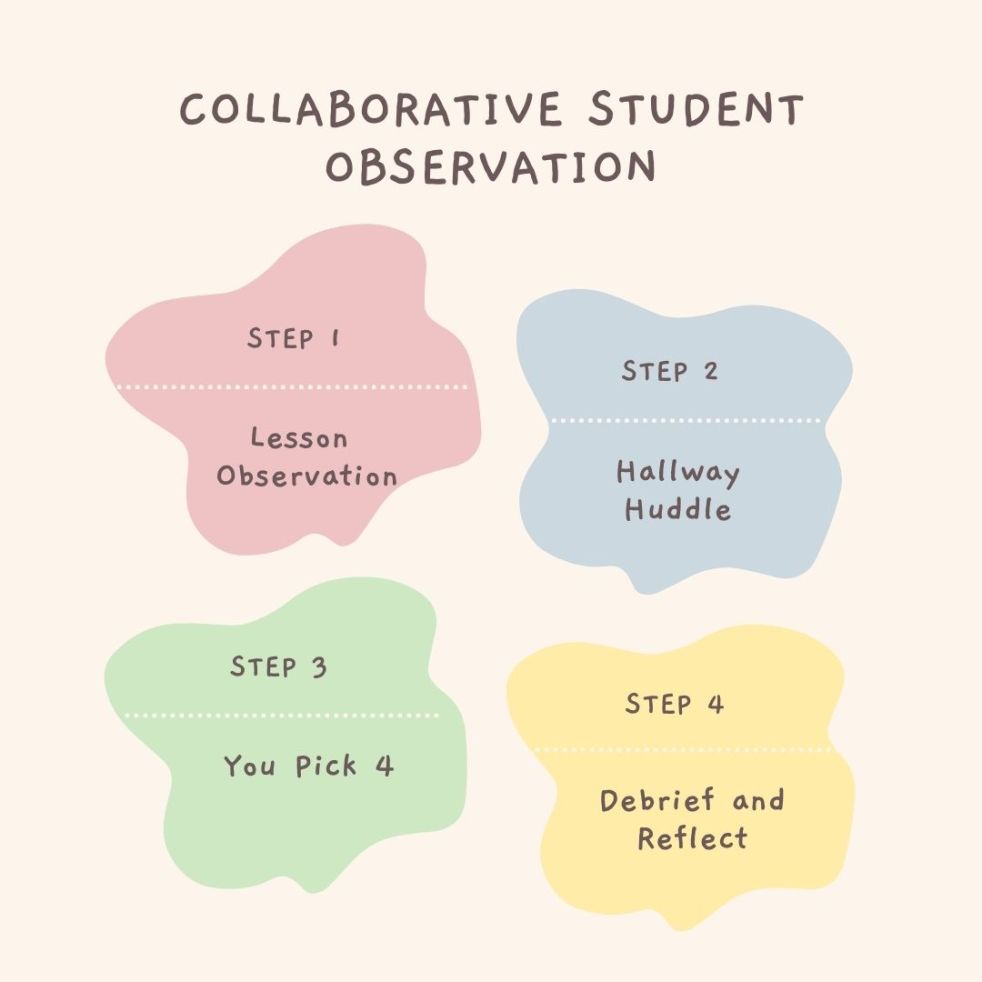
Coach-to-Coach: The Power of Collaborative Student Observation
At the start of the school year, K/1 coaches collaborated with first-grade teachers to enhance writing instruction by observing second-grade classes. They identified key skills for student readiness and emphasized data collection. The successful observation process fostered understanding of skill progression and led to plans for future observations to reinforce teaching continuity across grades.
Share this:

Share this:

Writing Cheerleader: A Ready-To-Go Tip
Today’s post from Terje Äkke invites you to think about an inner writing cheerleader and offers a way to play with this idea with young writers.
Share this:

Share this:
Wrapping Up a Year (or years) of Literacy Coaching
As a literacy coach, I always have a few of the same things on my end-of-the-year to-do list -- plus a few new ones this year.
Share this:

Share this:

Coaching à la Carte: Stronger Together Blog Series
In this post I’ve curated some quick coaching possibilities: coaching à la carte, if you will. Each offering on this menu has the potential to have an immediate impact on student learning in the workshop with a minimal time commitment from teachers. It might not be the gold standard, four-course meal of a coaching cycle, but each option is designed to nourish and energize teacher(s), students, and coaches with a quick burst of collaboration.
Share this:

Share this:

My Top Three Coaching Tools: Planning for Small Groups
Today on the blog, Jessica Carey shares three go-to coaching tools that all support planning for small groups.
Share this:

Share this:
Teachers Supporting Teachers – Some Ideas for Literacy Coaches and School Leaders
This year, my coaching partner, Vicki, and I are trying out a new model for our coaching.
Share this:

Share this:
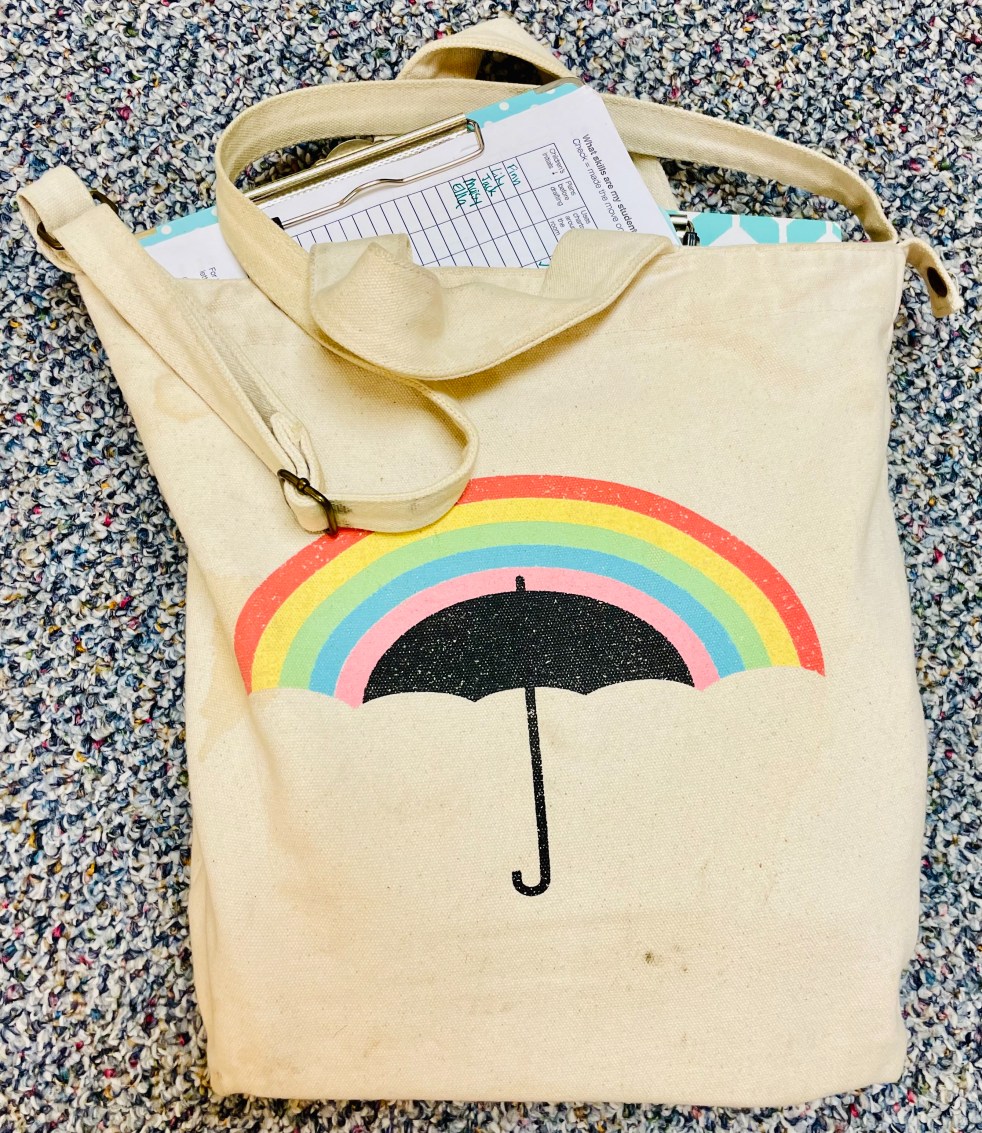
My Conferring Toolkit: Our Favorite Things Blog Series
In this post, I'll share everything that's inside my conferring toolkit for writing workshop, as well as how I organize it all.
Share this:

Share this:

Building Each Other Up, Cheering Each Other On
THIS is what teachers need right now. This is my work as a coach, and this is what we can all do for each other in this challenging time.
Share this:

Share this:
Literacy Coaches: Thinking Ahead to May & June — Already?!
Here are three things I'm working on, right now, in the first week of February.
Share this:

Share this:

Thinking Big About Writing
The writing work in our building is transforming, and it is exciting to be a part of the change, to witness the impact on kids as we make our workshops increasingly authentic and compelling. We are constantly reflecting on what’s working—what’s leading to measurable shifts in how we plan for writing (and how kids experience writing)—as well as where we might be getting stuck: places there is genuine motivation to transform the task, and yet, our best intentions are still missing the mark in some significant way.

