

Today is a Voices From the Community post, written by Logan Beth Fisher. She writes, "Writing workshop is the perfect time of the day in which to create opportunities for students to truly do a deep dive into their identities. The more chances a child has to examine the things that make them who they are, the greater the chance that they will broaden their capacity to generate ideas in which to write. Like any other good writing unit, educators can rely on mentor texts to help model not only the craft of writing but will also offer ways in which students can consider their own identities based on the theme or subject of the text."
Author: guestteacher

Easy Ways to Create a Healthy Ergonomic Set Up for Your At-Home Learner
For years, therapists have known that body positioning to increase attention and upper extremity stability is important. But those strategies have focused on children that have been seen by therapists in classrooms and clinics to address decreased attention span, core stability, and handwriting concerns. Today, Karen Reale, an occupational therapist, provides tips and tricks that can be applicable to any child who is learning in a classroom, hybrid setting, or at home this fall. This quick, informative post will help teachers educate caregivers on the importance of healthy positioning at home or wherever their child does their schoolwork.
Share this:

Share this:
Providing Tools for Writing and Sharing Writing Through the Pandemic
Calling all primary writing teachers. Today Janet Ahn shares how she worked with her Kindergarteners to continue thrive in writing workshop through the pandemic. These young scholars continued to draft pieces, engage in conferring, collaborate to mark up mentor texts, and publish their writing through online platforms. Their dedication to continuing the writing workshop virtually was a reflection of how they truly saw themselves as writers.
Share this:

Share this:
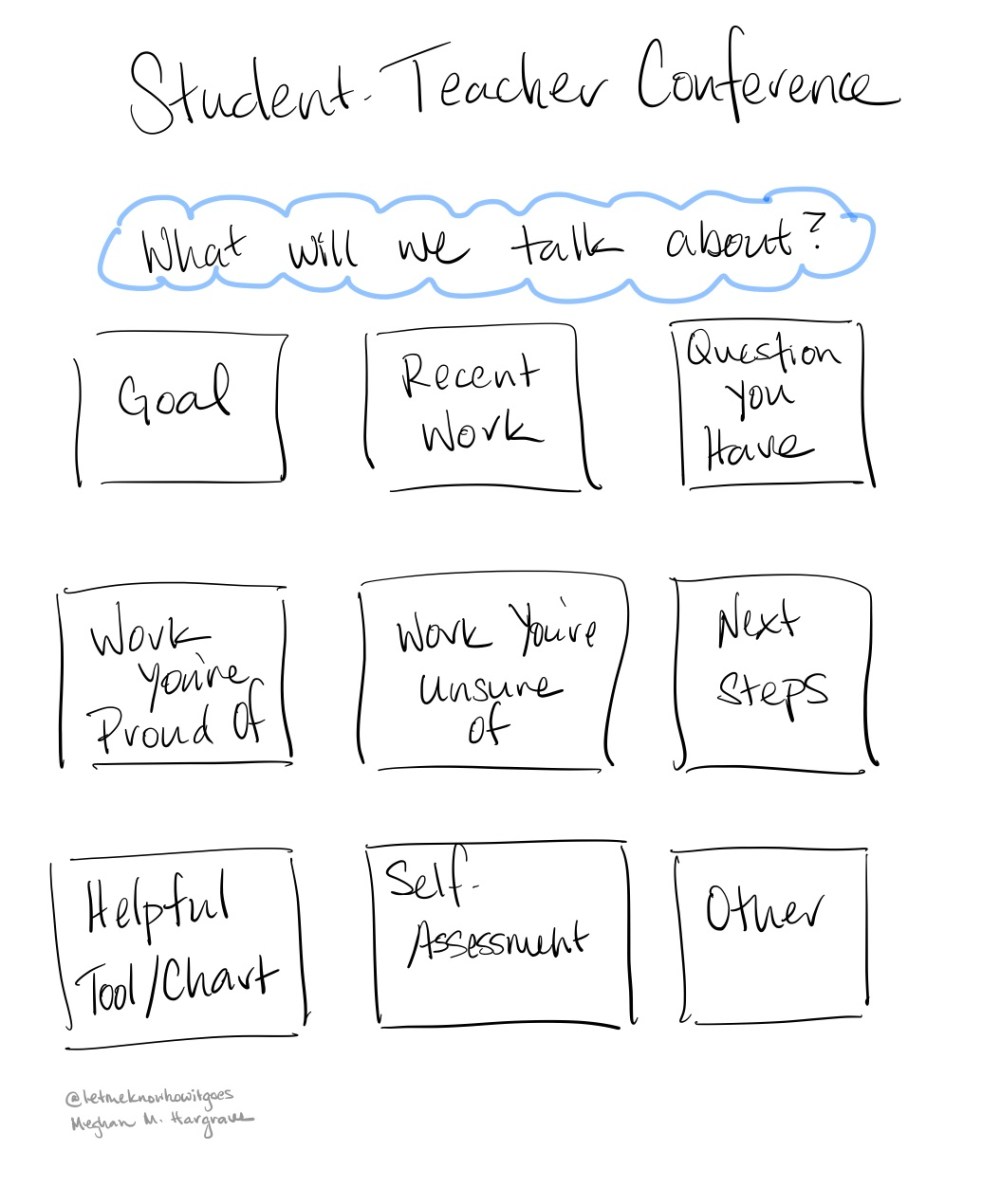
Taking a Little Dip Back into Tried and True Teaching: Simple Ways to Embrace the Writing Conference During Virtual Learning
When the world of education suddenly shifted, so did our teaching practices. Some of us might be ready to start bringing back some of the teaching structures we replied on in the classroom. This will offer some quick practical ways we might bring back parts of the traditional writing conference during virtual learning.
Share this:

Share this:
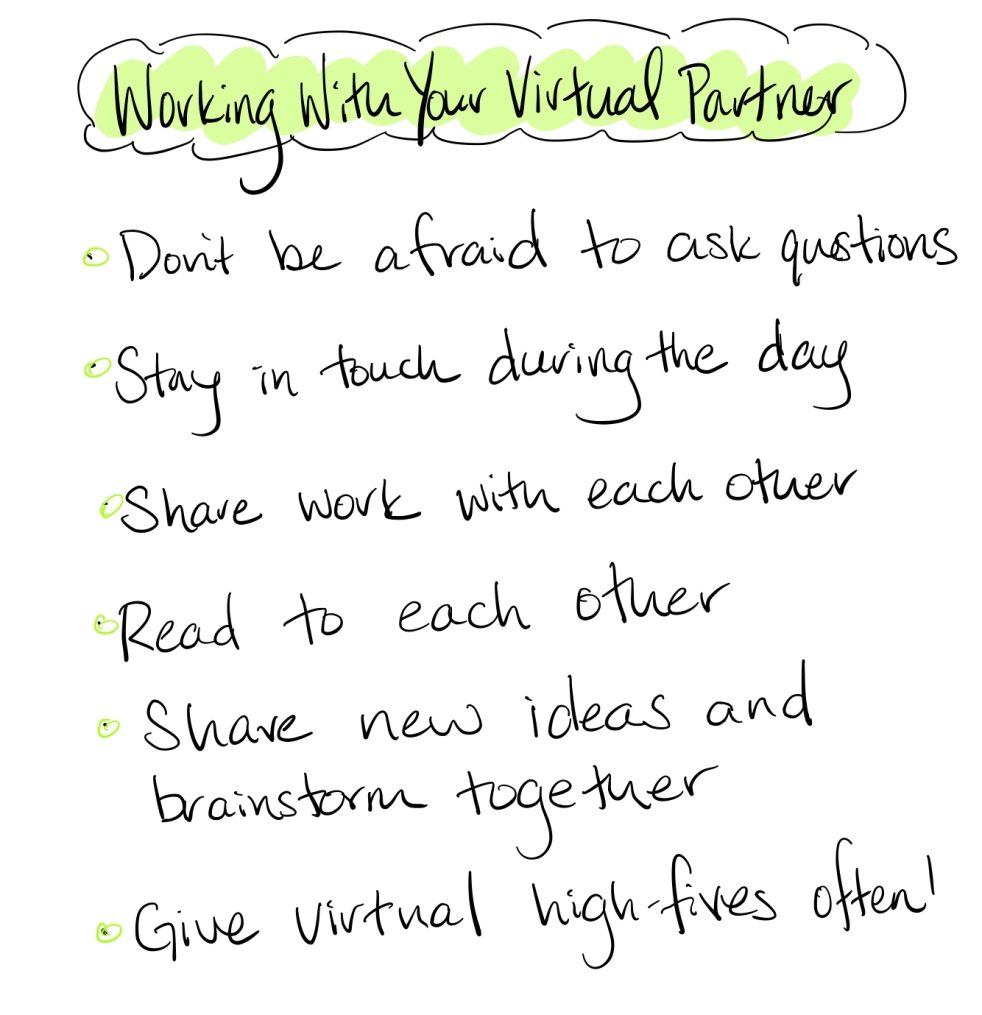
Rethinking Materials, Routines, and Collaboration: What Does Independence and Interdependence Look Like From Home?
Our teaching worlds have been turned upside down. For many of us, every system and structure we’ve had in place for planning, teaching and learning has changed over the past few days. As you find our groove in the new reality, here are some practical suggestions that will help bring the many comforts of your classroom home.
Share this:

Share this:
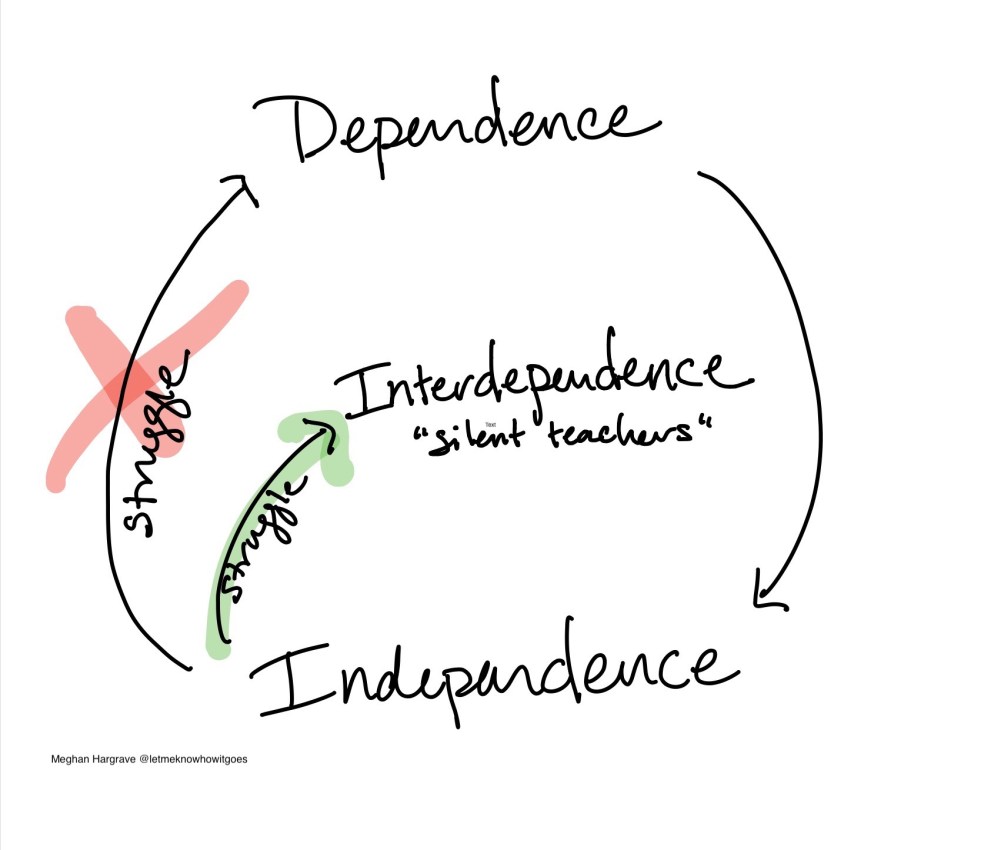
The Power of Silent Teachers: Helping Writers Increase Productivity and Build Independence Through Interdependence with Tools in the Classroom
We give our writers a lot of stuff. Their folders are full of charts, worksheets and examples meant to be helpful for independent writing, but are students using these tools to their fullest capacity? Are writers waiting for us to say “get out ___” or “look at ____”? This post will give you some practical ideas for how to help students achieve interdependence and utilize the silent teachers in the classroom to their fullest capacity.
Share this:

Share this:
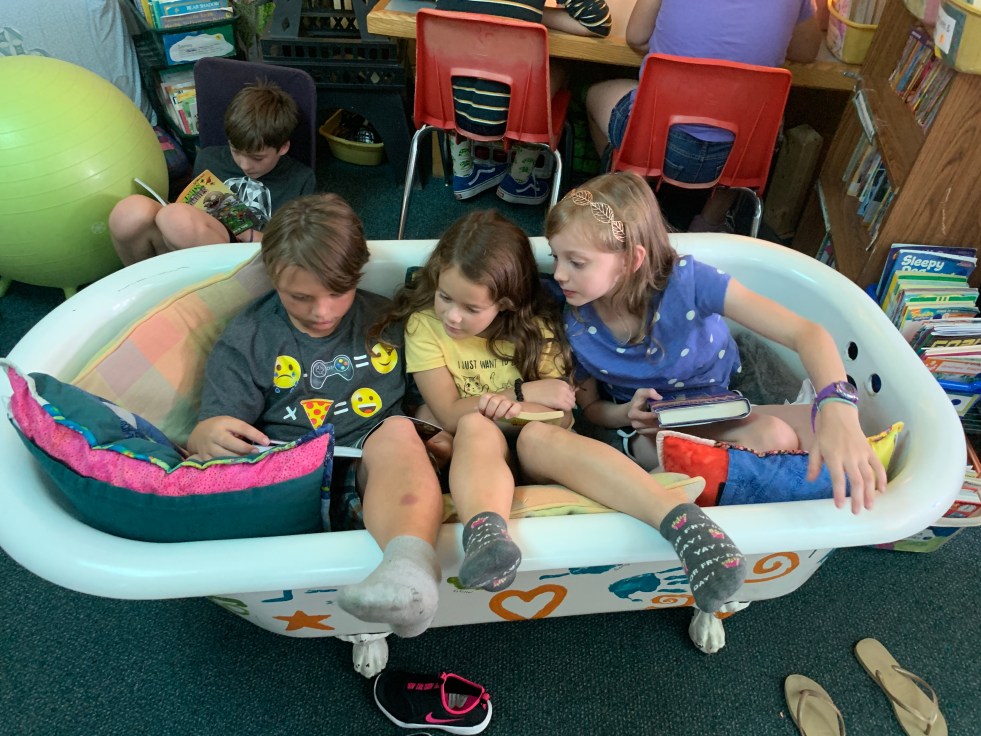
Creating Comfortable Inviting Spaces For Our Readers And Writers
Creating a space that offers flexible seating options is a conscious act of kindness that students feel. We want our classrooms to invite children both physically and emotionally to dive into their important work as readers and writers.
Share this:

Share this:

Communicating Clear Expectations for Writing Workshop
Words, time, language. All of these factors can be challenges when communicating efficiently and effectively with families. When in doubt, turn to creating a short video to communicate clear and concise expectations.
Share this:

Share this:
Finding Interdisciplinary Opportunities in Writing Workshop
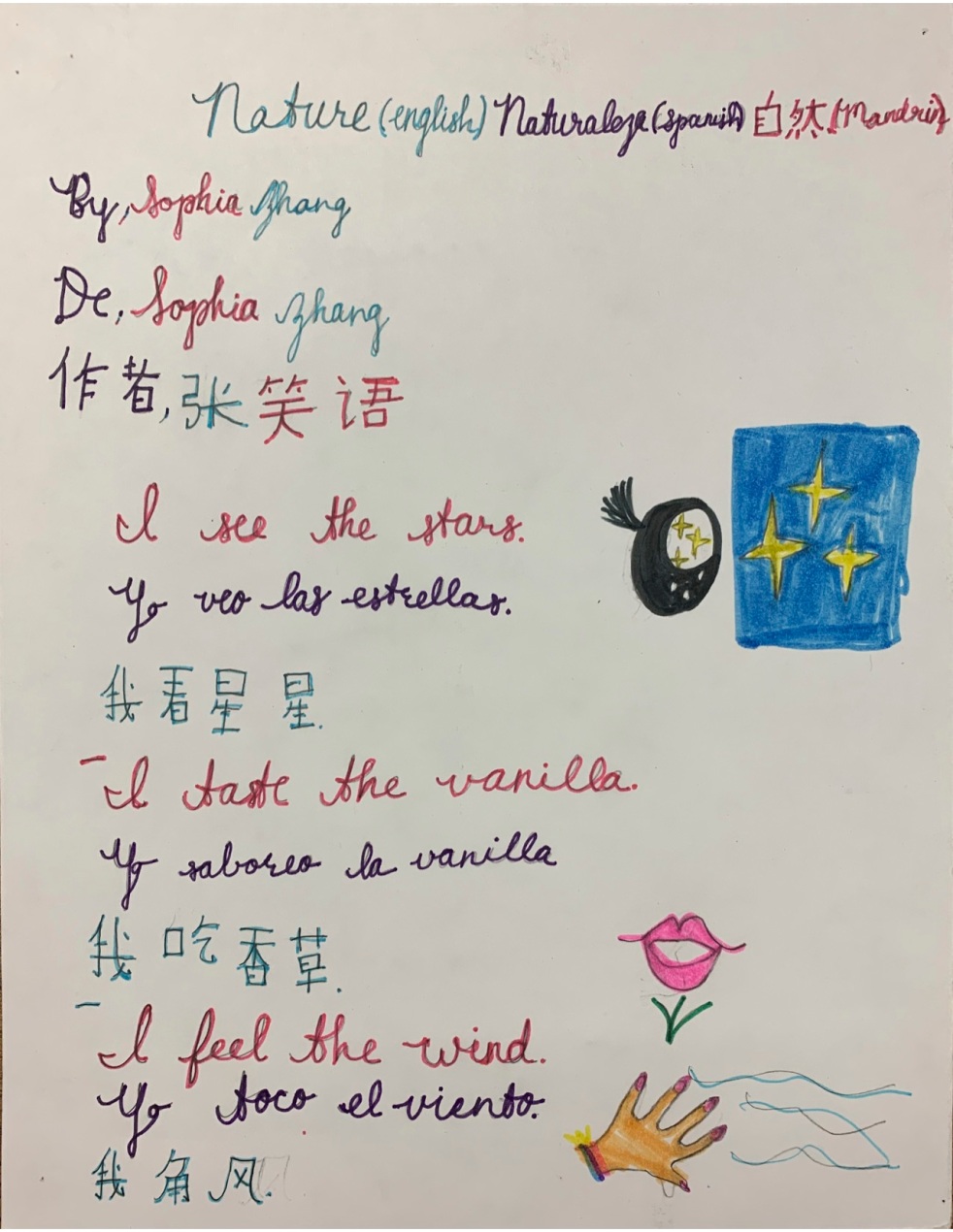
What happens when the next unit in third grade writing workshop is poetry and the classroom teacher stumbles across an anthology of bilingual poetry? This post describes how a third-grade homeroom teacher and a Spanish teacher collaborated to implement an interdisciplinary, bilingual poetry unit.
Share this:

Share this:

Seven Realities of Launching Workshop in Kindergarten
This week, I welcome Katie Bristol as a guest blogger. Katie teaches kindergarten in Simsbury, CT, and she is my go-to person whenever I have a question about the youngest members of our school community. While her post may seem specific to kindergarten, her insights are important to educators who work in all grades. Follow Katie on twitter @bristol_katie.
Share this:

Share this:
My Five Favorite Share Sessions by @MermelsteinLeah
Share sessions in the writing workshop can be downright frustrating! Whether it’s the same kids sharing day after day or every kid begging to share every day, many teachers have confided in me that share sessions are often the most neglected part of their writing workshop.
Share this:

Share this:

Engaging High School Students in Writing — A Guest Blog Post by the #BowTieBoys
Ryan Hur, Tam Mandanis, Kellen Pluntke, Rishi Singh, Christian Sporre, and Dawson Unger are six of the Bow Tie Boys who are a group of high school students from Northern Virginia. Today they take on the topic of student engagement in secondary writing classes.

