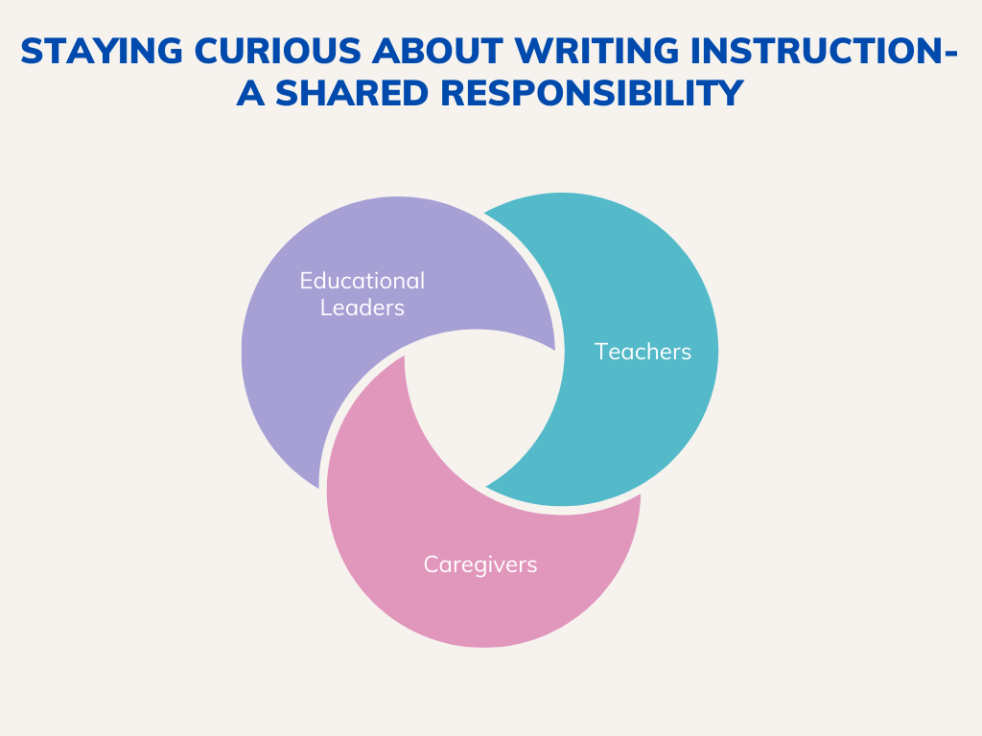
Flipping through her daughters’ schoolwork, Jessica Carey mourned the loss of the full, messy writing notebooks she used to treasure. In this post, she shares why writing still matters and how we can each play a role in keeping it alive for kids.
Category: accessibility

Writing and Working Memory: Reflective Practice
Brush up your understanding of how working memory functions within the brains of your writers.
Share this:

Share this:
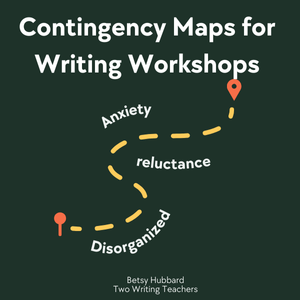
Contingency Maps for Writing Workshops
Students who struggle with executive function deficits are in every classroom. Here is a strategy and visual tool that may help and inspire problem solving within your writing workshop.
Share this:

Share this:
TWT Help Desk: What if They Say, “I Don’t Write?”
Be ready for the students who challenge you at every turn. We often learn more about how to teach writers when we work with students who face the most significant writing obstacles.
Share this:

Share this:
Executive Function’s Role: Build Your Expertise
Executive function is a topic educators are hearing more and more. Dig into what the research says and how to use effective strategies to support the writers in your classroom.
Share this:

Share this:

Instruction for Striving Writers: From the Archives
Writing is not just a fundamental skill; it's a gateway to self-expression, creativity, and academic success. However, the standard approach to instruction may only sometimes be enough for students who struggle with writing. To help these aspiring writers in grades K-6, I'm sharing a collection of past TWT blog posts that provide practical techniques for educators to meet their students' diverse needs.
Share this:

Share this:
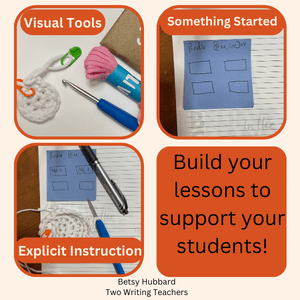
From Woobles to Workshop: Building Accessible Lessons
Learning to crochet this summer helped me revisit my teaching practices when introducing new skills. Try out these three tips to get the most out of each lesson.
Share this:

Share this:
Accommodating the Workshop: From the Archives
Visit these archive posts aimed toward accessibility for all.
Share this:

Share this:
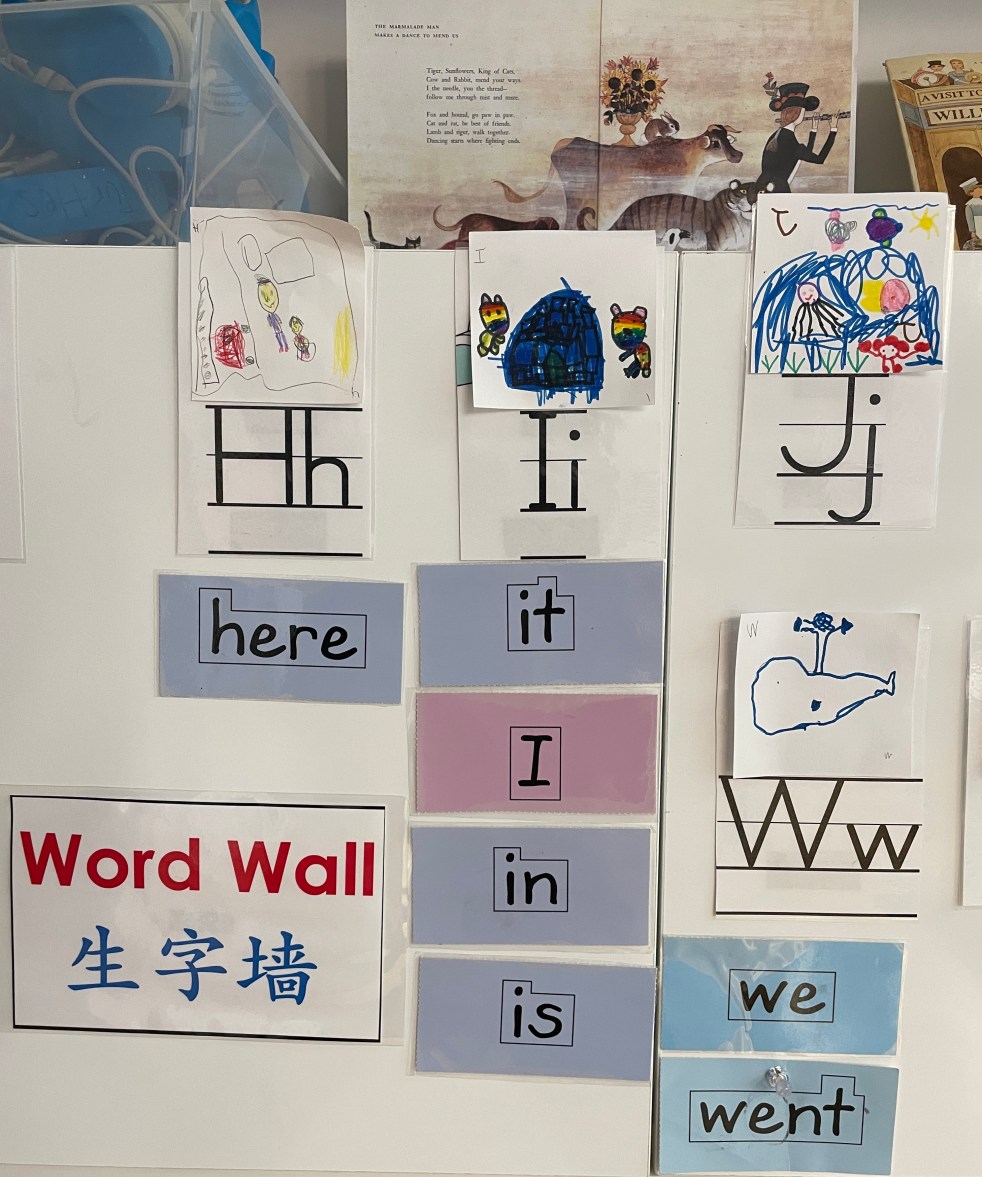
Tools and Resources That Support Student Agency in the Kindergarten Writing Workshop: Amping Up Agency Blog Series
You've probably heard a young child say, "I can do it all by myself!" in one breath, and then in the next breath they are asking you for help. As children make sense of the world and learn how to do more things for themselves, they crave structure and support from adults. Providing children with a variety of tools and resources and teaching them how and when to use them, supports students in developing a sense of "big kid-ness" and agency over their own writing.
Share this:

Share this:
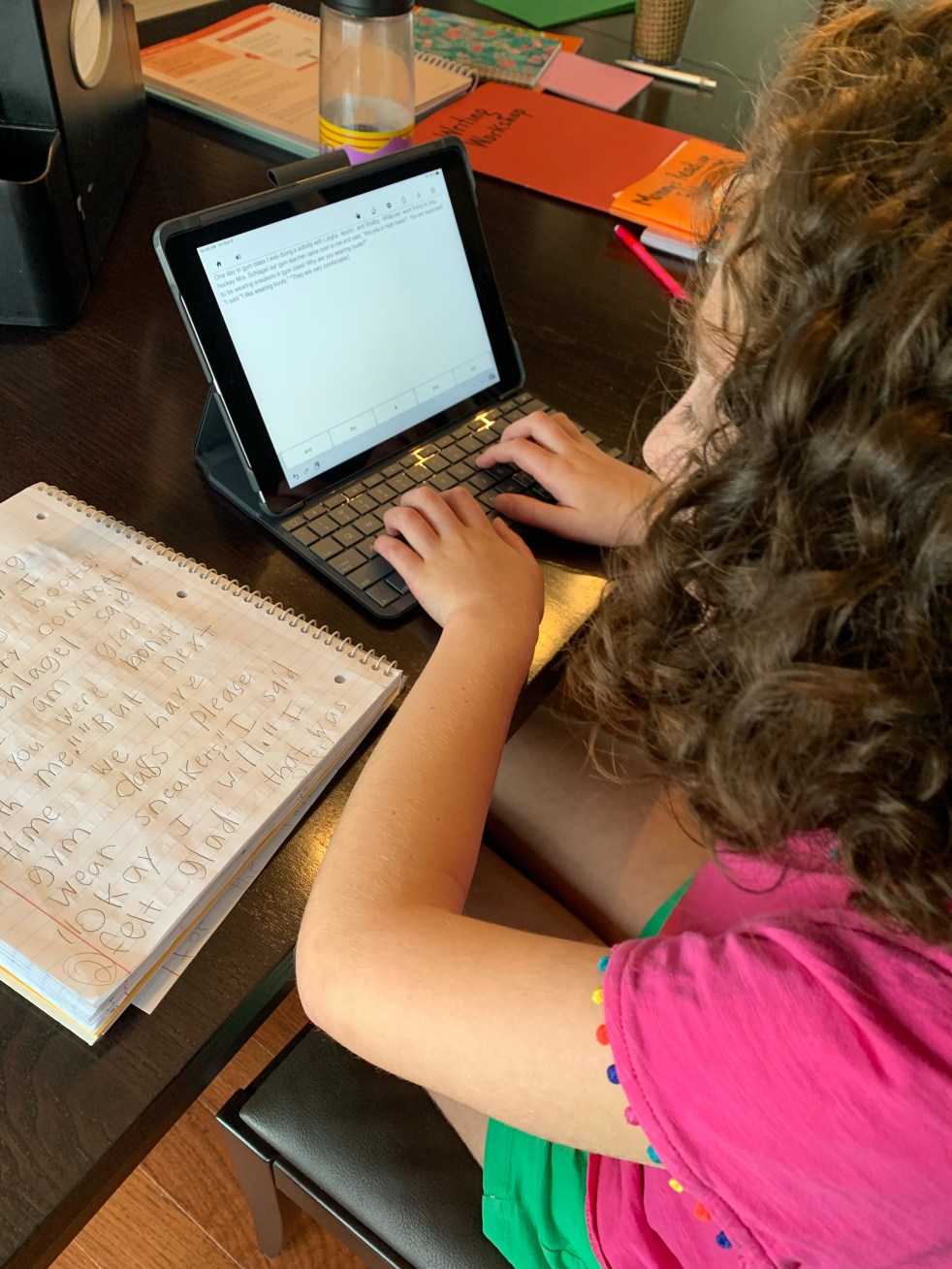
Co:Writer
Learn more about a word prediction tool that can assist writers with Dyslexia as they draft, revise, and edit their writing.
Share this:

Share this:
Writing on the Walls
What we place on the walls of a classroom tells students, or any other person who enters the room, what is valued most, and what we should value most in our classrooms is student work.
Share this:

Share this:
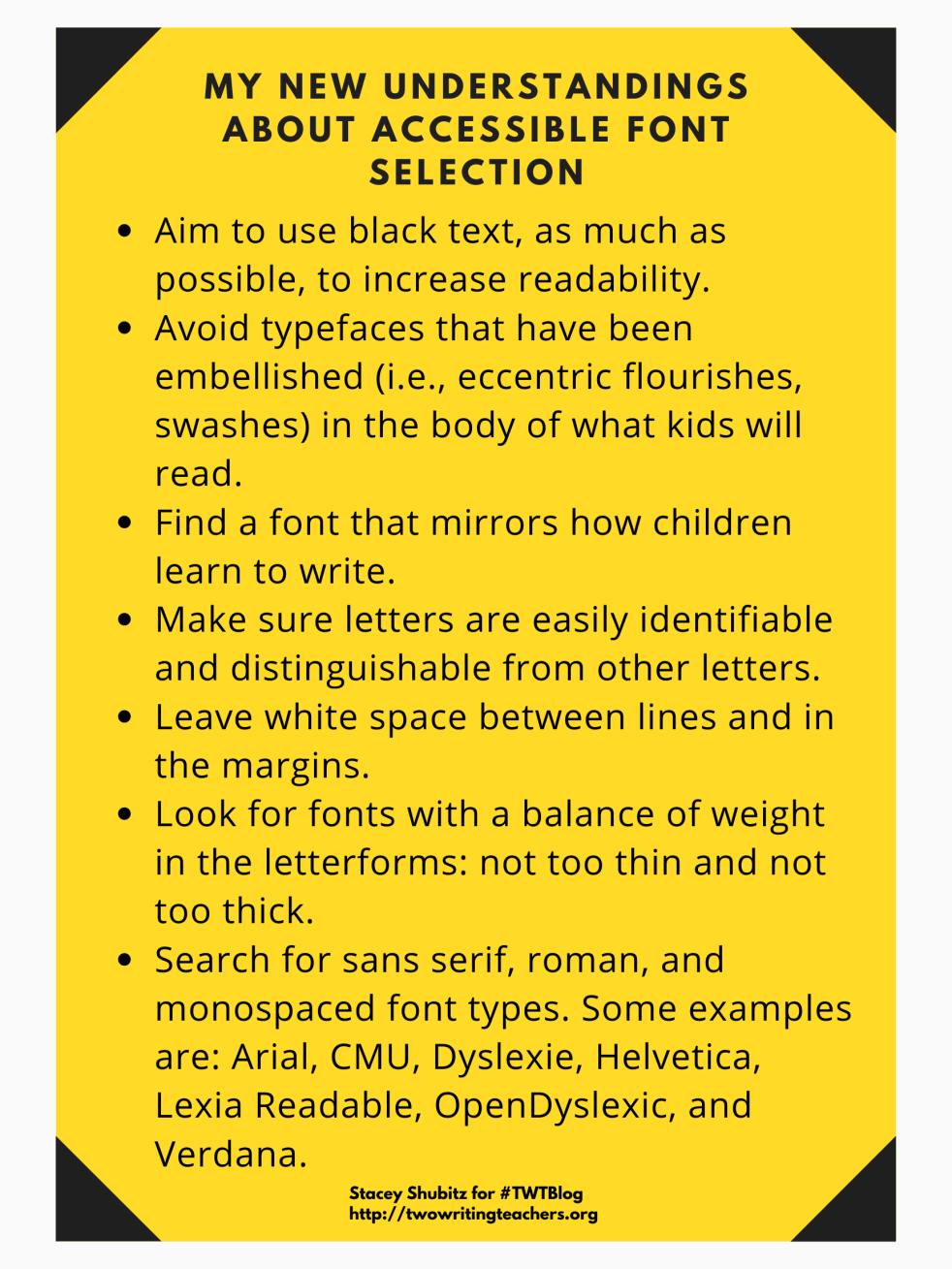
Finding Accessible Fonts for Classroom Use
Fonts that look whimsical and childlike may place a stumbling block in front of students with language-based learning disabilities, such as Dyslexia. Get tips from four industry professionals who will help you find an accessible font without sacrificing personality.

