Dear SOLSC writing community, We, at TWT, have been gearing up for our annual March Slice of Life Story Challenge, for some time now. March is drawing closer with every passing day. Taking part in the March challenge is both a treat (you get to write everyday - with instant, positive feedback!), and a challenge… Continue reading Write, Share, Give: SOL Time

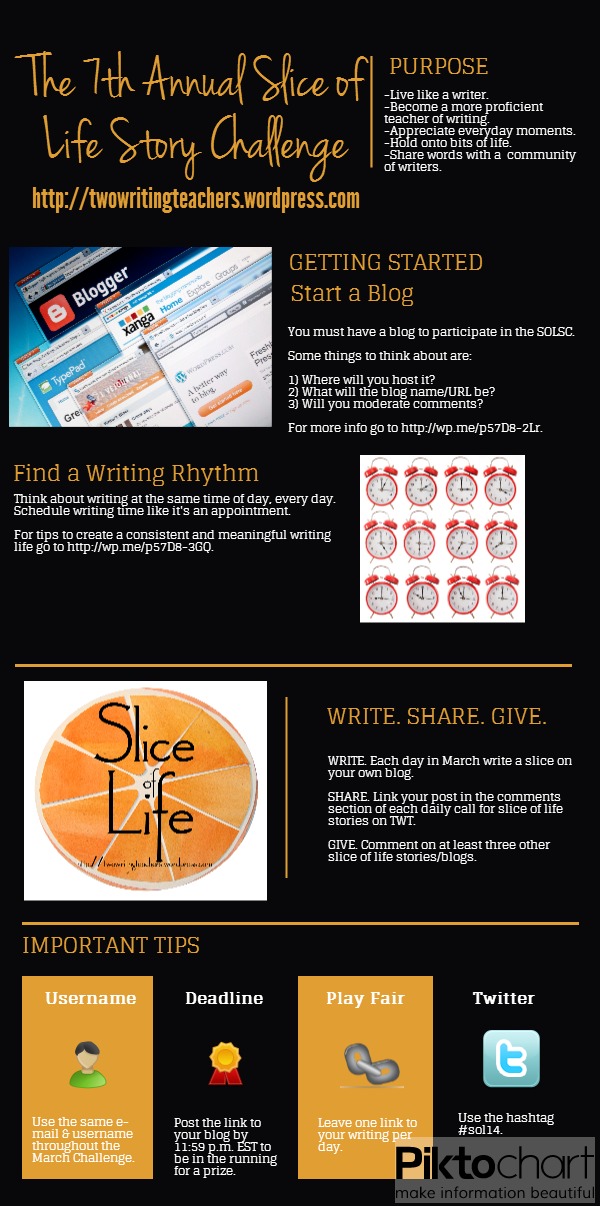
Be a teacher who writes. Join the SOLSC!
We'll host the 7th Annual Slice of Life Story Challenge, which will begin on March 1st. In the upcoming weeks, we will provide you with information about the support team, prizes, and the second Classroom Slice of Life Story Challenge. For now, here's basic information, for new and returning participants, to help you get energized for our March writing challenge.
Share this:

Share this:
ICYMI: A Recap of This Week’s Blog Series, Writing About Reading
Our second blog series has come to an end. This post wraps up the Writing About Reading Blog Series. Also, we'd like to invite you to our Twitter Chat on Monday evening 8:30-9:30 EST.
Share this:

Share this:

Writing About Reading: Opinion Writing in a K-1 Collaboration
Everything from interactive, shared and letter writing, to opinion pieces. This K-1 collaboration started with reading!
Share this:

Share this:
Writing about reading: offering students choice in reading responses
When I first began teaching, Nancie Atwell’s In The Middle was my go to PD book for all things to do with reading and writing workshop. I modeled so many of my teaching practices on what I learned through that book and through a few workshops with Nancie. More than anything else, I wanted to… Continue reading Writing about reading: offering students choice in reading responses
Share this:

Share this:
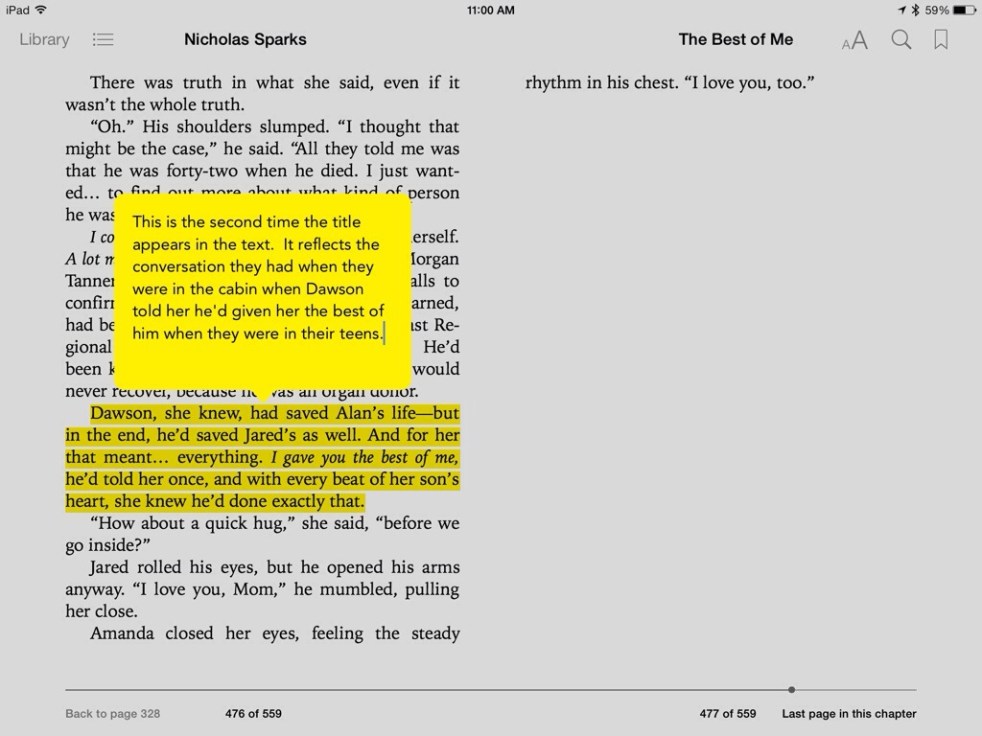
Writing About Reading in the Writer’s Notebook
The writing a child crafts about a book or an article in her writer's notebook often holds a lot of meaning or value to her. This kind of writing about reading isn't about finding the main idea, making predictions, or intertextual connections. Rather, this writing about reading is usually composed in response to something that affected a child so deeply she had to write about it on her own terms.
Share this:

Share this:
Writing about Reading: A Quick Guide to Quick Literary Essays
Literary Essays are one of the most formal ways to write about reading. Though they may be formal, they need not be taxing or daunting. In this post, you will learn how to support your students in writing quick, thoughtful literary essays in just a class period or two. Really!
Share this:

Share this:
Write, Share, Give: SOL Time
“To learn to read is to light a fire; every syllable that is spelled out is a spark.” ―Victor Hugo
Share this:

Share this:
Writing About Reading Blog Series
Lifting a line, creating a character connections web, and visual note taking are three ways for students to write about their reading. All three ways provide an opportunity for students to share their thinking, offering more than just a summary of the book. All three ways offer a glimpse into their minds as readers.
Share this:

Share this:

Reflection and Growth: Writing in Preschool
Have you ever found yourself in this place? A place where you begin to see something missing and immediately want to change? Be better? I hope so!
Share this:

Share this:
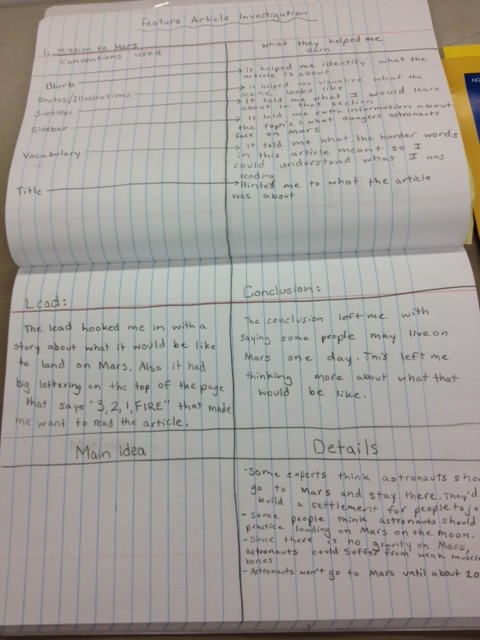
Following through with “I do. We do. You do.” in writing workshop.
Yesterday, Stacey wrote a thoughtful post about how we lead our students to ownership of their learning habits, and she concluded with these wise words: “Doing something for someone else doesn’t help them grow. The magic happens when we gradually release responsibility for something over time so others can flourish as a result of our… Continue reading Following through with “I do. We do. You do.” in writing workshop.
Share this:

Share this:
I Do. We Do. You Do.
The gradual release of responsibility works for teaching one's mom how to use a smart phone just as well as it works for teaching writers.

