
As I reflect upon my teaching practice, I always have more questions than answers. Here are some of the things that I'm wondering about as a teacher of writing.
Category: writing workshop

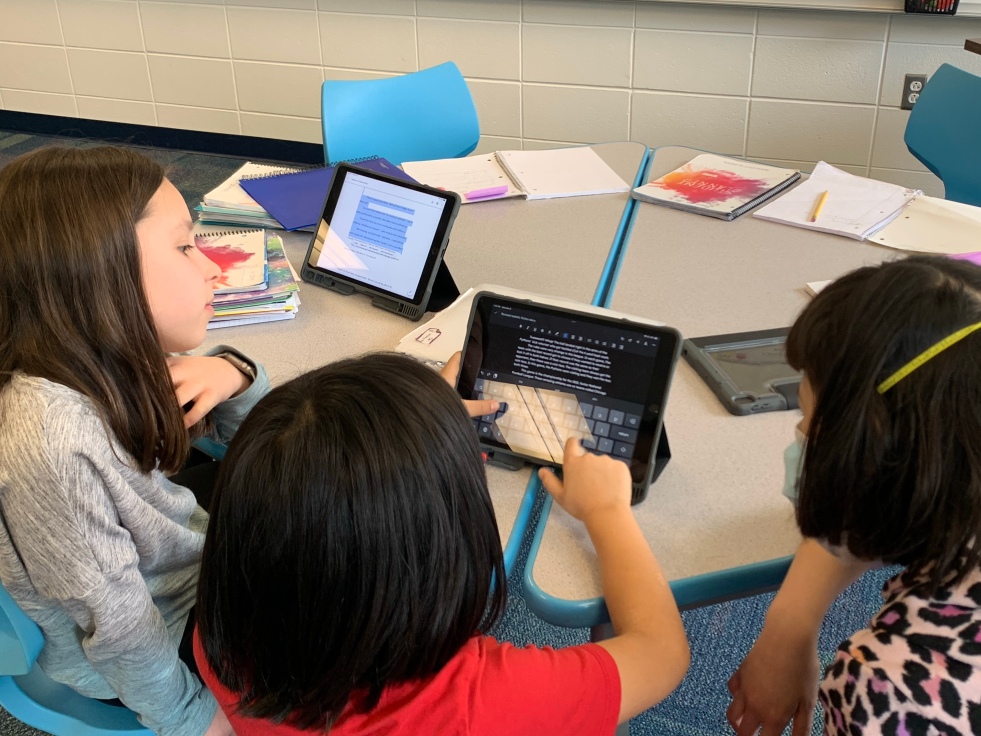
My Favorite Writing Hack: Less is More
As a teacher of gifted children, I often find myself seeking strategies for students who already excel in writing. What can I offer that would teach them to strengthen their craft in ways they might not consider? Some of my students are exceptionally talented; I could easily take notes and learn from THEIR craft. What could I possibly add to their skill set? One answer to that question lay within my own writing journey...
Share this:

Share this:

Making “Voice” Visible
Let's show writers how to use voice with visible techniques!
Share this:

Share this:
A Mini-Unit on Joke-Telling
It is often said that great comedy requires great empathy. A good joke-teller anticipates how others will react. They adjust each joke to the audience for maximum effect. Will they understand? Will they get it? Will they laugh?
Share this:

Share this:
Silence is Golden: The Value of Wordless Text
I have to face facts: February is a SLOG for me as a writing teacher. We’re just past the point of knowing the expectations and settling into our routine, but we’re just not quite to the point where all of the pieces start to fall together. There’s magic in the works, but oh! I’m just waiting for it to happen. Now is about the time of year when I’m looking for something - anything! - to get us out of the rut we’re in, spark our creativity, and work on some of that classroom magic I’m seeking. And for me, one of my favorite sources is wordless texts. Animated shorts, wordless books, you name it! They’re perfect for so many reasons. Today, I’ll share some of the ways I love using wordless texts for writers of all strengths and levels of readiness.
Share this:

Share this:

Engagement and the Writing Workshop
I had the opportunity to hear Cornelius Minor speak at the CCIRA Conference earlier in February, and I cannot stop thinking about it. He defined engagement in a way that is both conceptual and precise. I may have stopped breathing as my brain short circuited in response.
Share this:

Share this:
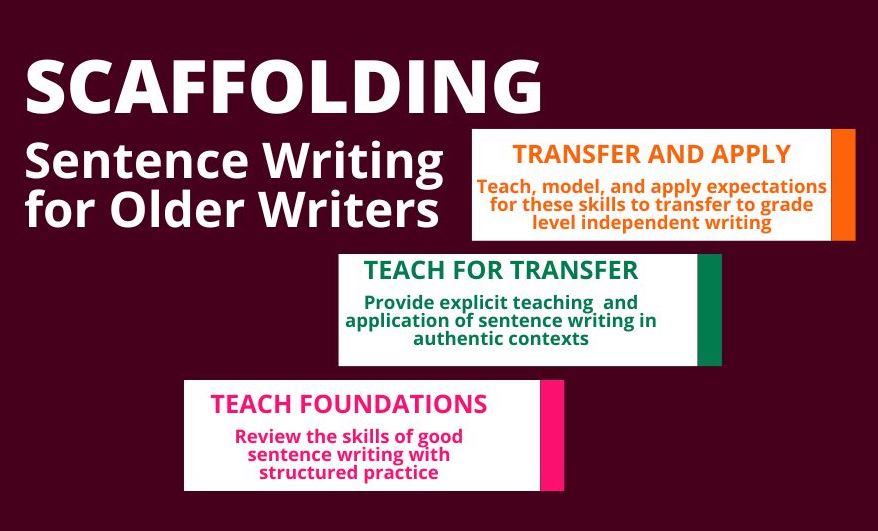
Tackling Sentence Struggles With Older Writers
If you're a teacher of older students (3rd grade and up) and have ever found yourself asking what you can do for kids who are still struggling with basic capitalization and punctuation, you're not alone! Today's post provides ideas to support teaching and transfer of sentence writing conventions in authentic and fun ways with our older writers.
Share this:

Share this:

It’s Tuesday! Welcome to the Slice of Life!
It's Tuesday- join us for Slice of Life. Write your slice, share it, and leave comments for others.
Share this:

Share this:

Bring on the Fun with Sentence Construction
Who says grammar can't be fun in a third-grade classroom? And who says young writers can't understand complex concepts like dependent and independent clauses? And who knew I'd be using poop, sentence structures, and a variety of clauses in the same sentence in front of a room of third-graders?
Share this:

Share this:
Thank You, TWT Community
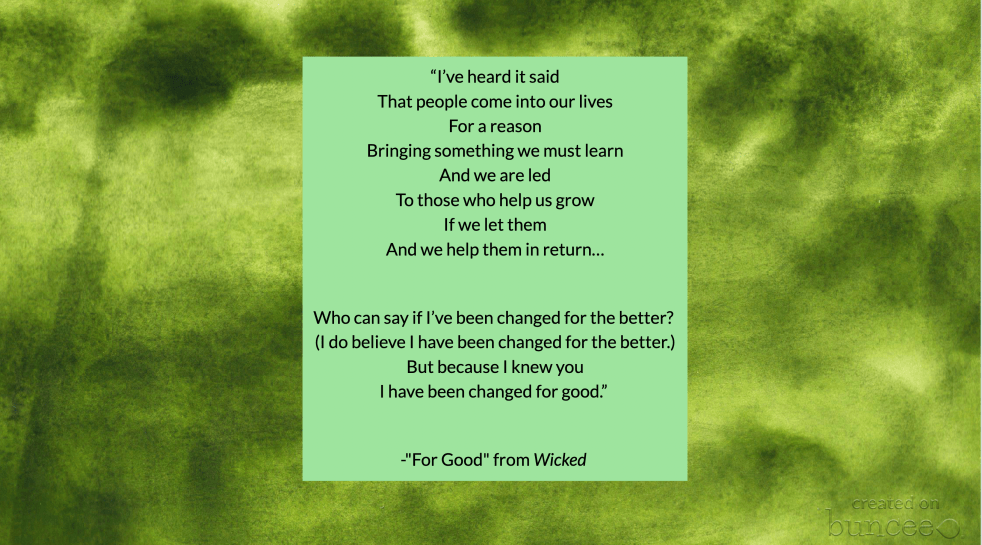
While I am signing off from the TWT team, my heart is full of gratitude for this experience and the friendships and lessons learned.
Share this:

Share this:

Listen to the Children
I've been thinking a lot lately about how my Kindergarten students perceive themselves as writers, so I decided to interview my class in order to learn more about their perspectives on writing and what it means to them as five and six year old emergent writers. Their responses have given me quite a lot to consider!
Share this:

Share this:
It’s Tuesday! Welcome to the Slice of Life!
It's Tuesday- join us for Slice of Life. Write your slice, share it, and leave comments for others.

