
Welcome to the 12th day of the 12th Annual Slice of Life Story Challenge! Write. Share. Give. BE INSPIRED Beth Moore, one of the TWT co-authors, wrote a brilliant post yesterday, and it reminded me of the purpose of the Slice of Life STORY Challenge (#emphasisonstory). In March, the real challenge isn’t just to write every… Continue reading Day 12 of the March SOLSC #SOL19
Category: writing workshop


Creating Clarity for Writers
Having and stating goals takes courage, but this practice also leads to higher levels of learning and achievement.
Share this:

Share this:
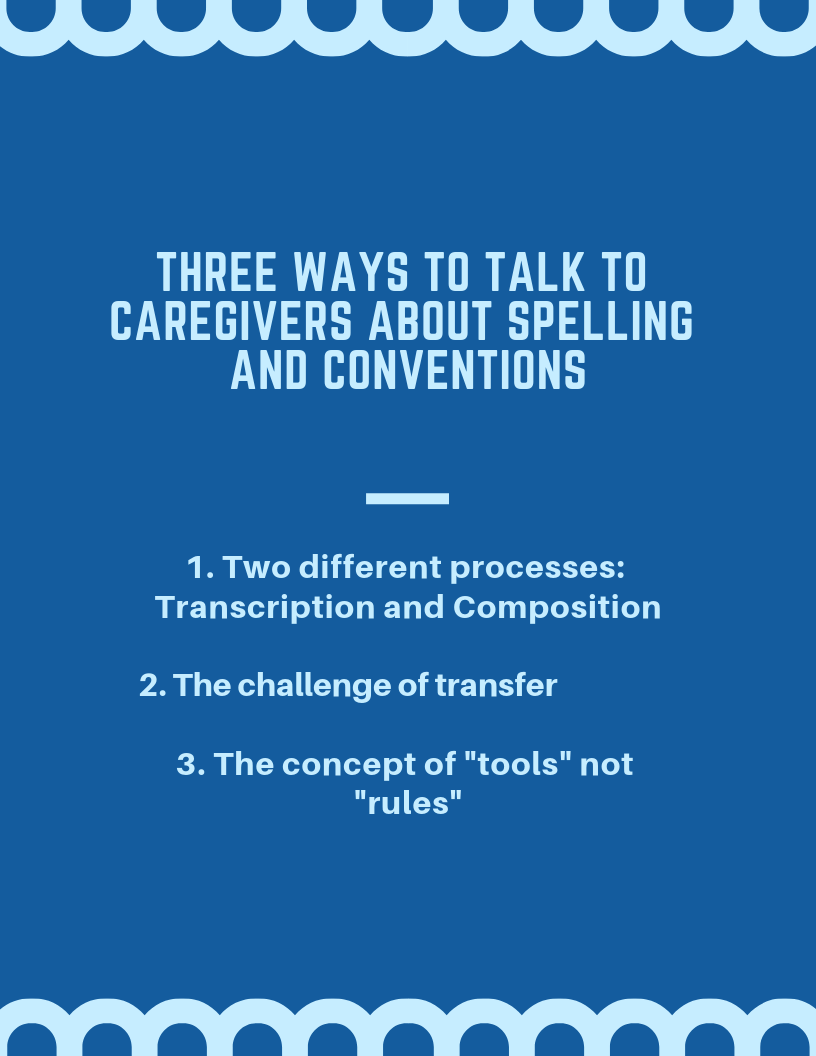
Talking to Caregivers about Conventions and Spelling
More than other skills, most caregivers tend to worry about spelling and conventions when it comes to their child's writing. I get it. Those skills are right there at the tip of the writing iceberg. Those skills are concrete and obvious. Those skills are the ones that they recognize and know how to fix when they sit with their child. So how do we talk to caregivers about spelling and punctuation? Here are three ideas that you may find helpful.
Share this:

Share this:

Teaching Writers to Reflect + Giveaway
For the past two weeks, I've been immersing myself in some reflection. This book, TEACHING WRITERS TO REFLECT, has been an excellent tool as I pass along reflective practices to my students.
Share this:

Share this:

Budding Bloggers
I remember when I started blogging with my first graders, I dove right in without a thought! Despite my lack of preparedness I never looked back. Blogging inspired and connected my students in ways I never imagined. I know you'll find the same joy in blogging!
Share this:

Share this:
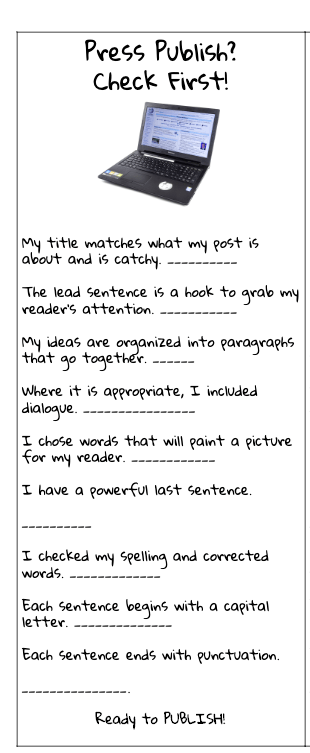
Thinking Ahead to April and the Classroom SOLSC
The Classroom SOLSC is in April this year and it gives me an extra month to reflect, plan and prepare! How are you helping students to get ready for this challenge?
Share this:

Share this:

Growing a Classroom Environment Where Writers are Seen and Inspired
A place to make meaning of ourselves and the world around us, writing is a powerful tool for self-discovery. However, when idea-collection tools and drafts are stored in folders, we miss a valuable opportunity to make the diverse lives and experiences of our communities visible. Instead, we can rely on classroom as a tool for making children, their identities, and experiences seen.
Share this:

Share this:

Eyes Wide Open
I want to see others first and I want to see everyone for who they are and how they want to be seen.
Share this:

Share this:
ICYMI: Teaching Writing with a Social Justice Lens
We hope you enjoyed our February Blog Series!
Share this:

Share this:
Mentor Texts to Increase Empathy: Teaching Writing with a Social Justice Lens
Today I continue our conversation with mentor texts when teaching writing through a social justice lens. Empathy is the first step toward building understandings beyond ourselves. It takes imagination and compassion.
Share this:

Share this:
Thinking About Implicit Bias: Teaching Writing With a Social Justice Lens
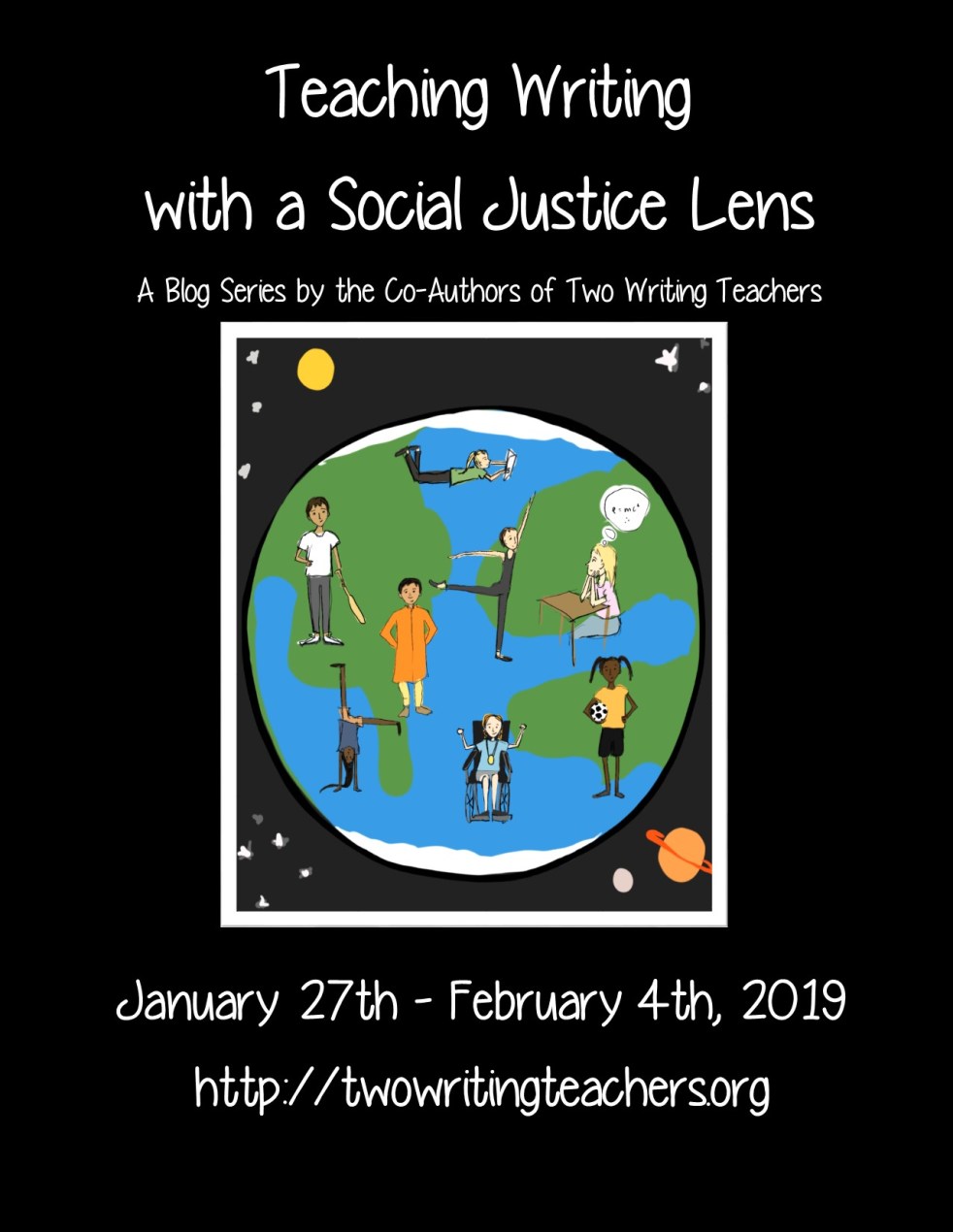
As we think about our implicit biases, maybe the most important thing is that we increase our awareness and act from a place of humility and reflection-- with a willingness to take a look at parts of our belief systems and behaviors that are uncomfortable, at best. When we know better, we do better. And isn’t that the goal?
Share this:

Share this:
Overview: Teaching Writing With a Social Justice Lens
Throughout our posts this week, you may read the refrain, “When we know better, we do better.” We are on the continuum of growing our own understandings and practices around the importance of social justice, cultural awareness, empathy, and inclusion. We hope you join the conversation. Please comment. Please share your own experiences and resources. Please begin conversations within your own environments and practices.

