Move writing from a school task to a meaningful way for students to participate in the world. A starting guide of minilessons is included for multiple literacies, ideal for grades 3-8.
Category: vocabulary

Morphology in Minutes: Ready-to-Go Tip
Morphology doesn’t require lengthy lessons. A few intentional minutes can transform how students see and use words. These easy, ready-to-use ideas and linked activites will help you bring morphology to life in any classroom K-8.
Share this:

Share this:
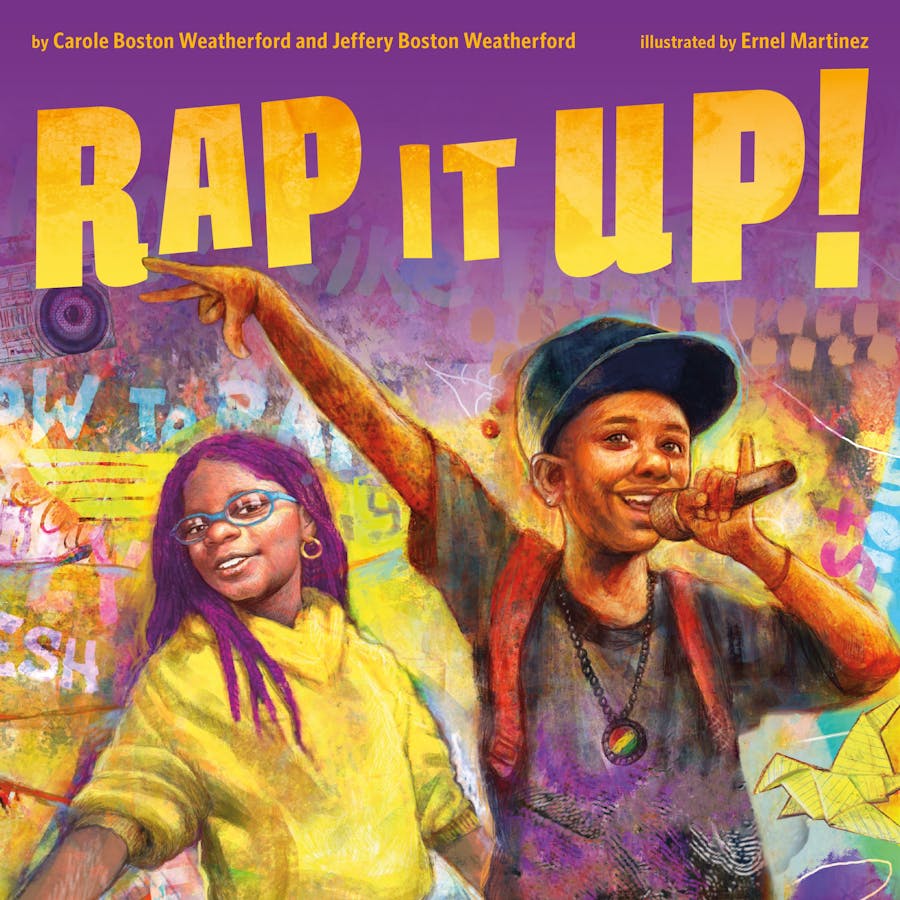
Turn It Up: Using Rap in the Classroom
The co-authors of Rap It Up! Discuss how rap can span the curricula to support standard skills in English/language arts, social studies, music, and SEL (social-emotional learning). Rap’s rhythm, rhyme, and wordplay develop literacy, expand vocabulary, strengthen reading fluency, and build confidence in oral expression. At the same time, rap’s cultural relevance fosters student engagement and inclusivity.
Share this:

Share this:
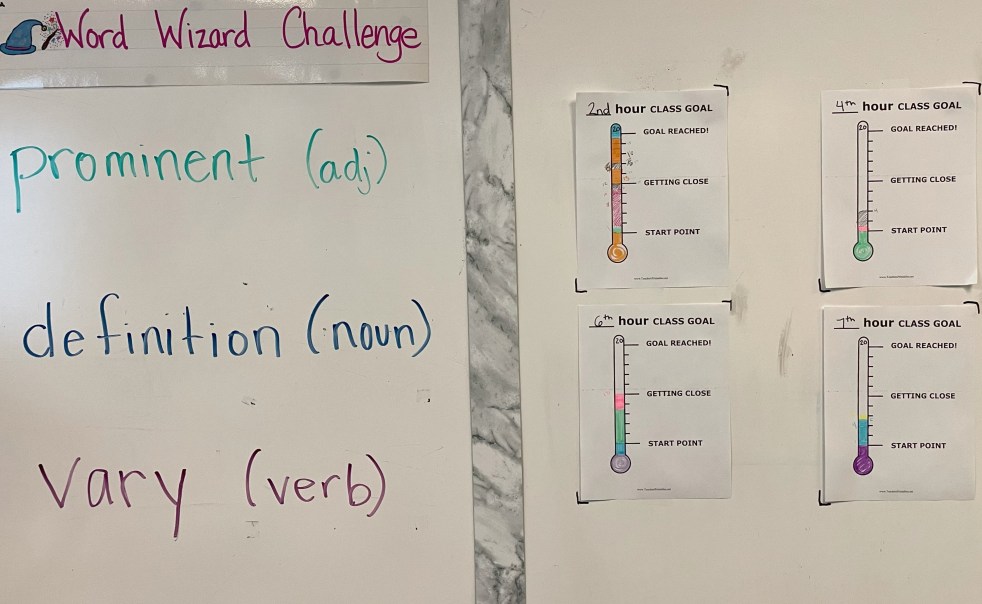
Strategic Vocabulary Connections: Straight from the Classroom
Here are three strategies for integrating intentional vocabulary connections into your reading and writing instruction. While these examples come from a seventh-grade classroom, they can be effortlessly adapted for K-12 learning environments.
Share this:

Share this:
Building Vocabulary With Purposeful Games
Building vocabulary empowers kids to communicate effectively and unlock their full writing potential.
Share this:

Share this:
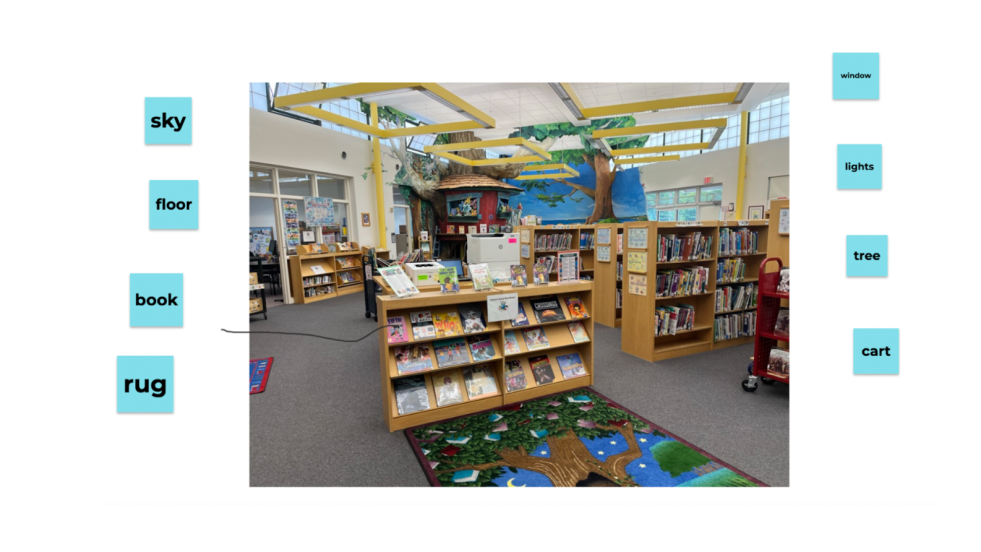
The Picture Word Inductive Model: A Strategy for Developing Vocabulary and Language
Writing a text of any kind requires significant cognitive work, involving memory, hand-eye coordination, strength, concentration, executive functioning, planning— and the list goes on because I haven’t even gotten into imagination, comprehension, and information integration. The PWIM has allowed me to isolate single or targeted skills, providing opportunities for intentional practice. I can select pictures that are of interest to specific students, challenge them to practice letters and sounds, to verbalize and draft simple sentences, or to describe a situation. That way when students are writing their own pieces, the cognitive load may be taken up less by these practiced skills, allowing for more intellectual energy on other competing and important challenges within their writing process.
Share this:

Share this:
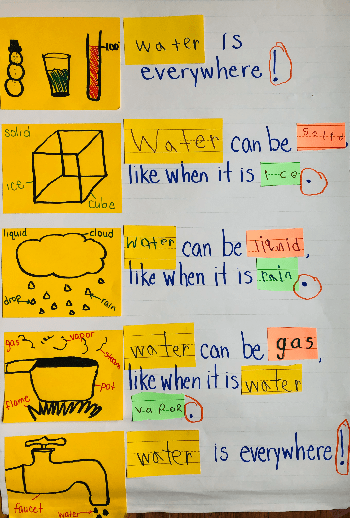
Step Up Interactive Writing (…And Sneak In More Spelling, Vocabulary, and Grammar)
As teachers, we know that when writers encode with ease, they are better able to focus on their ideas. Interactive writing is the perfect setting to build this competency.
Share this:

Share this:
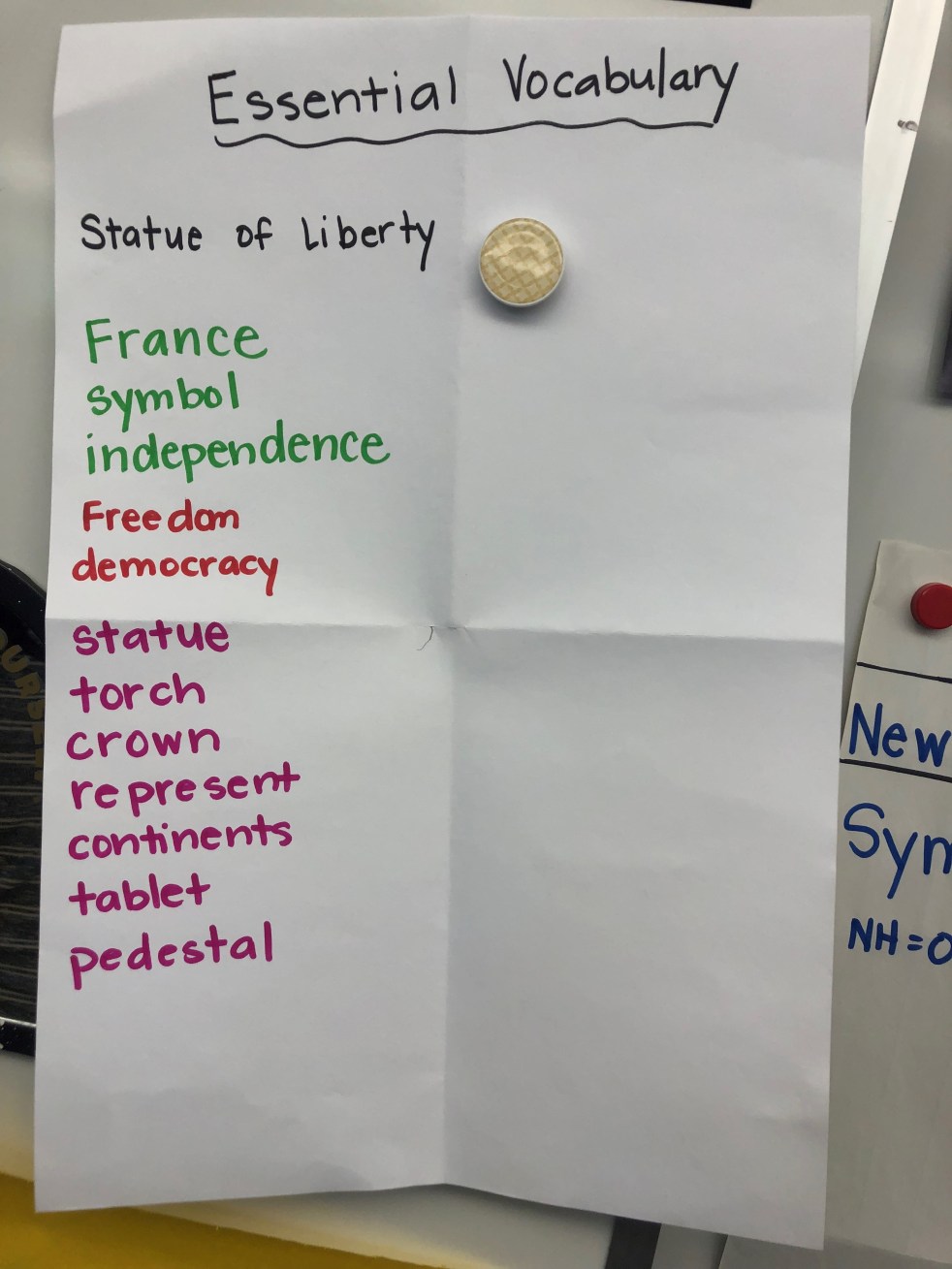
Bringing Down Students’ Affective Filter
March seemed like it was never-ending. I glanced at my planner last week and realized one whole week left in March. For those that share my sentiment, breathe, we made it, and tomorrow is April. This month, I've been assessing our multilingual learners. It is called the Summative English Language Assessments for California (ELPAC) in… Continue reading Bringing Down Students’ Affective Filter
Share this:

Share this:
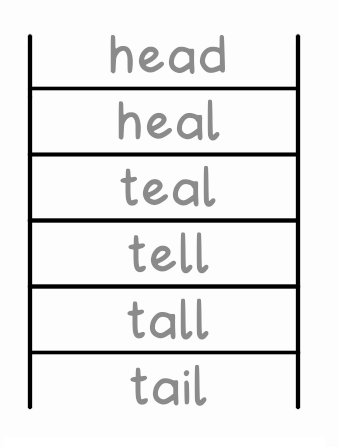
3 Reasons to Try Word Ladders!
Have you tried Word Ladders with your students? Here are three reasons you might want to!
Share this:

Share this:
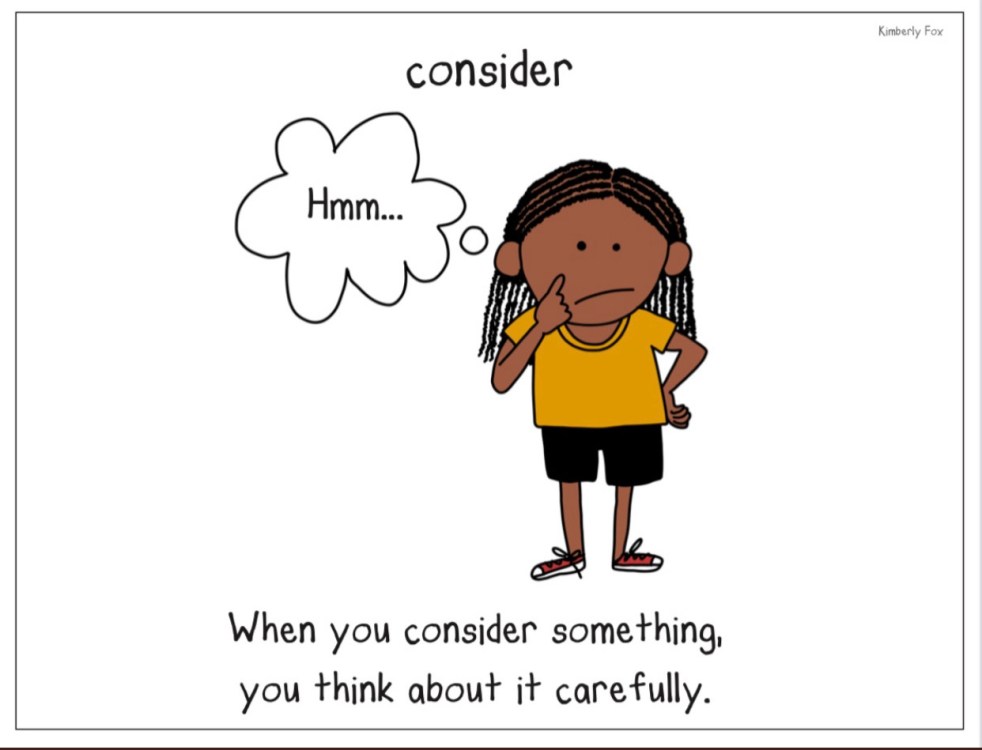
Word Love
It almost sounds too good to be true, but I discovered a vocabulary curriculum that engage students joyfully in developing an understanding of new words in about ten minutes per day.
Share this:

Share this:
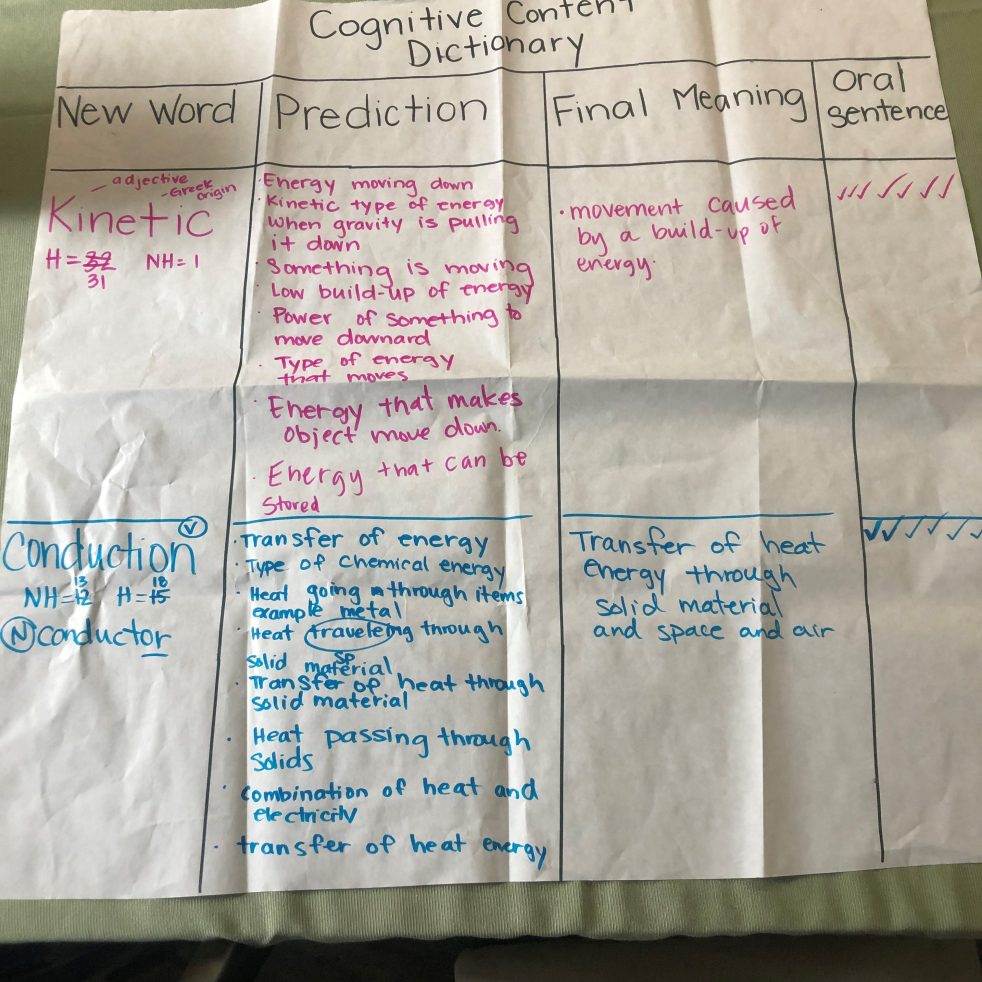
Developing Students’ Content Vocabulary
The Cognitive Content Dictionary (CCD) was first introduced to me in my tier 1 Project Guided Language Acquisition Design training. It is both linguistically and culturally responsive and, above all, brings joy into the classroom.
Share this:

Share this:
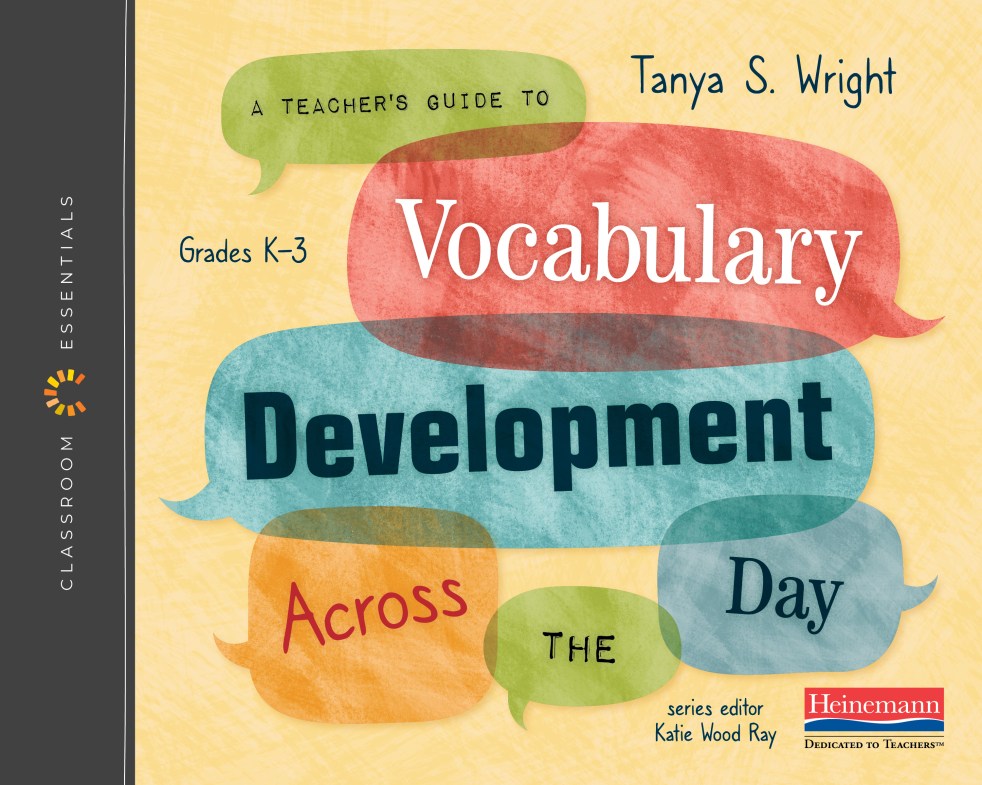
Vocabulary Development Across In-Person & Remote School Days
A Teacher's Guide to Vocabulary Development Across the Day is filled with practical ideas for teaching vocabulary in K-3 classrooms. It is a resource that will help you develop an innovative and meaningful vocabulary curriculum for your students. Listen to an interview with the book's author and preview sections of the text.

