Give students a voice from day one. Starting a unit with shared writing helps students see the process, practice the craft, and approach their own writing with clarity and confidence.
Category: immersion

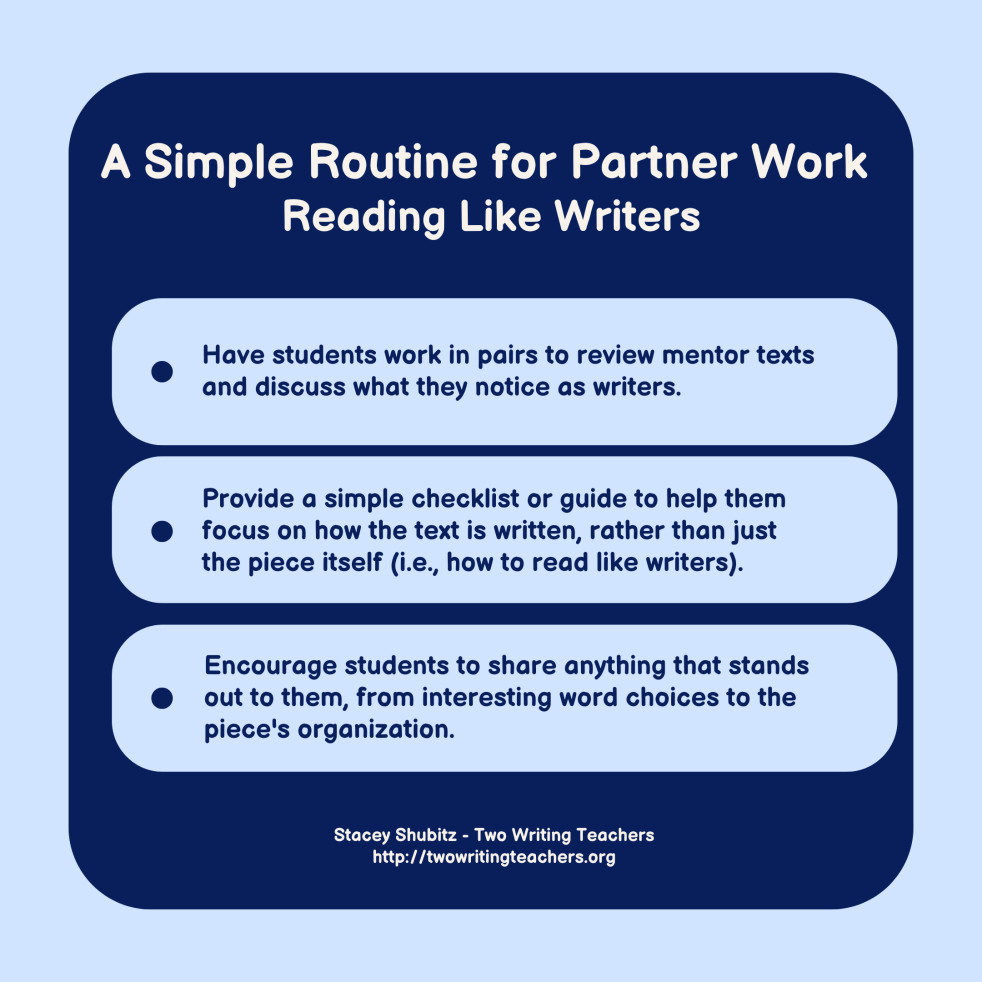
Unboxing Fresh Routines for Immersion Days
Experience the impact of immersion days on student writing. By letting students deeply explore rich mentor texts before they write, teachers build confidence and help learners grasp the unique conventions of each genre. This approach not only prepares students for success across different writing tasks but also makes teaching easier by providing clear models to guide learning. Discover a simple, practical routine to transform the immersion days at the start of your writing units.
Share this:

Share this:

What’s the Big Idea?
Ever get lost in the details of a writing unit? Ever get overwhelmed by the "bigness" of your vision? Plan for that and shift: from details to the big idea and back again.
Share this:

Share this:
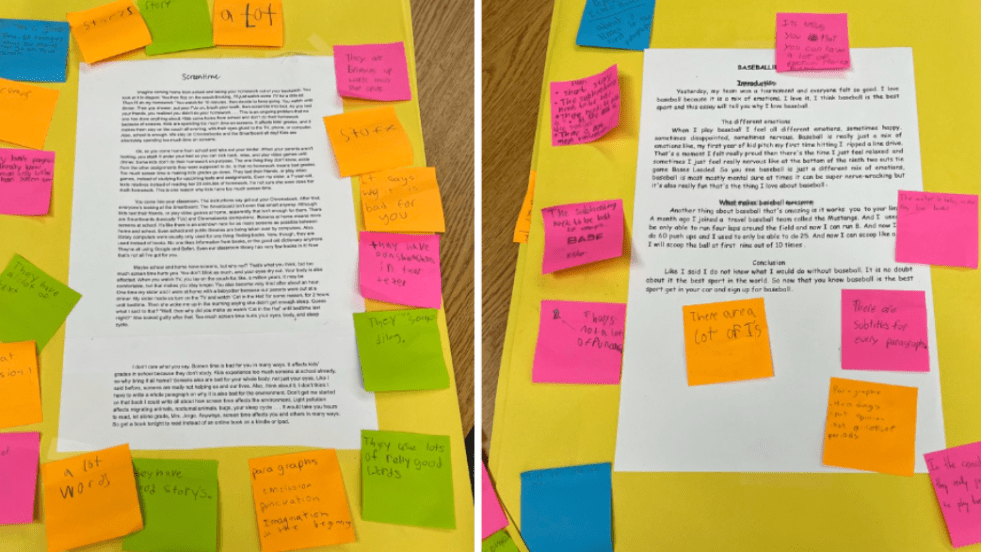
Pre-Unit Immersion: Involving Students in Noticing, Noting, and Naming
Immersion is helpful for strong writers who need less explicit instruction in order to try out new writing concepts as well as for writers who strive to complete their written work. Sometimes seeing a completed piece is exactly what they need in order to kick their executive functioning into gear.
Share this:

Share this:
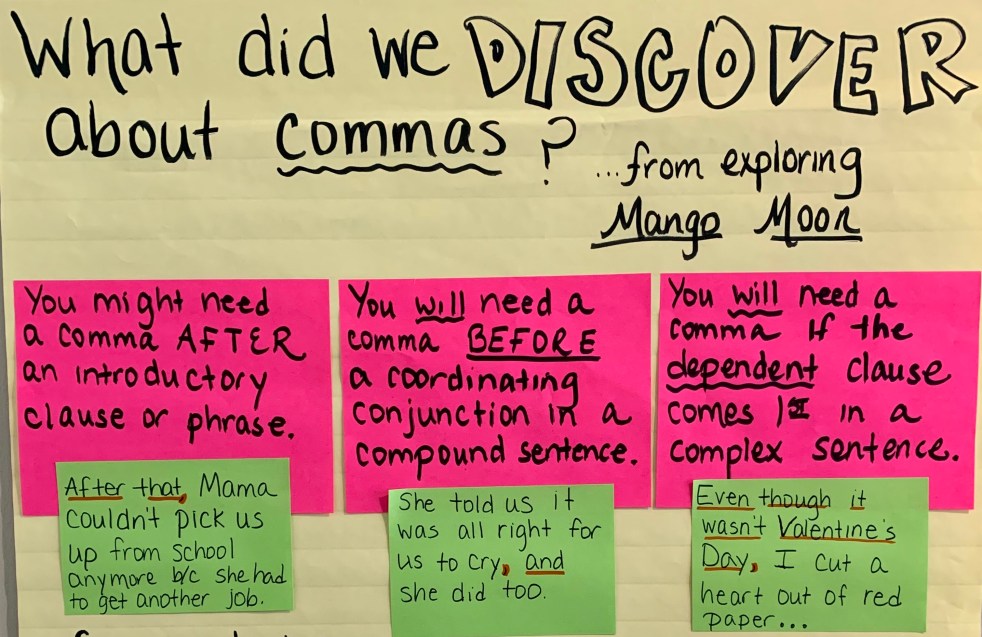
Shaking Up Immersion: Reimagining Playful (& EFFICIENT) Ways to Launch a Unit
It’s hard to work with purpose and intention when you do not have a clear vision or context for what you are trying to create. Immersion is an easy - and JOYOUS - way to provide students with full-color clarity of the unit ahead.
Share this:

Share this:

The Immersion Phase of a Unit: Reading and Writing Collide
The immersion phase of a unit allows us all to get to know our subject. For students, it might be ideas they have and for teachers, it is about getting to know their writers a bit better.
Share this:

Share this:
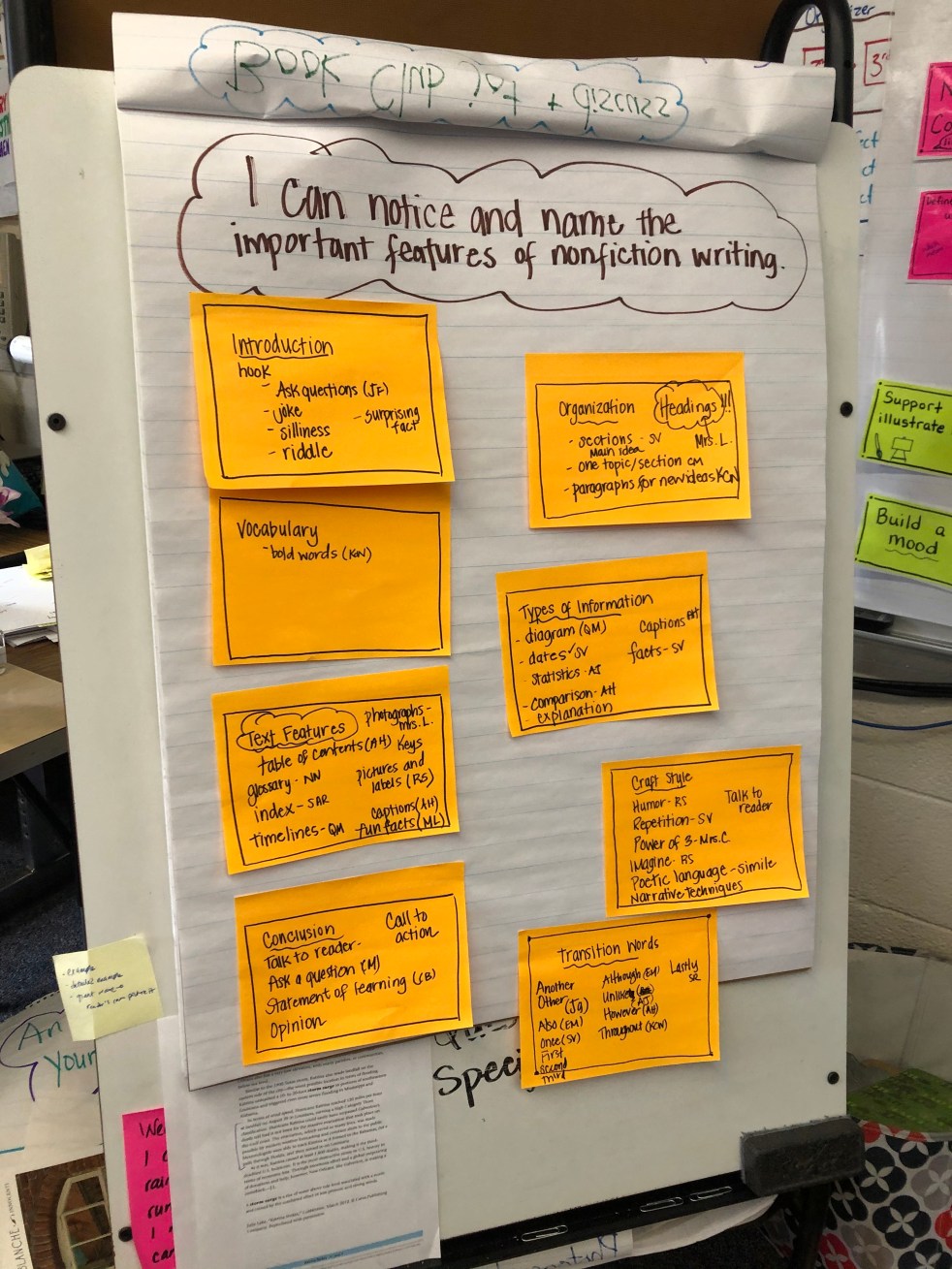
A Peek Into the Start of an Information Unit
When we show students examples of what they should be creating before and during their writing, we are, in many ways, providing them a figurative ride up the chairlift with many good skiers in front of them. In two separate classrooms, I introduced an information writing unit with a classroom teacher with a pile of books and writing samples and the students sitting in a circle. "Your job," I said, "is to look at these books and pieces like writers. What did the author do? How did they do it?"
Share this:

Share this:
Immersion in Writing Workshop is Always Worth the Time
The time investment you will spend in immersion may seem like a lot – especially if you’re providing students with four days to understand a genre. However, students will gain a greater understanding of the kind of writing you are asking them to produce if they have a clear vision for what the end product should look like.
Share this:

Share this:
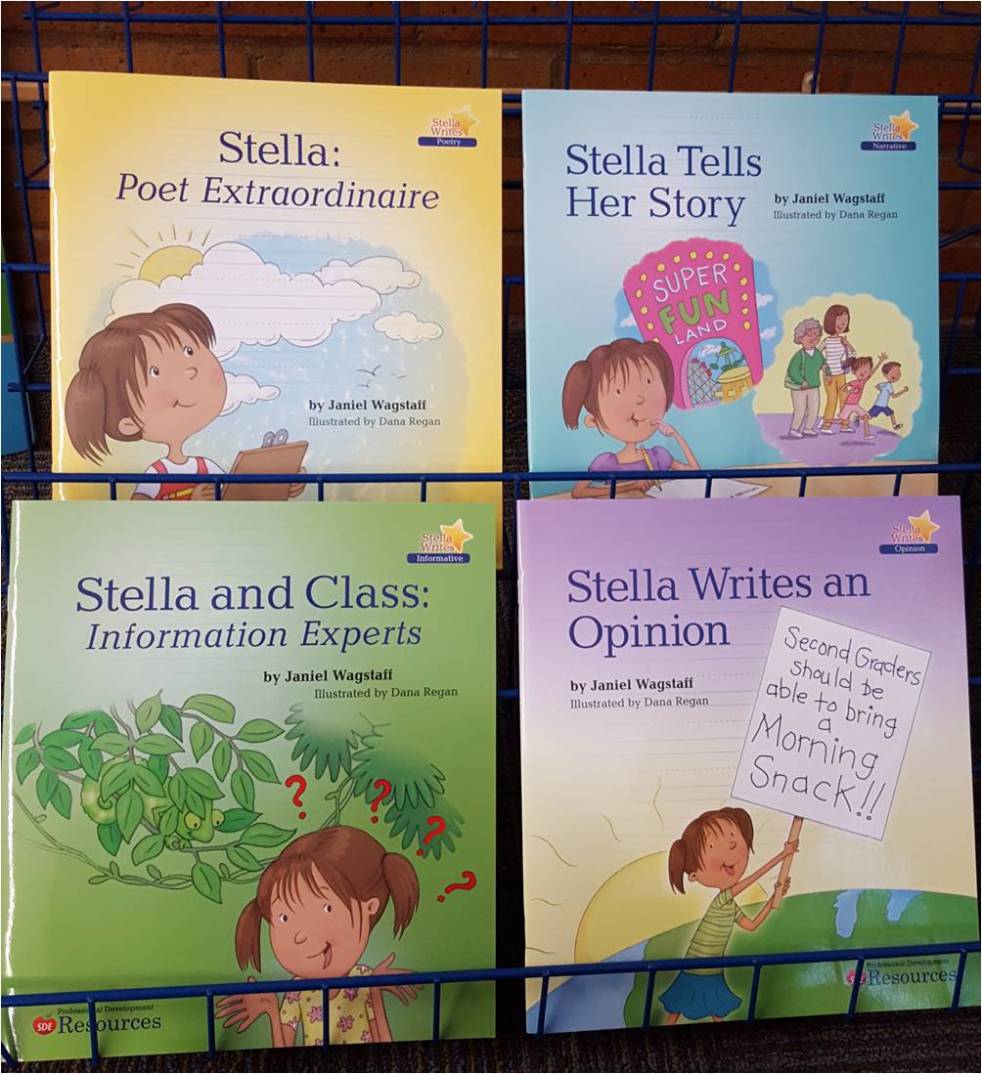
Teaching the Four Types of Writing Through Texts
Janiel Wagstaff's books will help you teach primary writers about the four types of writing in an engaging way. Leave a comment on this post for a chance to win her series of Stella books.
Share this:

Share this:
Dunk ‘Em!
When I first began coaching, Barb Bean and I worked together. Throughout the year, we were intentional about immersing students in the kind of writing they were making. Often this meant genre, but sometimes it was a particular author or craft move. During her poetry unit, Barb brought in a pack of Oreos and some… Continue reading Dunk ‘Em!
Share this:

Share this:
Thinking About Punctuation in Texts
My students shared their findings about punctuation marks, from earlier in the week, with each other yesterday. The charts, below, were eye-opening for me since not all of the descriptions about why the authors used them made sense to me. Further, some of the examples didn't quite match-up. Nonetheless, these were from the first two… Continue reading Thinking About Punctuation in Texts


