Math and writing may seem like separate worlds, but they share a common goal: clear communication of thinking. This post explores how applying familiar writing strategies—like shared writing and oral rehearsal—can help young students express their mathematical reasoning with confidence and clarity.
Category: collaboration


Ranking Student Work: A Collaborative Unit Launch
Challenging students to rank peer writing was the perfect way to kick off a new unit.
Share this:

Share this:
Introducing the Two Writing Teachers Learning Community Facebook Group
Read to learn how to join our new Facebook group, a collaborative place for questions, ideas, and resources.
Share this:

Share this:

TWT Help Desk: What if I have a co-teacher?
Do you have a co-teacher this year? How might it benefit your writing workshop planning, instruction, and assessment practices? Read on to learn a few tips and tricks for making the relationship work as smoothly as possible.
Share this:

Share this:
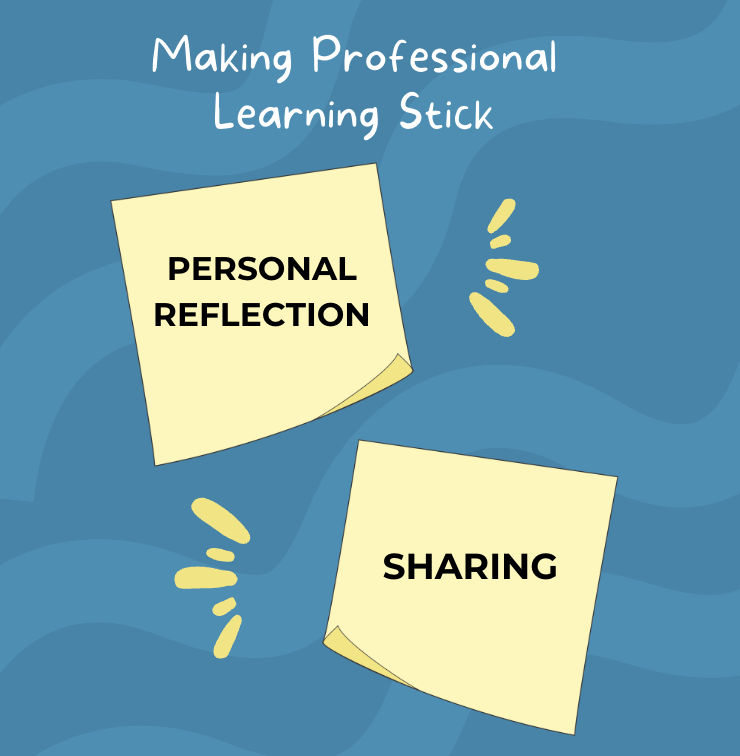
Maintain the Momentum: Making Professional Learning Stick
When attending conferences and workshops, we retain only a fraction of what we see and hear from the presenters, no matter how amazing they are. It is only through a process of intentional reflection and sharing that we can leverage and expand our new learning to impact our entire school system.
Share this:

Share this:
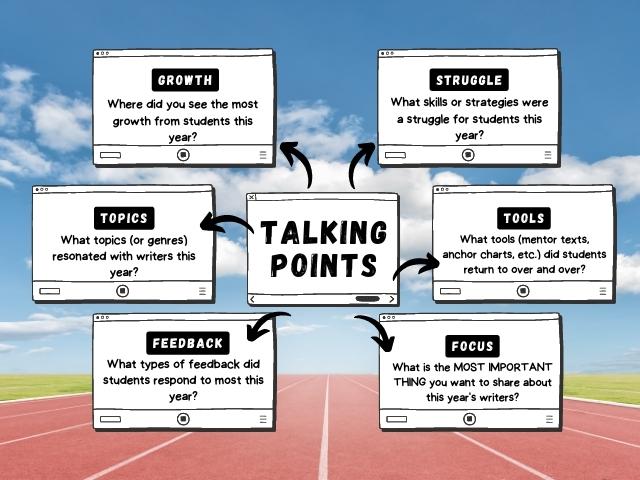
Writing Teachers: It’s Time to Pass the Baton!
By taking a few simple steps and asking some easy questions, you can pass your knowledge about your current students on to the next teacher and prepare for a new group of incoming writers.
Share this:

Share this:

Crafting Feedback Together
An effective PLC team is where good teaching becomes great. This is especially true for teachers of writers, since teaching writers is so challenging and complex. We genuinely need each other to continue getting better at what we do.
Share this:

Share this:
Teacher Teams: Stronger Together Blog Series
Peer observation is just one of the many ways teacher teams can work together to enhance student experiences. Everyone--even the host--walks away a better teacher.
Share this:

Share this:

Coaching à la Carte: Stronger Together Blog Series
In this post I’ve curated some quick coaching possibilities: coaching à la carte, if you will. Each offering on this menu has the potential to have an immediate impact on student learning in the workshop with a minimal time commitment from teachers. It might not be the gold standard, four-course meal of a coaching cycle, but each option is designed to nourish and energize teacher(s), students, and coaches with a quick burst of collaboration.
Share this:

Share this:
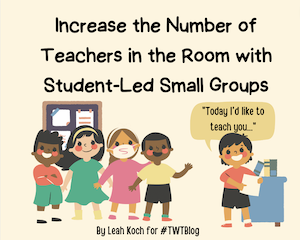
Increase the Number of Teachers in the Room with Student-Led Small Groups
An extra teacher is always a gift, especially when working with young authors. But what if we looked for teachers within those tiny writers?
Share this:

Share this:
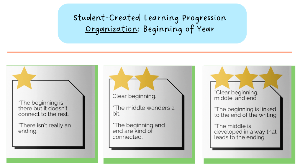
Student-Created Learning Progressions: A How to
Student-created learning progressions help foster agency in students and move them forward in their writing.
Share this:

Share this:
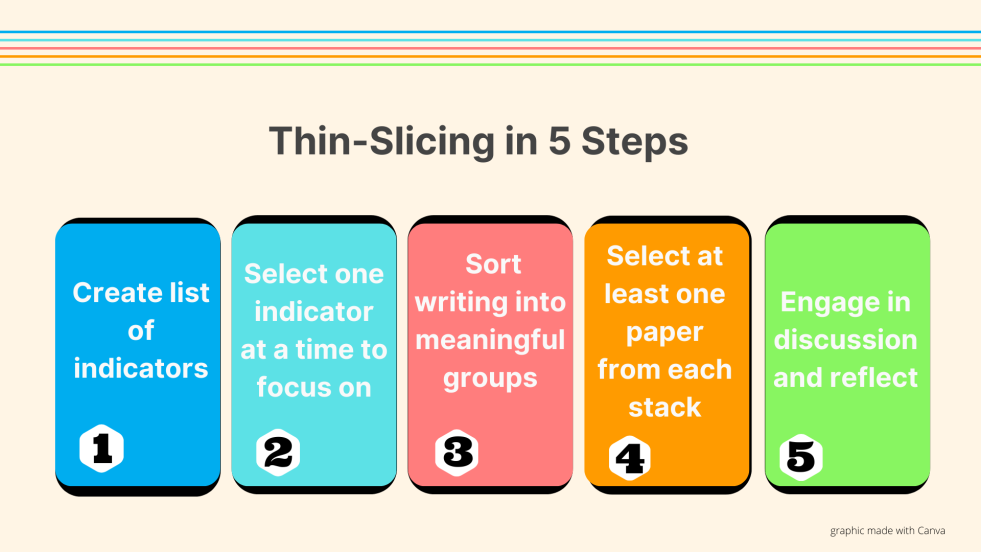
Mastering the Art of Thin-Slicing
Relying on Malcom Gladwell's work in Blink, Thin-Slicing allows you to look at student work quickly to identify trends and create groups, targeting specific skills to push each writer forward.

