

Writing is a brain-based process that relies on practice, rest, and retrieval to move skills from effortful to automatic. When teachers use simple, consistent strategies, they help students free up brainpower for creativity and deeper expression.
Category: research

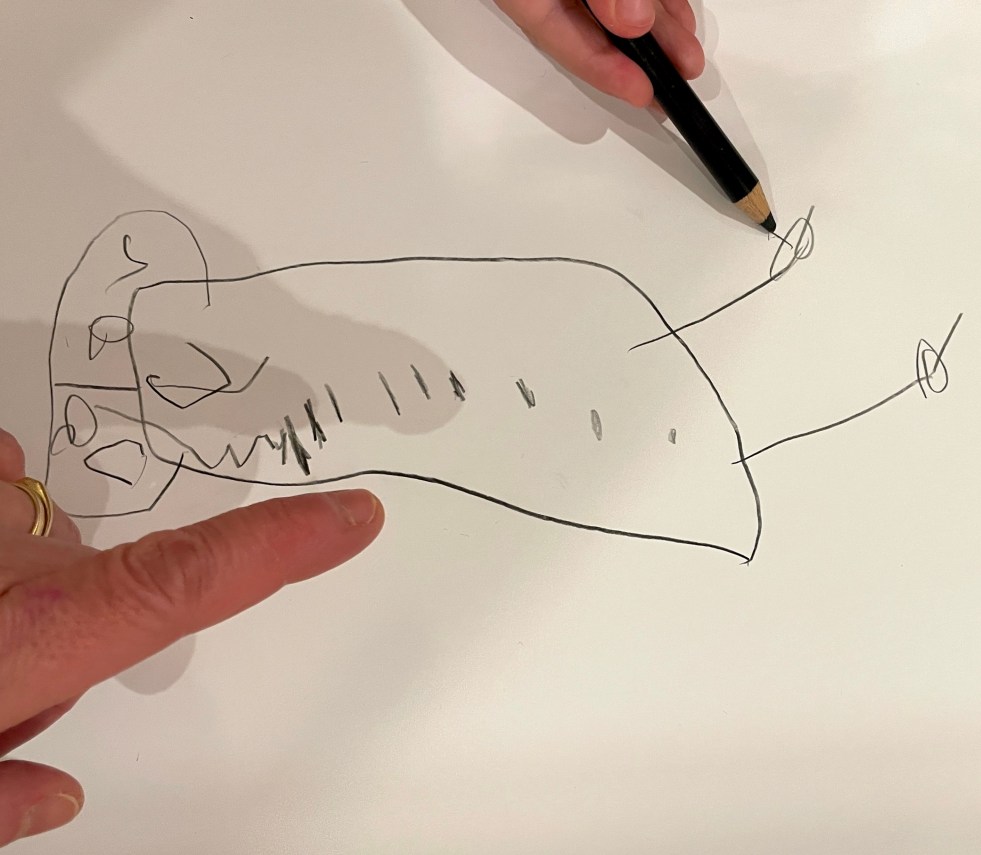
Examining Purpose in Young Children’s Writing: Build Your Expertise
Examining the evidence around what young children do when they write will lead us to better understand their conscious and unconscious purpose. We can also look at how teachers and caregivers nurture a social environment, giving purpose to children as they do this work.
Share this:

Share this:
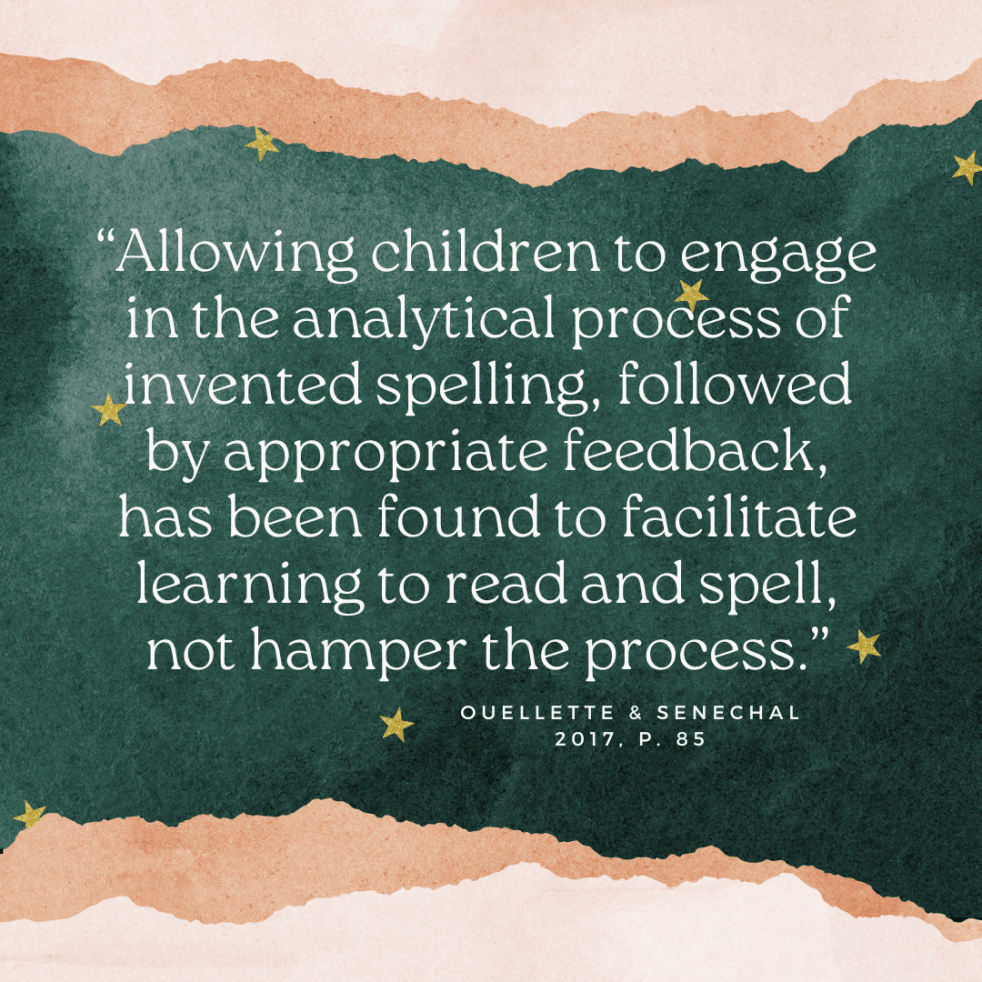
Invented Spelling is the Gateway to Skilled Writing: Build Your Expertise Blog Series
Teachers of writing know that invented spelling is a crucial component of literacy development for young learners. Today, build your expertise around the research that supports invented spelling and provides recommendations for moving from invented to conventional spelling, an important goal for all writers.
Share this:

Share this:

Build Your Expertise with Research
Unlock the power of research in writing instruction! Join Two Writing Teachers in a week-long exploration of key aspects of the writing workshop.
Share this:

Share this:

Treasure Hunt: Help Students Research Hidden Figures
Alice Faye Duncan shares three overlooked resources for biographical research. They include newspapers, museums, and family photo albums.
Share this:

Share this:
Engaging a Writer’s Emotional Awareness
I'm on a path to understanding how emotions connect to engaged writers. Today I'm sharing some resources to bring you along with me.
Share this:

Share this:
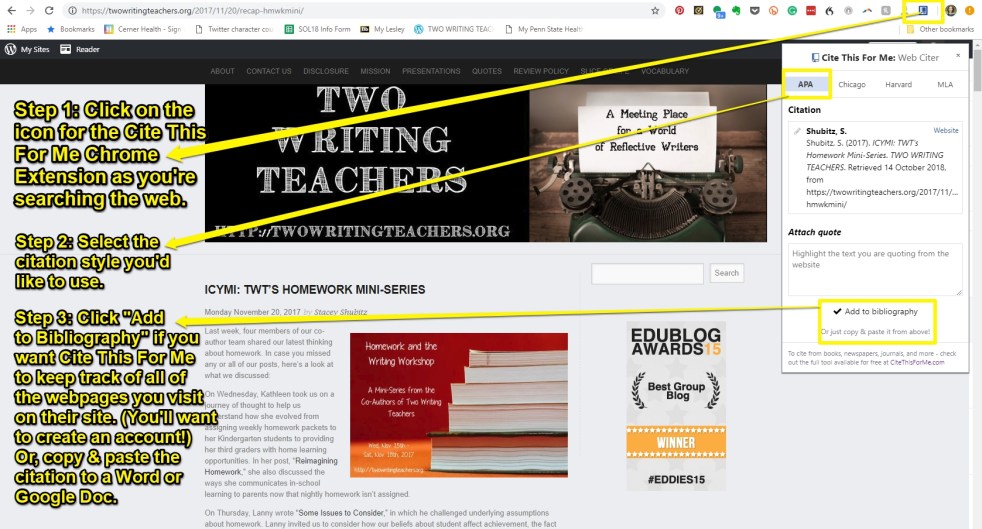
A Quick Way to Deal with Bibliographies for Elementary School Writers
Have your upper elementary school students spent lots of time creating a reference list? Free up the time spent on making a reference list perfect by using an online citation tool.
Share this:

Share this:

Synthesizing: The Step Between Research and Writing
Synthesizing is that step we can't skip when teaching our writers to craft research writing. It is within the wait time between the research and the writing that students gain their best understandings. Here are five strategies to help your writers fill that wait time with meaningful ways to get their gears in motion in a mixing of new thinking.
Share this:

Share this:
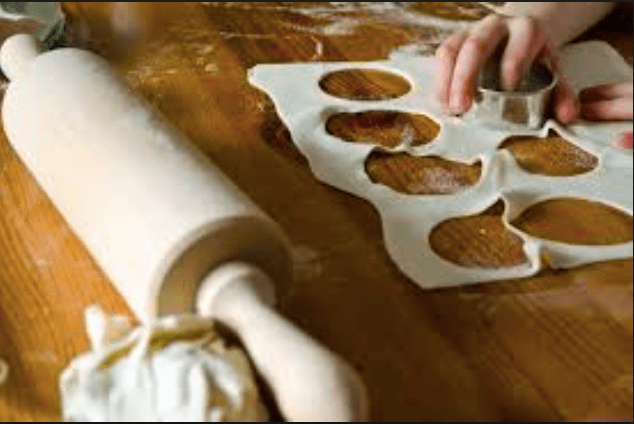
No More Cookie-Cutter Teaching
As educators, we need to take ownership of our teaching. If you think your tried and true lessons are lackluster, change them. Start with looking at your students and asking yourself, what do my students need? What are their strengths? Next, look at the VERBS in your standards. Precisely what is it your students need to master in this unit? Finally, embrace the art of teaching, follow their lead.
Share this:

Share this:
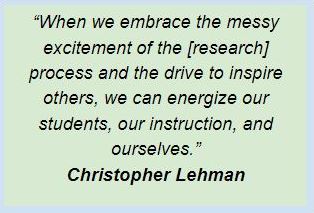
Using Writing for Research in the Content Area: It’s Not Just for ELA
Today's guest blog post comes from Library Media Specialist, Shannon Betts.
Share this:

Share this:
Research is My Friend by Lauren Castillo
Lauren Castillo, a Caldecott Honor author and illustrator, kicks off this year's Author Spotlight Series with a piece about how important research is to her artistic process.
Share this:

Share this:

Building Ideas in Research Writing
Research-based writing need not be collections of facts. Teach your students to interpret as they research and to use their ideas to expand their writing.

