

In almost every classroom I have coached in, kids get really excited about adding text features to their informational writing. They love adding pictures, labels, maps, and table of contents to their writing. But do they know why text features are important? Do they understand how text features enhance their writing? In this thoughtful post, Anna provides… Continue reading Throwback Week: Information Writing – Upping the Ante on Text Features
Category: informational writing

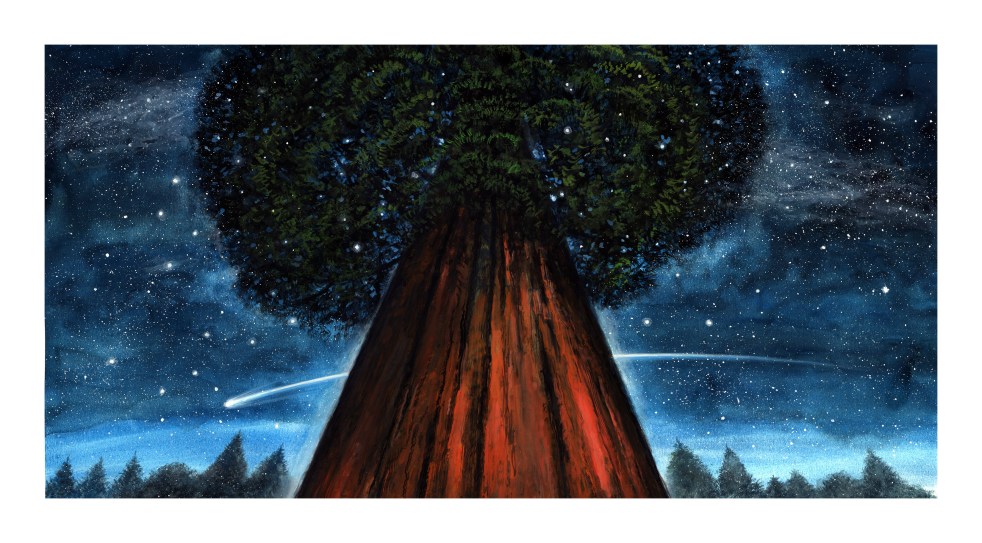
The Story of the Giant Sequoia
Tony Johnston and Wendell Minor's new book, Sequoia, will be published later this month. Recently, both of them were gracious with their time and granted me interviews. Hear what they have to say about writing and illustrating. Get a sneak peek at this exquisite text you can use to infuse your students' informational writing with poetry.
Share this:

Share this:
Information Writing: Upping the Ante on Text Features
It's likely that in many writing workshop classrooms, the year is launching with narrative writing. Coming just around the bend, perhaps very soon for teachers who began the school year in early August, is expository writing. The first expository unit may come in the form of any one of a multitude of types of essay units, or perhaps, in… Continue reading Information Writing: Upping the Ante on Text Features
Share this:

Share this:
Writing History in Many Forms
Want some fresh ways to channel your students to write about history? This post offers some light and fast tips that could easily be turned into weighty and meaningful instruction.
Share this:

Share this:
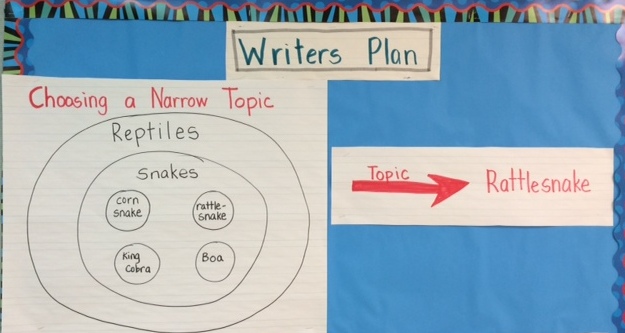
How Do First Graders Choose Narrow Topics?
We will be starting a unit on informational writing to wrap up the school year. I wanted to demonstrate a different way of finding a topic, a narrow topic. I find that young writers can often think big, making it hard to get to specific details. As I was thinking about this idea, of narrowing… Continue reading How Do First Graders Choose Narrow Topics?
Share this:

Share this:

First Graders Get Crafty
First graders use a mentor text to get crafty during a unit on informational writing.
Share this:

Share this:
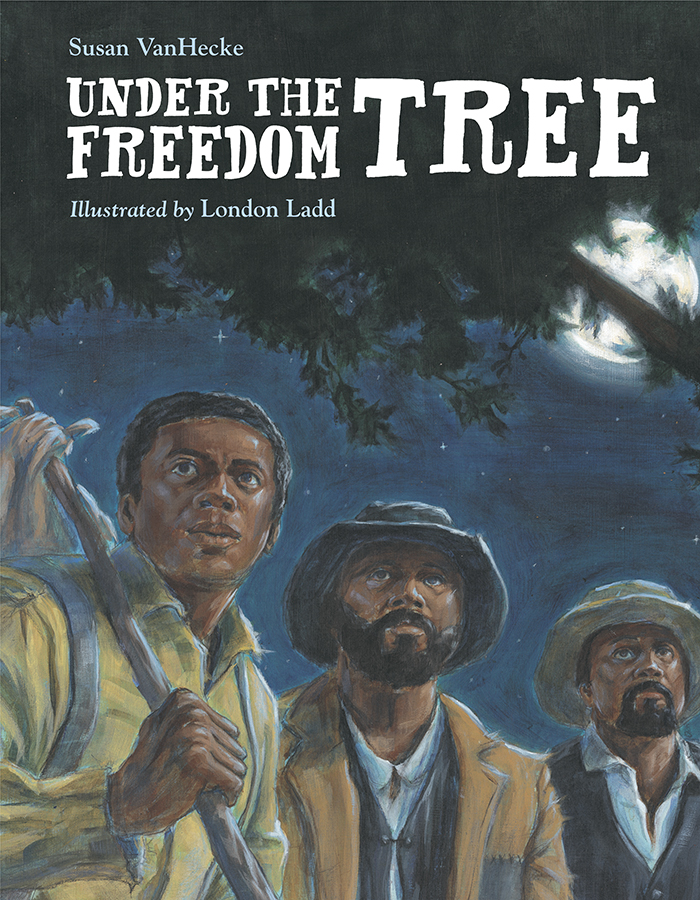
Interview with Susan VanHecke + a Giveaway
I'm always looking for exemplary informational mentor texts. When Under the Freedom Tree crossed my desk, I knew I found one I wanted to share with you. It's the story of the first contraband camp during the Civil War. Even though my college minor was American History (with most of my coursework focused on the Revolutionary… Continue reading Interview with Susan VanHecke + a Giveaway
Share this:

Share this:
New Blog Series: Tailoring our Teaching / Assessment-based Strategy Groups for Expository Writing
When I first began teaching using a workshop model, I spent forever planning my minilessons. I wanted to make sure that my language was exactly right, and that I got to each part of the minilesson (I often forgot the active engagement). I felt that the quality of my minilessons was the measure of my… Continue reading New Blog Series: Tailoring our Teaching / Assessment-based Strategy Groups for Expository Writing
Share this:

Share this:
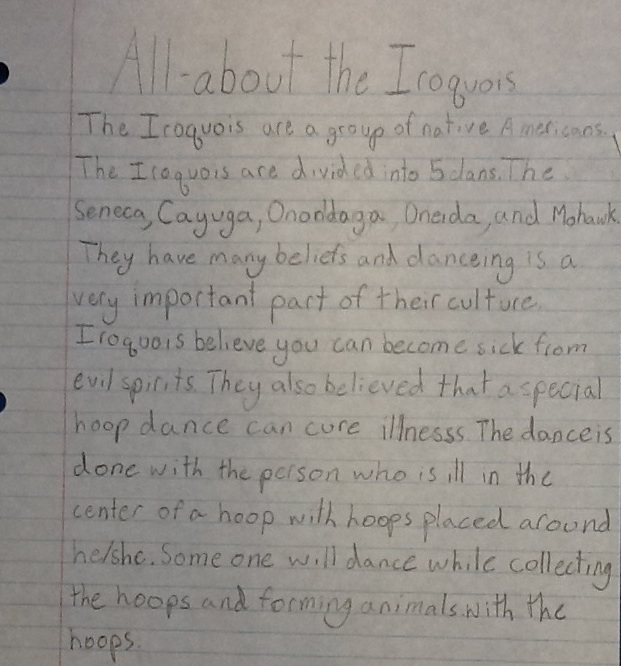
Demonstration Writing Tips: Information Writing as a Case in Point
Most writing workshop teachers agree that using demonstration writing to teach with is crucial. However, creating it is not always easy. Here are some tips to help you get the most bang for your writing buck.
Share this:

Share this:
Inspiring Independent Writing Project Mentor Text (Part 3 of 5)
If you're planning to launch independent writing projects in your class during the final weeks of school, then you'll most likely have several students who might want to write a book about a topic of expertise. Therefore, it might be nice to have a few new mentor texts on hand that you didn't use when… Continue reading Inspiring Independent Writing Project Mentor Text (Part 3 of 5)
Share this:

Share this:
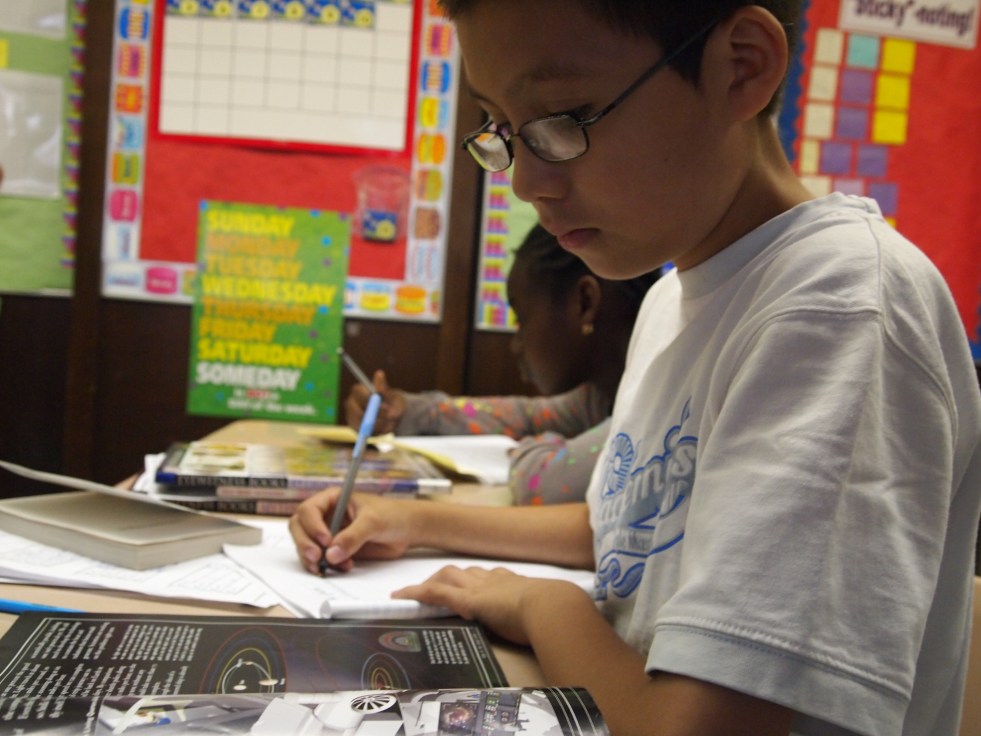
Informational Writing Can Be Informational Learning: A Guest Blog Post by Christopher Lehman
Students’ informational writing can change dramatically when we include an extra step in between: 1) take notes, 2) experiment with those notes by teaching-through-writing, 3) write a draft.
Share this:

Share this:
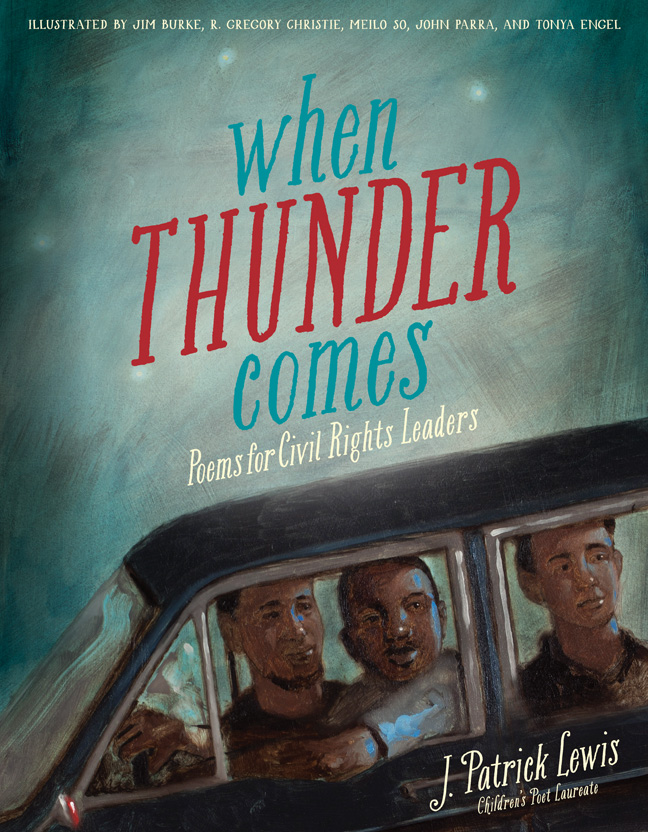
The Intersection of Poetry and Informational Writing + a Giveaway
When Thunder Comes: Poems for Civil Rights Leaders can be used as a mentor text to help students craft poems, instead of biographies or informational reports, about people they read about and research.

