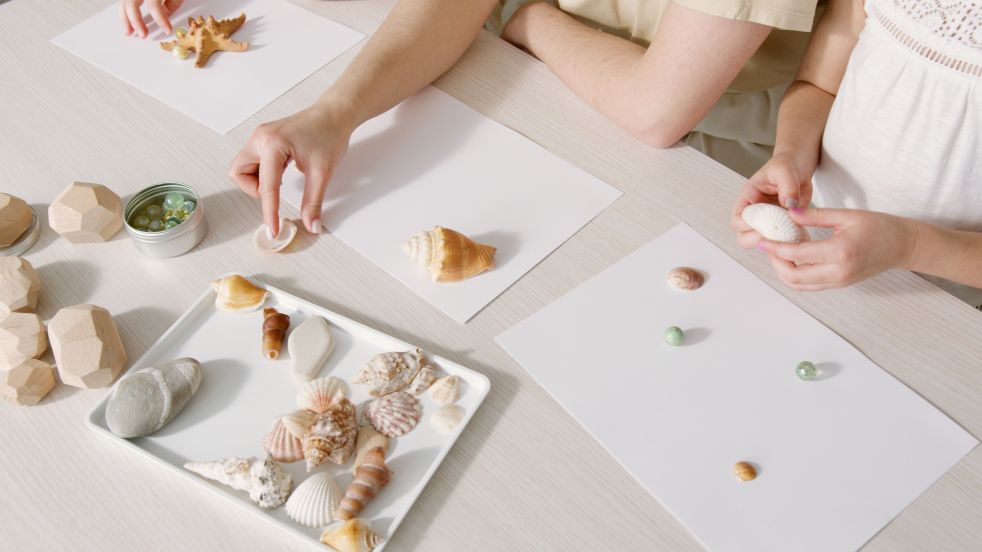
What if we don’t launch Writing Workshop in August? Last year, I proposed this idea to our Kindergarten team: What if we started with Story Workshop instead? For several weeks, children composed stories through play, loose parts, clay, blocks, drawing, and oral storytelling, while receiving explicit phonics instruction each day. We weren’t waiting for them to be “ready” to write. Instead, we wondered what might happen if we gave storytelling and composition more time and space before asking written language to carry so much of the load. By the time we launched Writing Workshop in October, we noticed some exciting changes. In this post, I share what we tried, what we noticed, and why we’re excited to try it again this year.
Author: Ana Valentina Patton
I aim to be a learner, not a knower.
If I forget, please remind me.


The Grocery List for Next Year’s Writing Workshop
By May, many teachers are surviving on countdowns, iced coffee, and the promise of summer break. But what if this is also when some of the most meaningful planning for next year begins? In this post, I reflect on the small frustrations, routines, and workshop moments that can become useful clues for building a stronger writing classroom in August.
Share this:

Share this:
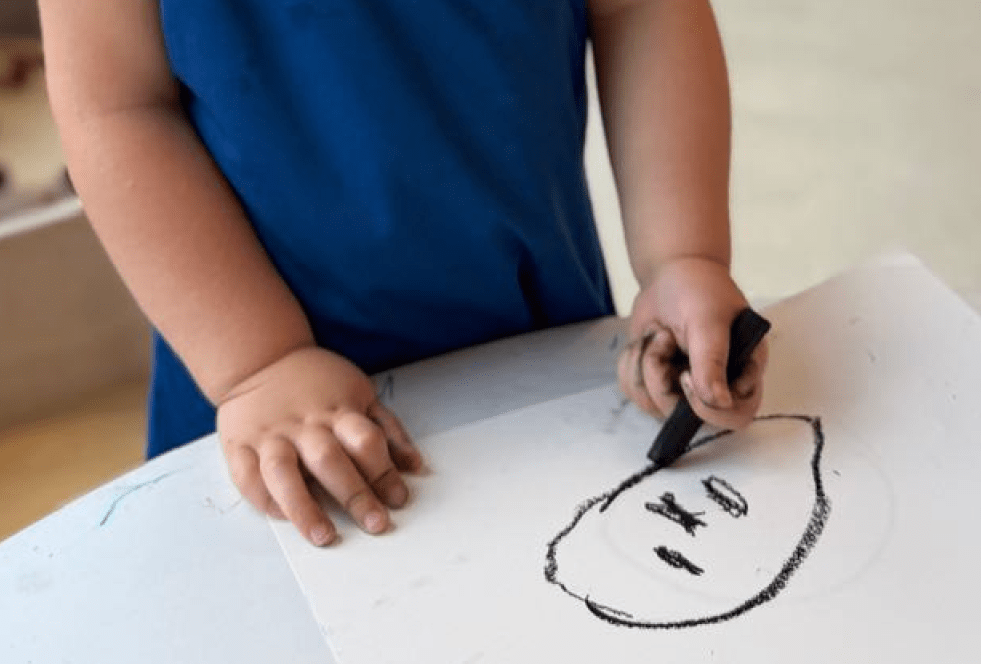
What Adults Make Possible When Children Begin Writing
Writing begins with meaning. As a parent and a coach at our school, I see writing in the earliest acts of communication. In gestures, in marks, in the stories children tell about their drawings. In this post, I share how we support that work with infants and toddlers and what it asks of us as adults. You’ll also find a few simple ways to carry this thinking into your classroom or home. -Ana Patton
Share this:

Share this:
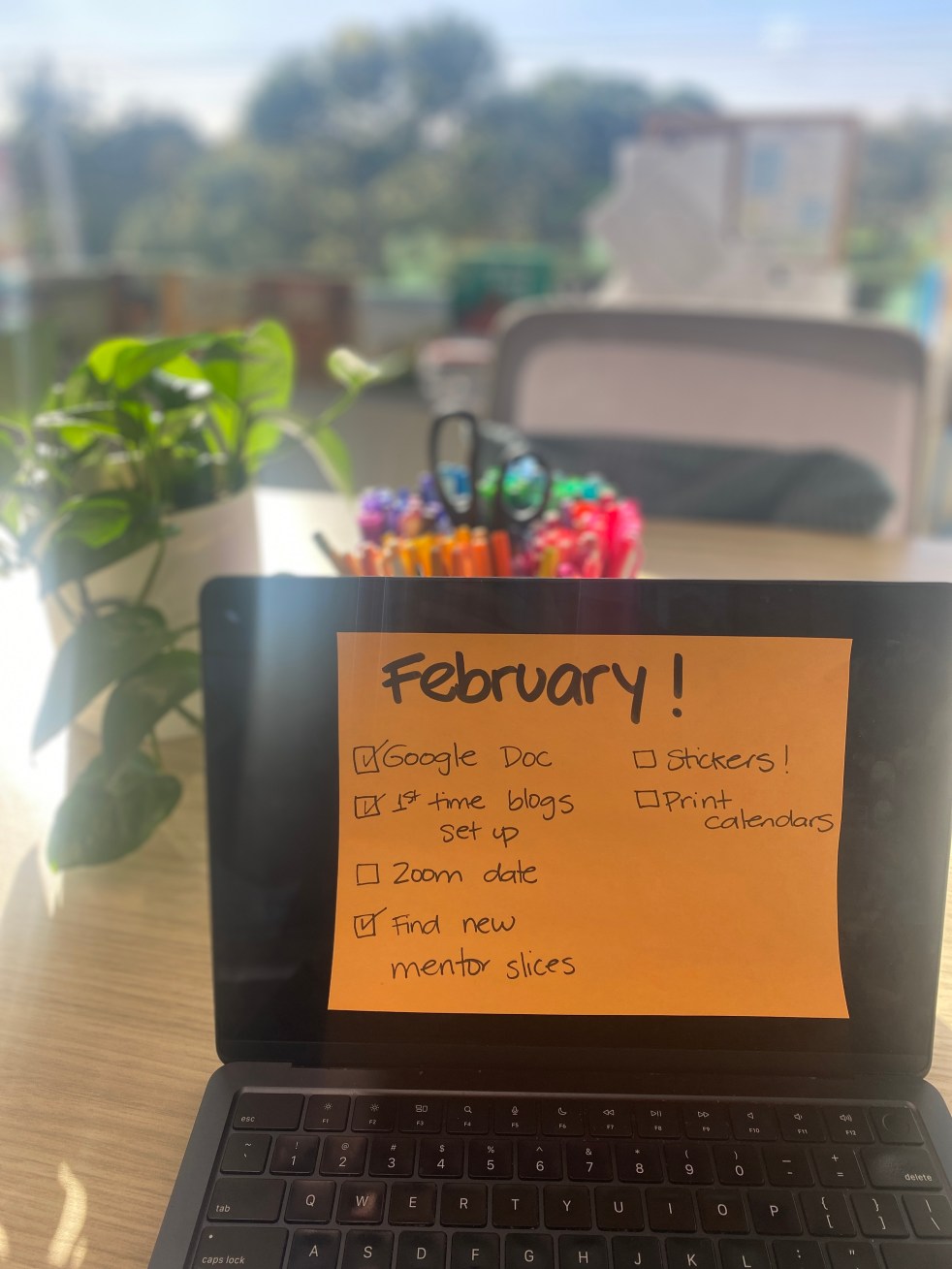
Building on “Rallying a Community of Writers”: A February Support System
Following Jessica’s invitation to rally a community of writers, this post focuses on the behind-the-scenes work of February. Before teachers begin writing together in March, they need systems, resources, and reassurance. Here’s how one shared Google Doc became a support system that helped teachers feel ready to show up.
Share this:

Share this:
Tiny January: A Simple Plan to Train for SOL
I’m thinking about writing challenges the way runners think about races: you don’t just show up; you train. In this post, I’m treating January as a practice season for March, focusing on consistency over perfection. One sentence a day. Low stakes. Building trust in my writing muscles. If you’re feeling the nudge to write too, come train alongside me.
Share this:

Share this:
Three Shifts Toward Becoming a Present Writing Teacher
Writing Workshop helped me rediscover my love for writing and the importance of being a teacher who writes. This post explores the barriers that hold us back and the small shifts that help us show up as present writers. If you’ve ever said “Yes, but…,” this is for you.
Share this:

Share this:

When Reggio Meets Writing Workshop
Working in a Reggio-Emilia-inspired school has allowed me to see writing workshop practices through new lenses, bringing greater depth to the art of teaching writing, to how students and teachers collaborate, and to the power of documenting student learning.
Share this:

Share this:
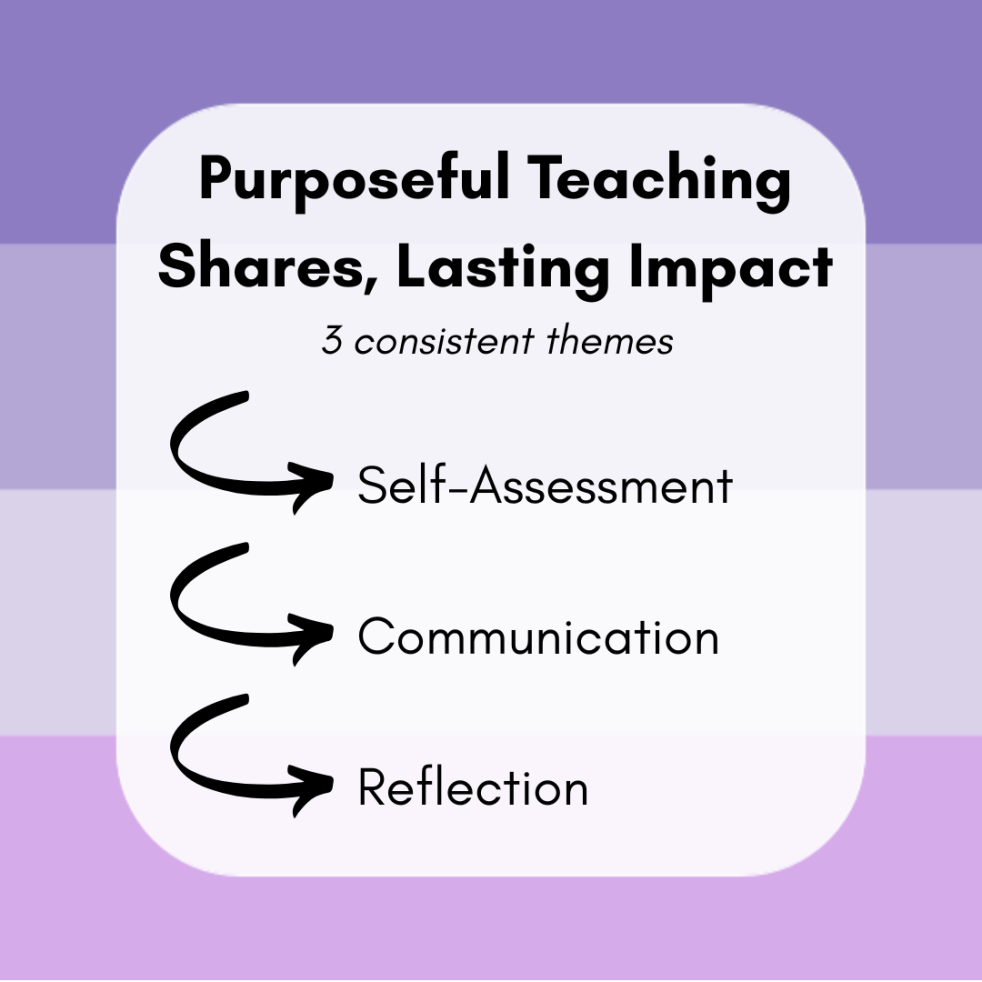
Purposeful Teaching Shares, Lasting Impact
The teaching share may take only a few minutes, but its impact is lasting. When we close writing workshops with self-assessment, communication, and reflection, we show students that writing is never done—it’s a cycle of noticing, trying, refining, and reflecting.
Share this:

Share this:
From Talk to Text: Launching Writing with Conversation
How a few minutes of talk can spark ideas, boost confidence, and fill notebooks with writing kids care about.

