
On-demands can tell us so much more than what appears on the finished page. By actively observing writers, offering thoughtful scaffolds, and documenting what happens along the way, we can gather valuable information about students’ processes, habits, and needs—and use those insights to decide what to teach next.


Inspiration for the New School Year
As I begin a new school year, re-reading Vivian Gussin Paley's "The Boy Who Would Be a Helicopter" provides great inspiration for how I can position myself as a teacher of writing to young children.
Share this:

Share this:

It’s Tuesday! Join us for Slice of Life!
Write, share, give.
Share this:

Share this:

The Life Cycle of a Post-it: Helping Readers Grow Their Thinking
New to teaching writing about reading—or supporting someone who is? This post offers a concrete way to introduce jotting without turning it into an interruption or another task students complete simply because the teacher requires it. Students learn to pause, capture an emerging thought, and return to reading. Later, they revisit and sort their jots, often alongside a partner, club, or teacher, to decide which ideas are worth developing in their reading notebooks. A quick jot can be the beginning of much bigger thinking when students are taught how to grow an idea through writing.
Share this:

Share this:
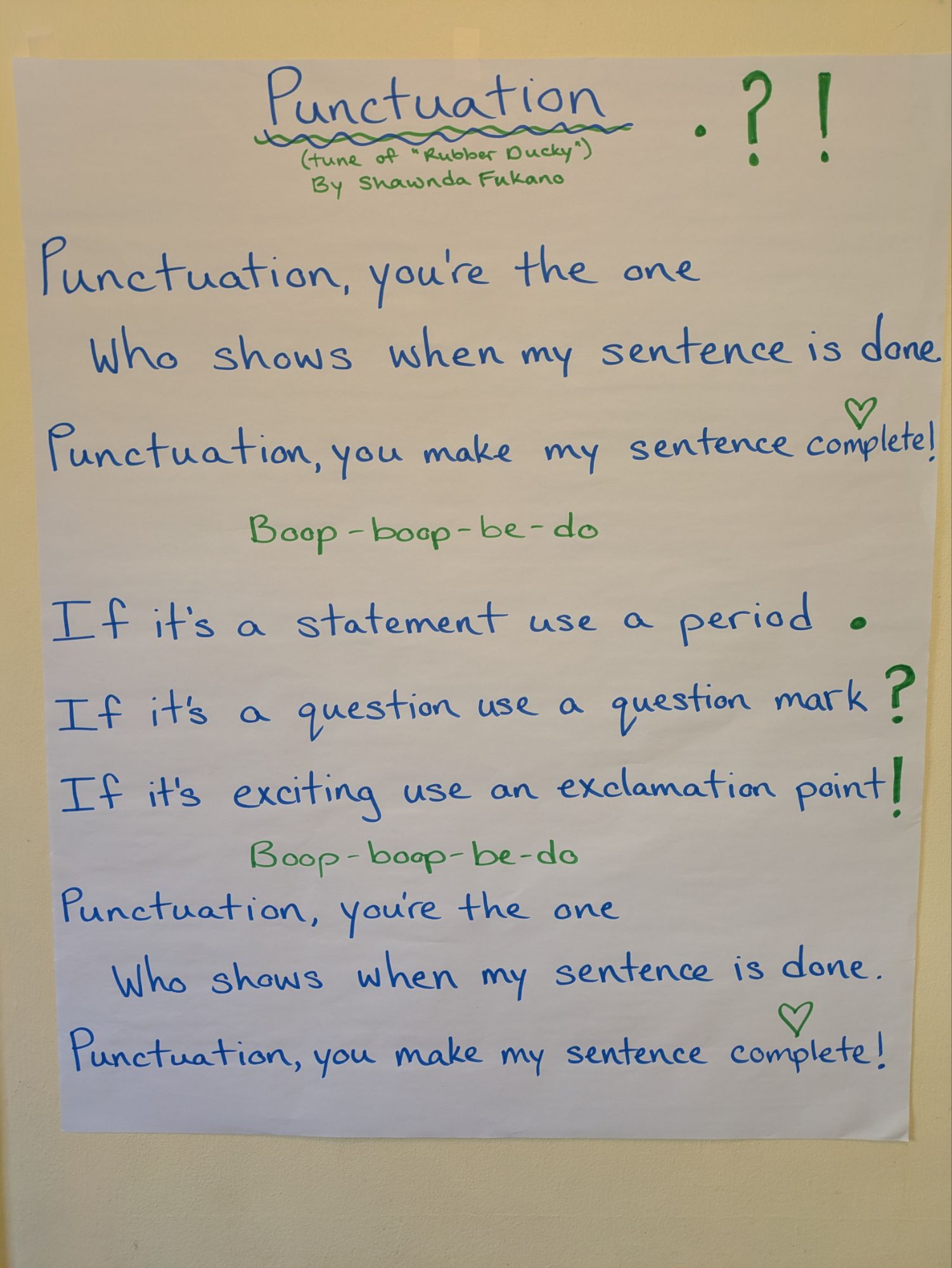
More Chants for Handwriting and Conventions
Check out these three chants I wrote to help primary students with handwriting and conventions!
Share this:

Share this:
It’s Tuesday! Join us for Slice of Life!
Write, share, give.
Share this:

Share this:

Even When It’s Hard: How I Kept Writing (and Healing)
Every autumn, I come back to reflective writing as part of my high holiday ritual. Last year, keeping a steady writing practice was tough while I recovered from cancer surgery and treatment, but I kept at it. Writing through hard times helped me heal, find moments of joy, and keep growing, one page at a time.
Share this:

Share this:

I’m From “I Think” to “The Evidence Suggests”: Growing the Language of Argument
Sometimes students' thinking has grown, but their writing language hasn't caught up.
Share this:

Share this:
It’s Tuesday! Join us for Slice of Life!
Write, share, give.
Share this:

Share this:

Using AI As a Revision Tool (This Tip is NOT What You Think!)
Giving kids the opportunity to engage in authentic revision matters, and pairing this work with tech tools and visual imagery takes it to a whole new level. By tapping into precise language and creative thinking, students can enhance their writing skills and take ownership of the revision process.
Share this:

Share this:
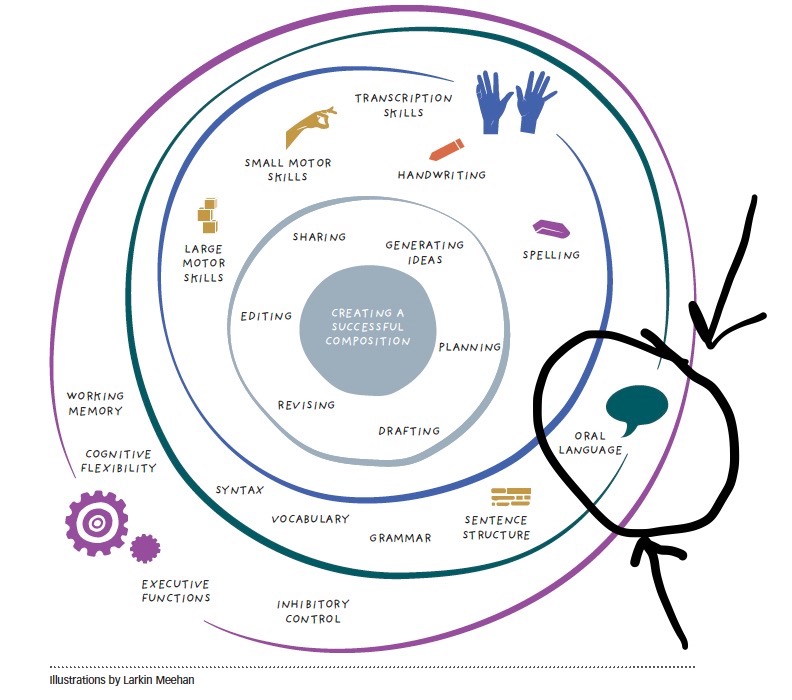
Connecting Caregivers: The Importance of Oral Language
While there are opportunities to build oral language throughout the day in classrooms, caregivers have the potential to play impactful roles, as well. Therefore, I have created a couple of resources that you can share almost as-they-are, tweak, or overhaul…let’s work together to connect caregivers with literacy development!
Share this:

Share this:
It’s Tuesday! Join us for Slice of Life!
It's Tuesday! Write, share, give.
