
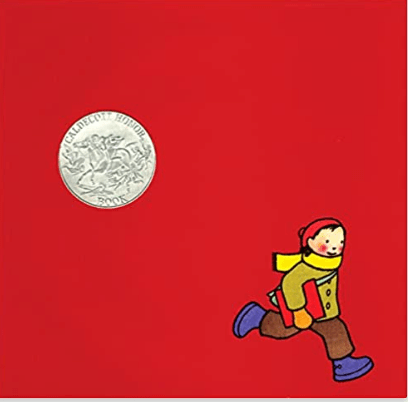
I have to face facts: February is a SLOG for me as a writing teacher. We’re just past the point of knowing the expectations and settling into our routine, but we’re just not quite to the point where all of the pieces start to fall together. There’s magic in the works, but oh! I’m just waiting for it to happen. Now is about the time of year when I’m looking for something - anything! - to get us out of the rut we’re in, spark our creativity, and work on some of that classroom magic I’m seeking. And for me, one of my favorite sources is wordless texts. Animated shorts, wordless books, you name it! They’re perfect for so many reasons. Today, I’ll share some of the ways I love using wordless texts for writers of all strengths and levels of readiness.
Author: Lainie Levin
Mom of two, full-time teacher, wife, daughter, sister, friend, and holder of a very full plate


Overview of the 11th Annual Classroom Slice of Life Story Challenge
It’s the middle of January. Where I live, that means blustery weather, dreary forecasts, and ALL the snow gear. It’s also a good time to think ahead to spring, which promises warmer temperatures, more sunshine, and – of course! – all the stories our students will share in the 11th Annual Classroom SOLSC! In this post, I’ll answer some frequently-asked questions about the Classroom Slice of Life Story Challenge.
Share this:

Share this:
The Best Gifts for the Writing Teacher in Your Life
Now is the time of year where I find endless gift lists online: what to get the foodie or the music guru or the athlete or the you-name-it in your life. In that same spirit, I’ve chosen to curate a gift list for teachers of writing, and the folks that support them. I know there are lots of lists for writers out there already. Many suggest pens, headphones, or comfy chairs, but my list is different. Being a poet at heart, I tend to live in metaphor. My list, then, is a collection of things writing teachers owe ourselves and one another - a collection we can’t find on Amazon or Etsy, no matter what search terms we use. So, without further ado, here are my recommendations...
Share this:

Share this:
When The “Help Desk” Fails: Rethinking Support for Writers
The Setup: Help Desk, Open for Business It started out like any other writing workshop time. Kids were settling into their work spots, some grabbing keyboards, others tapping away on their iPad screens. There was a certain level of productive noise as students figured out what projects they wanted to work on and how, and… Continue reading When The “Help Desk” Fails: Rethinking Support for Writers
Share this:

Share this:

Stronger Together: How Tech Specialists Can Support Writing
Today, Two Writing Teachers brings you a voice from the community. Anna Davis is a Technology Integration Coach for Northbrook / Glenview District 30 where I teach. Anna's pretty humble in her responses, so I'll take it upon myself to tell you: Anna works miracles. It's not just that she comes with a wide range of knowledge about apps, strategies and hardware. Anna helps teachers like me articulate goals for students, choose effective (and exciting!) ways to get there, and she offers hands-on support both in and out of the classroom. I can only hope that every school has an Anna. Here's what she had to say.
Share this:

Share this:

It’s Tuesday! Time for the Slice of Life with #TWTBlog!
Here we are, once again, at one of my favorite times of the week: the Tuesday Slice of Life post. Write, comment with your blog link, and share the joy by commenting on at least three others' posts. Happy writing! Words have the power to really help us take in the world around us, understand… Continue reading It’s Tuesday! Time for the Slice of Life with #TWTBlog!
Share this:

Share this:
It’s Tuesday! Welcome to Slice of Life with #TWTBlog
It's time for the Tuesday Slice of Life! Live a little, write a little, share a little. Post your blog link in the comments below, and don't forget to share the love by commenting on posts from three other Slicers. Happy writing! "Writing, to me, is simply thinking through my fingers." Isaac Asimov
Share this:

Share this:

Trusted Reader Circles: The Power of Having Writing Peers
Students care about writing when they know they’re being read. When they feel the power that written expression holds for themselves and one another, THEN they have a true desire to practice and improve their craft. Until then, it’s just routines and class assignments and writing prompts.
Share this:

Share this:
It’s Tuesday! Welcome to Slice of Life with #TWTBlog
It's time for the weekly Slice of Life post, and we'd love to hear what you have to say to the world today! Write, copy your blog link into the comments, and respond to the work of three amazing members of this writing community.
Share this:

Share this:
It’s Tuesday! Welcome to Slice of Life with #TWTBlog
It's Tuesday! That means it's time to write, share, and enjoy the work of others. Craft your slice, drop a link in the comments, and respond to at least three other Slicers' posts. While you're at it, enjoy this inspiration from Garth Greenwell, author of Cleanness: "To write a story or a poem or an essay is to make a claim about what we find beautiful, about what moves us, to reveal a vision of the world, which is always terrifying; to write seriously is to find ourselves always pressed against not just our technical but our moral limits."
Share this:

Share this:
Talking it Out: Oral Language as a Tool for Revision
It’s no secret that storytelling helps children develop a sense of story. It’s no secret that oral language supports kids who don’t yet have the mechanics of writing. And it’s no secret that storytelling and oral language allow students to compose writing in a low-risk, often fun way. What many don’t realize, however, is that oral language can support writing throughout the writing process, and that learners of all ages - through adulthood! - can benefit from bringing oral language into the picture. In this post, I’ll share a few activities that highlight the way oral language can strengthen writing instruction. Focused on later parts of the writing process, these activities support revision and feedback. I’ll explain each activity, tell you why I love it so much, and offer tips for adapting each one for different learners.
Share this:

Share this:
Taming the Clutter: Bringing Focus to Professional Learning
Sometimes, I am overwhelmed with the amount of new learning about writing that I wish to incorporate. I’ve come to realize I’m not alone. I’m not the only person with more resources and ideas than they know what to do with, and I‘m not the only one who risks inertia because I don’t know where to start. If that’s also you, or someone you know and love, I’ll be sharing my process for how I work my way to more clarity and focus.

