
Write, share, give. It's time for Tuesday Slice of Life!


Ring in the New Year with Crystal Clear Goals: Reflective Practice
New year = new goals. What if we zoom in and focus on just one goal to teach our writers with clarity and intention?
Share this:

Share this:
It’s Tuesday! Join Us for Slice of Life!
Write, share, give. It's time for Tuesday Slice of Life!
Share this:

Share this:
It’s Tuesday! Join Us for Slice of Life!
Write, share, give. It's time for Tuesday Slice of Life!
Share this:

Share this:

Inquiry: From the Archives
For this From the Archives post, I have chosen pieces that provide a variety of interesting perspectives on how inquiry can be used in the writing classroom.
Share this:

Share this:
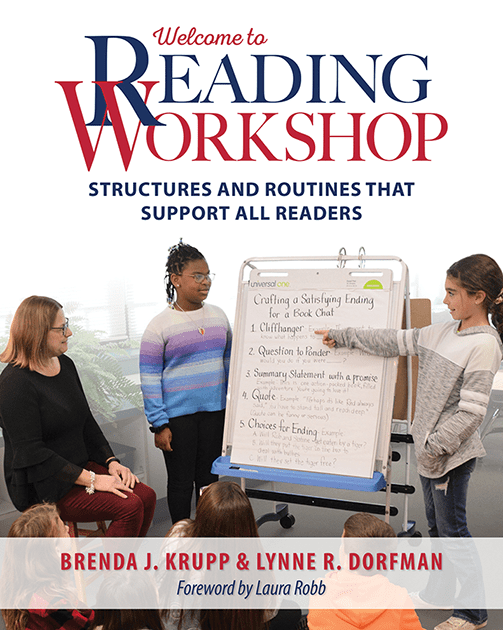
Written Response in the Reader’s Notebook
Welcome to Reading Workshop: Structures and Routines That Support All Readers offers K-6 teachers a guide to setting up and sustaining a successful reading workshop. In this post, we'll dive into one part of this book, which encourages students to write about their reading and keep readers' notebooks.
Share this:

Share this:
It’s Tuesday! Join Us for Slice of Life!
Write, share, give. It's time for Tuesday Slice of Life!
Share this:

Share this:
Putting Research Within Reach: Scaffolds to Support Students (and Keep Teachers Sane)
We can provide rich, authentic research experiences for our writers while also scaffolding to avoid the “messiness.” The answer lies in adjusting the parameters of our expectations–much like a DJ using a soundboard–to tailor our teaching to what students need.
Share this:

Share this:

Biweekly Recap #ICYMI
Every other week, we are sharing a round-up of recently published blog posts, and I am excited to share some posts I loved over the last couple of weeks!
Share this:

Share this:
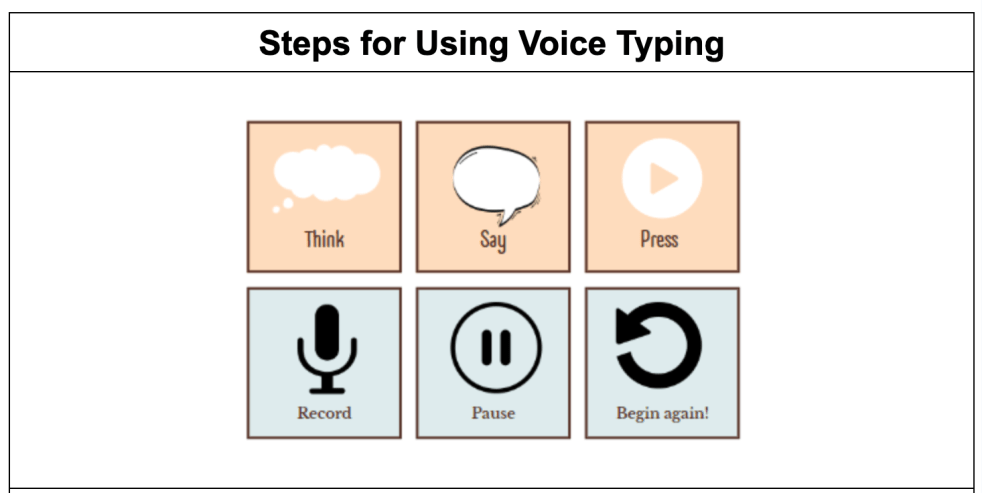
Exploring Voice Typing During Writing Workshop
How one school is exploring the use of voice typing to help all students see themselves as writers.
Share this:

Share this:
It’s Tuesday! Time for Slice of Life!
Write, share, give. It's time for Tuesday Slice of Life!
Share this:

Share this:

Ready-to-Go Tip: Give it a Go!
As a teacher of gifted students in a high-performing district, I struggle with ways to break my students from perfectionist tendencies. For the longest time, I’ve pictured my ideal: students recognize strong style or craft, then try it for themselves. But how could I teach or structure it?

