
Write. Share. Give.
It’s Tuesday: Welcome to the Slice of Life!
Write. Share. Give.
Write. Share. Give.

One of the most important things I've learned as a teacher of writing in kindergarten is to trust the process no matter how messy it gets.

Welcome to Slice of Life for the month of November! We hope you will share your writing with us and also make comments on the writing of fellow Slicers. Thank you for participating and making space for this meaningful work.

ICYMI: Here's a roundup of our blog posts and podcast episodes that went live in the past two weeks.

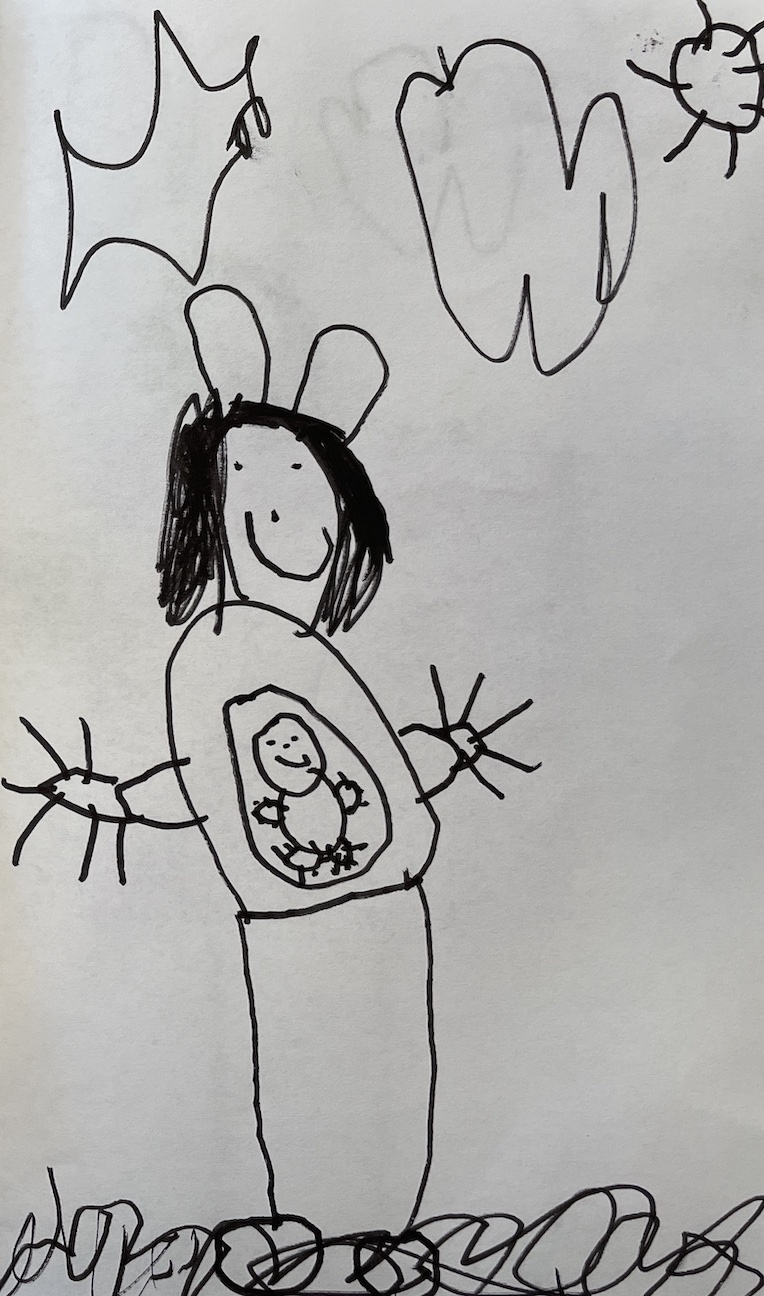
When children are invited to write and draw freely, it gives us a window into their inner selves. I like to use journals during quiet time to strengthen and deepen my students' relationships to writing outside of writing workshop.

How will you set a positive and inclusive tone for writing in the first few weeks of school?

As you settle into a new school year, we hope you'll find some time to read (or re-read) the most recent posts from #TWTBlog!

Do you have a co-teacher this year? How might it benefit your writing workshop planning, instruction, and assessment practices? Read on to learn a few tips and tricks for making the relationship work as smoothly as possible.

Whether you've been teaching writing for decades or you're just completing your first year, there are always so many questions to ask oneself when reflecting upon the school year.

One of the things I value most about young children's writing is what it reveals about them: how are they learning to make sense of their world? Here I share three recent examples of stories written by some of my four-year-old students.

Whether you're a veteran teacher or early on in your career, there's always something to be gained from brushing up on the ins and outs of interactive and shared writing.

Parents want to support their children with writing at home, but often do not know where to begin. This post provides some simple ideas you can share with them.