Estimated Reading Time: 2 Minutes (426 Words)
Target Audience: Classroom Teachers, Literacy Coaches, and Educational Leaders
A Backstory
Right before our fall parent–teacher conferences, our principal dedicated a faculty meeting to grade-level teams calibrating what we would share with families, including which work samples we would bring to conferences. Teams dispersed to discuss expectations, examine student work, and align on what felt most meaningful and representative.
By the end of the meeting, each grade level created a brief display of their thinking and sample artifacts so the full faculty could engage in a gallery walk. The goal was cohesion, not consistency for its own sake, but a shared understanding of what we value and how we communicate student learning.
Why It Matters
Moments like this shape more than conferences; they shape culture. When teachers collectively define what student work should look like and how growth is communicated, we can paint a clearer picture of where students are currently working and what their next steps might be. Calibration strengthens instructional alignment and helps ensure that what we celebrate and emphasize reflects shared learning goals rather than individual preference.
Perhaps most importantly, this work reminds us that conferences are not standalone events. They are extensions of our instructional beliefs-opportunities to communicate how we see students, how we define progress, and how intentionally we partner with families.
The Details
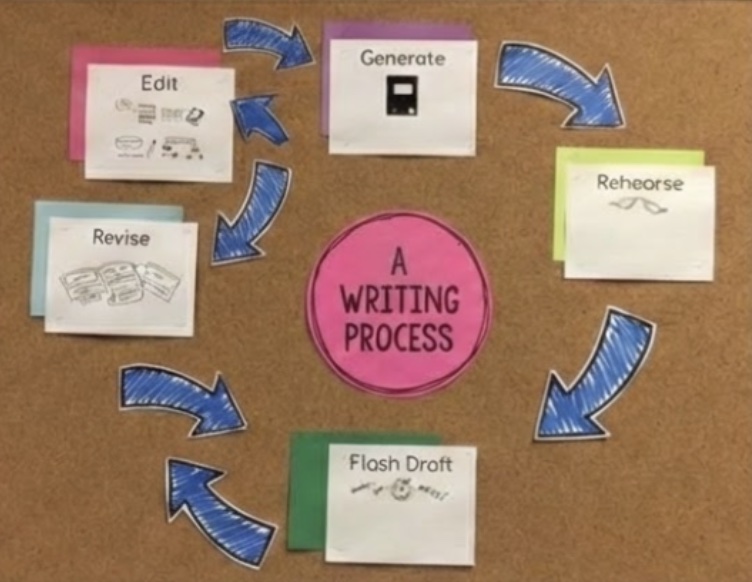
When considering what to share in writing, our fourth-grade team presented a continuum of student work that not only highlighted the writing happening in their classrooms each day, but also communicated the value of every step in the writing process. Their samples from a unit of study showcased:
- Idea generation and experimentation captured in student notebooks before drafting
- Writing plans
- Drafts
- Revisions
- Students’ final pieces

Together, these artifacts told a powerful story: writing is not defined by the final product alone, but by the ongoing work and growth that occurs throughout the process.
What stood out most was the intentionality behind the display. Rather than centering polished pieces, the team elevated the often invisible work of writers- the experimentation, the risk-taking, and the reworking of ideas. The message was clear: growth lives in the process.
One Final Thought
The kind of representation our team assembled powerfully reinforces the true purpose of conferences. When families are invited to see the full scope of learning, conversations naturally shift from “How good is this piece?” to “How is this writer growing?” The artifacts become visible evidence of development over time. This is the deeper work of what a conference could be, not simply sharing outcomes, but highlighting the learning journey.
Go Deeper
Earlier this week, Betsy Hubbard wrote a great post, When Writing Progress is a Concern: Talking with Parents, about communicating concerns around writing with parents. If you’re heading into parent- teacher conferences or planning to communicate with parents about writing, this is a must-read.
Discover more from TWO WRITING TEACHERS
Subscribe to get the latest posts sent to your email.


I’m heading into p/t conferences next week and this was a really helpful and timely post. Thank you!
LikeLiked by 1 person
So glad! Conferences started at our school today!
LikeLike
What beautiful conferences this approach must have created. I wish my kids’ teachers had shared the writing process like this!
LikeLiked by 1 person