Estimated Reading Time: 5 minutes 11 Seconds (Contains 1038 words.)
Primary Audience: Classroom Teachers + Literacy Coaches

The Context
In a classroom, connections can click into place unexpectedly and, at other times, very intentionally. As we continue our conversation about modernizing mentor texts this week, I’m sharing the intentional use of texts with engaging topics, elements specific to the purpose behind the opinion genre, and accessibility.
The Big Picture
Engaging Topics
As students begin studying opinion texts, grabbing students’ hearts with relatable topics can be the entry point you need to build interest and momentum. This requires knowing your students through discussion, questioning, and observation.
- What do your students discuss within their friend groups?
- What questions can you ask that create a flurry of responses?
- What conversations occur right after recess or before lunch?
- What do students request from teachers and parents?
Knowing the answers to these questions about my students helps me consider what texts to provide when supporting argument writing. For instance, using devices during school hours is a highly contentious topic among the seventh and eighth graders I work with every day. Many perspectives and opinions exist about digitizing classwork, using phones in the classroom, and blocking sites. These are engaging topics for my students.
The Purpose
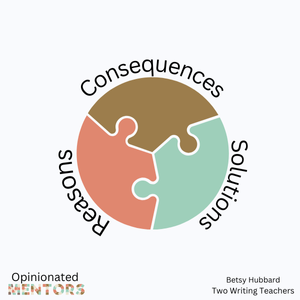
The elements of opinion writing, from a kindergartener’s note to an eighth grader’s essay, share a common purpose: making their voice heard. While structures vary in sophistication, a central statement and evidence provide a foundation for engaging elements that distinguish one opinion piece from another.
Accessibility
Where can we find texts with these elements? I’m sharing some digital spaces with free-use access to ensure you can quickly locate mentor texts to share, print, or display for student use.
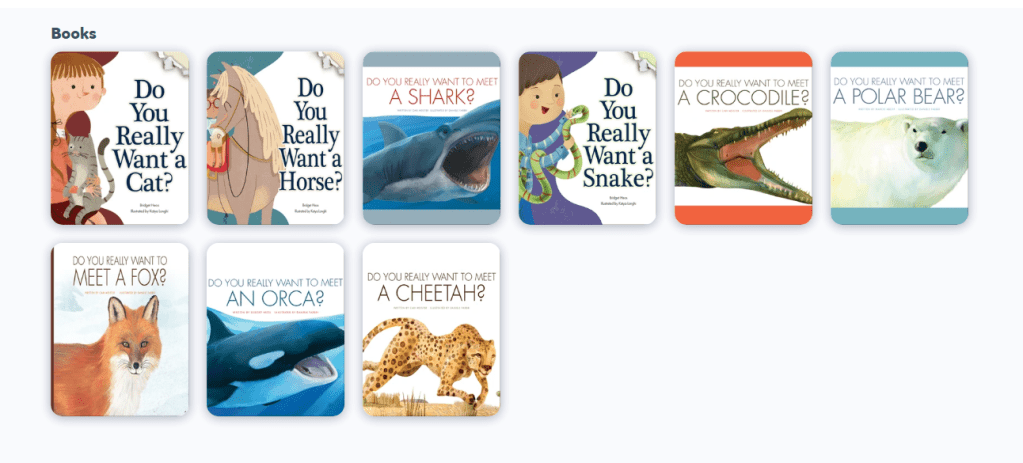
For Elementary students, GetEpic continues to be a source of engaging texts. With a free educator account, teachers can share with students or engage in a read-aloud, allowing for a joint experience around the elements of the text. I gathered a small collection of stories to capture your elementary students’ attention.
Readworks and CommonLit are free sites offering quality opinion and argument texts for intermediate students. These texts can be downloaded, printed, or shared digitally with students.
How It Works
Using the same introductory structure Stacey Shubitz uses in Craft Moves, we need to identify and name the move, discuss why an author uses it, and then dig into how we can try it ourselves as writers.
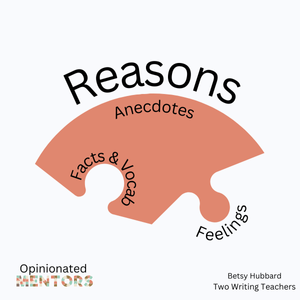
In books like the ones I shared above, Do You Really Want a Snake and Do You Want to Meet a Polar Bear, the authors incorporate questions, facts, and feelings into the text. For young writers, learning to support their reasons using informative facts can be persuasive. The following Readworks article from the National Fish and Wildlife Foundation, “Saving Salmon,” moves readers by using two types of supportive details within opinion writing.
Craft: Informative Facts and Specific Vocabulary
Why it’s used: To offer supportive evidence that is indisputable and teach the reader.

How to use this: Introduce vocabulary new to readers, such as vitamins or nutrients. Students might be familiar with this if they take a multivitamin or have looked at the side of a cereal box. This leads to how these specific vocabulary words connect with readers and help them understand that salmon play an essential role in their environment. Based on the article, salmons’ contribution makes it indisputable that they should be protected in their natural habitat.
Invitation: Ask students to revisit their opinion writing to see if indisputable facts or technical language can teach their readers. Explain that not every craft move works with different topics but can be considered in the revision process.

CommonLit is an excellent resource for all genres and grades. Below I have shared an example from the article “Should We Get Rid of Daylight Saving Time?” by Mackenzie Carro. Targeted at fifth graders but easily adaptable, it contains argument elements, rhetorical questions, and examples of cause-and-effect with balanced perspectives.
Craft: Cause-and-Effect
Why it’s used: Using real-life examples that show a cause-and-effect relationship makes the argument relatable.

How to Use This: Discuss with students the impacts of daylight saving and consider classrooms outside these areas. This example illustrates the stakes and importance of the argument. Using student examples or topics like limited recess and short lunches, explore how actions have consequences and how cause-and-effect relationships significantly impact people.
Invitation: Ask students to revisit their writing to look for examples of cause-and-effect relationships that might be strengthened or more directly stated. They must first examine their argument and the cause and then consider the impacts or effects of the issues they are writing about.

From Scholastic Choices, through CommonLit, the article “Do Teens Need Recess?” gives readers a balanced tone, personal anecdotes, and facts that strengthen the argument. Below is an example from this article.
Craft: Balanced Tone
Why it’s used: A balanced tone highlights both sides of an argument without pushing the reader. Instead, the reader is encouraged to weigh all the information and decide where they stand.
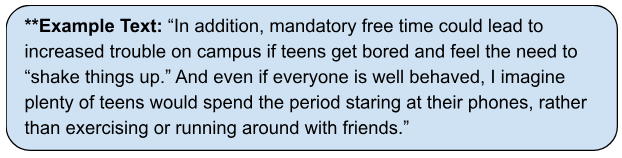
How to use this: This writer’s tone is respectful while being firm. You don’t want to boss your reader into agreement when writing an argument. The goal is to present information that leads them to a similar conclusion. Presenting counter-claims or both sides of an issue gives a reader the sense that you have done all the work for them, and all they need to do is decide where they stand.
Invitation: Encourage your writers to research the counterclaims of their topics to help strengthen their stance.
The Bottom Line
These texts, as well as others within these accessible resources, provide a strong foundation for students as they experiment with techniques and elements of opinion writing. As you continue to guide your students, remember that each connection made, whether intentional or unexpected, will grow more confident and thoughtful writers.
*To find the article “Saving Salmon” on Readworks, visit their website and create a free account. When navigating the site, click “Content” and search within the site to locate the article using the title. The National Fish and Wildlife Foundation has several articles for young readers and writers to visit.
**To find the article “Should We Get Rid of Daylight Saving Time?” or “Do Teens Need Recess?” from CommonLit, visit their website and create a free account. From there, you can use the search bar located on the site to search for the title. CommonLit allows you to do advanced searches for specific standards, grade levels, and topics from multiple genres.
Giveaway Information

This is a giveaway of Craft Moves: Lesson Sets for Teaching Writing with Mentor Texts by Stacey Shubitz, donated by Stenhouse Publishers (Routledge). To enter the giveaway, readers must leave a comment on any MODERNIZING MENTOR TEXTS by Mon., 1/20 at 12:00 PM EST. The winner will be chosen randomly and announced on Thurs., 1/23. The winner must provide their mailing address within five days, or a new winner will be selected. While TWT readers from around the globe are welcome to leave a comment, you must have a U.S. mailing address to win the book.
Discover more from TWO WRITING TEACHERS
Subscribe to get the latest posts sent to your email.


I appreciate the variety of resources that were suggested of where teachers can find mentor texts for opinion writing. This was very helpful. It was also a good reminder for me of the importance of naming the craft move being used by an author and explaining to my writers why this move was used.
LikeLike
I appreciate the variety of resources that were suggested of where teachers can find mentor texts for opinion writing. This was very helpful. It was also a good reminder for me of the importance of naming the craft move being used by an author and explaining to my writers why this move was used.
LikeLike
This book looks like a gem of a resource for teachers! I would love to explore it more thoroughly. Thank you for the informative article!
LikeLike
This year I have done a deeper dive into opinion/ argumentative writing. Thanks for this visual example of the elements I’m trying to teach. There is so much to this type of writing; however, I find it is also engaging when students are given freedom to choose their topic.
LikeLike