| Estimated Reading Time: 4 minutes, 598 words | Primary Audience: Early Childhood educators, administrators, parents, and caregivers |
A Coach and a Mom
Every day, my 3-year-old’s teachers send a digital journal with photos from her school day. In those, I get to see her learning in small moments: shaping clay, making marks with watercolors, arranging things at the light table, and talking about her drawings. Storytelling is part of her school life.
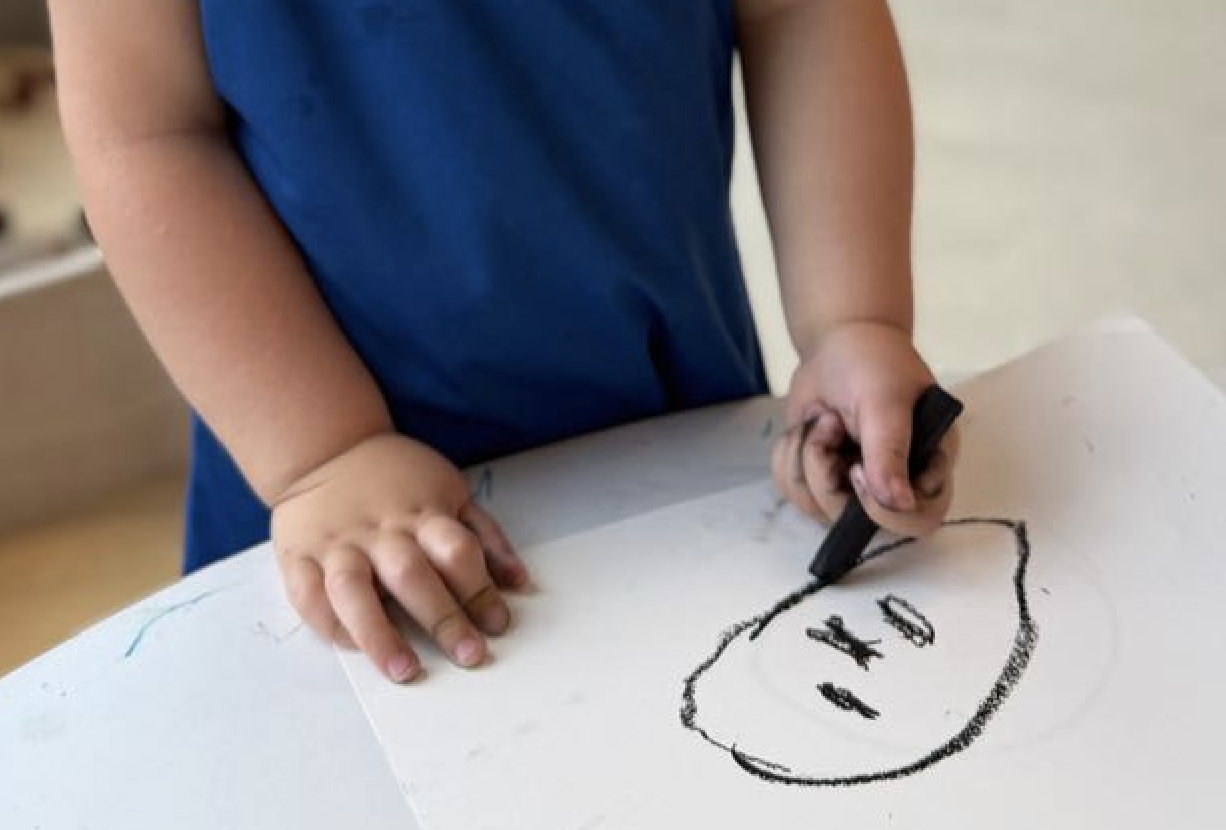
As a literacy coach, I enjoy seeing how her teachers support her language development through the experiences they plan for all students. In those journals parents receive, they transcribe children’s words beside a drawing or a photo of them in action. They know such experiences are early acts of writing.
After reading Jenna’s post about drawing as a pre-writing activity in PreK, I thought about these moments in my daughter’s toddler class. Writing starts when adults notice children making meaning, long before shapes or letters make an appearance.
I often speak with parents who expect to see letters too soon. I explain that writing begins with storytelling, drawing, and a sense of self. When children communicate what they see, experience, and wonder about, they are composing. When a child shares a drawing and names it, they are writing.
Before Preschool
At our school, we work with children from infancy through elementary grades. We are lucky to see them grow from splashing paint during tummy time to composing essays years later. What links those early experiences to later writing isn’t just skill, it’s identity.
Before children learn the mechanics, they need to see themselves as writers. Identity shapes how they approach writing, what risks they take, and how they make meaning. That identity is built through intentional experiences where children interact with peers, adults, and materials.
Infants, Toddlers, and Writing Identities
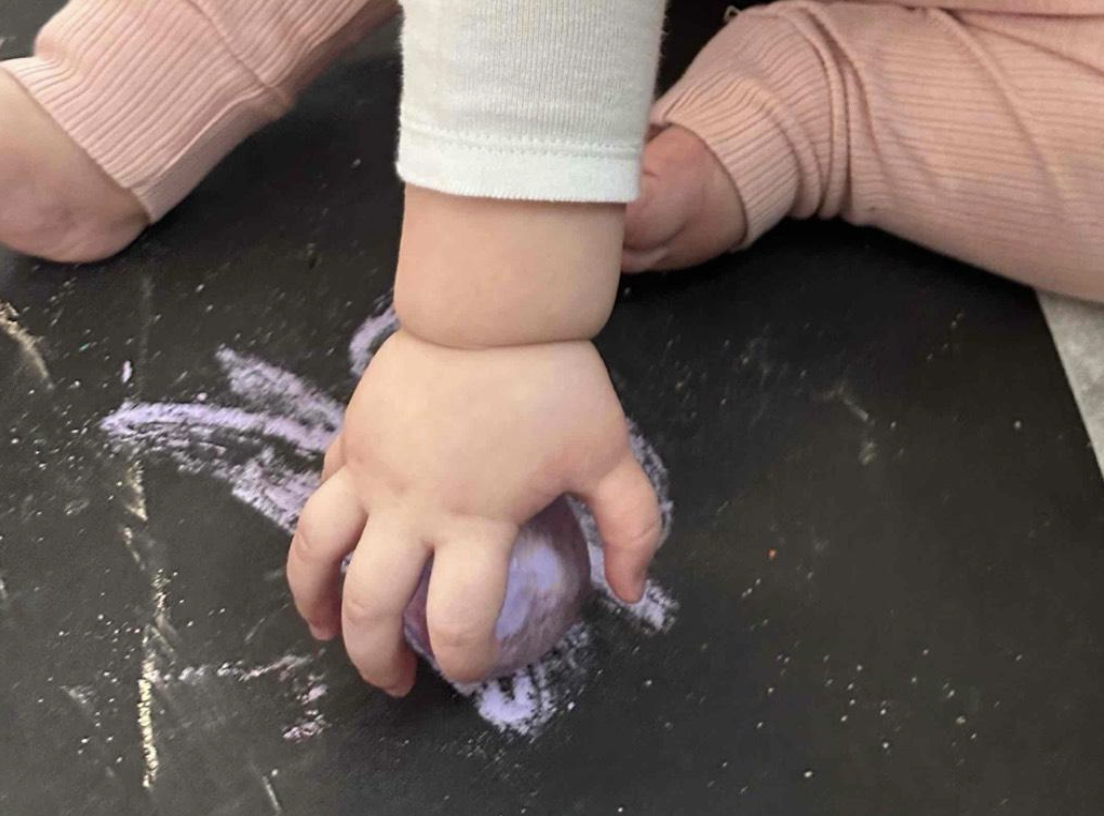
Writing is a symbolic act of communication. The role of the adult is to support young children in building that identity.
The teachers I work with are intentional in their approach. They pause, listen, ask questions, and give children room to share their ideas. They offer words when needed, always respecting the meaning behind each child’s marks.
When adults take over by naming or directing too quickly, writing can become something children perform. When children are positioned as meaning-makers, their marks become purposeful, and their voices grow stronger.
In Reggio-inspired classrooms, this belief is visible in daily experiences. Children use clay, paint, wire, and loose parts to represent ideas. They revisit shared experiences and represent them again through drawing, building, or sculpting. Their words are documented and displayed, making their thinking part of the classroom story.
The goal is to represent meaning. Writing is one of many languages of expression.
What this Looks Like in Practice
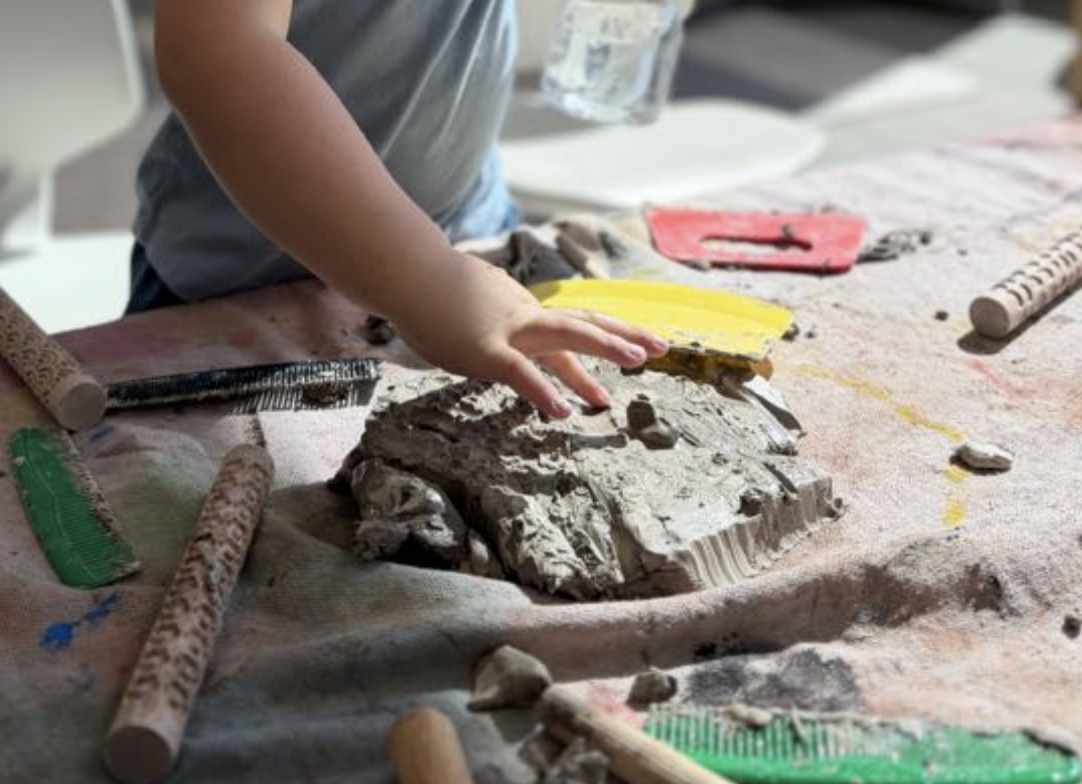
- Offer young children experiences with open-ended materials such as clay, wire, and natural objects for representation.
- Sit beside children and wonder, “Tell me about it.”
- For parents: Value the message before the form and record their words when appropriate.
- For teachers: Document children’s words and display their work at their eye level.
- Invite children to revisit and expand their work.
- Offer language to extend ideas, not replace them.
- Make drawing and writing materials consistently available.
- Return to shared experiences and invite children to represent them again.
- Treat scribbles and early marks as intentional communication.
One Final Thought
Children who feel heard and see their ideas valued don’t start elementary school waiting to become writers. They already know they are writers. They understand that writing is about sharing, telling stories, and making meaning. This foundation helps them later with spelling, structure, and other writing skills.
By focusing on meaning in the earliest years, we are strengthening writing development.
Discover more from TWO WRITING TEACHERS
Subscribe to get the latest posts sent to your email.


