Estimated Reading Time: 3 minutes, 27 seconds. Contains 693 words
Target Audience: Classroom Teachers

Who They Are & What They Bring:
As teachers, we frequently work to build stamina in our writers. Stamina seekers are the writers in your classroom who may stumble along the path toward stamina. They are the perfectionists, the thinkers, and the gazers. These students may bring with them physiological hurdles that make writing difficult. All of these present unique obstacles that often are accompanied by a fear of failure, ruminating thoughts, and blank stares. The overlap each of these writers presents is we must determine their pace for learning and make decisions based on the observations and research we acquire for these students. Should we accelerate or decelerate? What barriers are in the environment or delivery of instruction? Do our expectations match the level of understanding?
A Backstory:
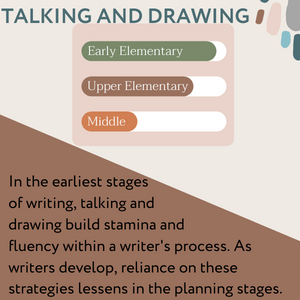
Stamina, in most contexts, is associated with strength. In writing, stamina reveals itself when writers have staying power, and so much goes into developing fluent, sustained writing. After teaching many different ages, I have relied on talking, drawing, and planning to be a way to build toward writing stamina. Each of these skills holds importance in a writing workshop, but the amount of time dedicated to these practices evolves as a writer’s stamina grows.
One student in particular, who I taught as a third grader, continued to struggle to start and sustain writing as an eighth grader. When in third grade, outside evaluations determined this student had dysgraphia. This neurological disorder presents with characteristics of writing difficulties like incorrect spelling, inconsistent letter sizes or proportions, and difficulty spacing letters and words. This, alongside diminishing confidence, made writing challenging. I allowed the student to control the goals we set, meeting frequently but not daily, and the gains were tremendous. Later, as an eighth grader, the student presented a continued need for support along with more resistance.
Once again, this meant meeting the student where the needs began.
This included:
- Alternative Spaces
This sometimes meant across the hall or in the conference room around the corner.
- Models of Paragraph Structure
This took some pressure off all the work of generating a paragraph from start to finish.
- Creating Momentum
Helping the student see the finish line of small steps allowed building toward a bigger piece of writing.
This is just one example of a student who benefits from creating an environment where stamina might be the goal, but it is reached with accessibility to tools needed for fluency.
Meeting Their Needs:
Educators can do more than merely make a writing process work for children by recognizing and accommodating their diverse learning requirements. These sometimes include 504 Plans or an Individualized Education Program (IEPs).
One method for increasing processing speed is to break down the skill to its barest parts. This can provide momentum for the student and avoid the barrier of “How do I start?”
Further, digital tools like talk-to-text and AI-powered aids such as Grammarly or Quillbot can be extremely helpful in jumpstarting or fine-tuning the writing process.
For example, take a look at the first paragraph in this section when re-written by Quillbot:
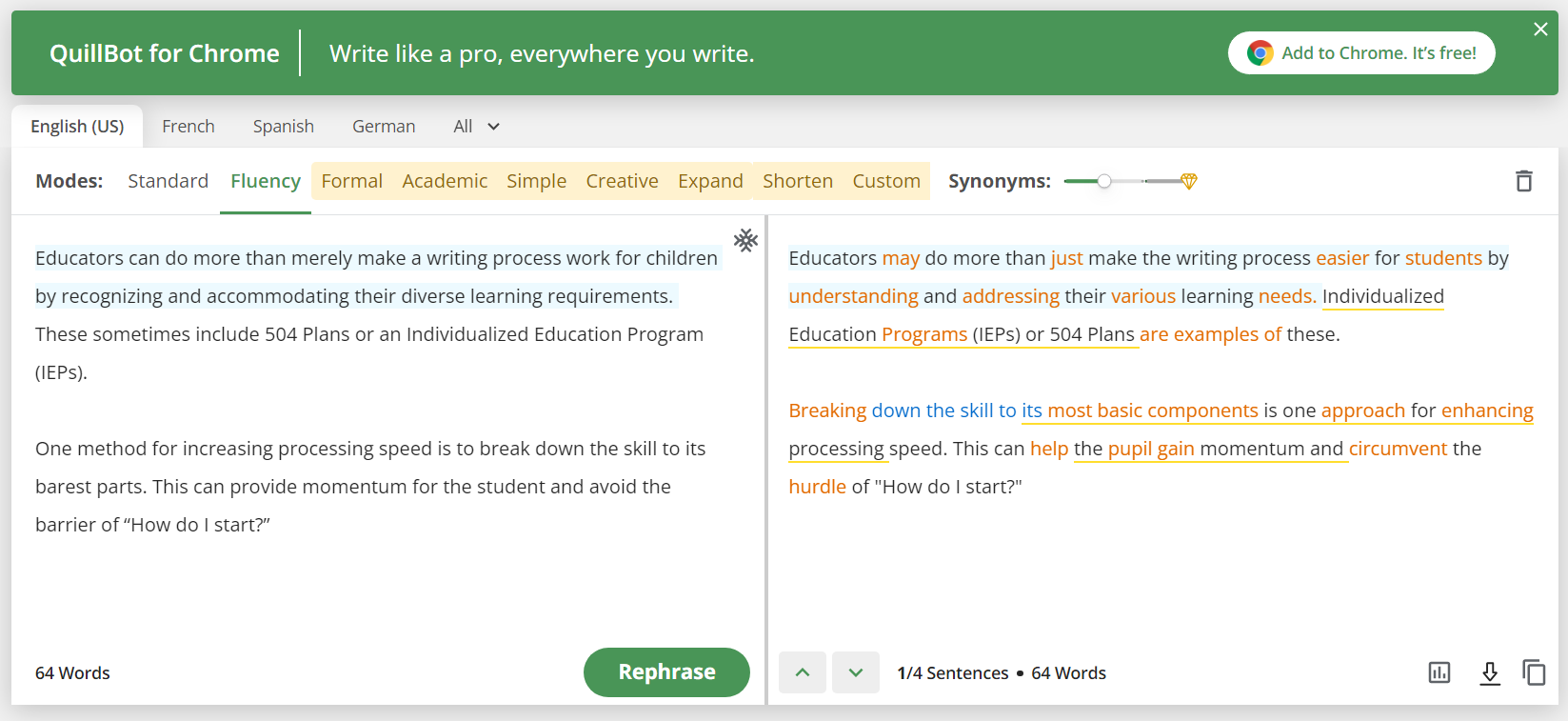
A tool like this can help a student with word choice and sentence structure ideas.
Sentence stems, word lists, models, or fill-in-the-blank paragraph prompts can spark ideas and allow students to set achievable goals based on their specific needs.

Whether word count, time-on-task objectives, or building in breaks to help maintain focus and productivity, a personalized training approach will take a student’s stamina from struggling to striving for all ages.
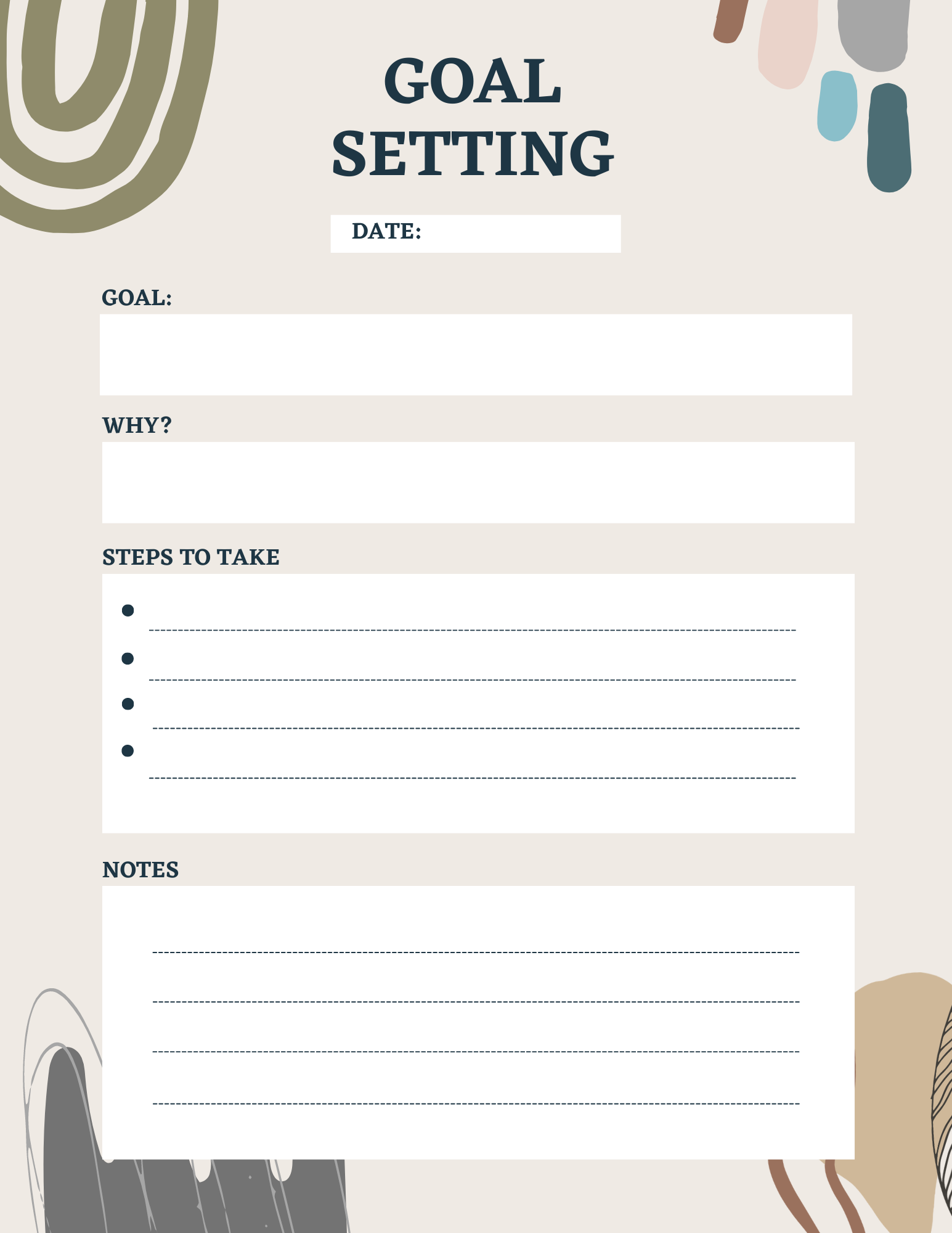
The Bottom Line: After we have worked to build stamina, continue to provide tools, prompts, and reteaching to activate a student’s memory of what has been learned.
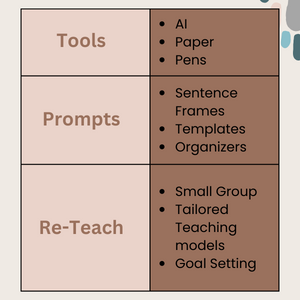
One Thing To Remember: Repeatedly engage students in the barest of skills to the most sophisticated. Student accountability is essential, but only if we provide accessibility to the next stepping stone toward success.
Giveaway Information: This is a giveaway of ABDUL’S STORY by Jamilah Thompkins-Bigelow, donated by Simon & Schuster. Readers must leave a comment on any SAVE A SEAT for EVERY WRITER BLOG SERIES POST by Sat., 8/12 at noon EDT and have a U.S. mailing address. The winner must provide their mailing address within five days, or a new winner will be chosen.
Discover more from TWO WRITING TEACHERS
Subscribe to get the latest posts sent to your email.


Interesting: break it down to build up speed
LikeLike
The chart at the end is so helpful. Our youngest writer have a hard time getting started and sustaining their writing. I do think we need to spend more time in the talking (telling the story) and drawing. We just wrote a launching kindergarten unit of study that is called Emergent Storytellers, It is a combined reading and writing unit that focuses on storytelling, working with a partner and lots of wonderful emergent storybooks.
LikeLike