Have you ever drafted a graphic novel? Lots of young writers set out to write their first comics-based story, but find themselves not really sure of where to start. At first, it can seem like the process wouldn’t be that different from working on a traditional novel, but anyone who’s written a comic can tell you there are lots of quirky differences in the process. Every comic artist I know has a completely different drafting style, and the only thing that’s consistent is that every young writer must experiment and learn what type of drafting works best for them!
My preference seems to be a bit more geared towards storyboarding. My first step in writing a graphic novel is writing a long bullet point list of things that happen in the story. I start really simply, putting in my beginning scene, my main first conflict scene, my resolution, and my ending scene. Once I have the larger, overarching narrative set, I start to work out all the scenes that happen in between those beats. I almost never start right at the beginning of the story, straight through to the end, as I tend to try and focus on writing out scenes I’m most excited about first.
There’s almost no dialogue involved at this point – unless I came up with something really genius in the bulleting phase and managed to scribble it down before I forgot it! Once I have a really solid grasp on the flow of the story, I’ll start to thumbnail out my pages. For those unfamiliar, ‘thumbnailing’ is an artist’s term for the beginning sketches of a project. In my case, I like my thumbnails really loose so I can change things easily. Stick figures are welcome here!
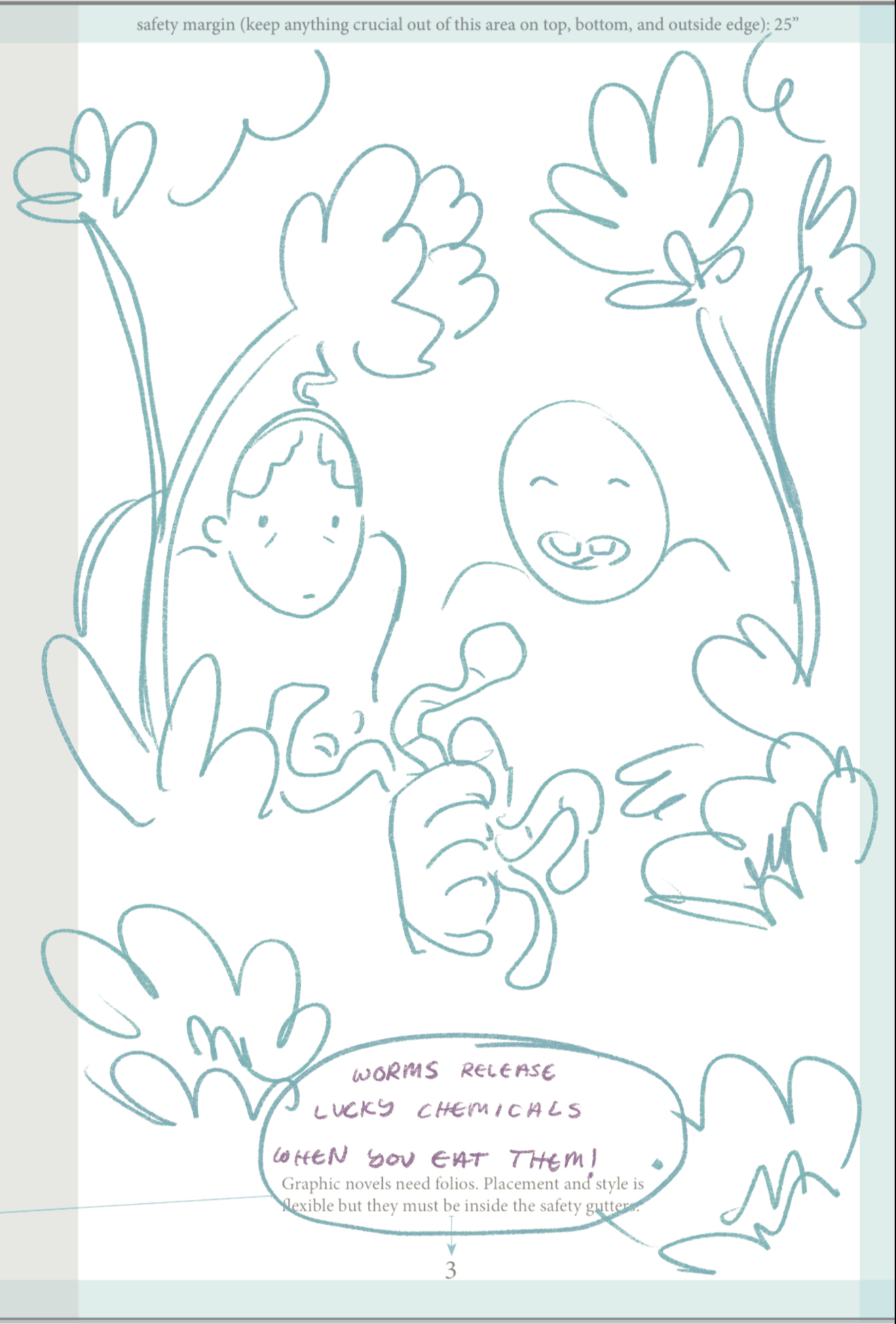
Thumbnailing is my favorite part of the drafting process. I get to start thinking about the book’s visual identity for the first time. What kind of style will I go for? Is there a certain color palette reaching out to me already? As someone who considers myself an illustrator first and a writer second, I find that skipping a more traditional drafting process helps me get to the page faster. This helps keep me engaged with the process and puzzling out the look of the project.
I also make very sure that I have enough space in the panels I’m sketching to fit dialogue! One common mistake I see folks make is designing beautiful panels with no space for speech bubbles to sit. I also find that when I try to write dialogue before working on the art, I end up writing way more text than could ever realistically fit on a single comic page. Trying to squeeze text in as an afterthought can be really challenging! Even if I’m not entirely sure what the character’s final dialogue will be, I’ll try to leave a speech bubble there, even if what I’ve written is… less than final edit material.
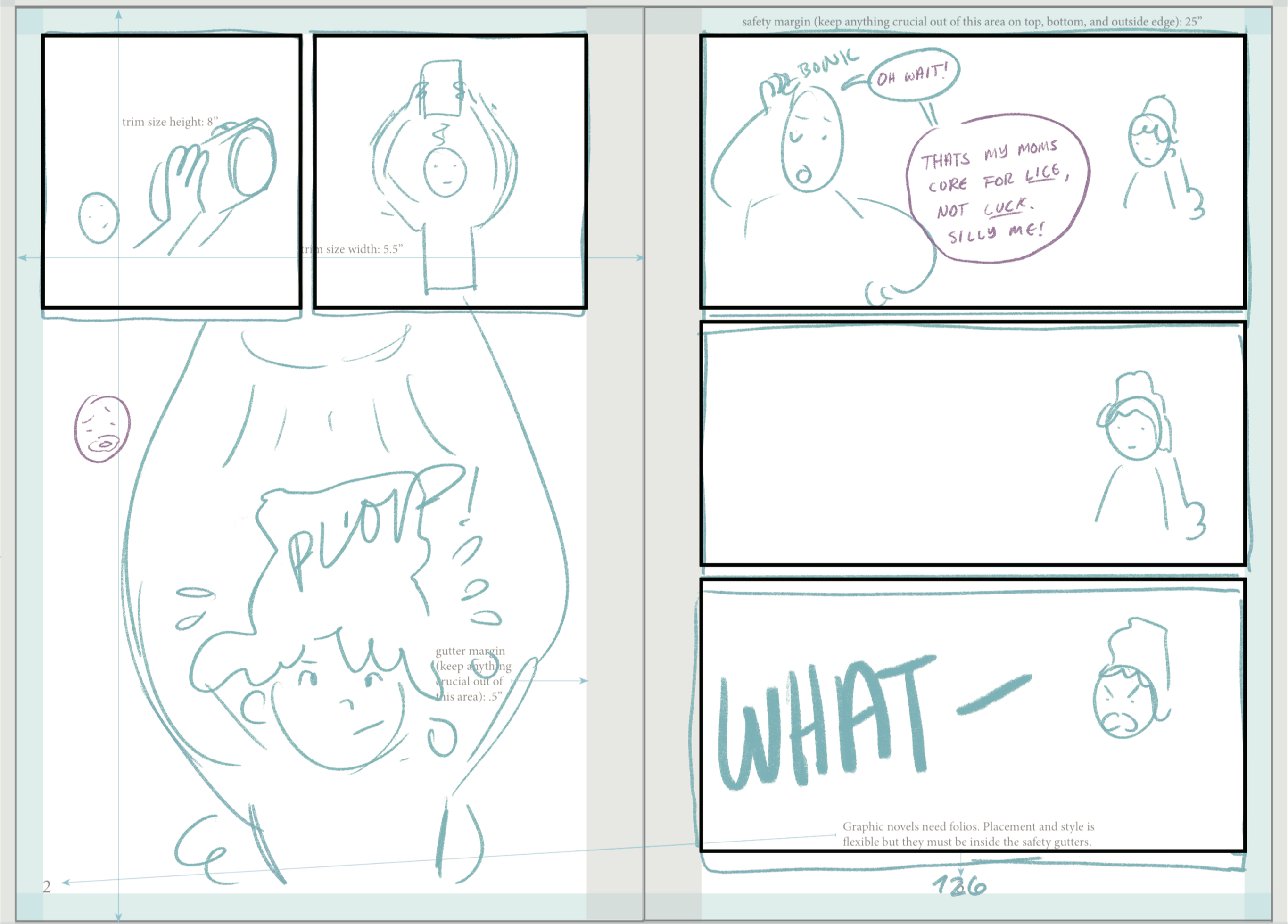
Once I feel I have a really good grasp of a chunk of pages, I start writing out my script. If I were left to my own devices, I’d probably just let the whole story live in my head, and edit text by hand, writing it directly into my thumbnails. I recognize that this could be a pretty fiddly way for an editor or letter to understand my final visit for a project, though! I simply review my thumbnails and transcribe everything from visual elements into a screenplay format, which is really common in film writing. My comics process tends to borrow more from a film writer’s point of view than a traditional novelist’s.
This is the finishing-up stage of the writing section. I revisit clunky dialogue, start getting revisions from my editors, and go in and revise thumbnails I don’t think are working. The process starts to become very fluid, making art edits from my script and vice versa. Sometimes I write a piece of dialogue I love, but I might need to tweak the art a bit to make it make sense.
Before I know it (or maybe a couple months later,) I have an entire graphic novel drafted out! Once I have my manuscript and thumbnails, all that’s left is to create the final art, which is an entire journey in itself. Drafting can be a tricky and frustrating process, but I really encourage you to try and be playful and find your own process that makes drafting sing!
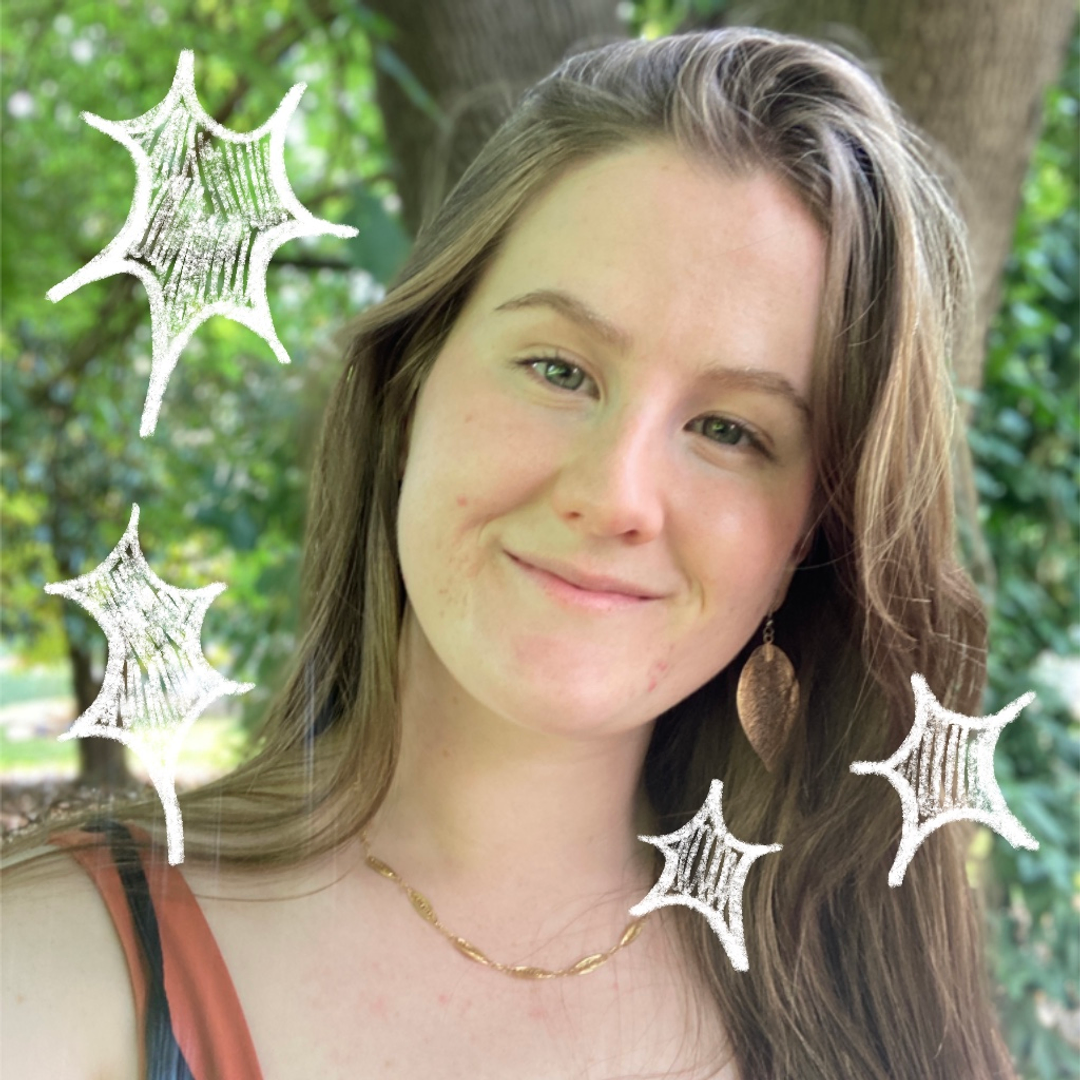
Gabbie Benda is the author/illustrator of Serendipity, and the Illustrator of A Family of Readers. In her free time, she has a passion for creating indie comics and storytelling in every format. You can find her on her website or on Instagram.
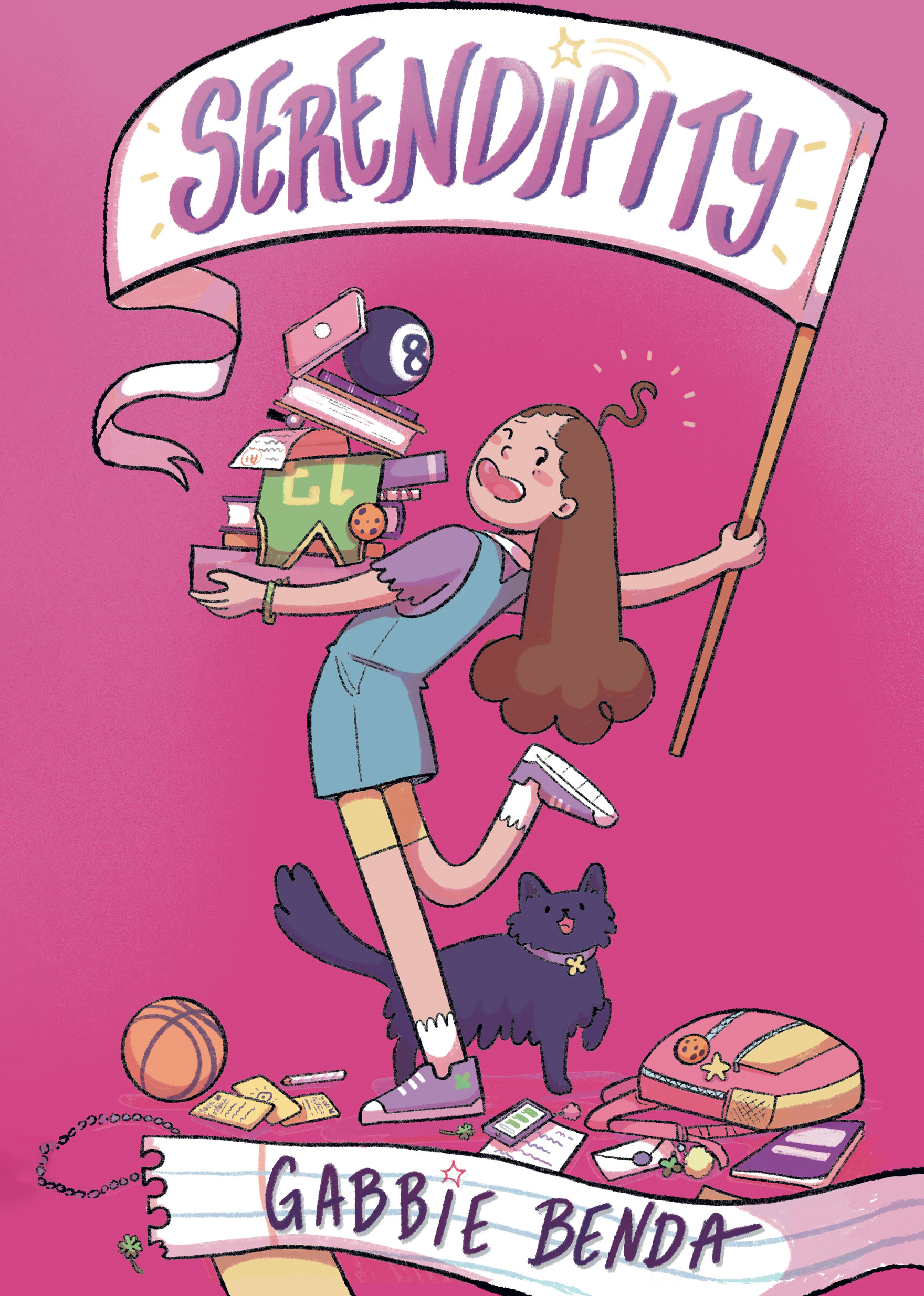
GIVEAWAY INFORMATION: You can win a copy of Serendipity by Gabbie Benda, donated by Holiday House, + a 20-minute virtual author visit. To enter the giveaway, leave a comment at the bottom of the preview post by Wed., May 13, at 6:00 p.m. EDT. The winner will be randomly selected by Stacey Shubitz and announced at the bottom of the post by Monday, May 18. You must have a U.S. mailing address and provide a valid e-mail address when you post your comment. If you win, Stacey will email you for your mailing address. She will choose a new winner if you do not respond with your mailing address within five days.
Discover more from TWO WRITING TEACHERS
Subscribe to get the latest posts sent to your email.


What a joy to read about your process! I did a unit on writing graphic novels with my students. I enjoyed hearing about the parts you do that I encouraged my students to do, and am excited to learn some new tips that I can offer my students the next time we work on graphic novels. Learning about what you include and don’t include in thumbnails and how you plan space for dialogue is so interesting. Thank you!
LikeLike
Thank you for sharing your process! My fourth graders just finished planning and are now drafting graphic novels. Much of what you said validated their efforts so far, yet there were some new perspectives to share based on your experience and preferences. I look forward to seeing more of your published work in the future!
LikeLike
I am going to share your article with my middle school students. There are a number of them who carry sketchbooks with them throughout the day, capturing and practicing.
LikeLike
My third graders are obsessed with graphic novels, so I really enjoyed a peek at your process! I’m going to show them this article to reinforce that everyone, even authors of graphic novels, go through a process with lots of revisions! Thank you for sharing the way you go about planning, drafting, and revising your work.
LikeLike
Graphic novel was my favorite writing unit to teach 5th graders! Storyboarding and thumbnailing was SO fun and effective to help young writers understand the many elements of storytelling. Loved getting a glimpse into your process!
LikeLike