
Estimated Reading Time: 4 Minutes (770 Words Words)
Primary Audience: Literacy Coaches and K-5 Classroom Teachers

A Backstory
In May, our school had a session with a staff developer from Advancing Literacy, Molly Picardi. Molly worked with our K-2 teams to compare beginning-of-the-year writing samples to end-of-the-year writing. We used various lenses to examine each piece, including writing volume, craft, mechanics, and each writers’ identity. Using those lenses, we were able to celebrate growth. We highlighted the intentional work that contributed to that growth. We were also able to list focused goals for our instruction for the following school year.
Since school got out in June, I haven’t been able to stop thinking about the identity lens. Molly had posed these questions:
- What does the writing tell us about identity?
- What topics did kids write about?
- What parts of themselves are writers including in their writing?
- Are multilingual students incorporating their different languages in their writing?
On that day in May, teachers quickly realized that most kids’ writing looked similar to the mentors and shared writing texts teachers used as models. Students’ identities did not always shine through.
Why It Matters
In Jacob Huckle’s piece, Translanguaging as a Humanizing Pedagogy (2022), he writes about his experience as a Mexican American student. “My Spanish language, Mexican Culture, familia (family), and ways of knowing. I abandoned my treasures at the classroom door in exchange for English and the U.S. culture…” (pg. 2). Later in his piece he shares the ramifications for leaving behind these treasures when he writes, “When the message, implicit or explicit, communicated to children in school is “Leave your language and culture at the schoolhouse door,” children also leave a central part of who they are-their identities-at the schoolhouse door. When they feel that rejection, they are much less likely to participate actively and confidently in classroom instruction” (pg. 5).
With intentional work on our part as educators, we can make writing workshop a place where students can bring all of their treasures and perhaps even discover more about themselves through the writing process. Writing workshops can be a place of discovery and celebration.
One Small Shift: Intentionality in Choosing Mentor Texts
As I’ve continued to brainstorm and think about supporting students in sharing more of their identity in their writing, I’ve been thinking more about being more intentional with mentor texts and the stories I use as models with students. For the last few months, I’ve been scouring my bookshelves, reexamining texts with a lens of identity. How do authors share what matters most to them through their words and illustrations? How do we gain a sense of an author’s identity?
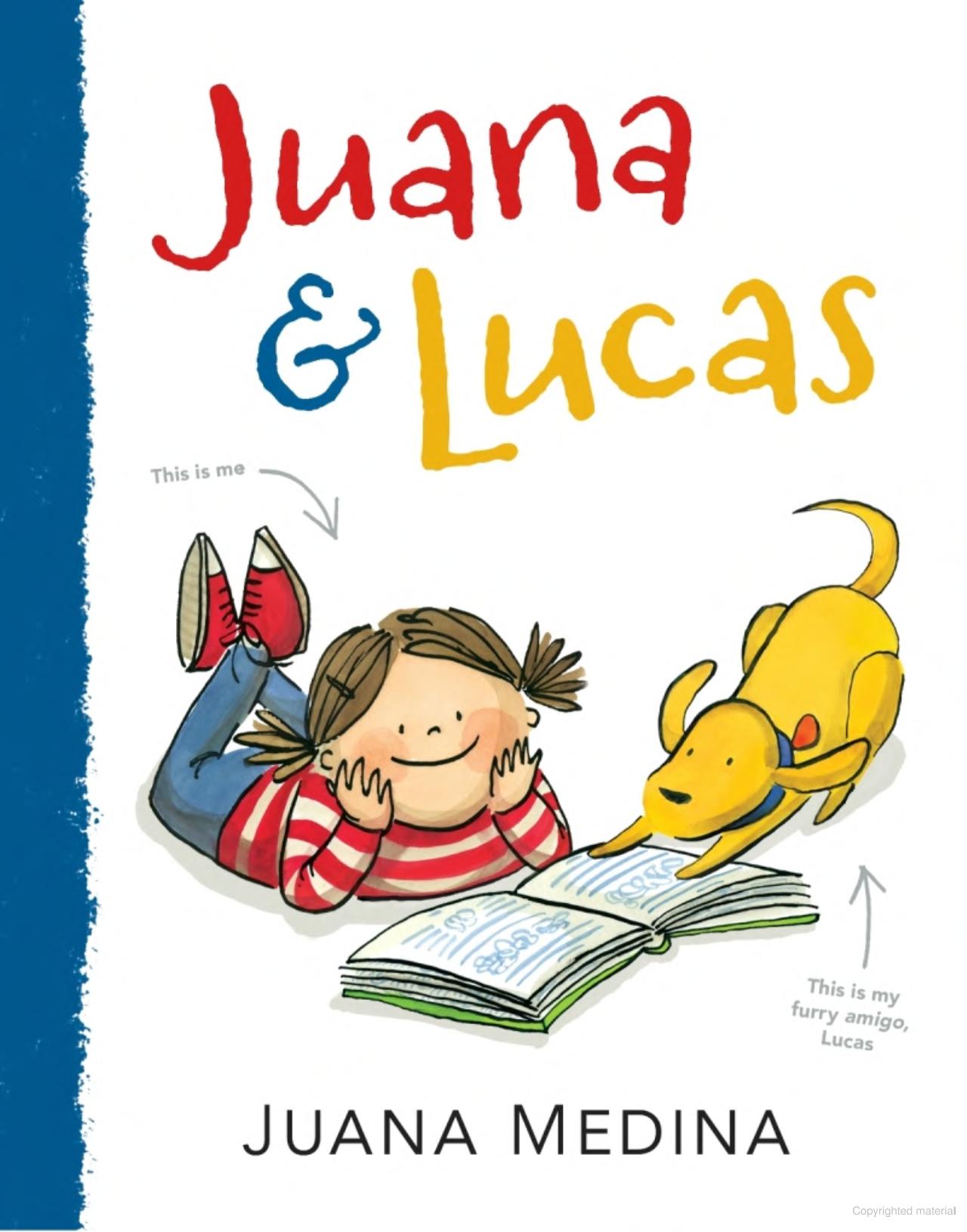
I have struggled to find newer texts where a characters’ identity is a subtle part of the story. Many newer titles have less of a narrative structure and instead celebrate uniqueness in very overt ways. However, I have been returning to Juana Medina’s series about Juana and Lucas. Juana is the main character who lives in Bogotá, Columbia. Readers quickly learn she is a strong character who loves the place she lives, the people around her, and her dog Lucas. Juana Medina uses many craft moves that students could replicate to highlight their own identities in their writing. For example, Medina utilizes a lot of translanguaging, which means fluently going between two different languages. The mix of languages in Juana and Lucas is a celebration of Juana’s identity.
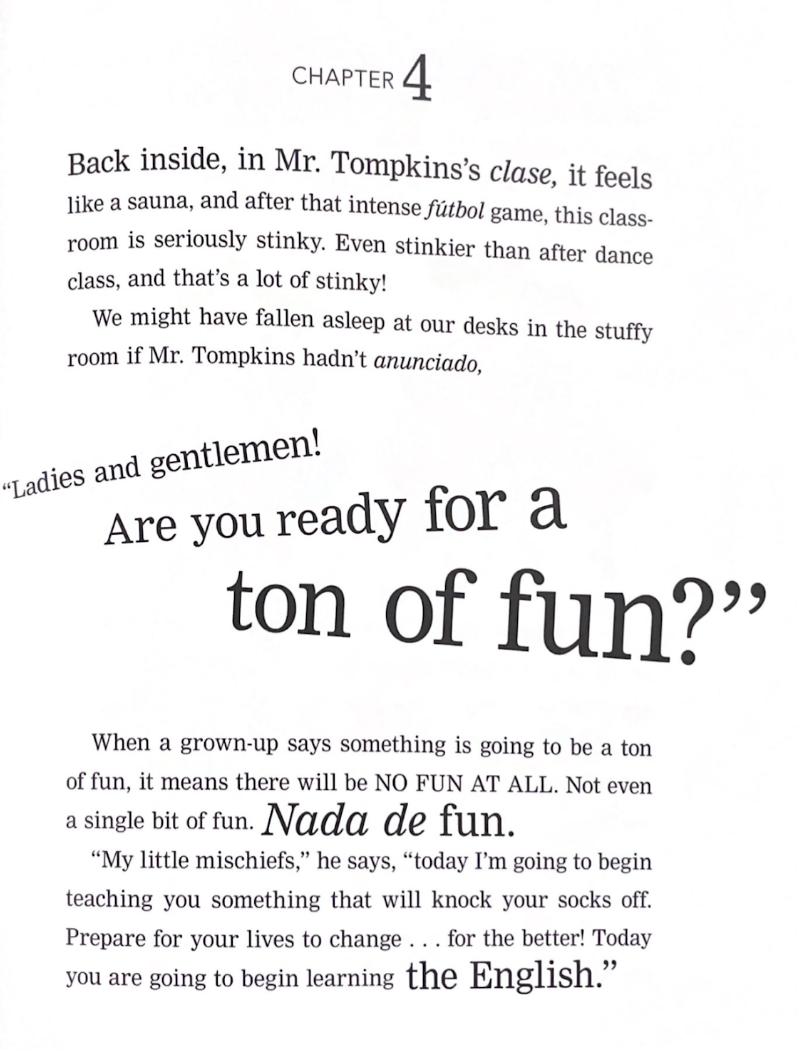
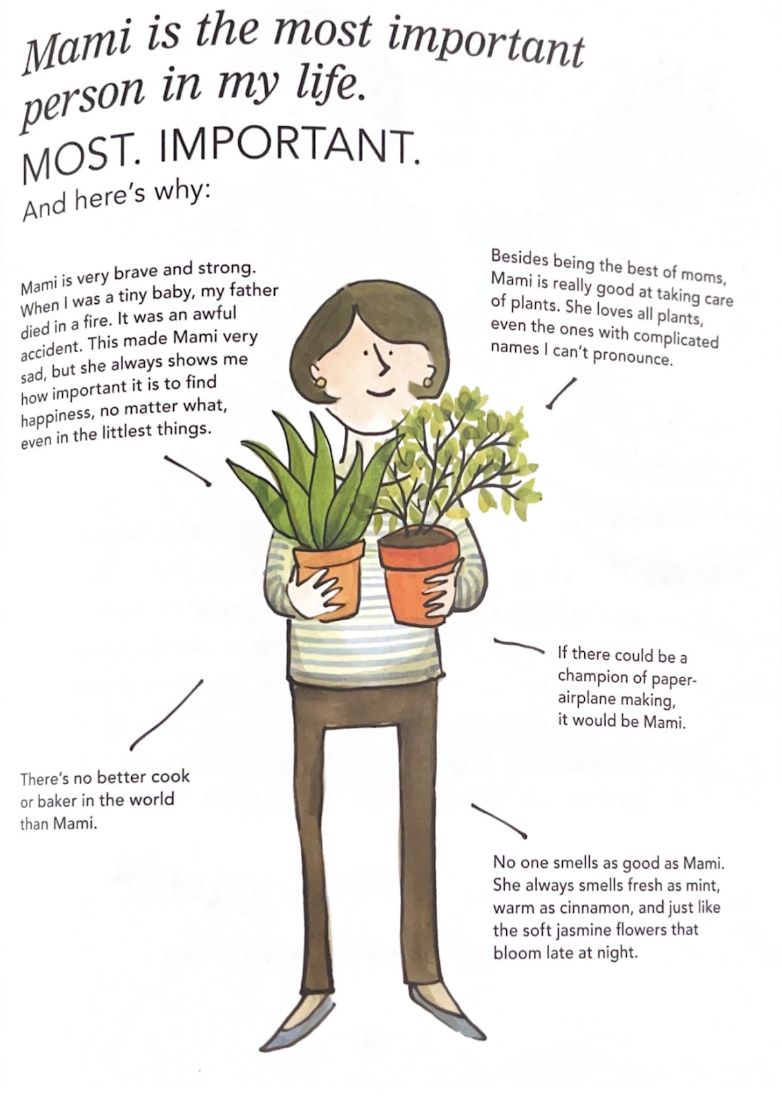
Juana Medina also includes several character webs across the story, highlighting those closest to Juana. These character webs help the reader to better understand her relationships and what matters most to her. This is a craft move that students may enjoy incorporating into their own writing.
In addition to published mentor texts, I will also consider ways to be transparent with students about how I am working to incorporate more of myself into my writing. I will be thinking of stories I can share that may highlight different perspectives, cultures, and pieces of my own identity that may inspire and serve as a model for students.
What’s Next?
As we begin a new school year, I plan to continue studying ways to help students share and discover more of themselves through their writing. Our literacy team is considering ways to use Identity Webs across grade levels to know our students better and help them understand each other better. I imagine these webs coming out during writing workshop and working with students to think about ways they can bring their webs to life through the details they embed in their stories. I’ll also continue to look for great mentor texts and create some of my own. If you have any great suggestions, feel free to add them to the comment section!
Go Deeper
To continue learning more about supporting students in bringing their identities into the classroom, here are some additional resources you might find interesting.
Seen, Valued, and Heard Honoring identity to Establish Community by Melanie Meehan
I Write Therefore I Am: Using Mentor Texts to Study Identity in Writing Workshop by Logan Beth Fisher
*Permission to copy and share these pages granted by Candlewick Press (8/13/2024).
Discover more from TWO WRITING TEACHERS
Subscribe to get the latest posts sent to your email.


Oh I love this post! So many good ideas to explore. Last spring, I gave a poetry reading to our 2nd to 5th graders. I read a poem in Spanish and one student from Columbia perked right up and wanted to read with me again aloud. Usually she was shy and didn’t say much in class, but that poem in her native language gave her agency. I can’t wait to use the ideas in this post! Thank you!
LikeLiked by 1 person
I hope you’ll let us know how it goes!
LikeLike
I will definitely let you know how it goes!
LikeLiked by 1 person
Brilliant! How fortunate your students are to have a team of teachers looking to provide support for their developing selves. Thank you for sharing this!
LikeLiked by 1 person
Thank you for this. Such a great lens to begin a new school year.
LikeLiked by 1 person