

Today's Slice of Life Tuesday will push you to think about beginnings and endings, inspired by an OCtober quote from Jacqueline Woodson.

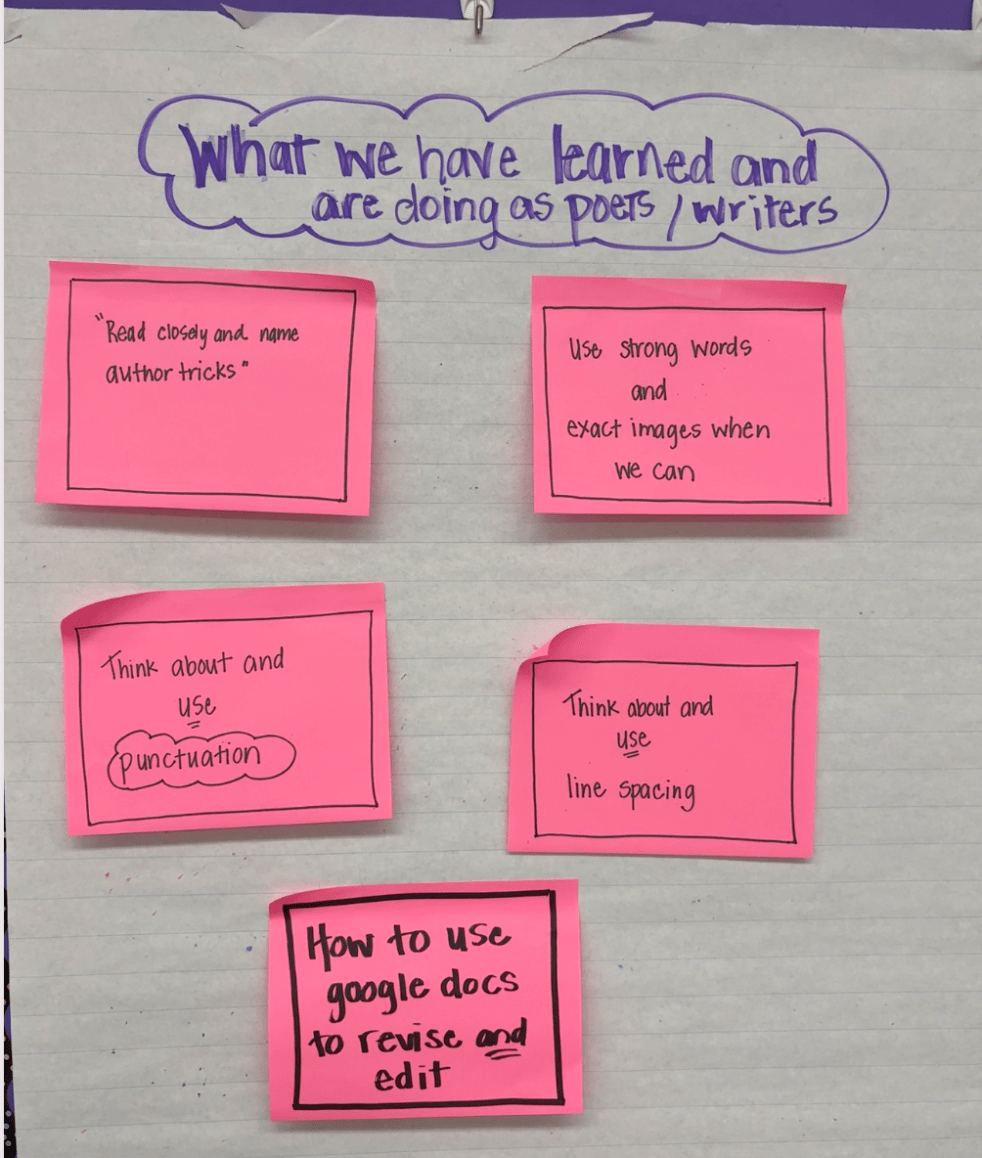
A Trajectory to Duplicate: These Poems Were VERY Good Things
As part of their writing unit launch and identity unit. I worked on poems with fourth-grade students that were inspired by Derrick Barnes’ I’m Every Good Thing. How much fun did I have!
Share this:

Share this:
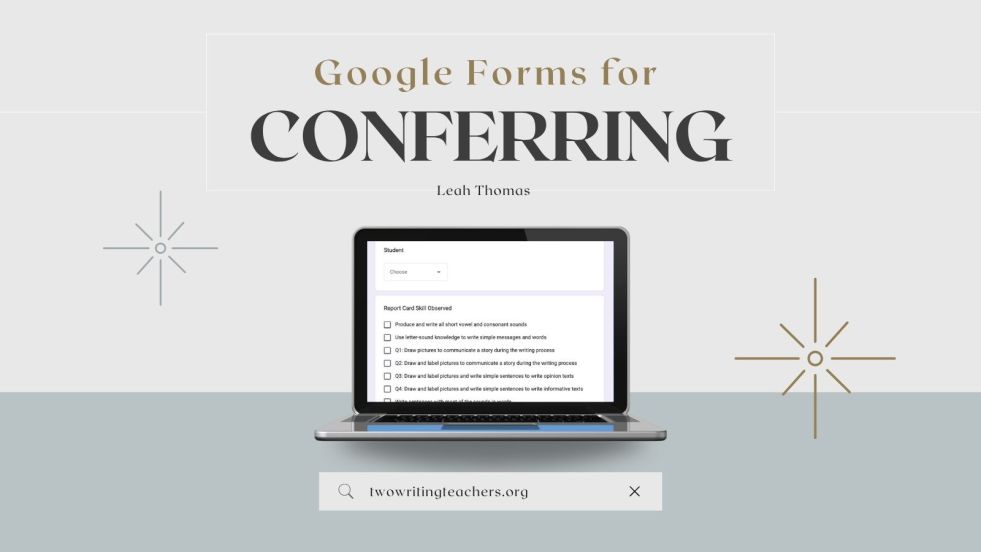
The Conferring Notes System That Finally Works for Me: Google Forms
Taking conferring notes shouldn't feel harder than the conference itself, but for me, it often does. Finding a system that lets you focus more on students and less on note-taking makes all the difference.
Share this:

Share this:
It’s Tuesday: Time for Slice of Life!
Please join us today in capturing a slice of life! Write. Share. Give.
Share this:

Share this:
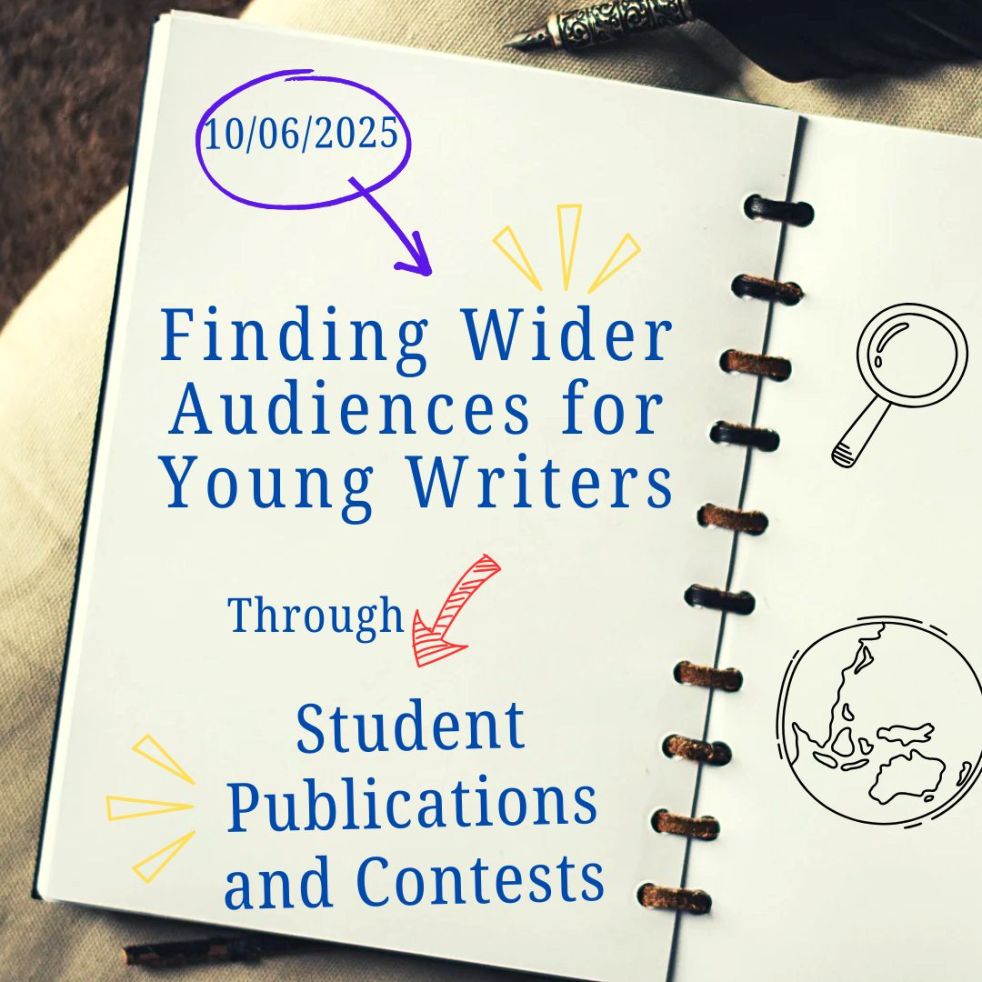
Finding Wider Audiences for Student Work
Children pursue their passions in many ways, like music or art lessons, clubs, and sports. It's natural for kids to want that for their writing. Here's a resource for students who want their voices heard by a wider audience.
Share this:

Share this:
Reimagining Immersion
Give students a voice from day one. Starting a unit with shared writing helps students see the process, practice the craft, and approach their own writing with clarity and confidence.
Share this:

Share this:
It’s Tuesday: Join Us for a Slice of Life!
It's Tuesday! Time to write, share, give!
Share this:

Share this:
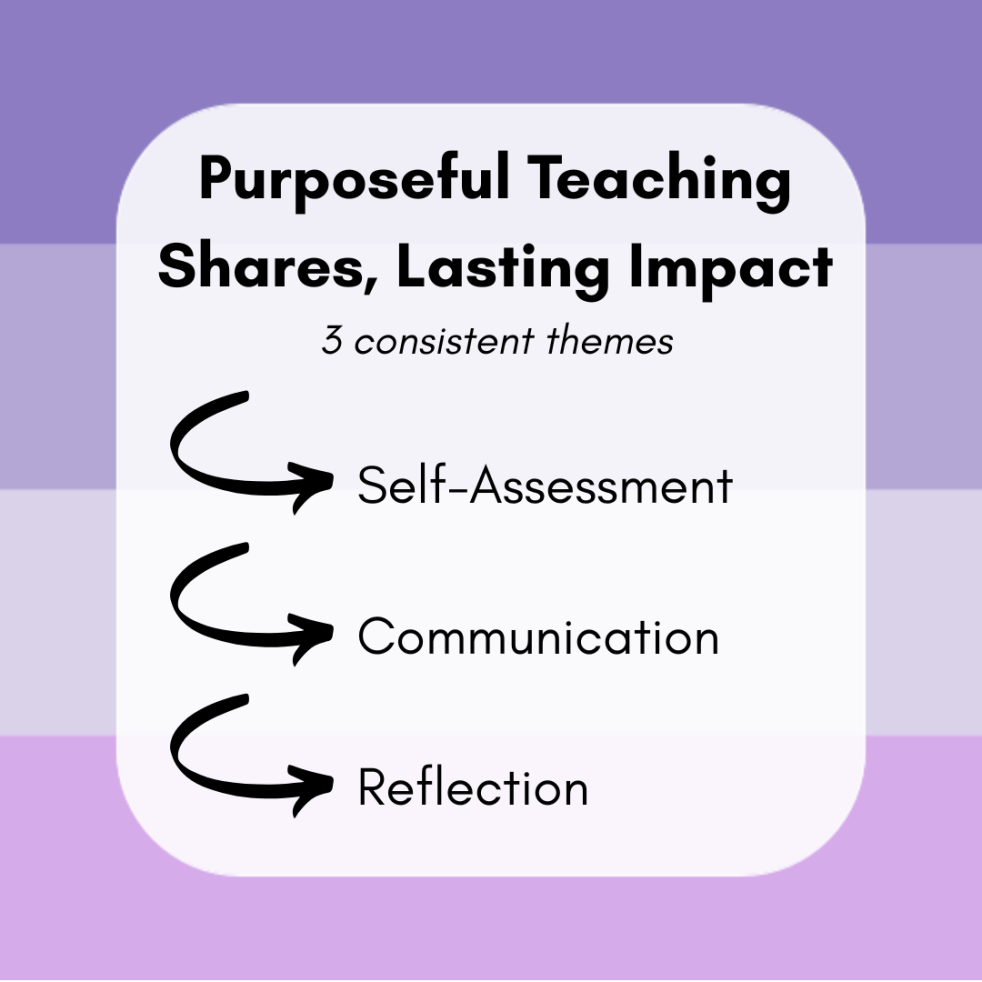
Purposeful Teaching Shares, Lasting Impact
The teaching share may take only a few minutes, but its impact is lasting. When we close writing workshops with self-assessment, communication, and reflection, we show students that writing is never done—it’s a cycle of noticing, trying, refining, and reflecting.
Share this:

Share this:
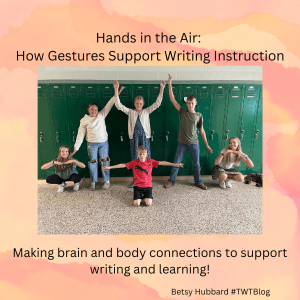
Hands in the Air: How Gestures Support Writing Instruction
Gesturing serves as a powerful tool connecting brain and body, while reducing the cognitive load during the writing process.
Share this:

Share this:
It’s Tuesday: Join Us for a Slice of Life!
It's Tuesday! Time to write, share, give!
Share this:

Share this:
One Topic Writers: The Importance of Interest in the Writing Workshop
What do we do when a student wants to write about the same topic every day? Let them be! Keep reading to explore why interest is so important for our student authors.
Share this:

Share this:
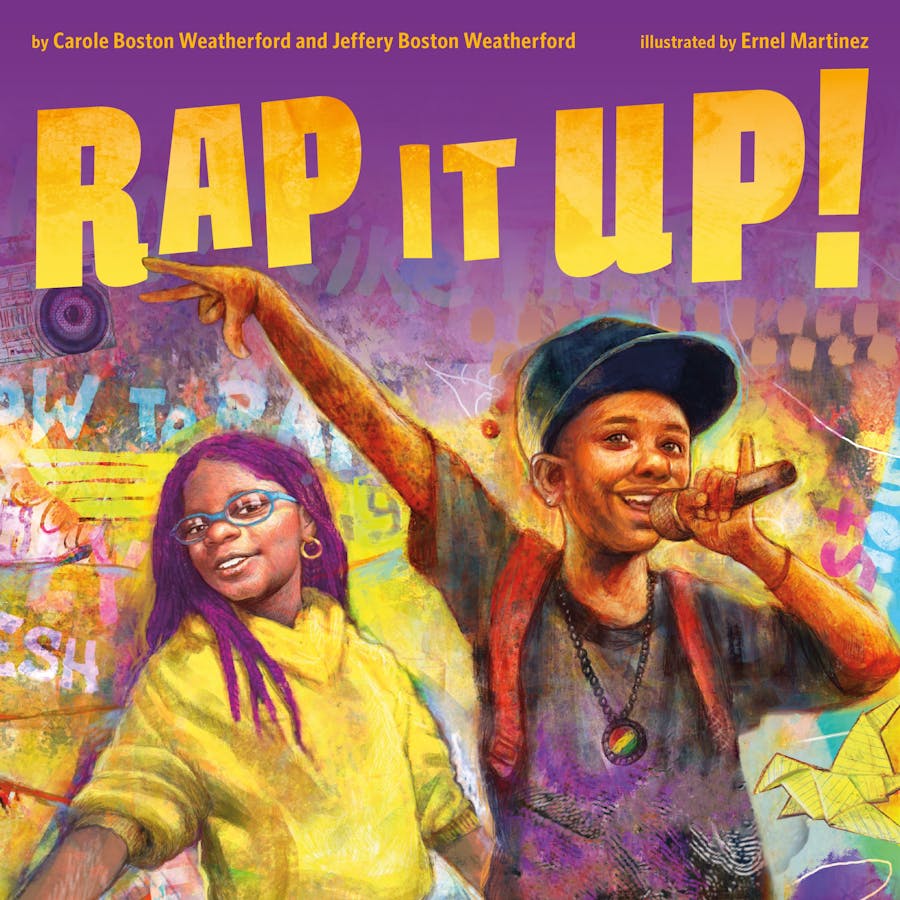
Turn It Up: Using Rap in the Classroom
The co-authors of Rap It Up! Discuss how rap can span the curricula to support standard skills in English/language arts, social studies, music, and SEL (social-emotional learning). Rap’s rhythm, rhyme, and wordplay develop literacy, expand vocabulary, strengthen reading fluency, and build confidence in oral expression. At the same time, rap’s cultural relevance fosters student engagement and inclusivity.

