
“I’m done!” [5 minutes into writing time…]
The phrase that’s every writing teacher’s worst nightmare. So how do we get kids to write MORE?
The first step in getting students to write with volume is to ensure they’re engaged in the work. Create a vibrant writing community to hook your writers: encourage topic choice, cover your walls in student work, and celebrate the writing process.
Allow your students to have (and voice) authentic feelings about writing. You might give students a book of Emojis and ask them some open-ended questions, such as:
- How do you feel about writing today?
- How do you feel about this genre of writing?
- Show me a part that makes you feel _____.
- Can you think of a time when you felt ____? What was it about that time?
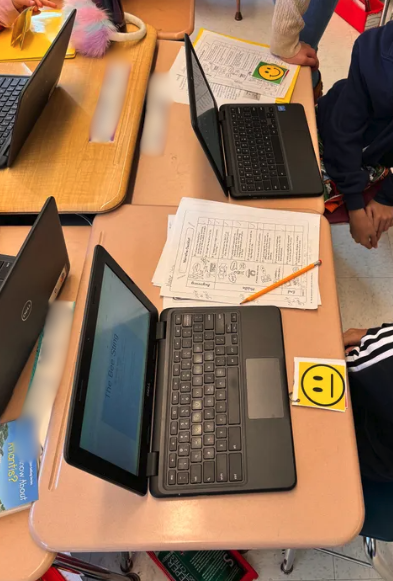

Engagement will soar when you start conferences with validation. Once students are engaged, they are more likely to produce. Let’s look at three quick, replicable tips to support writing with volume.
Tip #1: Set Volume Goals in Homogenous Groups
Think about writing like running. Those who were blessed with the ability to run miles and miles at a time have different goals than those of us who check the clock every other minute. And imagine how depressing for the latter runner to set out alongside the former. The same is true for our writers. For those who have trouble with stamina and production, it can be incredibly demoralizing to sit next to peers who are writing pages and pages.
Consider grouping writers homogeneously by volume goal. Encourage students to set challenging, but attainable goals. You might:
- Ask writers to think about how many lines they want to write in a given period of time (start with short bursts like a runner would and build up)
- Have students draw a symbol at their goal line
- Set a timer, keeping it visible to writers
- Celebrate! Ask writers things like, “Who got close to their goal? Who reached their goal? Who surpassed their goal?”
- Then have writers reflect on HOW they did it before setting their next set of goals.
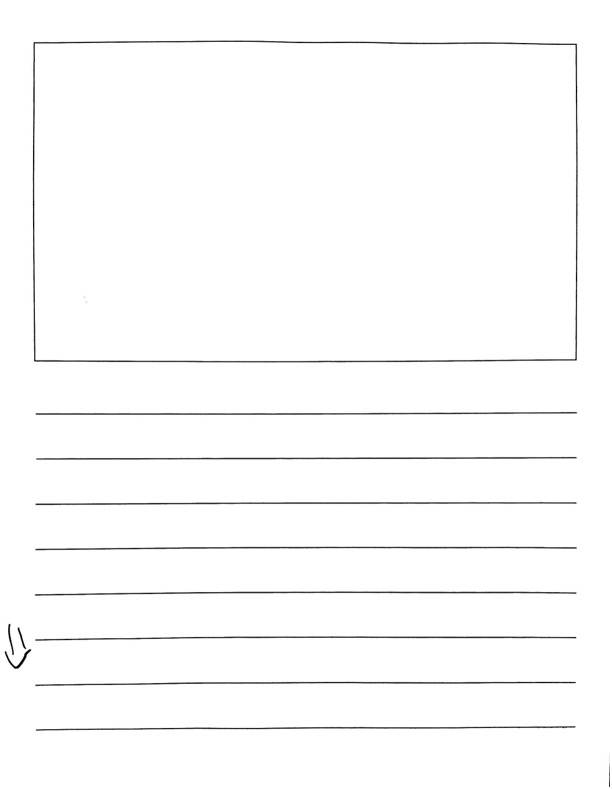
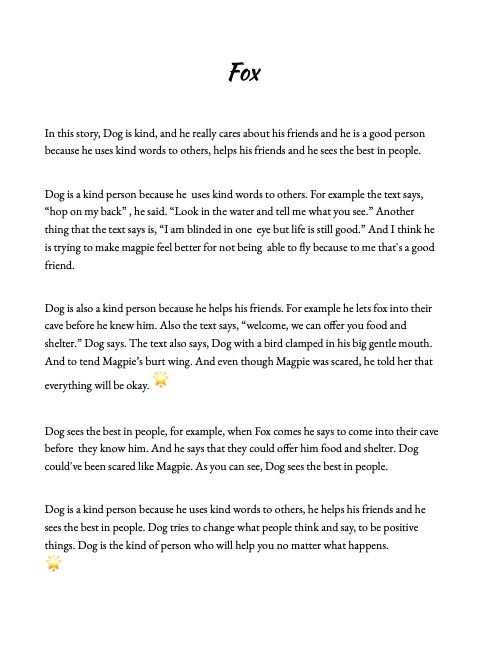
Grouping students in this way and setting volume goals will:
- Boost the writing community in your classroom
- Encourage writers to be cheerleaders for each other
- Set up easy ways for you to coach into volume, at every range of production
- Allow writers to track and celebrate their progress
Writing, or running, with those who have similar volume goals allows us to push ourselves to the appropriate zone of proximal development while feeling confident, supported, and challenged.
Tip #2: Practice Oral Rehearsal
Hi. My name’s Jess and I have a confession to make. I talk to myself while working. Does anyone else catch themselves saying things out loud when there’s no one there to respond? It might seem silly, but we’re actually drawing on a very powerful practice called oral rehearsal.
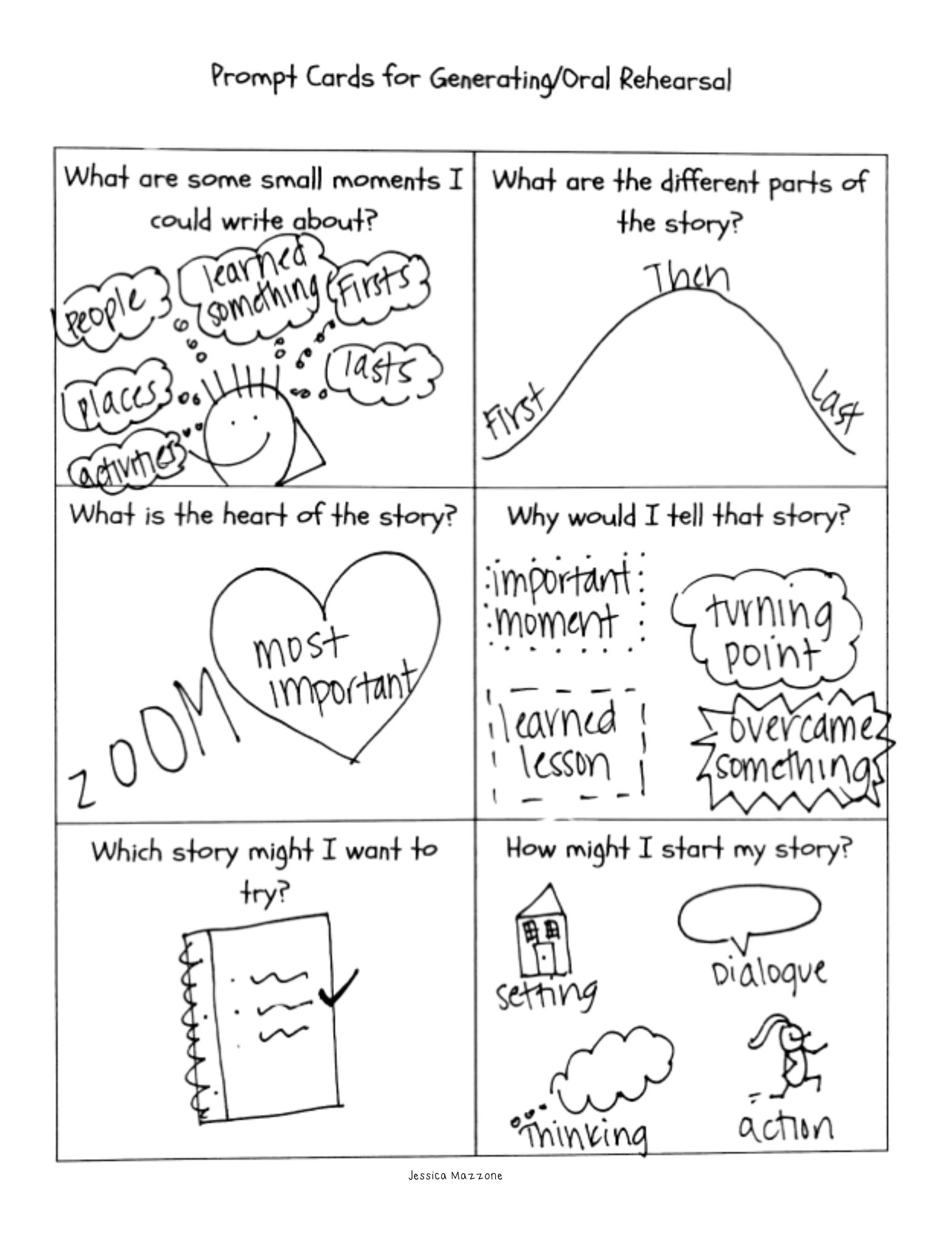
During oral rehearsal, writers get the opportunity to “draft” a piece out loud, or write it in the air. For those who have difficulty with writing production or are reluctant to revise, this is a great way to try something out without the commitment on paper. You might coach writers to:
- “Try the beginning a different way.”
- “Say that part again, but this time with ____ (insert craft move)”
- “Test out a different middle.”
- “Think about what the piece is really about. Bring it to life.”
- “Say that part again, stretching it out.”
Rehearsing out loud a few times is a great way to draft, revise, and even edit, all before the pen hits paper! Oral rehearsal is something that writers can do in ANY genre, in ANY phase of the writing process to strengthen a piece from start to finish, or inside a particular section of writing.
Have writers toggle between saying a part out loud and jotting it down to maximize volume.
Tip #3: Plan Across Pages
This is one of my favorite strategies to help writers with volume, structure, and vision for their work…and it’s easy!
Before students set out to write, help them to plan well. Having a plan in place will support writers in elaborating, or stretching out, their pieces, leading to an increase in volume.
Pull up alongside a writer and help them to tap across pages, or sections, of a writing booklet, story mountain, or piece of paper. As they touch each part, encourage them to rehearse (there’s that oral rehearsal again!) what might go on that page. You might:
- Give prompts that support structure
- Give prompts that support genre
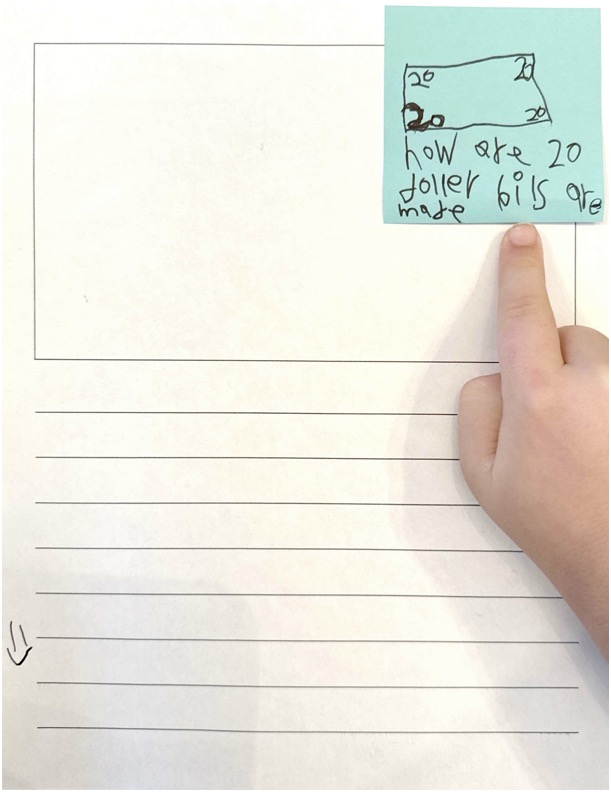
- Encourage students to sketch a simple picture to thumbnail a specific part
- Remind writers to jot a few words as a placeholder
Once writers have tapped across pages, they’ve essentially planned out their entire piece with volume and structure in mind.
Give any of these tips a try and watch your writing volume soar!

Jessica Mazzone is a Literacy Consultant and Staff Developer, specializing in elementary reading, writing, and content-area work. She partners with schools across the country to support districts, teachers, and students in the implementation of building a life-long love of literacy. For more information, please visit her website at https://www.jessicamazzoneliteracy.com/. You can also follow Jess on Instagram @lovetoteachiteracy for tips, tools, and charts.
Additional Resources:
For more on the power of goal-setting, see:
Zimmerman, B. J., & Schunk, D. H. (2011). Handbook of Self-Regulation of Learning and Performance. Routledge.
Van der Meijden, A., & Veenman, M. V. J. (2005). The Effects of Goal Setting and Feedback on the Writing Process and Writing Performance of Primary School Students. Learning and Instruction, 15(4), 427–447.
Hattie, J., & Timperley, H. (2007). The Power of Feedback. Review of Educational Research, 77(1), 81–112.
For more on oral rehearsal and writing fluency, see:
Fitzgerald, J., & Shanahan, T. (2000). Reading and Writing Relations and their Implications for Research and Instruction. Review of Educational Research, 70(3), 381–420.
Zimmerman, B. J., & Schunk, D. H. (2011). Handbook of Self-Regulation of Learning and Performance. Routledge.
Mercer, N. (2000). Words and Minds: How We Use Language to Think Together. Routledge.
For more on the benefits of planning, see:
Graham, S., & Perin, D. (2007). Writing Next: Effective Strategies to Improve Writing of Adolescents in Middle and High Schools. Alliance for Excellent Education.
Graham, S., & Harris, K. R. (2003). The Role of Self-Regulation in Writing and Writing Instruction. In C. A. MacArthur, S. Graham, & J. Fitzgerald (Eds.), Handbook of Writing Research (pp. 92–105). Guilford Press.
Discover more from TWO WRITING TEACHERS
Subscribe to get the latest posts sent to your email.


OK, this was perfect timing – I’m leading a creative writing for kids workshop at work, and the number of times I’ve heard “TEACHER! I’M FINISHED” mere minutes after we’ve put pencil to paper… 😉
LikeLike
I could hear your voice so clearly as I read and the practicality! Love it all! ❤️❤️❤️
LikeLike
Love these ideas! Very doable. Especially the setting goals for volume.
LikeLiked by 1 person
Excited to try these ideas!
LikeLiked by 1 person