A Backstory: While scrolling through my phone recently, I ran across a collection of videos my daughter made during the height of the Covid lockdown in the spring of 2020. A (bored) kindergartener at the time, she spent hours on my iPad designing and recording videos of her Legos and Barbies playing and having adventures. These videos never fail to make me laugh, but they also amaze me. Her language, planning, tone, and content are all intentional, derived from skills and strategies she had picked up from watching similar videos. Even at the age of six, she understood how to harness multimedia mentor texts to strengthen her own work and push her creativity.
The Big Picture: The possibilities of what our writers can create are endless, and it’s vital to select mentor texts that expand what young writers know and can do. Multimedia texts serve in this role by sparking fresh ideas, pushing writers in new directions, and opening up new possibilities in visual media that traditional mentor texts don’t offer. As we enter 2025, we must understand that writing is bigger than simply putting words on a page.
Zoom In: A multimedia mentor text is a resource that includes or combines multiple forms of media, including images, text, video, and audio. It may consist of video clips, podcasts, or other forms of digital media, as well as print resources.
How It Works: Multimedia mentor texts work best when used with intention, like all mentor texts. Here are some tips for making this work meaningful in your classroom for students of all ages:
- Build a collection. Begin identifying multimedia texts that pique your interest and you know will have the same impact on students. Look for engaging, creative resources unique in content or structure, and will obviously nudge your writers to take risks with their work. Organize your resources using tools such as a Padlet, Google folder, or other collaborative workspace for easy access (and invite colleagues near and far to share in this work with you).
- Identify your purpose. Do you want students to explore a video for informational structure, the voice of the narrator, the intriguing content, or to give them ideas for creating a similar video of their own? Intent matters, and your students will gain the most from using multimedia mentor resources when you introduce them with a clear purpose.
- Follow a process. As you would with a picture book, it’s essential to follow a process when using a multimedia mentor text. Based on the work of Matt Glover and Carl Anderson from How to Become a Better Writing Teacher (Heinemann, 2024), this process will serve your writers well:
- Experience the text for content and enjoyment first. Listen to the podcast, watch the video, or explore the photograph.
- Revisit the resource to name the craft moves you and your students notice. Guide your students to name specific craft moves that align with our purpose for using it.
- Model and guide students to apply these craft moves to their own writing.
A Deeper Dive: Here are a few types of multimedia mentor texts and a closer look at how they may fit into writing instruction.
| Multimedia Type | ResourcesCheck out this 2012 TWT post on Digital Text Bins for more ideas! | Application to Writing |
| Graphic novels | Scholastic Graphic Novels TWT Graphic Novel post round up NCBLA Graphic Novel and Comic Book Resources | Storyboard a narrative piece to plan writing Create a graphic novel of your own Use a graphic novel format to bring informational text alive Low Tech: Jarrett Lerner’s printable resources High Tech: Design a comic book with Canva |
| Photos and Images | Free digital images from Unsplash or Canva New York Times: What’s Going On In This Picture? Pics4Learning.com | Illustration study (check out Katie Wood Ray’s In Pictures and In Words for inspiration!) Create a narrative (or descriptive piece or poem) to explain the image Craft moves: explore tone, meaning, and use of space |
| Song Lyrics | Use AI tools to help generate song lists or explore music from popular kids’ movies for classroom-appropriate choices | Craft moves: word choice, phrasing, use of figurative language Teach poetry through the use of song lyrics Revision: rewrite a popular song using new lyrics |
| Podcasts and TedTalks | Common Sense Media’s Podcast List for Families TedTalks for kids (check out the videos showcased in this TWT Blog post by Leah) | Invite students to turn a piece of writing into a podcast or TedTalk, focusing on how to turn written words into a spoken performance Analyze for structure and content Use as a source of information for research |
| Video Clips and Short Films | Pixar Shorts for the Classroom Pixar in a Box from Khan Academy (a “how to” that explains Pixar’s filmmaking process) The Kids Should See This National Geographic Video Library | Spark ideas and storytelling Invite students to create videos that tell stories or explain information Use for research Demonstrate structure, organization, and clarity of ideas and information Consider using and creating short video clips (similar to Tiktok, Reels, etc.) within the parameters of your school’s usage guidelines and what is age-appropriate for your students |
The Bottom Line: While books are always my first go-to for mentor texts in the classroom, multimedia resources provide fresh ideas, new perspectives, and creative options for inspiring writers to take their work in a different direction. If you have a favorite multimedia resource (or classroom success story), please share it in the comments below!
Giveaway:
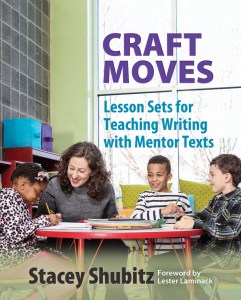
This week’s blog series, Modernizing Mentor Texts, features a giveaway of Craft Moves: Lesson Sets for Teaching Writing with Mentor Texts by Stacey Shubitz, donated by Stenhouse Publishers (Routledge). To enter the giveaway, readers must leave a comment on any MODERNIZING MENTOR TEXTS post by Mon., 1/20 at 12:00 PM EST. The winner will be chosen randomly and announced on Thurs., 1/23. The winner must provide their mailing address within five days, or a new winner will be selected. While TWT readers from around the globe are welcome to leave a comment, you must have a U.S. mailing address to win the book.
Discover more from TWO WRITING TEACHERS
Subscribe to get the latest posts sent to your email.


Thank you so much for this post, very relevant in our modern age!
LikeLiked by 1 person
This post came at the right time. I am exploring Dorothea Lange photos this week with my students who are reading Out of the Dust. I love these creative ideas. The curriculum suggests a letter from a migrant. Perhaps my students can create a video from a migrant instead. Thanks!
LikeLiked by 1 person