Estimated Reading Time: 7.5 Minutes (1,498 words, excluding the giveaway text and permissions information)
Primary Audience: Classroom Teachers; Secondary Audience: Literacy Coaches
The Context:

Examine the Evidence: Earlier this year, Sarah Valter wrote “Collaboration and Community in the Writing Workshop,” a comprehensive look at the research basis for the importance of creating a writing community. Sarah cited the U.S. Department of Education’s What Works Clearinghouse (2018), which provided four recommendations to help elementary school students become effective writers. One of their four recommendations was that teachers create an engaged community of writers in the following ways:
- Teachers should participate as members of the community by writing and sharing their writing.
- Give students writing choices.
- Encourage students to collaborate as writers.
- Provide students with opportunities to give and receive feedback throughout the writing process.
- Publish students’ writing, and extend the community beyond the classroom.
Further, the Responsive Classroom is comprised of four domains, one of which is a positive community, which is “a safe, predictable, joyful, and inclusive classroom where all students have a sense of belonging and significance.” They state that teachers create a positive community when they:
- Create the conditions for students to belong and be significant
- Interact with students in a respectful manner
- Approach discipline in a primarily proactive way
- Respond to misbehavior in ways that preserve the dignity of individual students and the class
- Provide opportunities to succeed that are equitable, fair, and just
When you hold the What Works Clearninghouse’s recommendations alongside the positive community domain from Responsive Classroom, it’s clear that establishing a community of writers is of paramount importance from the beginning of the school year.
Why It Matters: Being part of a writing community is essential for children for several reasons. It supports them as writers, provides an authentic audience, allows them to grow through collaboration, enhances their writing skills, increases their motivation, and—when done right—brings them joy!
Here’s a Secret: Using children’s literature is one way to ensure your students understand that the classroom writing community fosters a sense of belonging that makes students feel safe, seen, valued, and heard.
The Details: In the spirit of my 2018 piece, “Books to Begin the School Year,” I’m sharing five recently published picture books you can add to your back-to-school reading list.
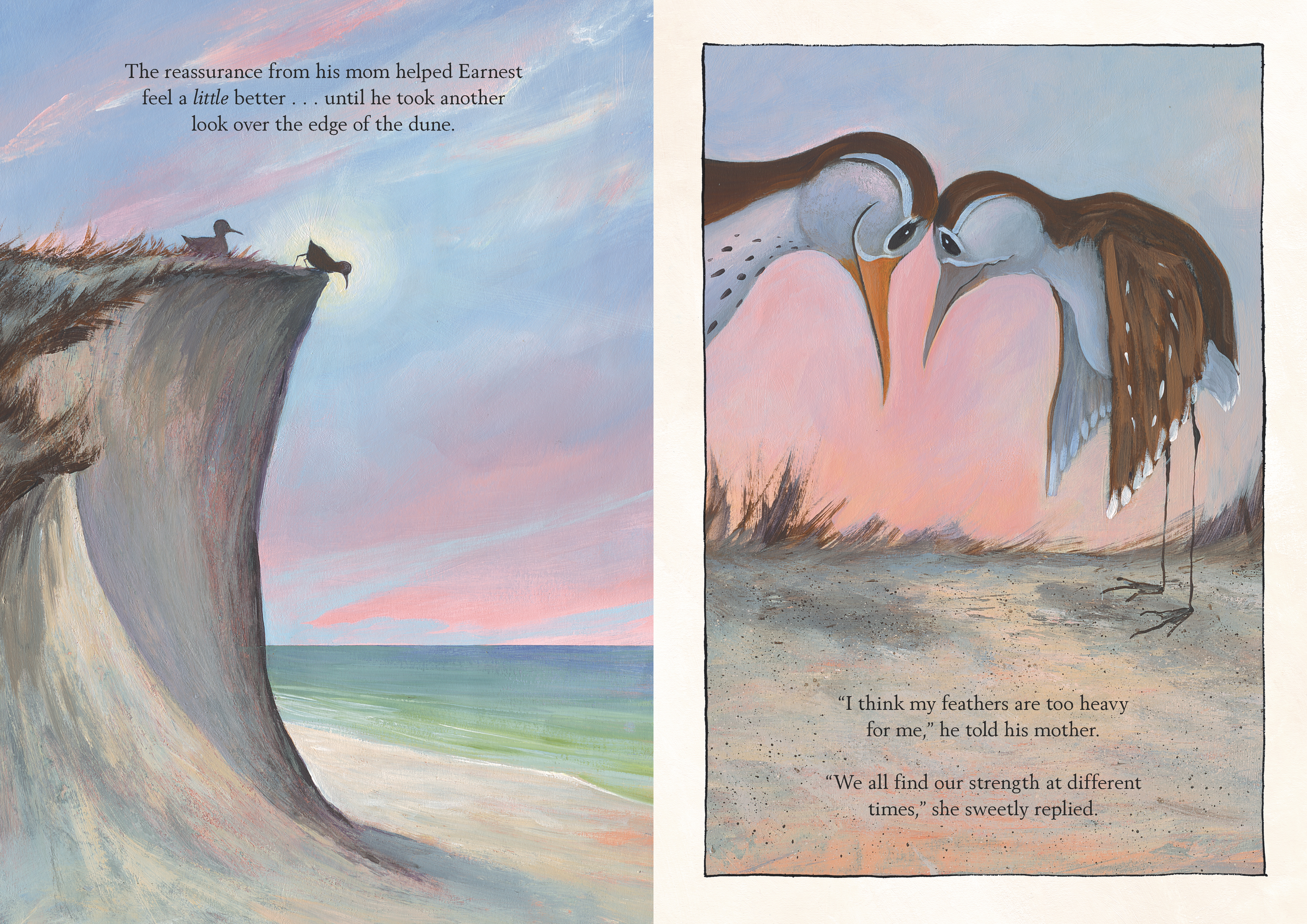
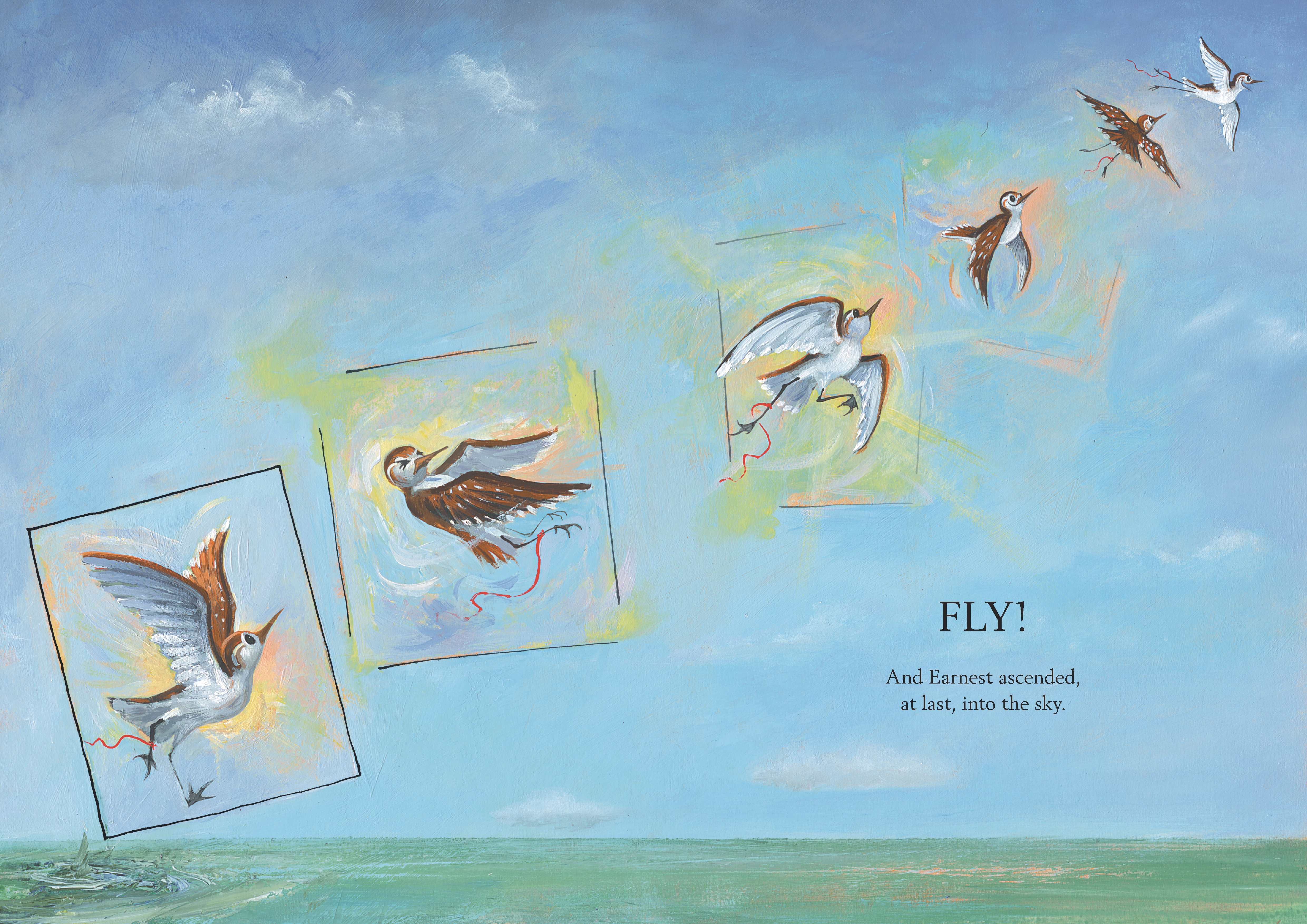
Earnest Sandpiper’s Great Ascent by Timothy Basil Ering (Candlewick Press, 2024)
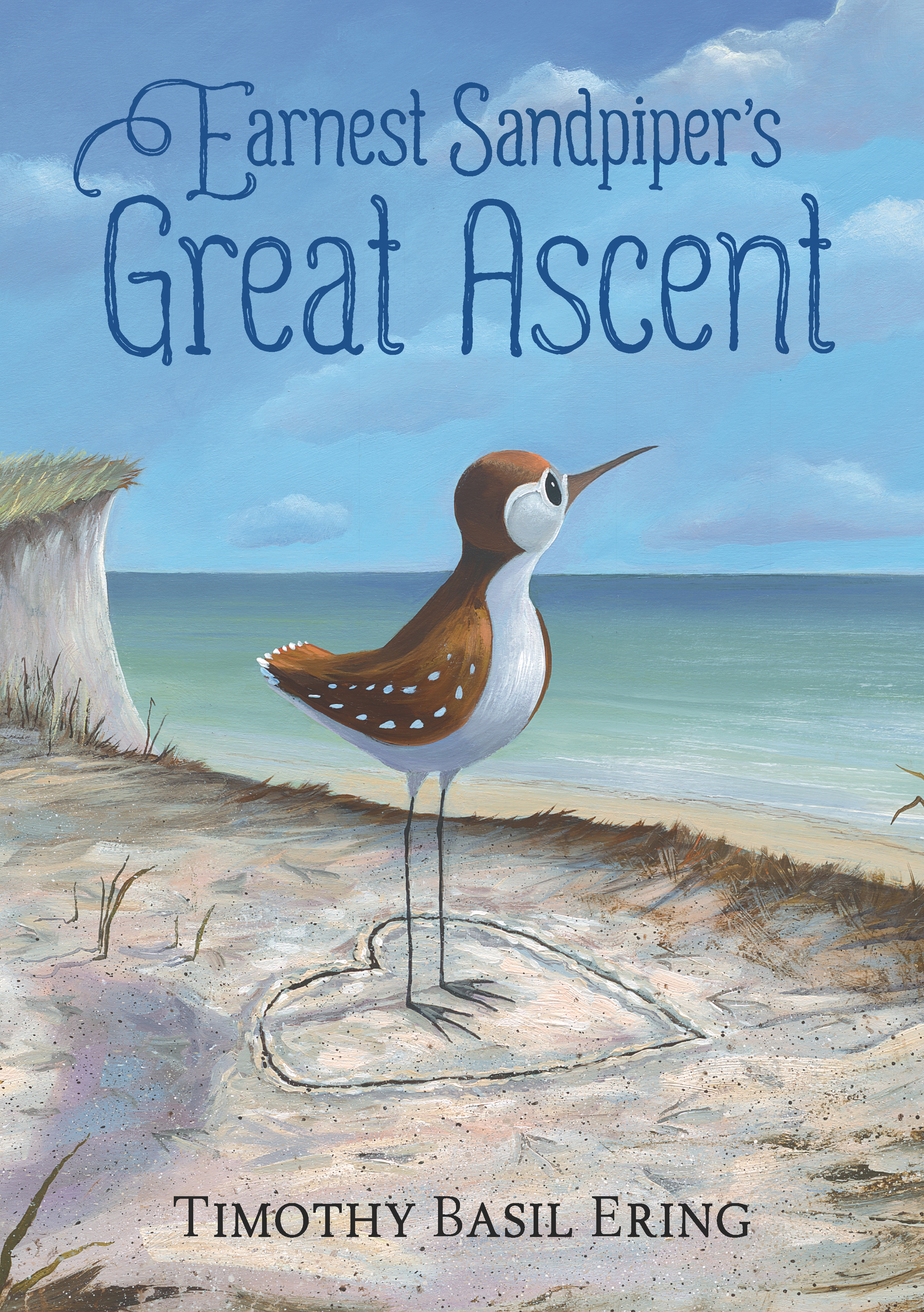
Publisher’s Summary: “Breathe . . . try . . . jump . . . FLY!”
With trademark energy and warmth, acclaimed creator Timothy Basil Ering delivers another picture book hero for young children to root for and relate to. The time has come for three young sandpipers to soar, but Earnest seems tied to the ground. He has wings and tail feathers just like his brother and sister; what makes him so afraid? Magic will happen, Mom promises, when he’s ready. But no matter how much she and Dad coach him or his siblings cheer him on, Earnest’s efforts only lead him into danger. Perhaps, with his family’s support and a little trust in himself, they’ll lead him out again.
Spirited text and whimsical, sea-bright illustrations encourage wary fledglings to achieve the impossible, all in their own good time.
How You Can Use It to Build Community: Being part of a thriving writing community means having a growth mindset since writing is hard! Flying doesn’t come easily to Earnest, a sandpiper. His siblings learn how to take flight without much effort. Earnest’s family supports and cheers him on as he works to attain the skill. Not only can you use this book to have conversations about rallying around a peer while striving for something, but it can also be used when discussing a growth mindset.
Look Inside:
Gray by Laura Dockrill and Lauren Child (Candlewick Press, 2024)

Publisher’s Summary: Some days you may feel sunshine yellow or orange-balloon bright. Other days you’re gray, or even night-sky black—like a dark scribble on a page, a storm in the clouds, or a puddle in the road. Gray is when you don’t feel like yourself, or like you don’t belong. But however you feel, there are big hugs (red) and loving lullabies (blue) waiting, and even the grayest sidewalk is a canvas for you to fill with the colors you choose. A tender narration from British spoken-word poet Laura Dockrill and subtle, spare artwork from former UK Children’s Laureate Lauren Child offer a comforting read for young children that addresses feelings of sadness and assures them that they are never alone.
Poetic words, evocative art, and die-cuts throughout combine to explore a child’s moods through color—or the lack of color—and offer a reassuring message of love and acceptance.
How You Can Use It to Build Community: Everyone has gray days when they feel like their joy has been zapped. Sometimes, children have multiple gray days in a row due to complicated home lives, mental health issues, etc. This book is a tender way to begin a conversation to help kids learn how to support their peers—especially when it’s their writing partner—even when they feel gray. (Click here to download a teacher tip card for this book.)
Look Inside:


My Name Is Long as a River by Suma Subramaniam and Tara Anand (Penguin Workshop, 2024)
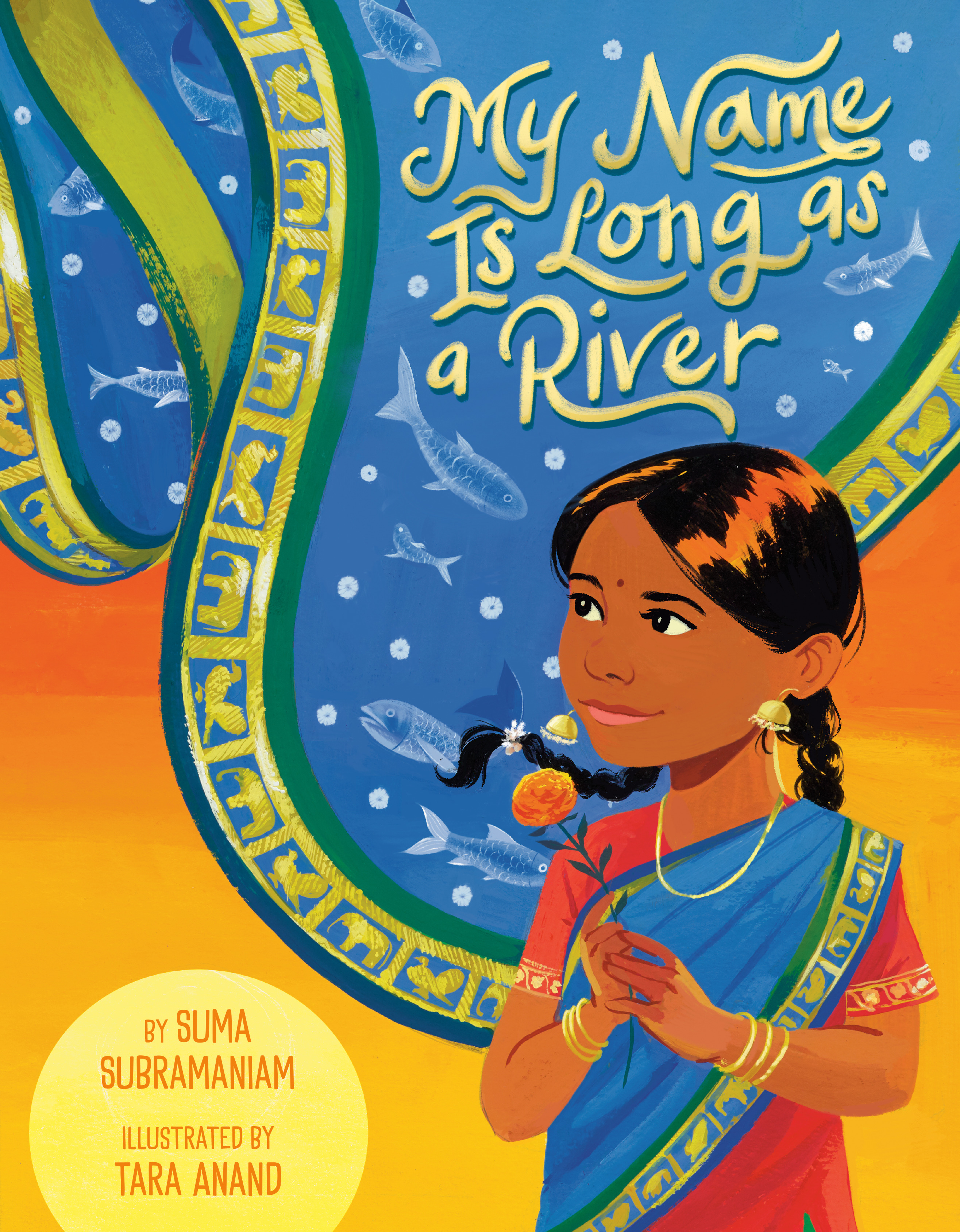
Publisher’s Summary: What’s so special about your name?
Kaveri Thanjavur Jayalakshmi Ganesan doesn’t think there is anything special about her very long name—in fact, she would prefer to be called “Kav.” But Paati reminds Kaveri that her name was inspired by her family’s heritage, where she was born, and the powerful river they journey across for the Pushkaram Festival. Along the way, Kaveri’s eyes and heart are opened to the beauty and magic her name holds.
Through Suma Subramaniam’s lyrical and tender writing and Tara Anand’s radiant illustrations, My Name Is Long as a River offers messages of cultural pride, self-confidence, and empowerment.
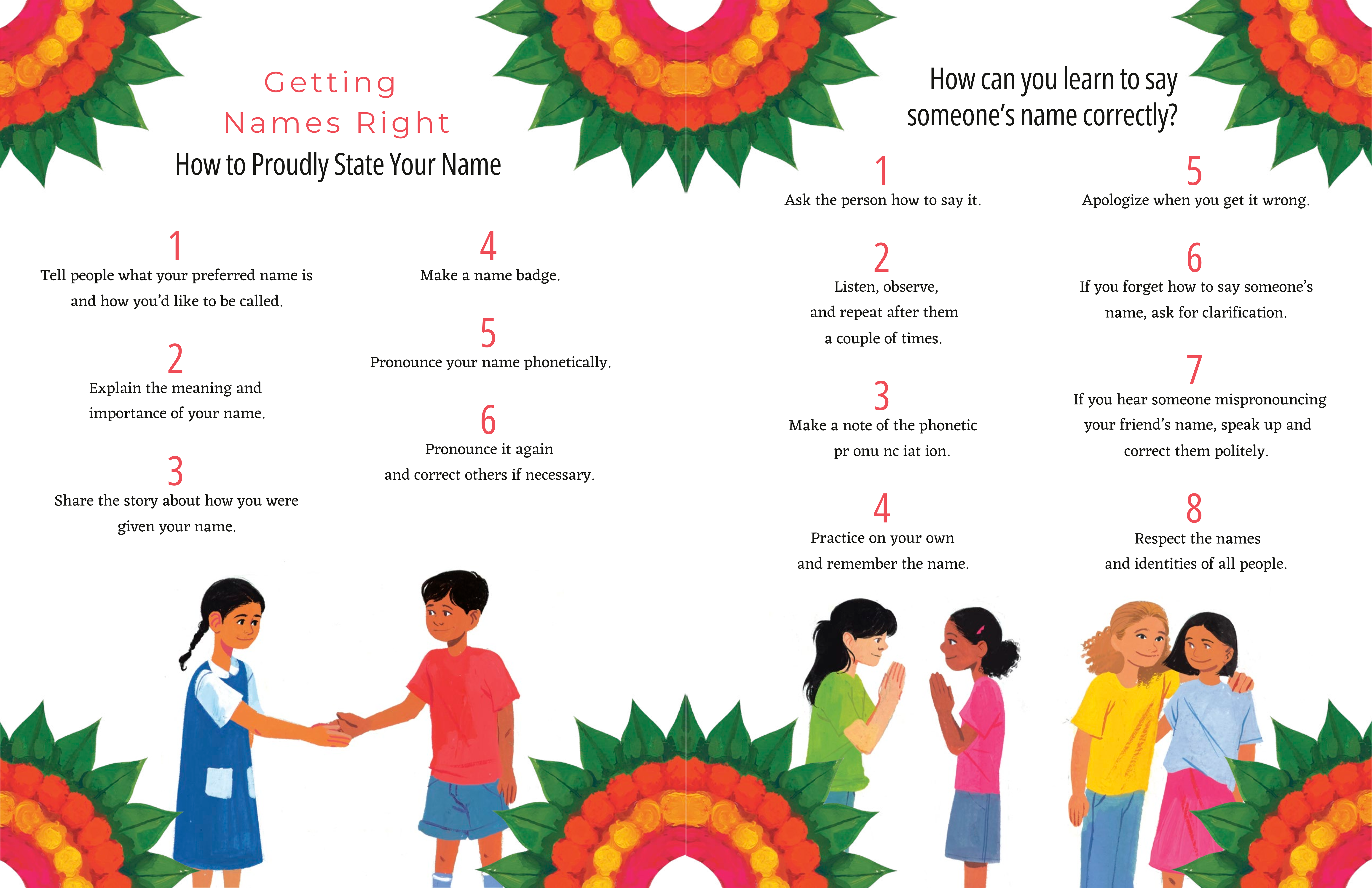
How You Can Use It to Build Community: Everyone’s name is important, and most of the time, there’s a story behind their name. It’s important for everyone in a writing community to be referred to by their full name (or preferred nickname). The background of this book is plentiful since it contains a glossary, author’s note, maps, and poems/sayings. But the most relevant piece of backmatter that can be used in the classroom is the page that teaches people how to proudly state their name and how to learn to say someone else’s name properly.
Look Inside:

Signs of Hope: The Revolutionary Art of Sister Corita Kent by Mara Rockliff and Melissa Sweet (Abrams Books for Young Readers, 2024)
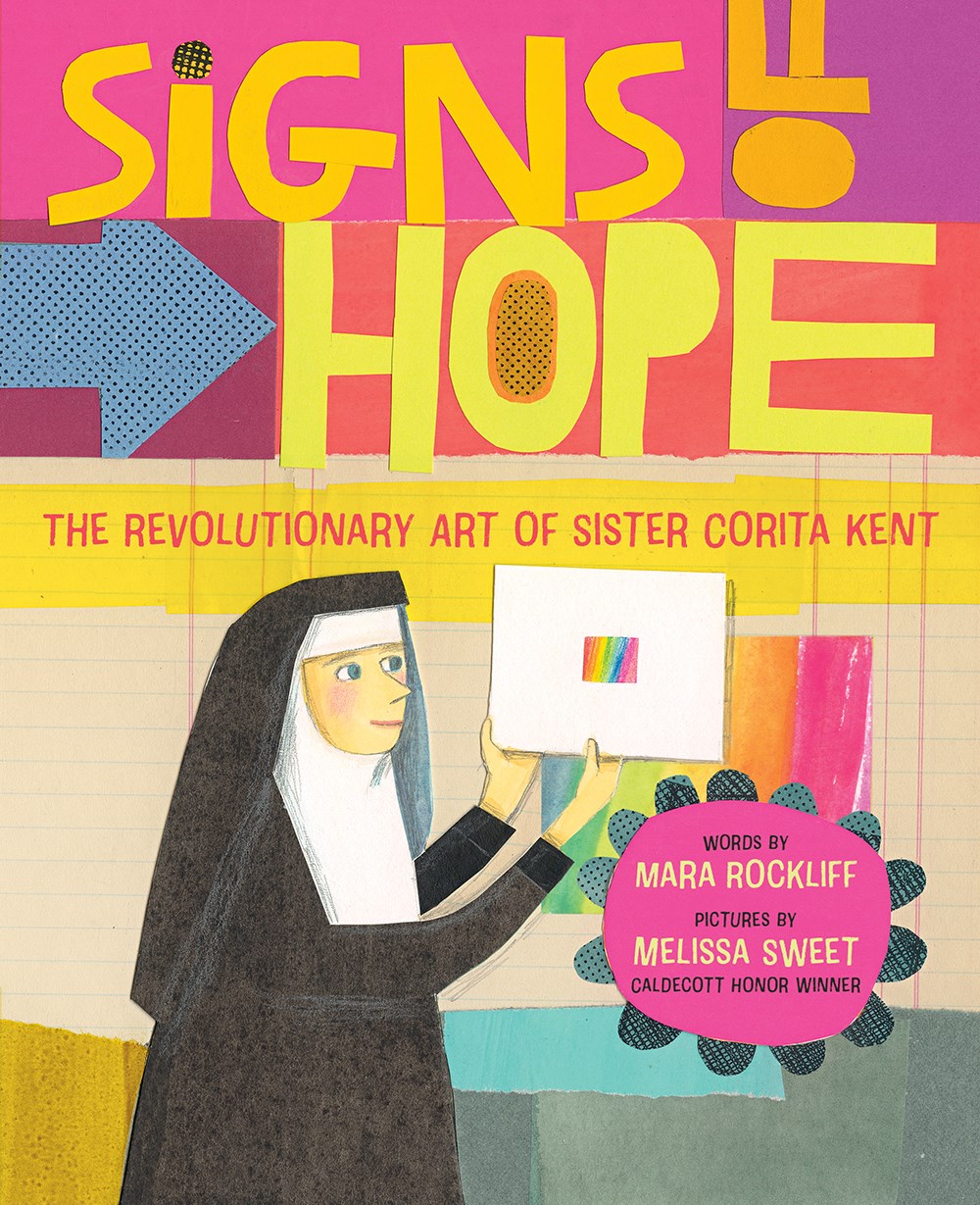
Publisher’s Summary: Let Corita teach you how to see the world in a whole new way!
Sister Corita Kent, the “pop art nun,” burst onto the 1960s art scene with splashes of color and ad slogans transformed into messages of love, hope, peace, and justice. The art world would never be the same—and neither would the young people whose lives she changed.
Join Corita’s students as they learn how to look at the world around them through an artist’s eyes. With Corita, work is play, imagination means adventure, and there is no line between life and art.
Told with joy and energy by award-winning author Mara Rockliff and spectacularly illustrated by two-time Caldecott Honor winner Melissa Sweet, Signs of Hope brings a revolutionary artist’s teachings—still fresh, still inspiring—to a new generation. As Corita told her students, “Be ready to see what you haven’t seen before!”
How You Can Use It to Build Community: There are parallels to how artists see the world and how writers see the world. Just as Corita wanted her students to pay careful attention to the world around them, we can invite children to live with a wide-awakeness as they walk through life as writers. If you’ve ever taken your students outside to record observations or have walked around the school building to capture snatches of talk on the page, this book will surely be a welcome addition to your collection of books to inspire kids to live differently when they’re living like writers.
Look Inside:


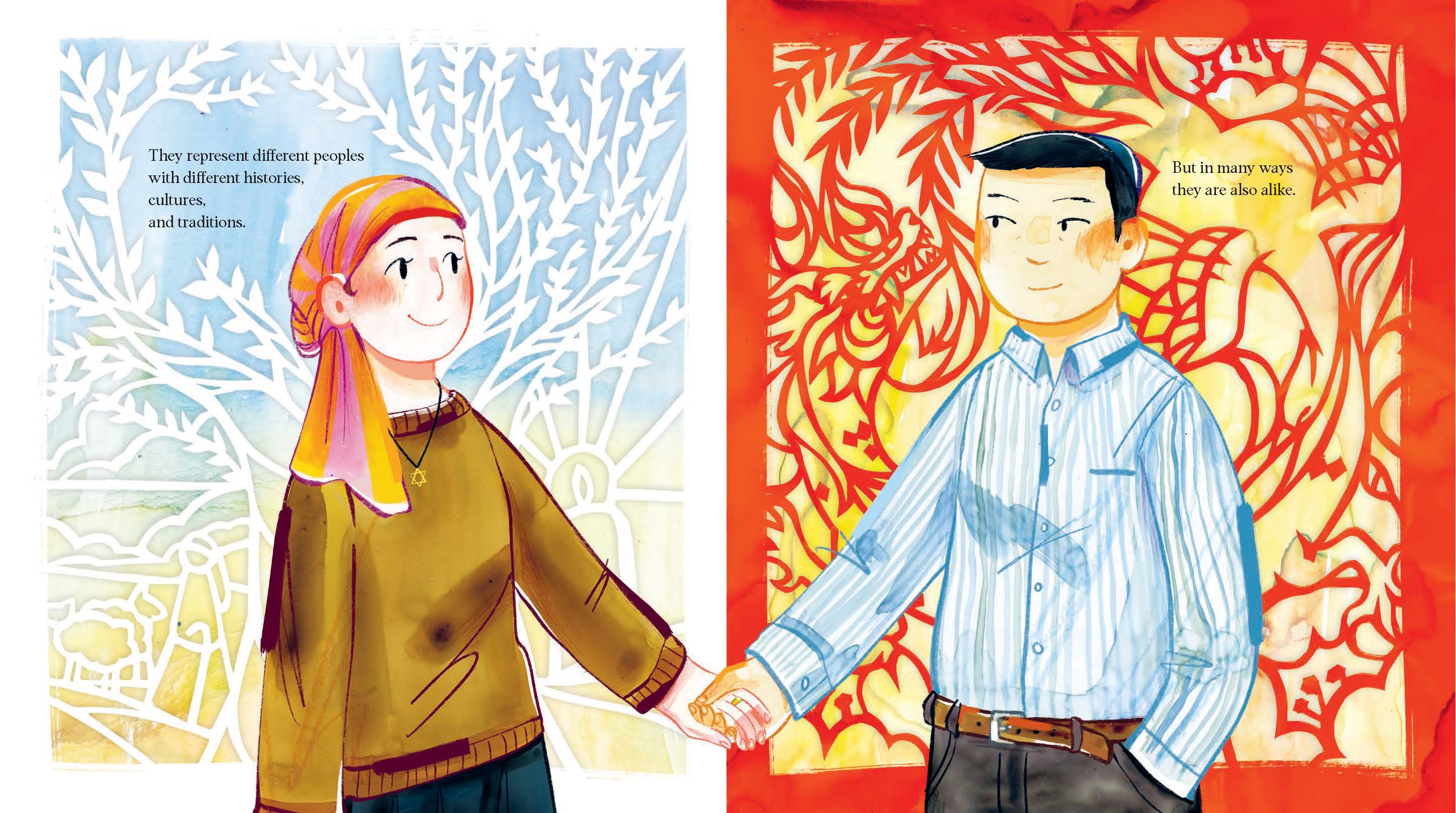
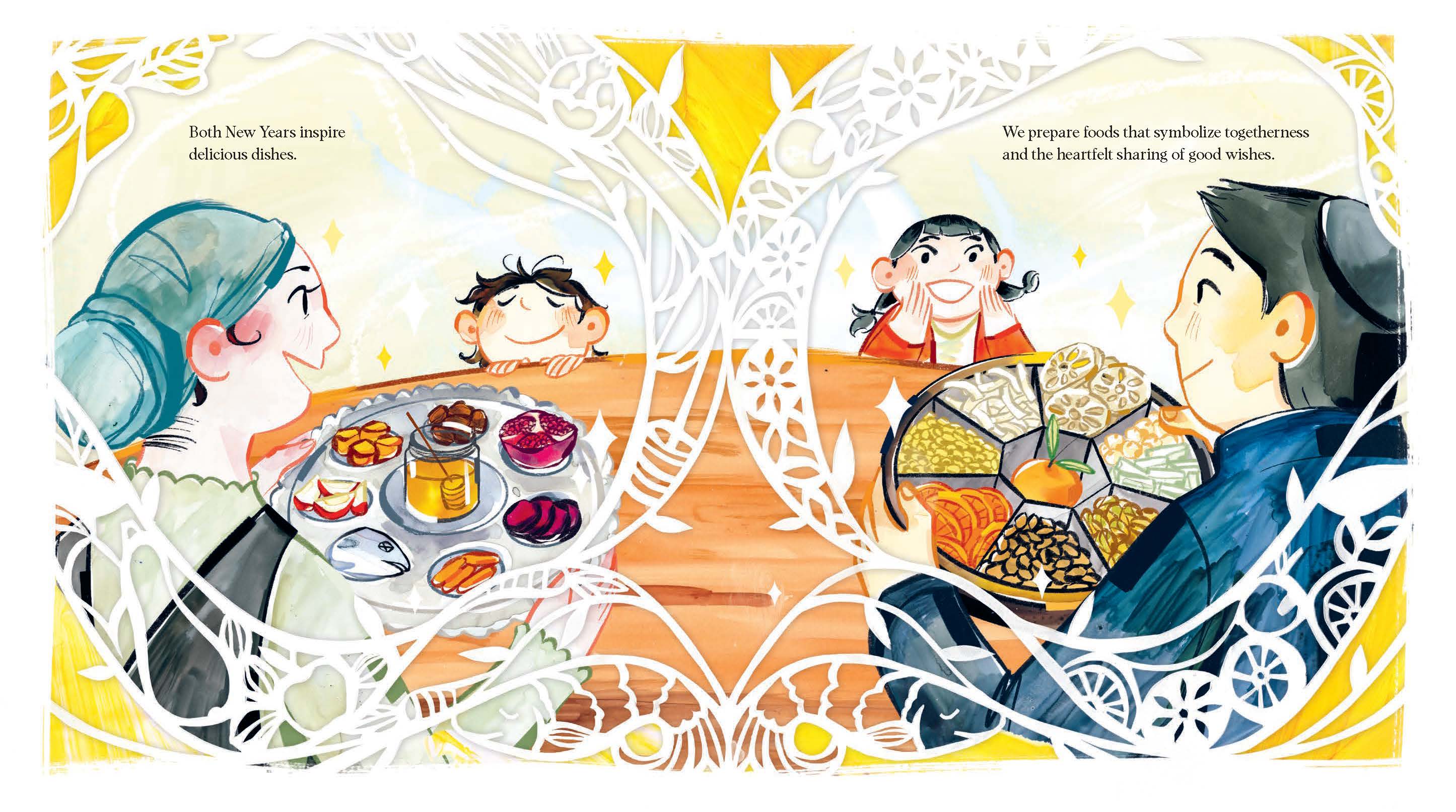
Two New Years by Richard Ho and Lynn Scurfield (Chronicle Books, 2023)
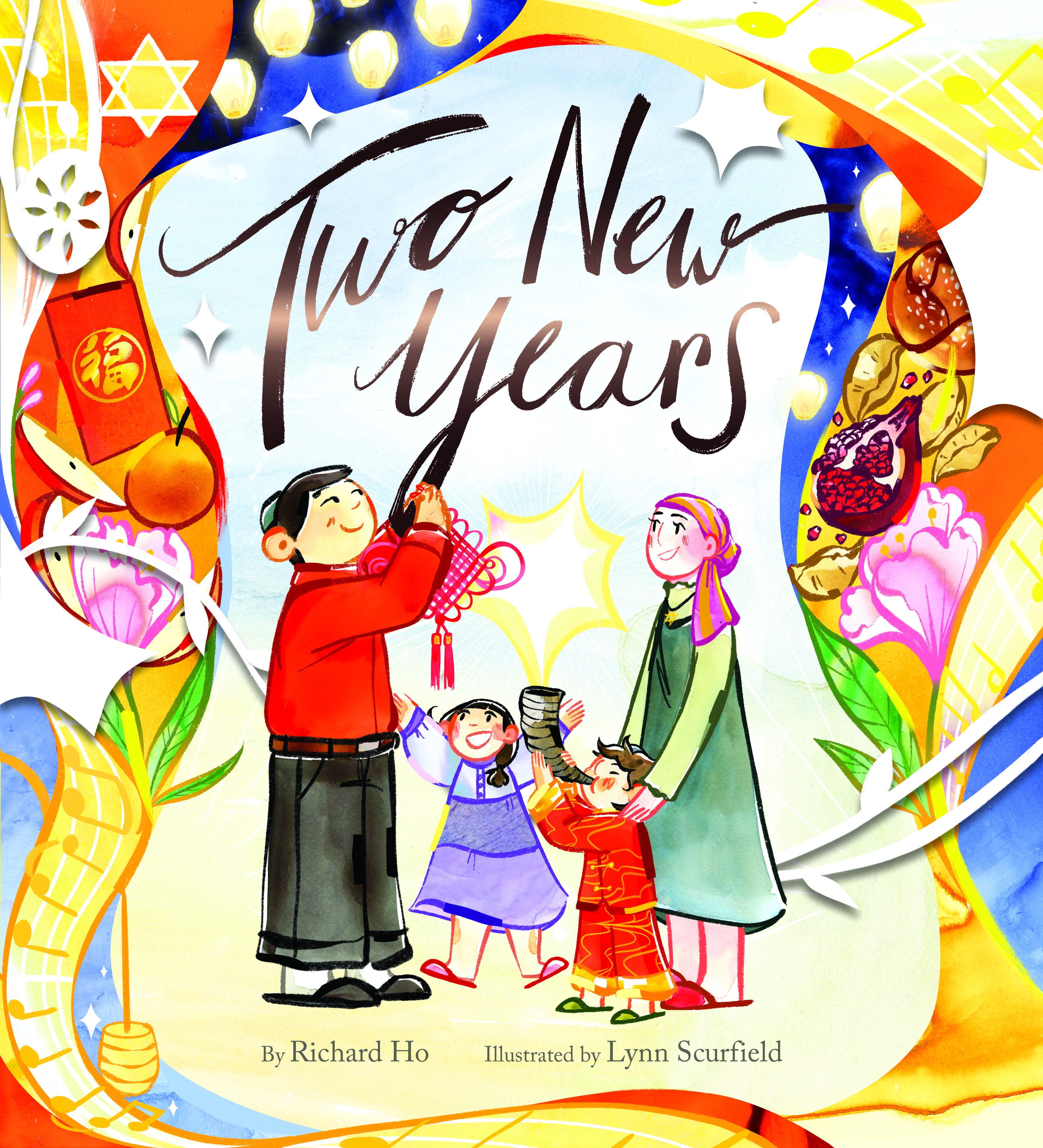
Publisher’s Summary: For this multicultural family, inspired by the author’s own, two New Years mean twice as much to celebrate! In the fall, Rosh Hashanah, the Jewish New Year, offers an opportunity to bake challah, dip apples in honey, and lift voices in song. In the spring, Lunar New Year brings a chance to eat dumplings, watch dragon dances, and release glowing lanterns that light up the sky.
With bright, joyful prose and luminous illustrations, Richard Ho and Lynn Scurfield invite readers of all backgrounds to experience the beauty of two New Year traditions, paying homage to the practices that make each unique while illuminating the values of abundance, family, and hope they share.
How You Can Use It to Build Community: Most people have multiple identities based on religion, race, ethnicity, etc. It’s important for kids to understand that identity isn’t binary. Ho and Scurfield’s book is a lovely way to help children appreciate the diversity every writing community member brings to the workshop.
Look Inside:
One Final Thing: Building a writing community is an ongoing process. These books can serve as touchstones throughout the year, reinforcing the values of inclusivity, support, and collaboration in your classroom.
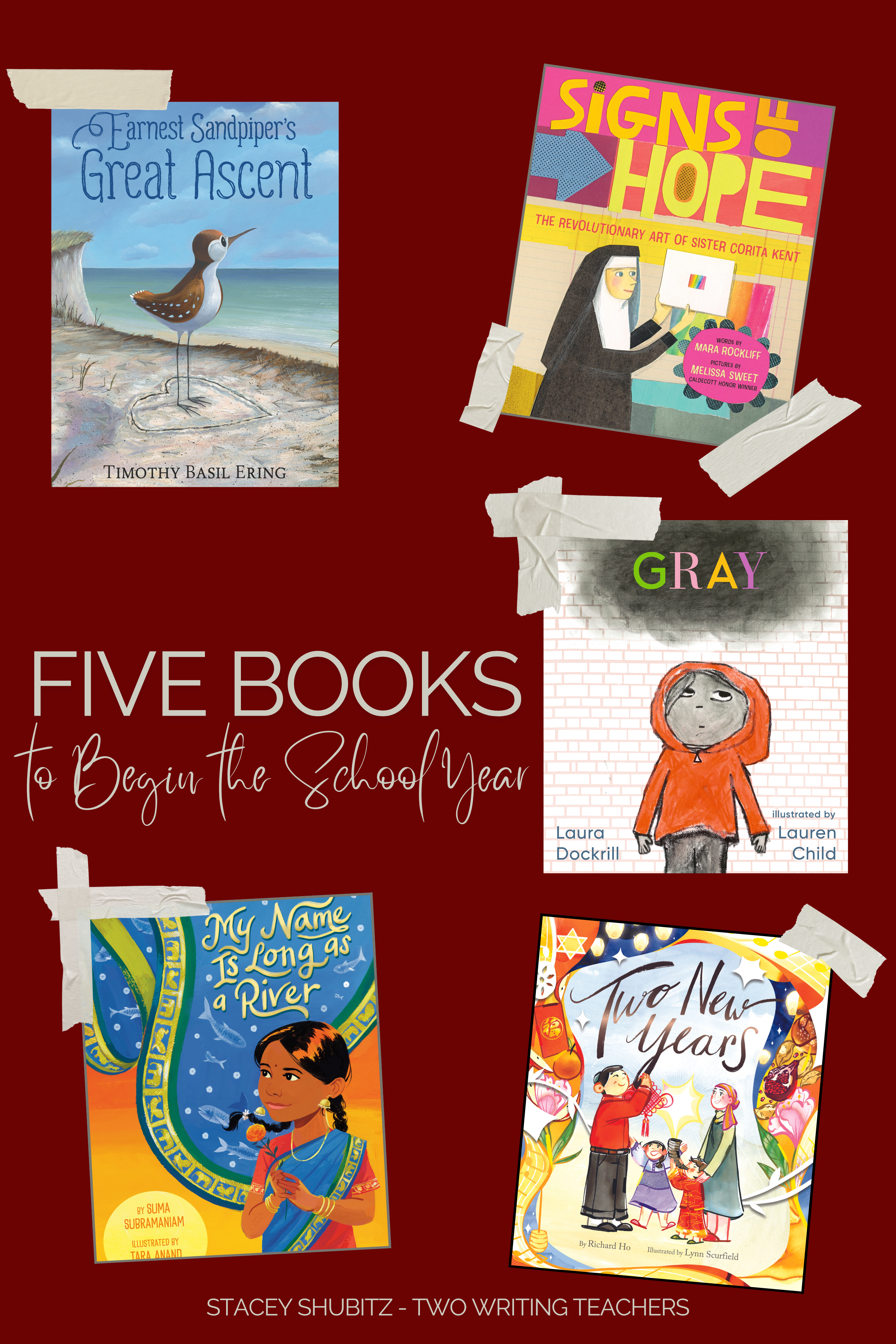
Giveaway Information:One lucky reader can win five books: Earnest Sandpiper’s Great Ascent, Gray, My Name Is Long as a River, Signs of Hope, and Two New Years. They have been donated by Abrams Books for Young Readers, Candlewick Press, Chronicle Books, and Penguin Workshop. To enter, comment on this post by Sunday, 8/25/24 at 11:59 p.m. EST. You must have a U.S. mailing address to enter this giveaway. The winner will be randomly selected and announced at the bottom of the post by Wednesday, 8/28. The publishers will ship the books to the winner. If you win, you will receive an email titled “TWO WRITING TEACHERS – BUILD COMMUNITY WITH BOOKS.” I will choose a new winner if you do not respond with your mailing address within five days.
EDITED on 8/26/24: Comments are no longer being accepted for the giveaway.
Congratulations to Steph Lowin whose commenter number was selected. She will receive the five books described in this post.
Discover more from TWO WRITING TEACHERS
Subscribe to get the latest posts sent to your email.


I’m excited to read these future mentor texts- for myself and my students!
LikeLike
Thank you for sharing these titles. I am looking forward to trying some of the suggestions as we build our classroom communities this upcoming schoolyear.
LikeLike
Thank you so much for sharing these titles. I am eager to try out some of the suggestions. Classroom community is vital to the pulse of the culture within a school.
LikeLike
I love getting a new list of book titles to start a new year! These are great for so many reasons! Thank you!
LikeLike
Such a powerful reminder to build a community of writers to facilitate the development of the writing workshop in a new community of learners. The selected books provide great support for building trust and encouraging risk taking. Thank you for this post and the opportunity to win these books. Happy New Year everyone!
LikeLike
Ooooh! More books to put on my list and share with my students and faculty! Thank you! I only was familiar with one of them – The Signs of Hope. I can’t wait to buy the others and introduce them to my school community! Thank you!
LikeLiked by 1 person
Thank you for recommending these wonderful titles. I have requested each of them at my local library. I look forward to sharing them with my new writers as we work to become the Merrifield Team!
LikeLike
This is a lovely collection of titles! I can see how each could be used to build community. If I were to be a recipient of these books, I would gift these to my grandson’s teacher.
LikeLike
Wow, these books look fabulous, each one with such a positive message about community and hope. I would love to be able to read them to my students!
LikeLike
School starts next week for me and 28 eager 4th graders! Picture books are the key for unlocking ideas and bridging the comprehension gap for my multi-language kiddos. Thank you for consistently updating your blog and keeping ideas fresh (and or the occasional reminder of the older “good” stuff). Appreciated and used on the daily. Thanks so much.
LikeLike
Our district theme this year is building community, and I am excited to build a community of writers this year in my classroom this year. These books look perfect for doing that.
LikeLike
These are all new book titles to me and they sound fantastic! Thank you for the great ideas to get the year started with encouraging writers and building community. Robin
LikeLike
Thank you for curating such an inspiring list of books!
LikeLike
I love the book selections and these would be a great addition to my classroom to build community! Great article too!
LikeLike
This is a beautiful collection of books 📚 💕 Can’t wait to add them to my classroom library!
LikeLike
definitely need to add some of these to my collection!
LikeLike
wonderful book ideas to begin our year of writing! I can’t wait!❤️
LikeLike
These books look amazing! I’m so excited to add them to my beginning of the year collection!
LikeLike
Great titles to add to my launch collection.
LikeLike
Thank you for sharing these titles! I’d never heard of any of them before. These would be wonderful additions to my SEL texts, and I would love to use them to build classroom community.
LikeLike
❤️Thank you for sharing. I am a district specialist assigned to 5 campuses. We have writing improvement as our goal this year! This will be very useful. I will check today to see if any of these books are in our libraries!
LikeLike
I’ve been looking for a new way to kick off my year, especially because of a mandatory curriculum change. These are perfect! Thank you!
LikeLike
What a wonderful list of books! I’ve been searching for new inspirational books to kick off my writing this year because of a curriculum switch (not my choice)! Thank you!
LikeLike