
Estimated reading time: 3 minutes, 4 seconds. Contains 615 words
Target Audience: Classroom Teachers
A Backstory
Writing is wondrous, amazing – even magical. The right words transport us, transform us. But in the words of my fourth-graders, “Not even magic is magic.” The “magic” of writing happens because the author has the tools and skills to make it happen. Recently, we did an author study on Leo Lionni, examining hallmarks of his work: what is the craft behind his magic?
It went so well, we wanted to create an anthology of Leo Lionni-inspired stories. The goal was to copy Lionni’s character types, story structure, and thematic elements in our own voices.
But I didn’t want to stop there. I’ve dabbled with “crowdsourcing.” Perhaps you’ve heard of the strategy, like when the London Zoo asks patrons to name a new baby panda, or when Frito-Lay creates a contest for inventing new chip flavors. In the classroom, it’s about getting students to articulate the suggestions they want. In my experience, kids enjoy controlling the feedback they get. After all, who enjoys getting advice they didn’t ask for? Not me, and certainly not my writers.
I’ve used crowdsourcing here and there, but this was the first project I designed and taught using the strategy as a foundation for our work. In this post, I’ll share our process, and I hope others will find ideas and inspiration.
The Details
Step One. My students were familiar with writing plot-driven stories, but they were less experienced with theme- or character-driven stories, as Lionni’s works tend to be. I offered a prewriting activity focused on character attributes, rewards, and consequences. I reserved the last slide for students to “crowdsource” ideas for their story:
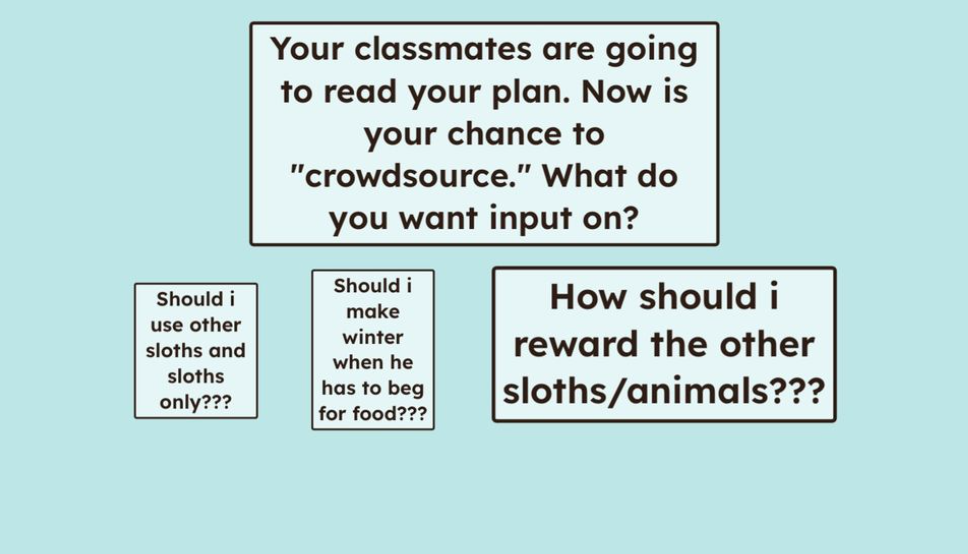
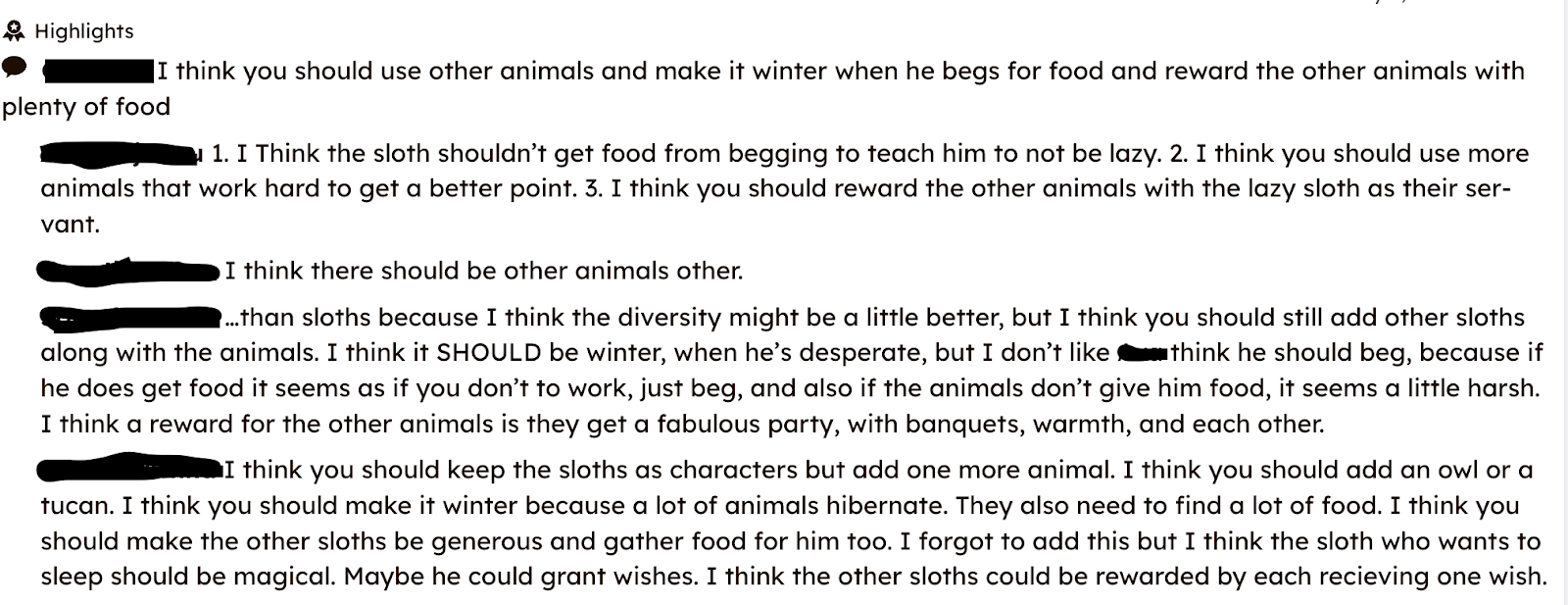
From there, students read one another’s story plans and offered ideas based on the author’s requests. The kids were remarkably thoughtful with one another!
Step Two.
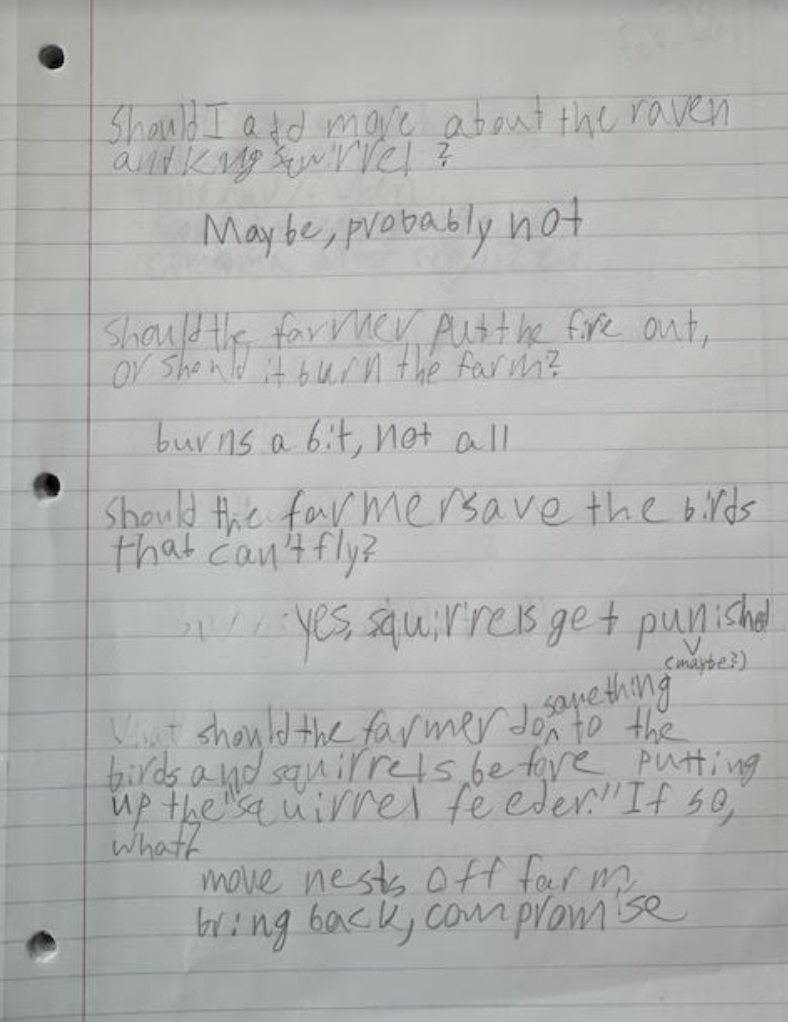
Once kids had plans and ideas, they began drafting. After a full class day, we went back to crowdsourcing. Students wrote questions they wanted to ask partners for advice or feedback.
Groups were formed, Google Docs were shared, and kids got working. Authors would ask their questions to the group before reading as a “filter,” then the group would read the story silently. Conversation would circle back to the guiding questions as the author took notes on any changes or suggestions to implement.
Step 3. Once students had stories fully drafted, it was time to level up! This version of crowdsourcing minimized the role of the author in group conversation. This time around, authors sat back from the group, completely silent, fingers off the keyboard. Authors took notes as they listened to group mates performing a close read of their stories. As they listened, all sorts of things became evident: errors in conventions, parts that didn’t make sense, and (of course!) parts that were enjoyable and thought-provoking. Kids reflected that this exercise in particular was difficult, but extremely rewarding.
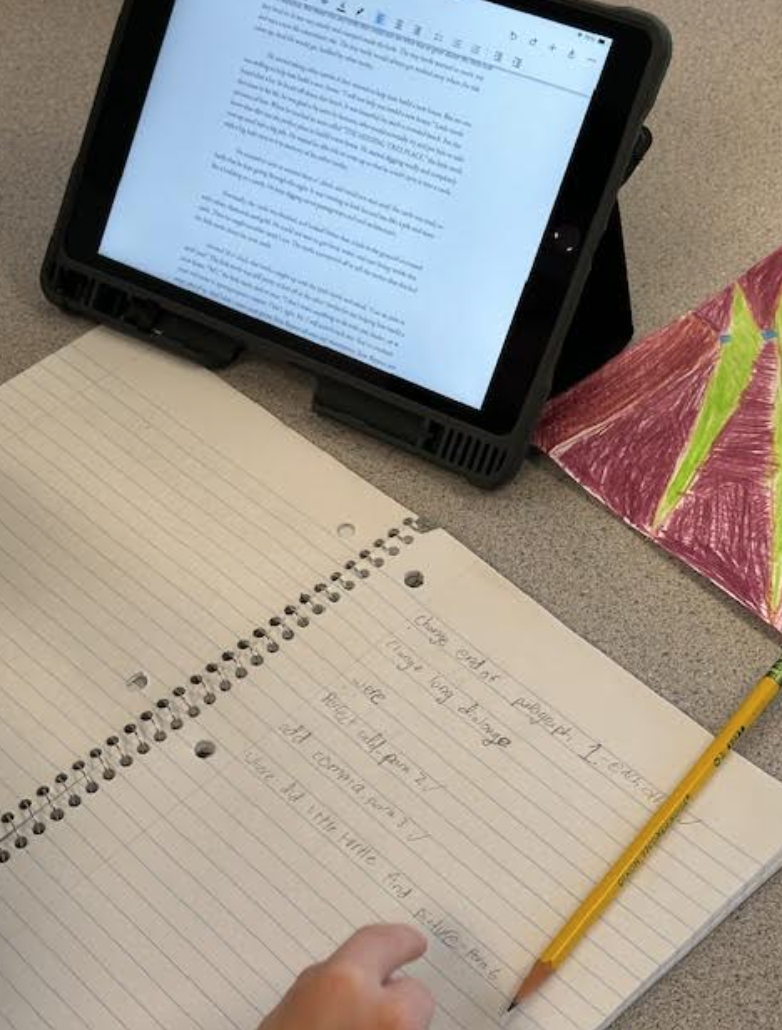
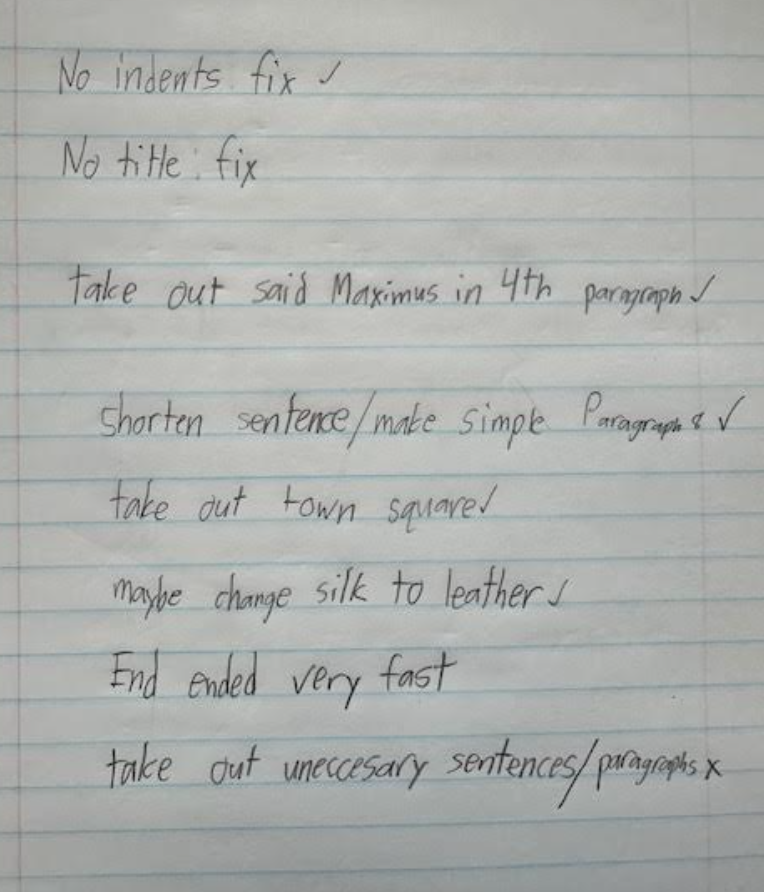
Step 4. After those conversations, students returned to their work with a final list of additions, deletions, and revisions. I also offered students support with final edits, especially with the mechanics of dialogue. One more class period creating cover art, and stories were ready to publish!
What’s Next
Crowdsourcing works beautifully in the writing classroom. My students were deeply engaged throughout the process, and the stories were well beyond the caliber of what students had produced in previous units. With this strategy, students decide:
- What they want their writing to accomplish – which requires them to consider their audience;
- What questions to ask – which requires them to consider elements of writing;
- Which guidance they wish to take – or not.
Whether it’s through classroom conversations, or online forums such as Seesaw or Google Docs, crowdsourcing is a simple way to get students communicating as writers and readers, and it puts control in the hands of students.
Ready to give it a go? Got similar ideas that you use in the classroom? Let’s crowdsource them in the comments below!
Discover more from TWO WRITING TEACHERS
Subscribe to get the latest posts sent to your email.


Through your storytelling, you ignite the spark of hope within the hearts of your readers, inspiring them to believe in the beauty of their dreams, the strength of their convictions, and the limitless possibilities that await them on the horizon.
LikeLike