I want to make more space for looking at student work. Like so many of you, my school year is packed with planning, assessments, meetings, reports–the list goes on and on. And while I read my students’ writing as often as possible–noticing what they’re doing well, considering areas where they need to grow, and adjusting my day-to-day teaching in accordance with my anecdotal and formal observations–I don’t always have the chance to just sit with the work.
This year, I have been collecting my students’ writing since October. I have been hoarding it, stashing it away, and refusing to give it back until I’m ready. I’m almost ready!
My students will absolutely get their work back in just a few short weeks from now. And surely they will be as amazed as I am to see how far they’ve come as writers. Now I have the chance to do something I have never really done before–I can look at my students’ work from the beginning of the year to now and see the trajectory–in the flesh. It’s really quite remarkable!
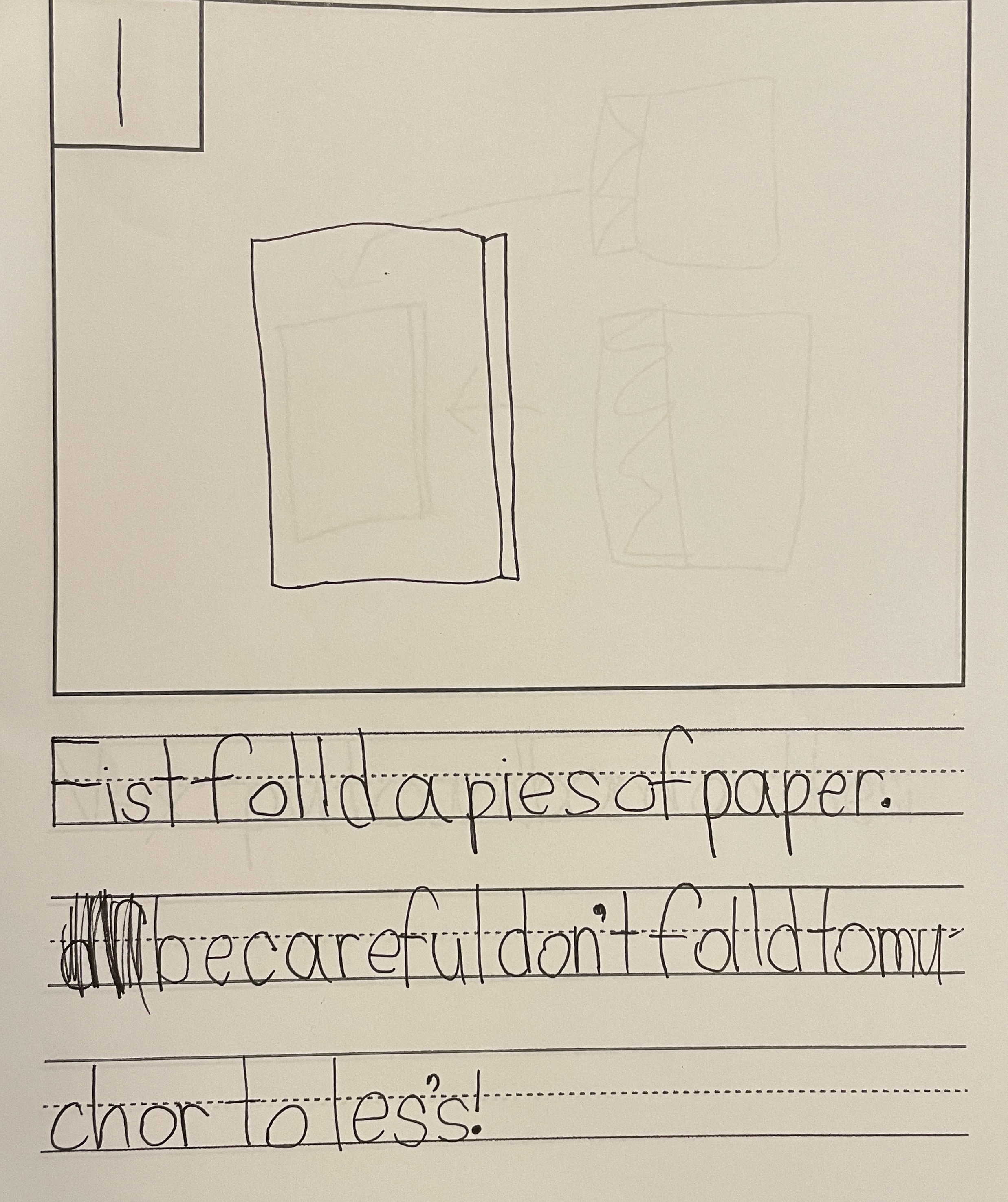
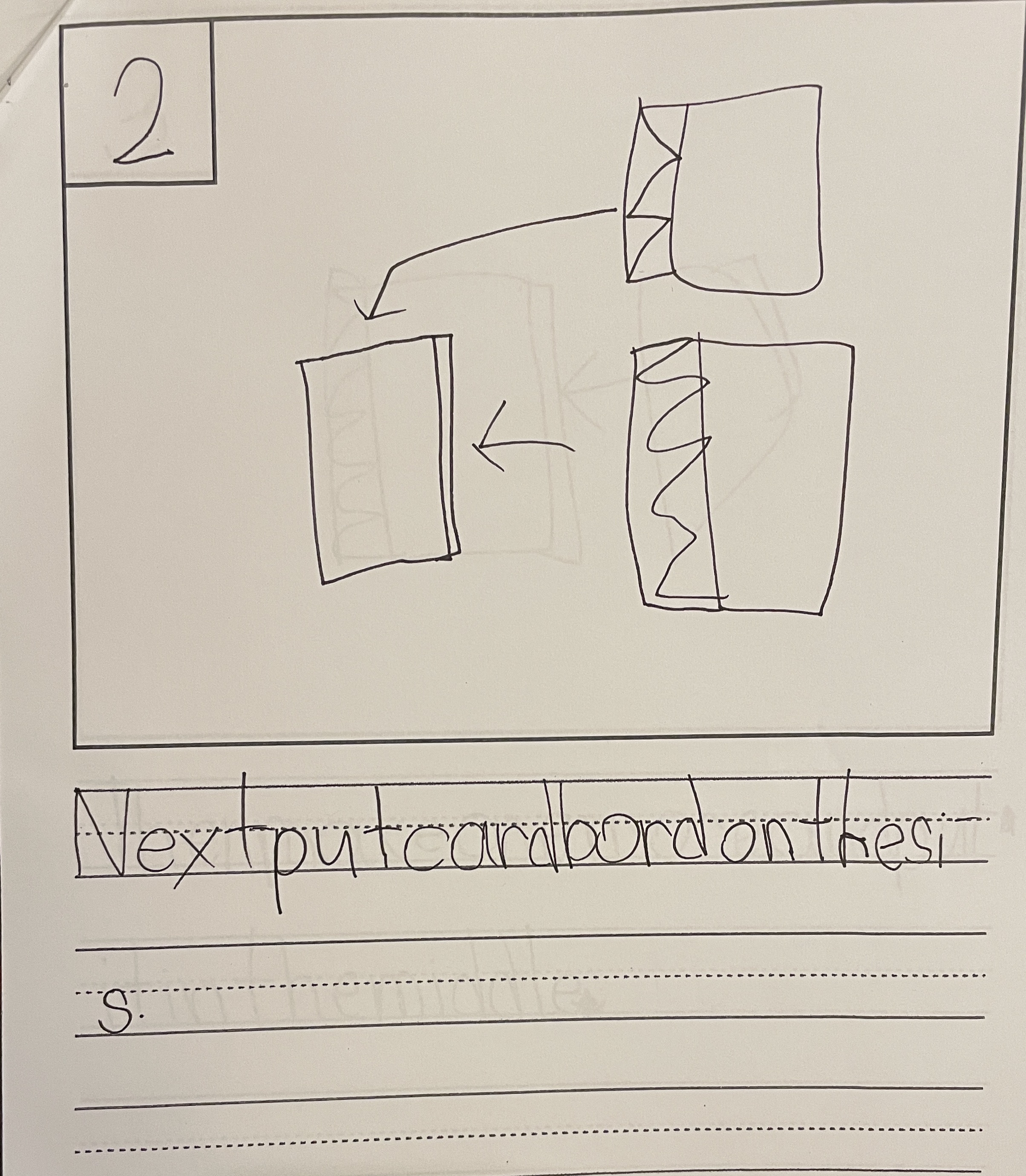
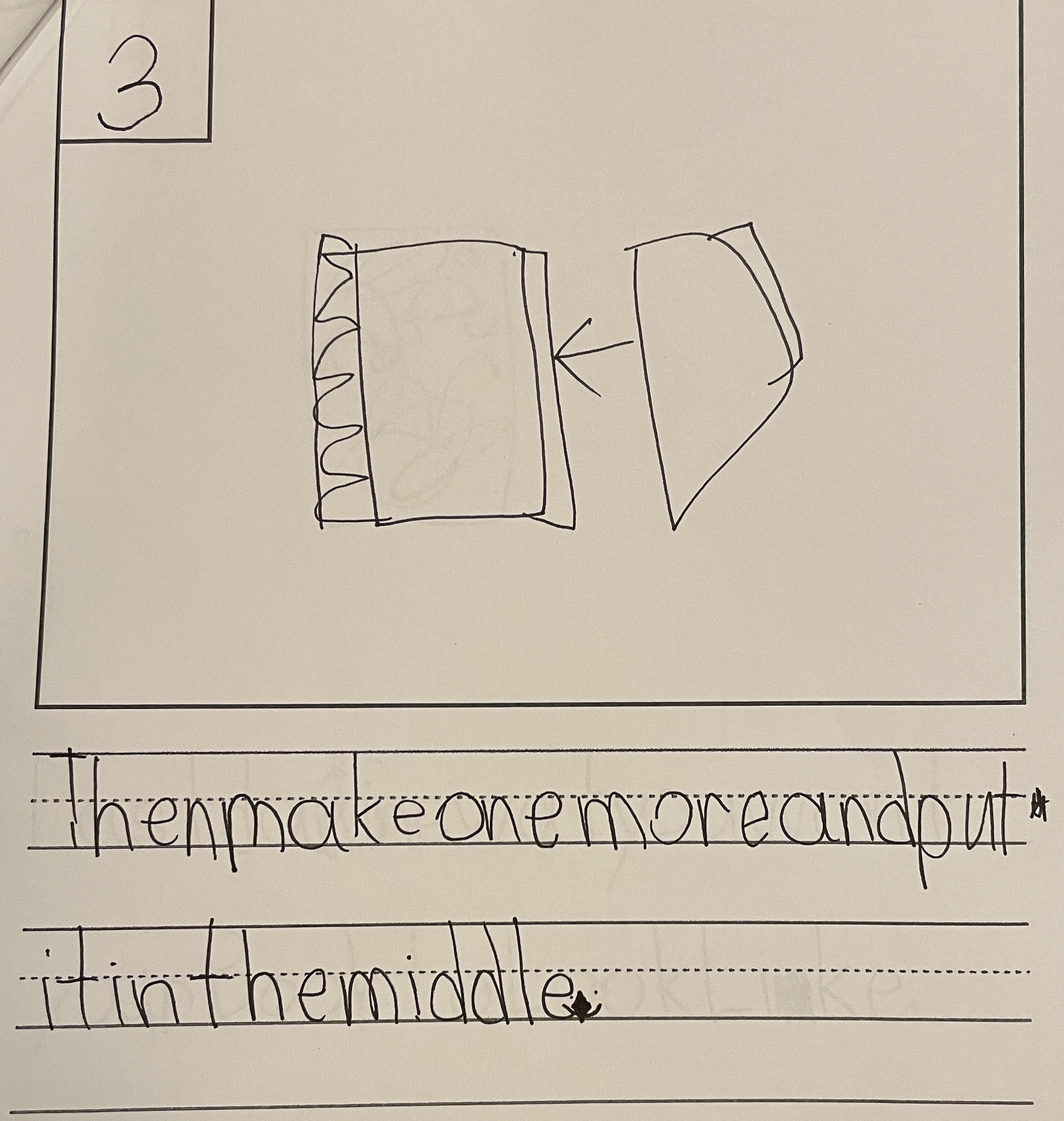
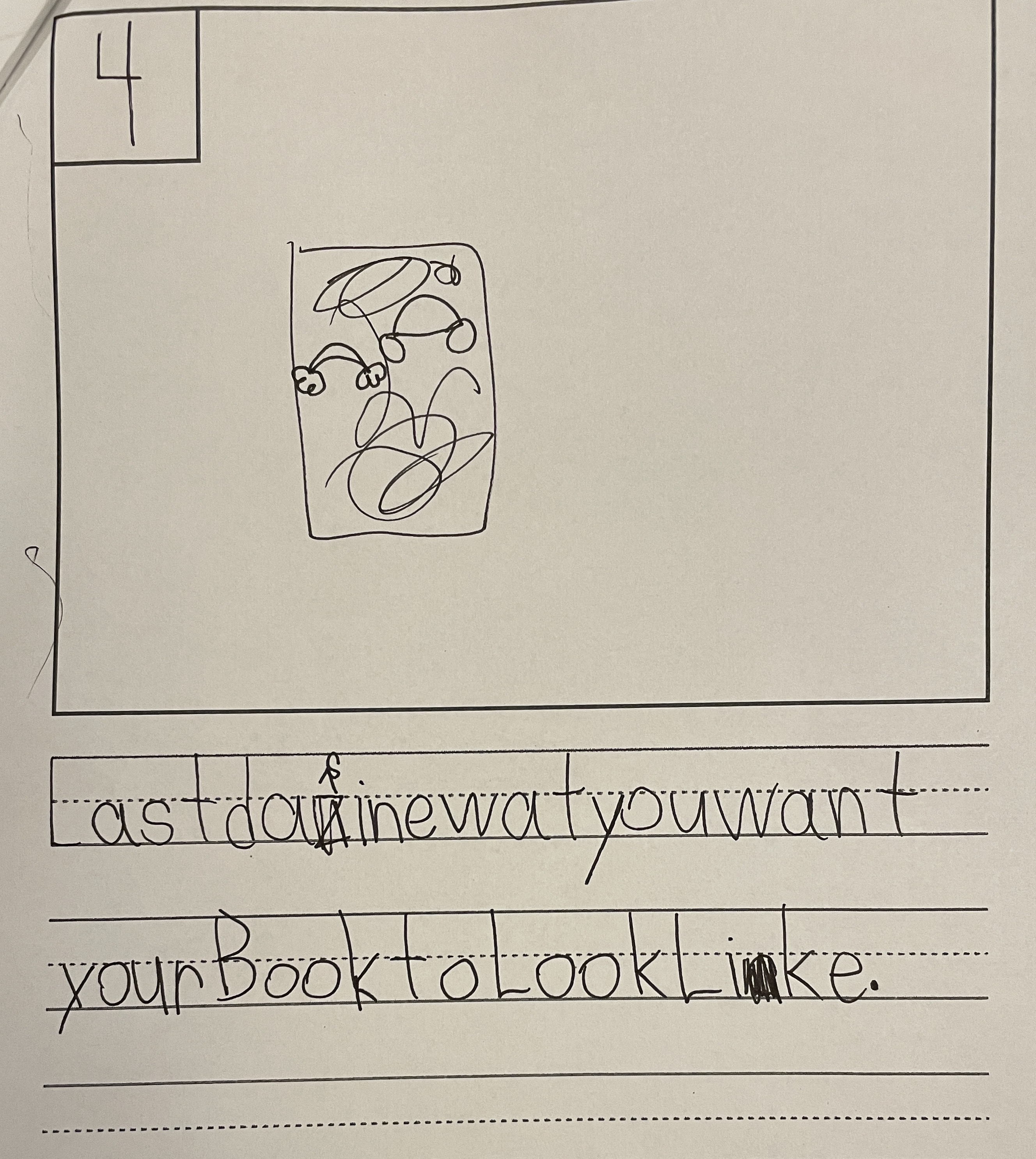
When I look at student work, I first do so through the lens of an artist. What does that mean? It means that I leave behind my preconceived ‘Kindergarten Teacher’ notions of what good writing is or what it looks like. I start to notice and wonder. I sit with the work. I attempt to decipher it. I ask questions. I let the work breathe.
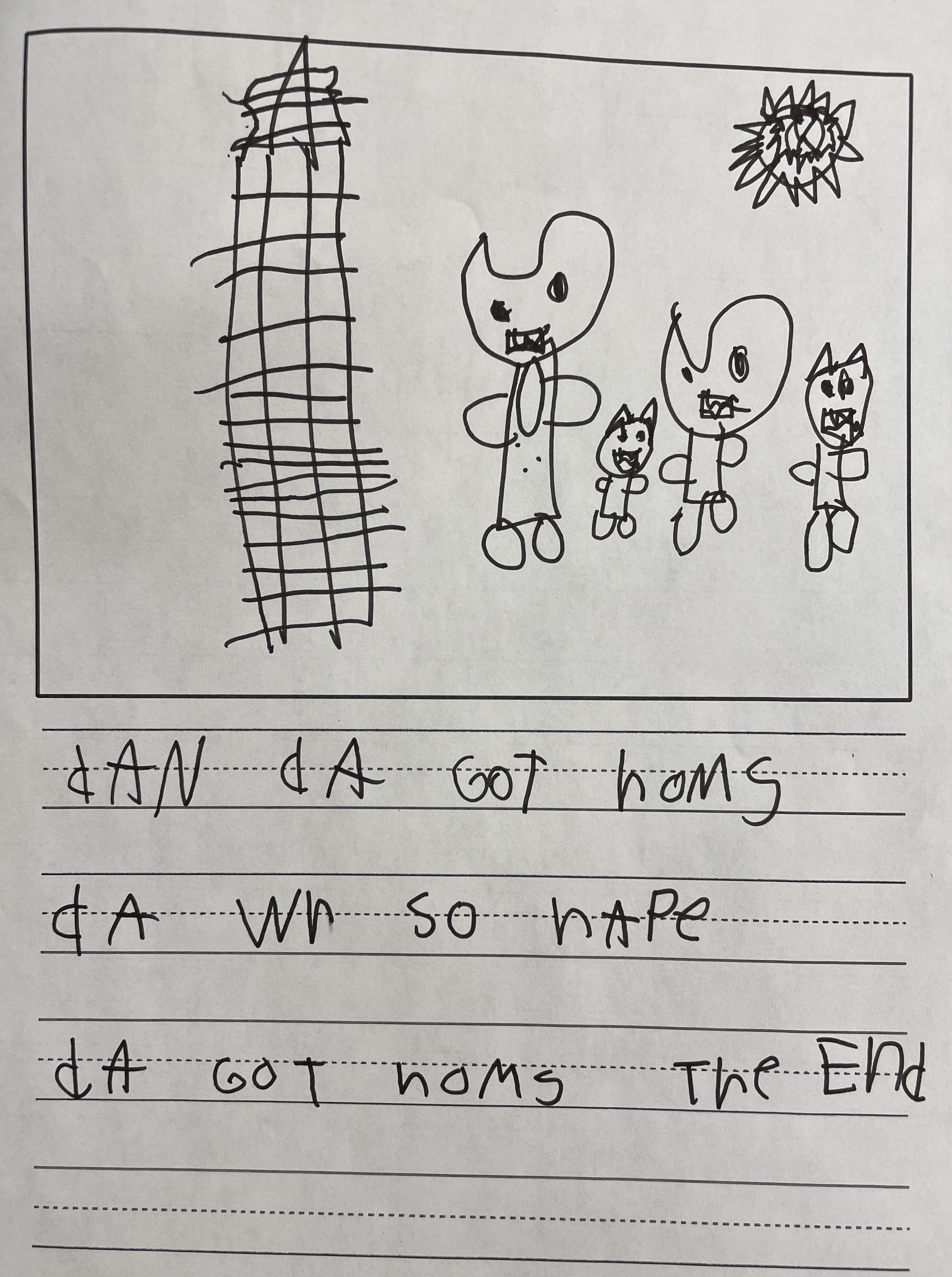
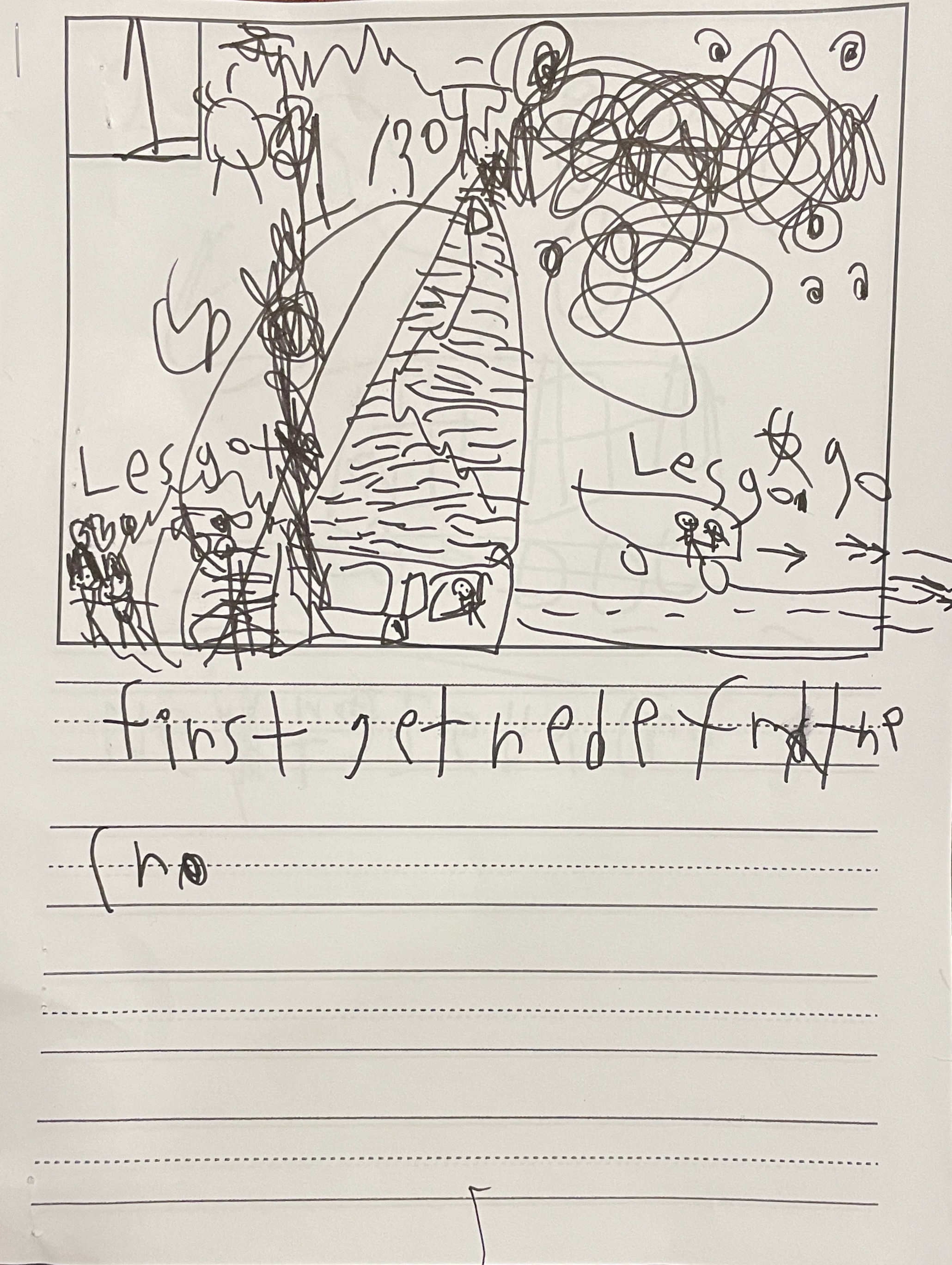
I usually begin with the illustrations because they are so compelling to me. Children’s drawings (especially when they are under the age of around ten or so–before they become too self-conscious), are magnificent. They are wiggly, uninhibited, masterful, and emotive. I love them. And so I start there. After I spend some time with the drawings, I move on to the letters and words. Sometimes they are clear and easy to read. Sometimes they are impossible. I do what I can and usually succeed in reading them, especially if I’ve had a chance to meet with the student and can recall what they intended to say.
From there I ask myself a lot of questions. What is this student doing well? What are they not yet doing? Does their work have clear ideas? Does it have a voice? Is the work matter-of-fact? Is it silly? Is it serious? Is it something else entirely? How is it organized? Do they have a solid grasp of letter sounds? How are they doing with vowels? What writing conventions are they using? Are they incorporating dialogue? Is their work sequential? How did the work change over time? Does it make sense to me? More importantly, does it make sense to them?
Then I start to reflect on my own teaching. What does this work say about my teaching? Did I help my students develop a writing identity? Did I create a writing environment that allowed them to be independent, creative, and brave? How could I have differentiated more? Did I give my students enough practice with revising and editing? Were there any lost opportunities? What did I forget to teach? What feels successful? Are my students the same writers they were back in September? Am I the same teacher?
I have chosen to share some work from four of my current students to highlight the progression they went through from the beginning of kindergarten to now. These are simply examples of student work. I do not have an agenda in doing this other than to celebrate and honor their growth as writers and acknowledge the magical beauty of writing in early childhood.
What do you notice? What do you wonder? Thank you for reading and looking. I invite you to share your thoughts in the comments below.
Student 1


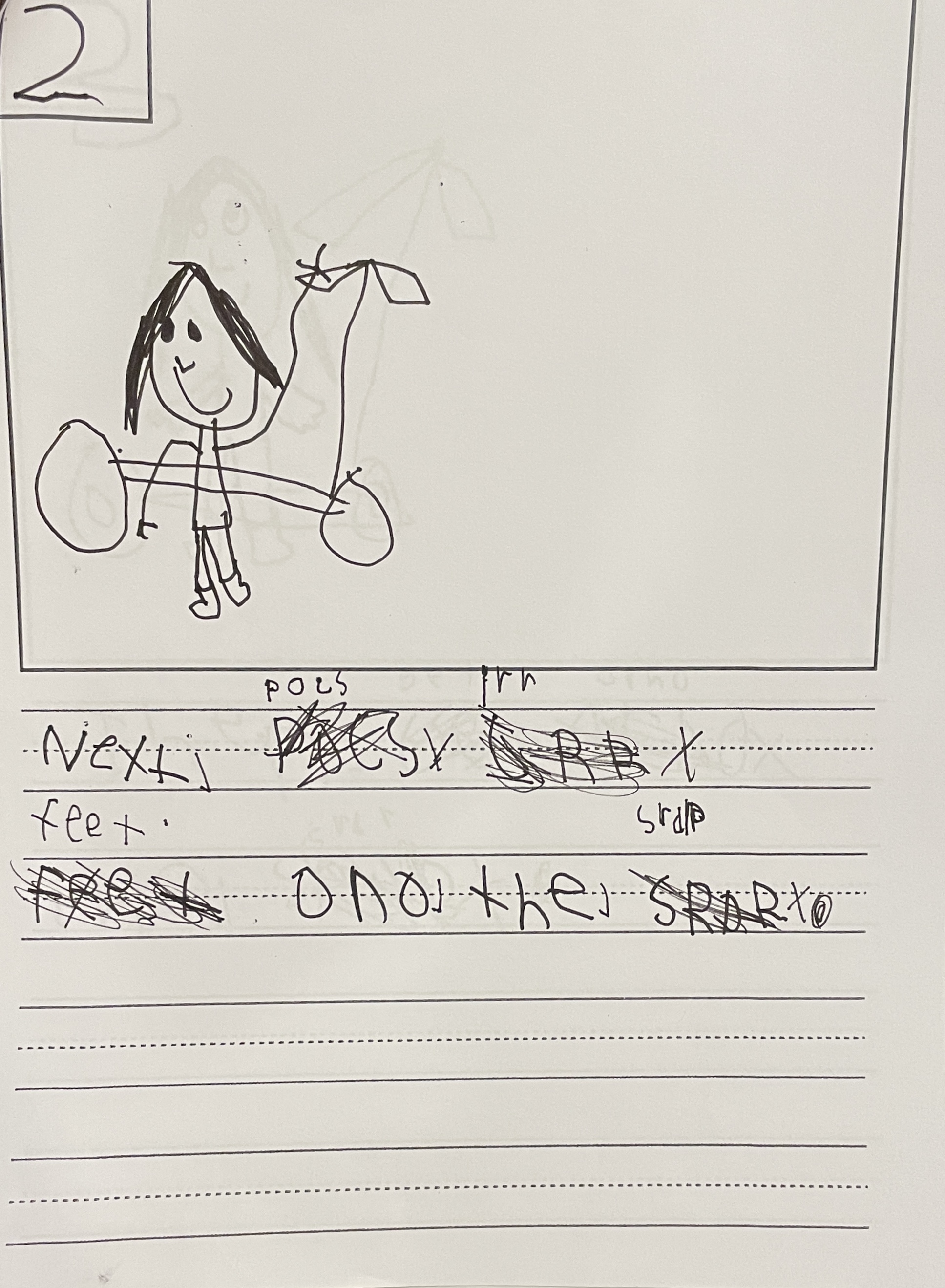

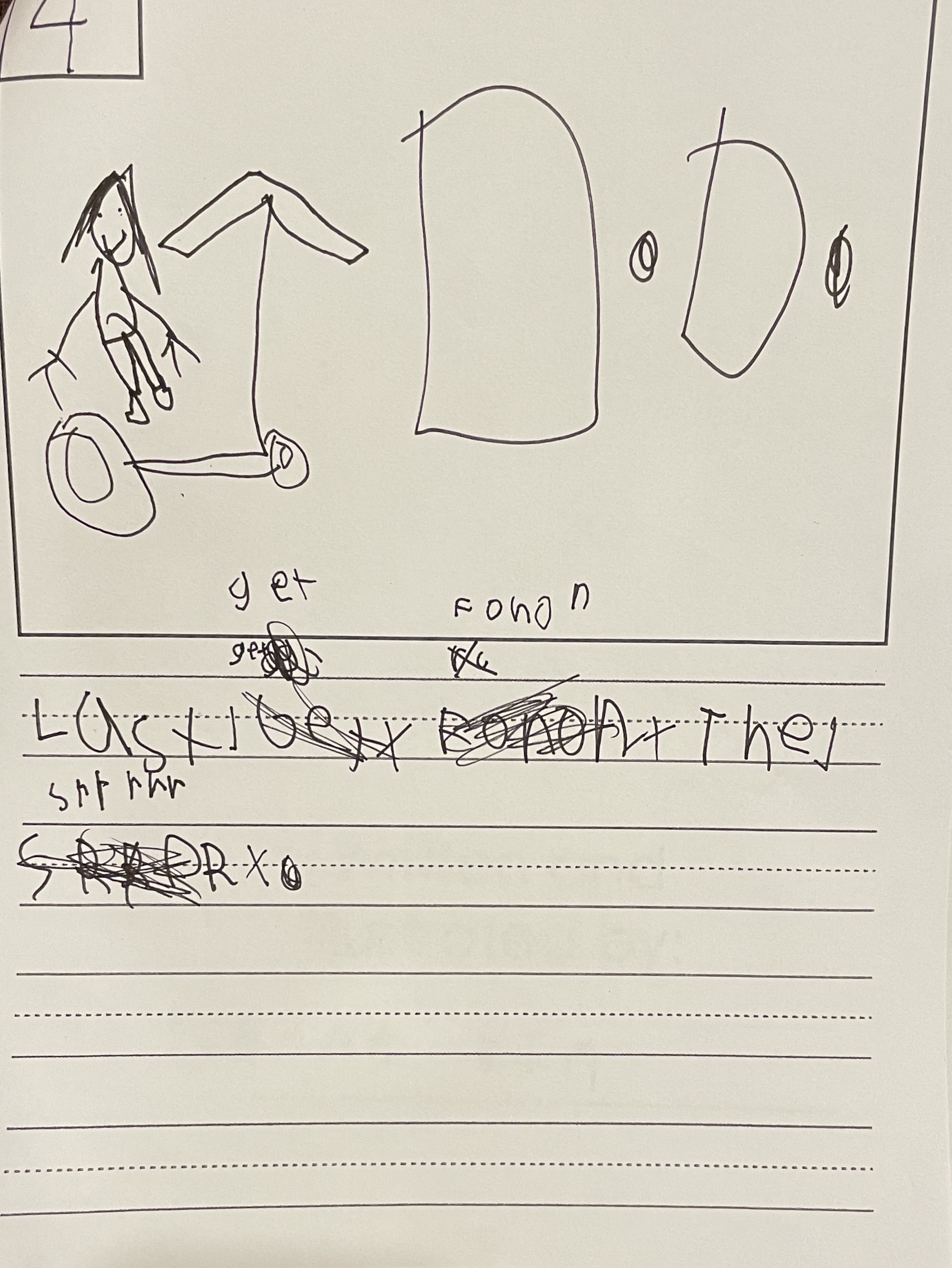
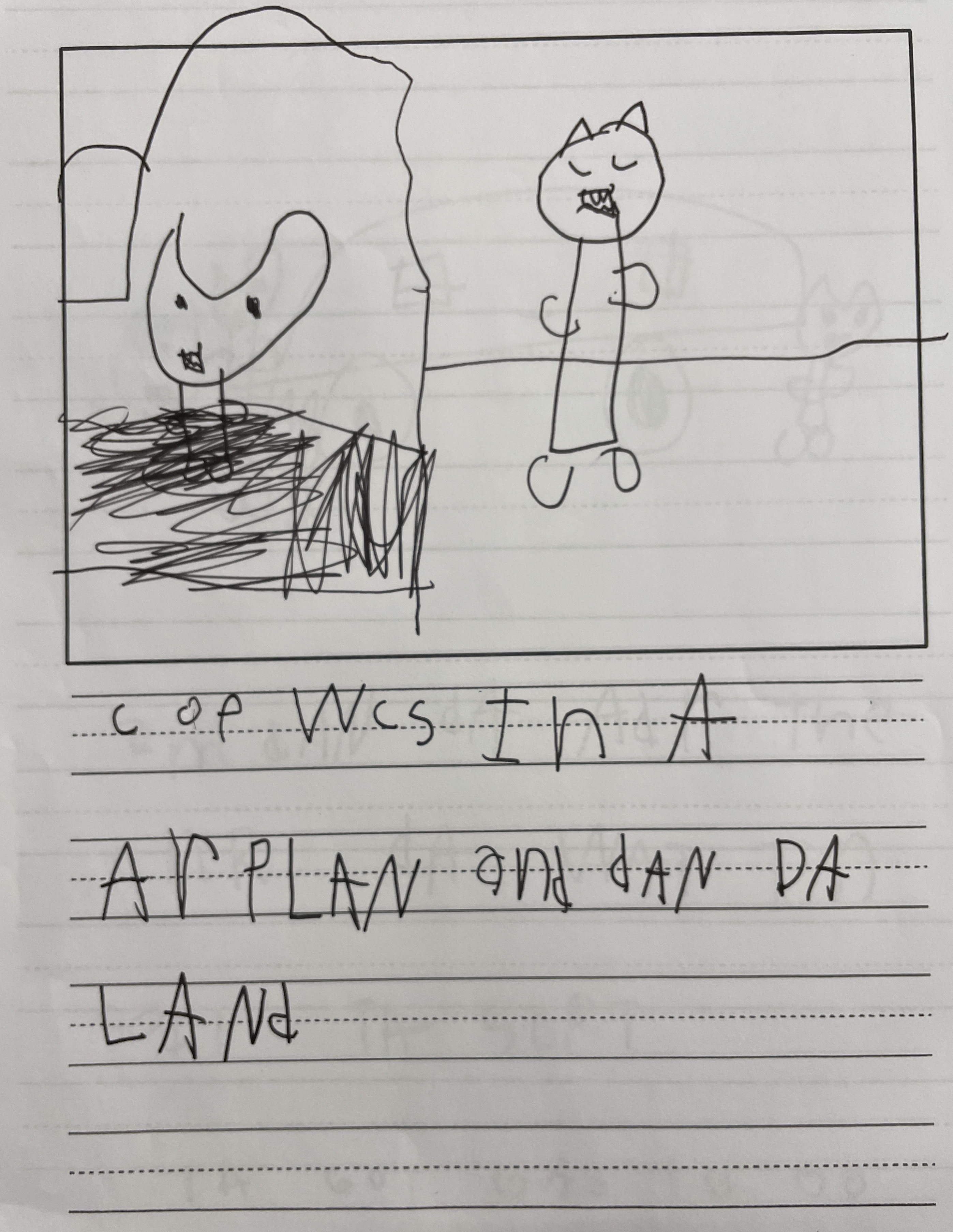

Student 2

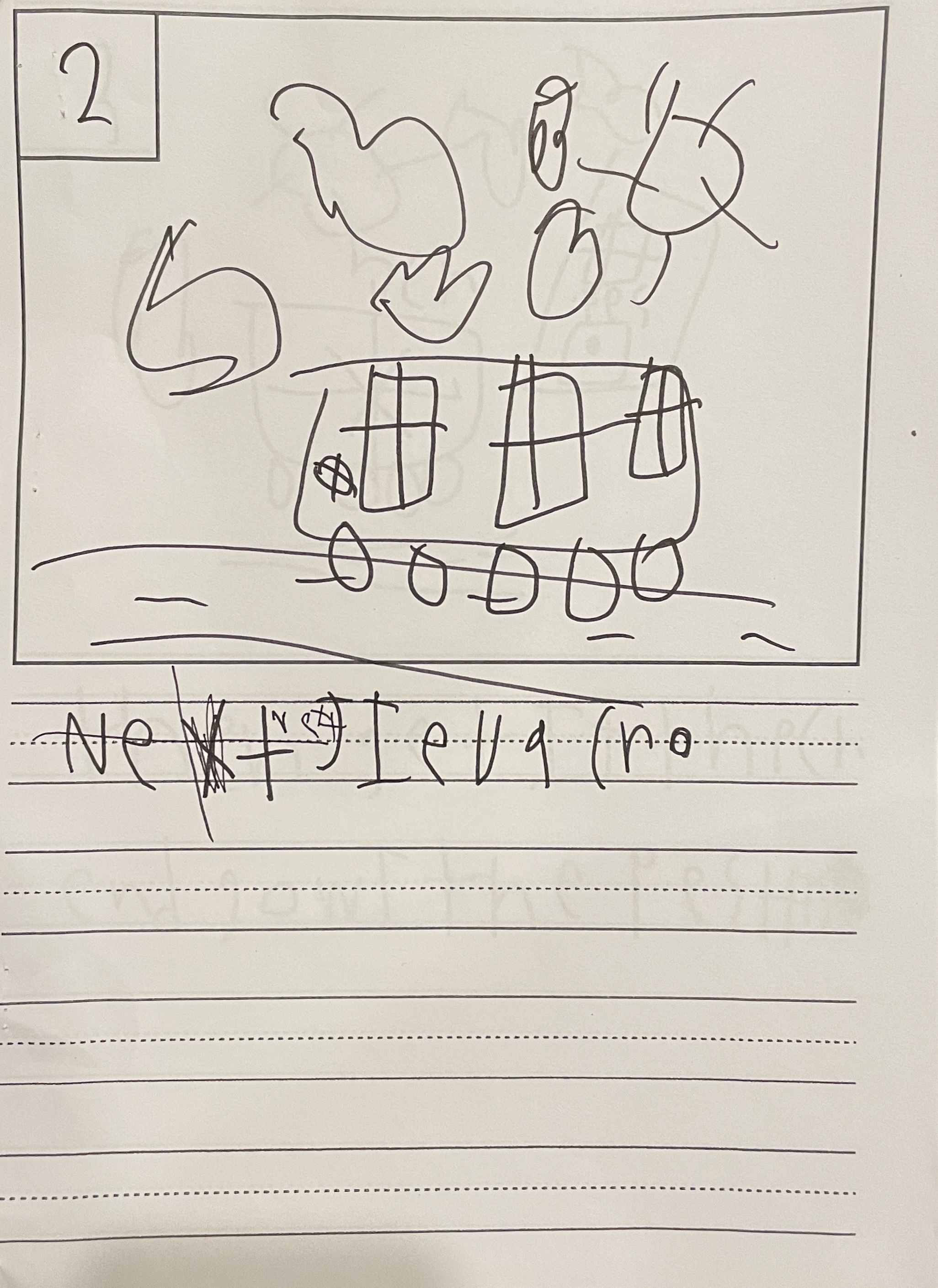
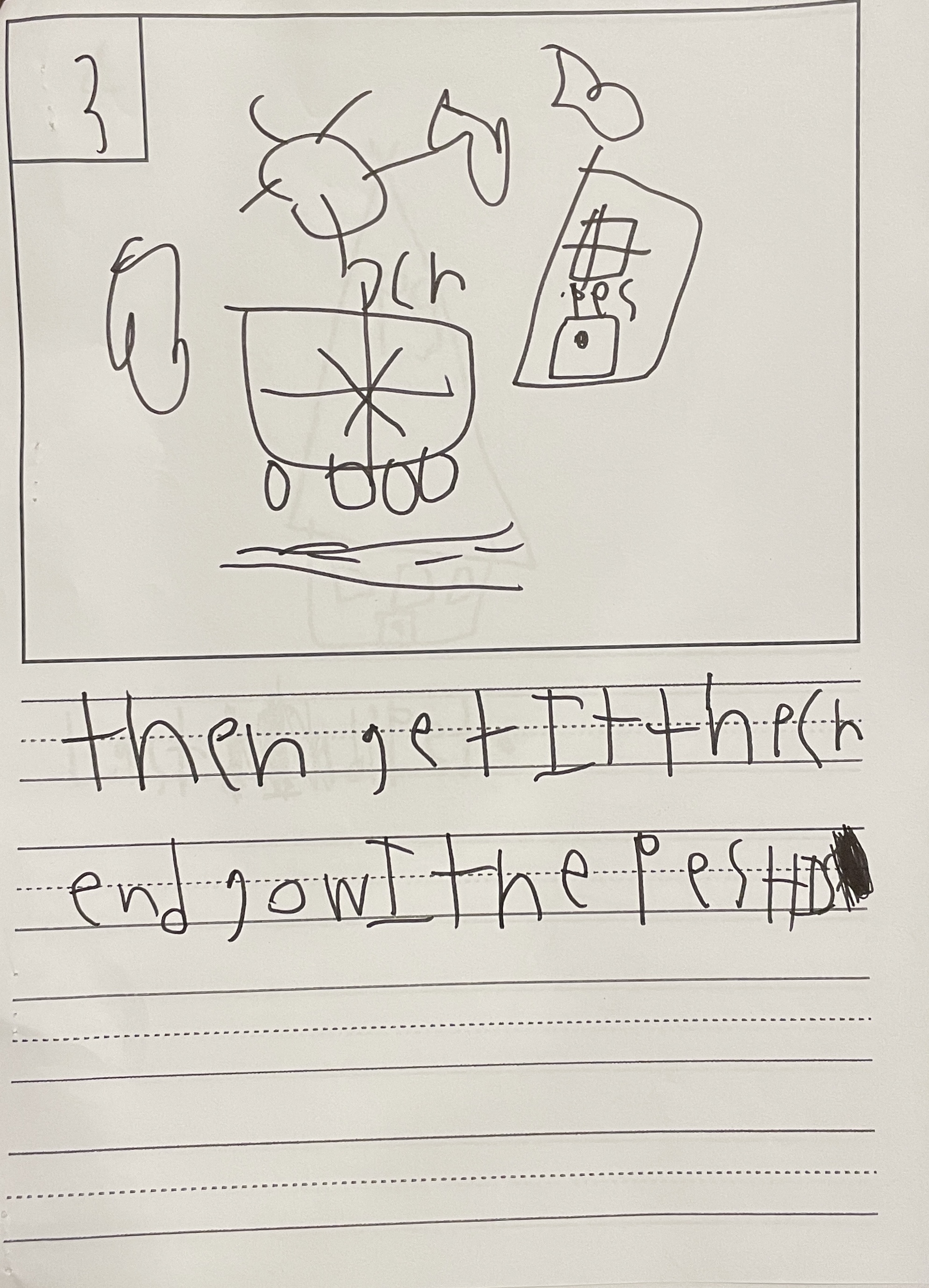
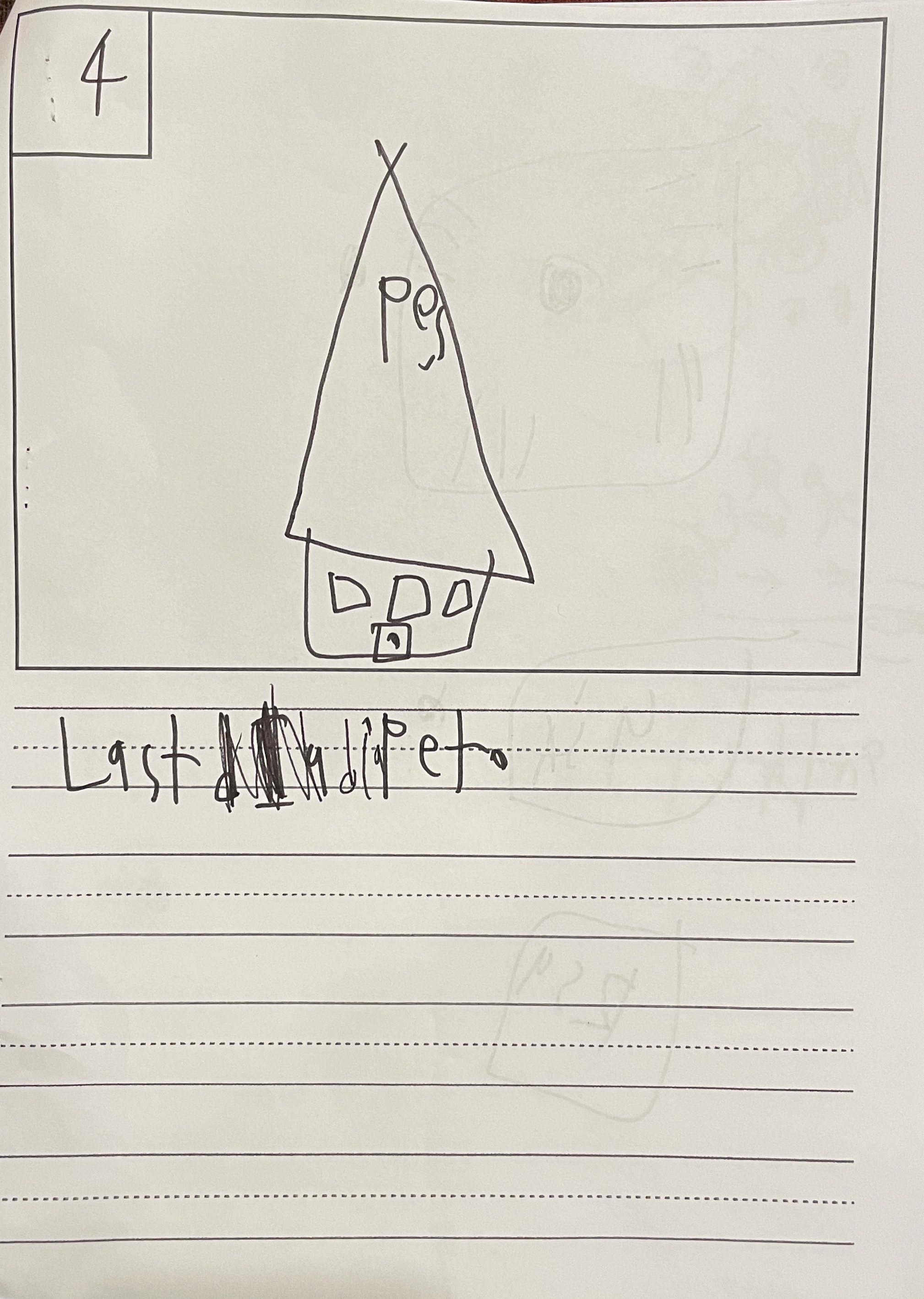
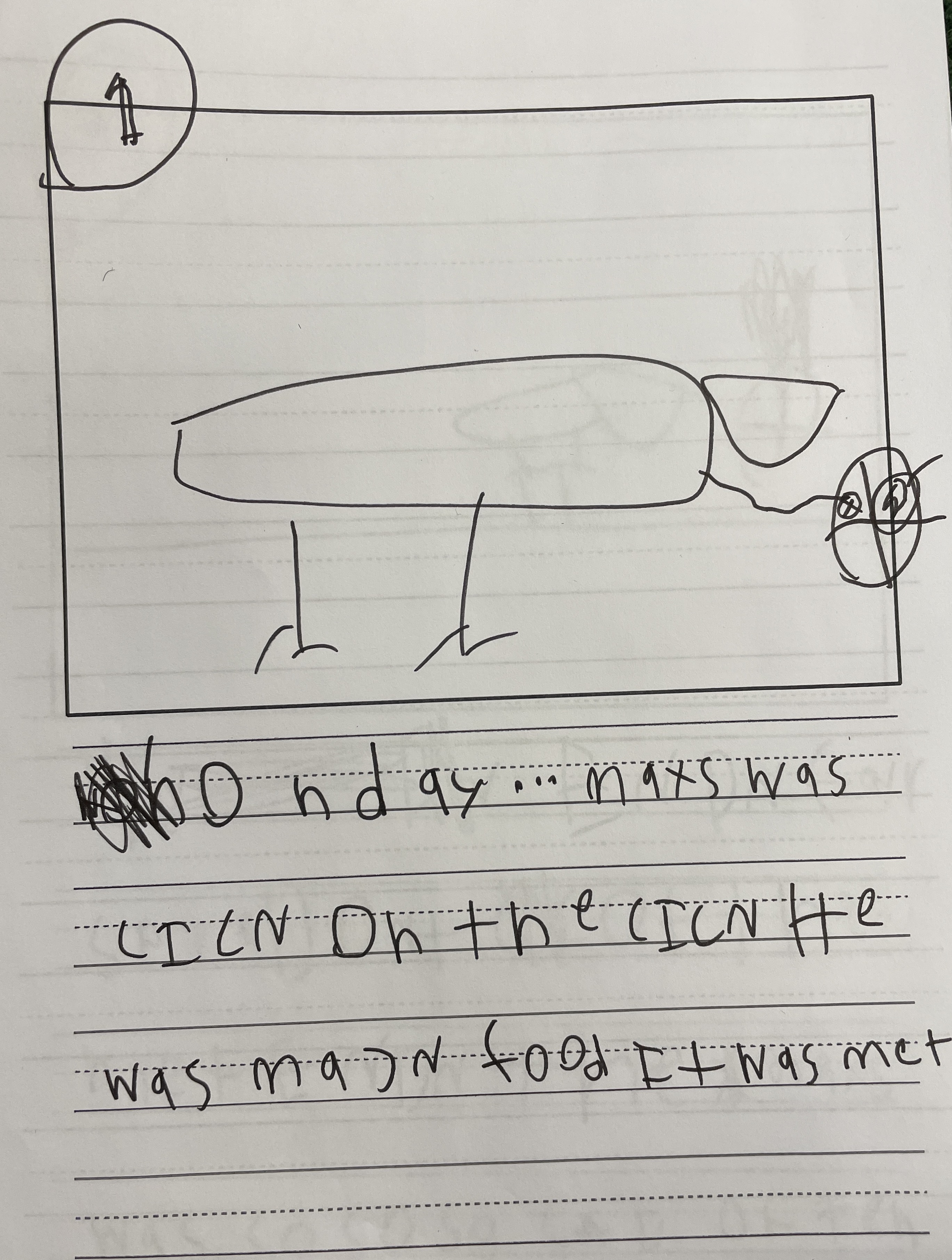

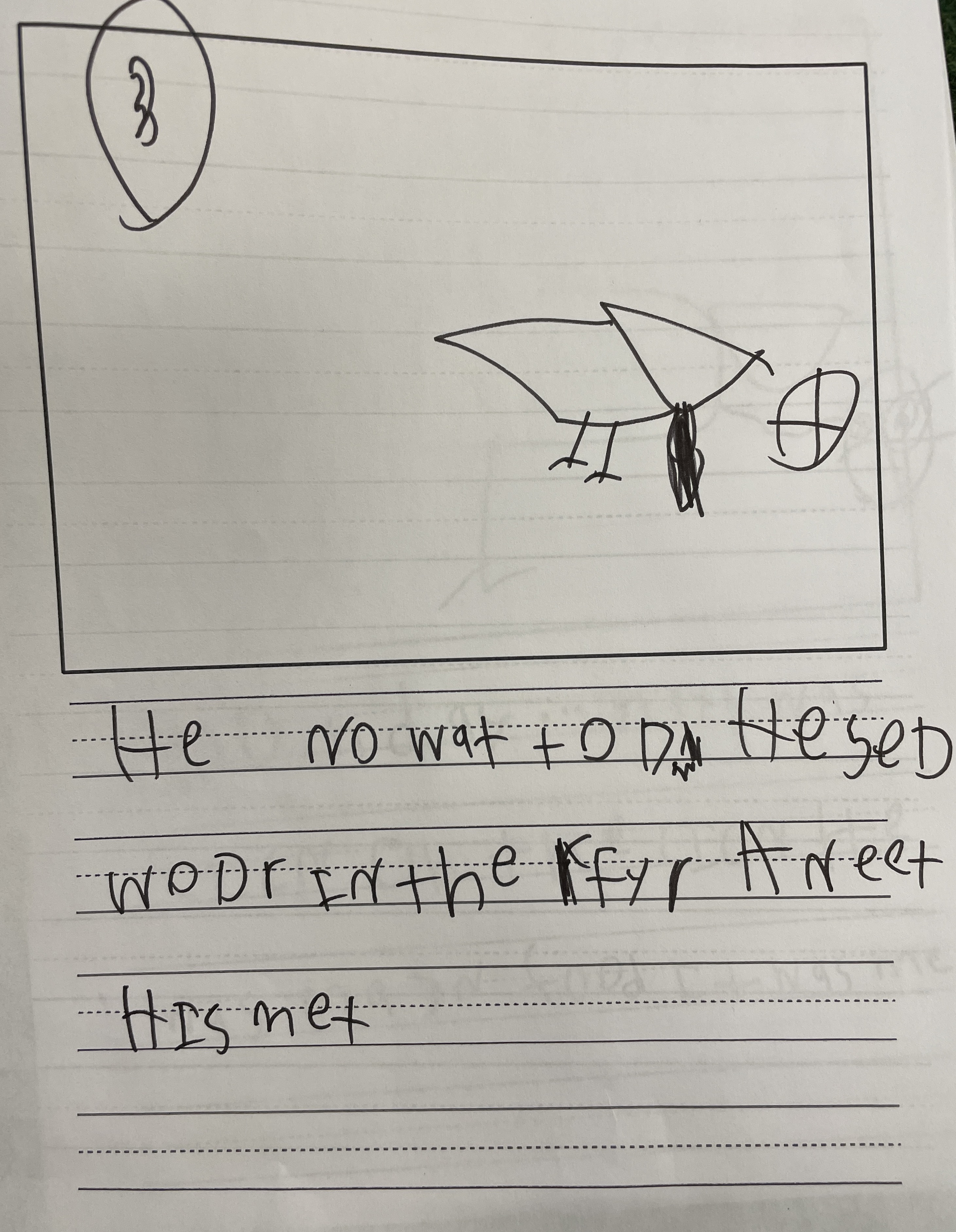
Student 3
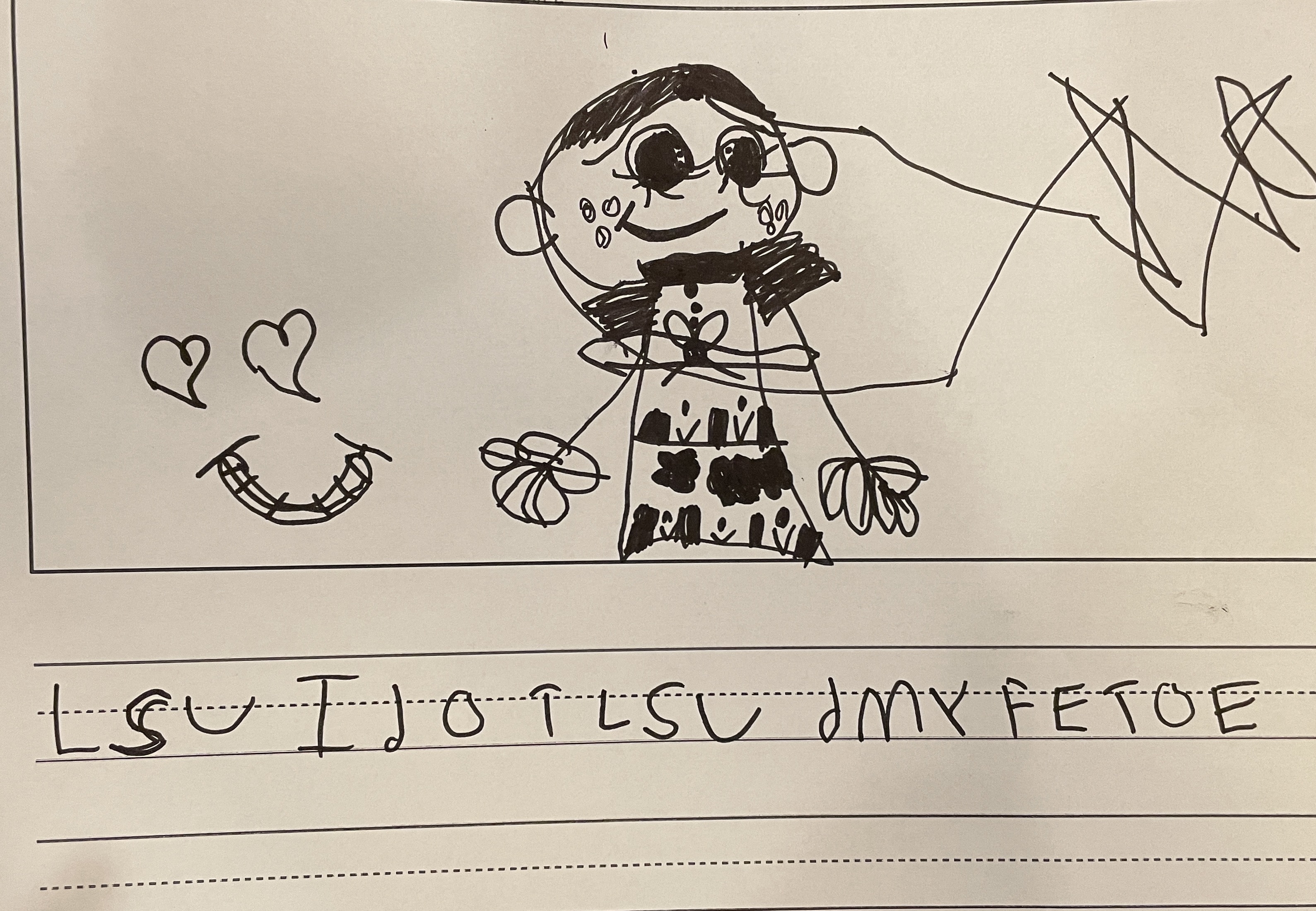
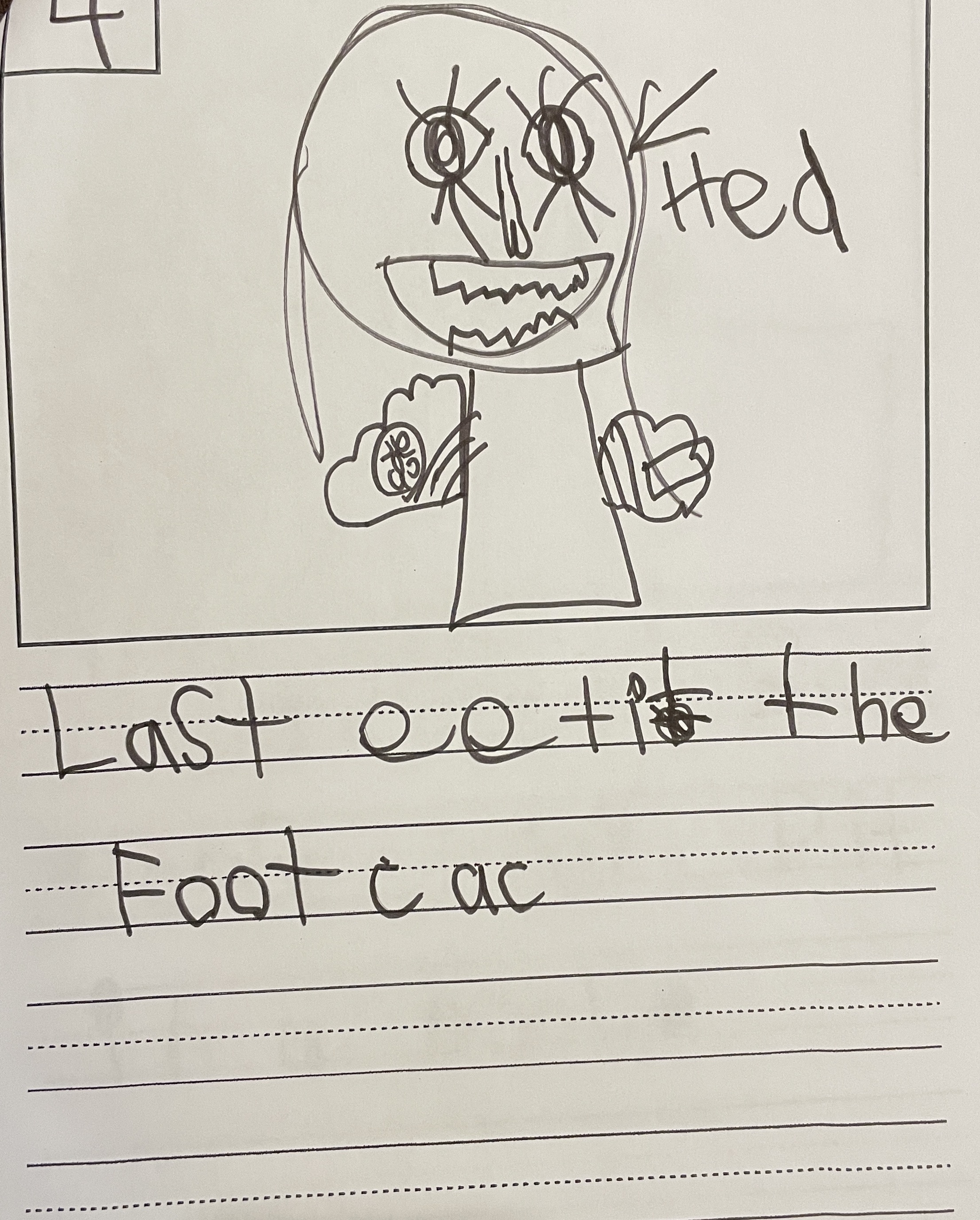
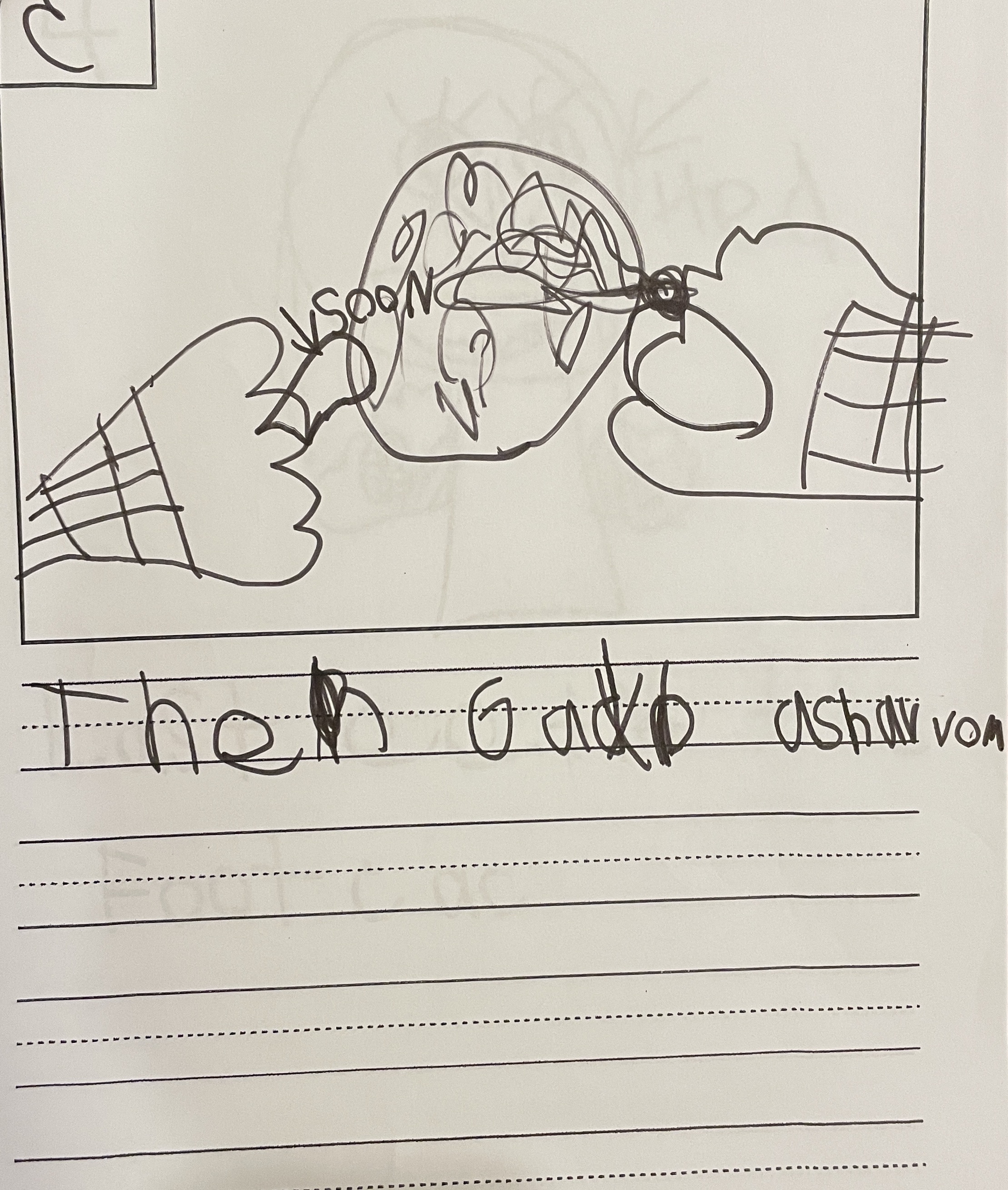
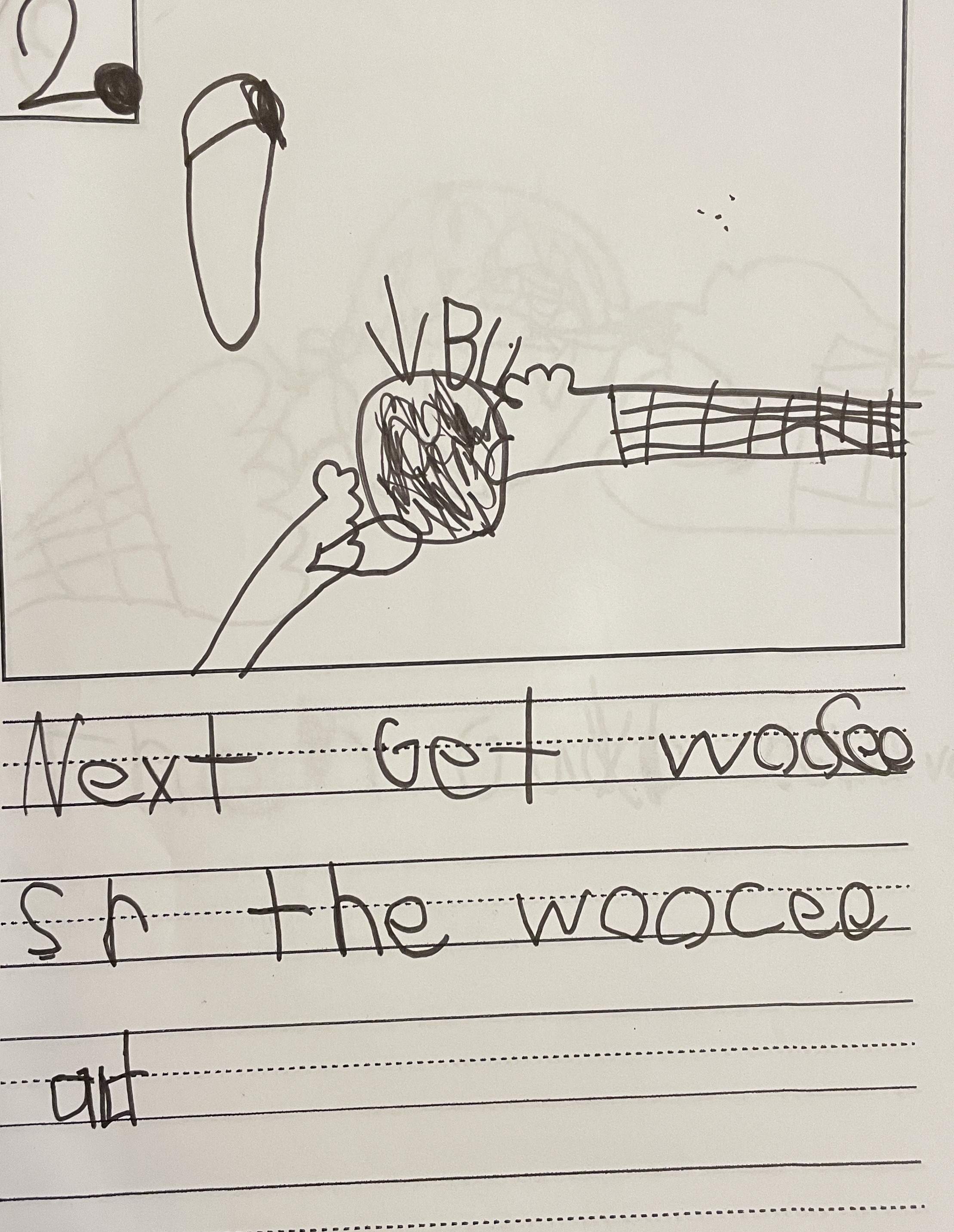
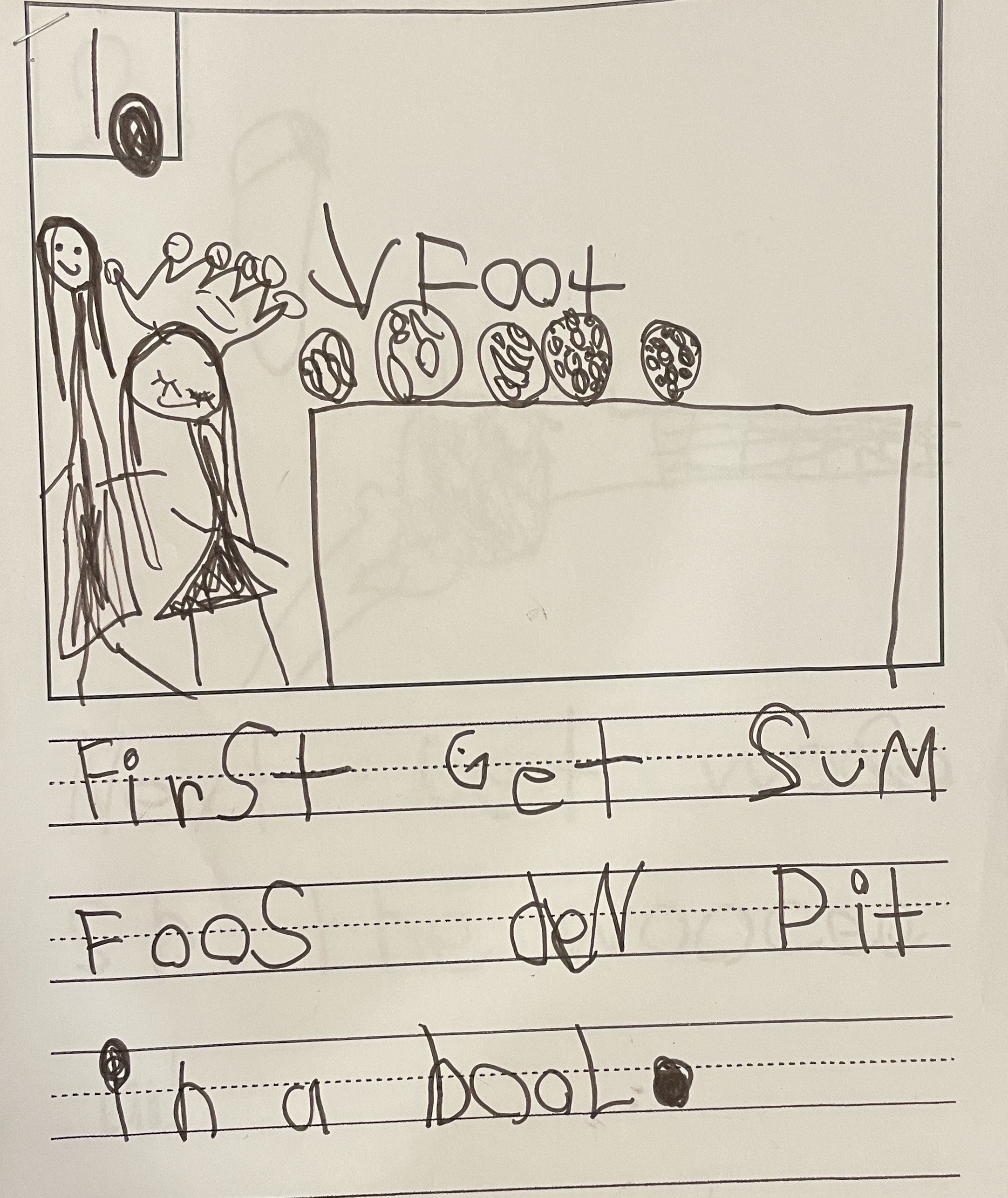
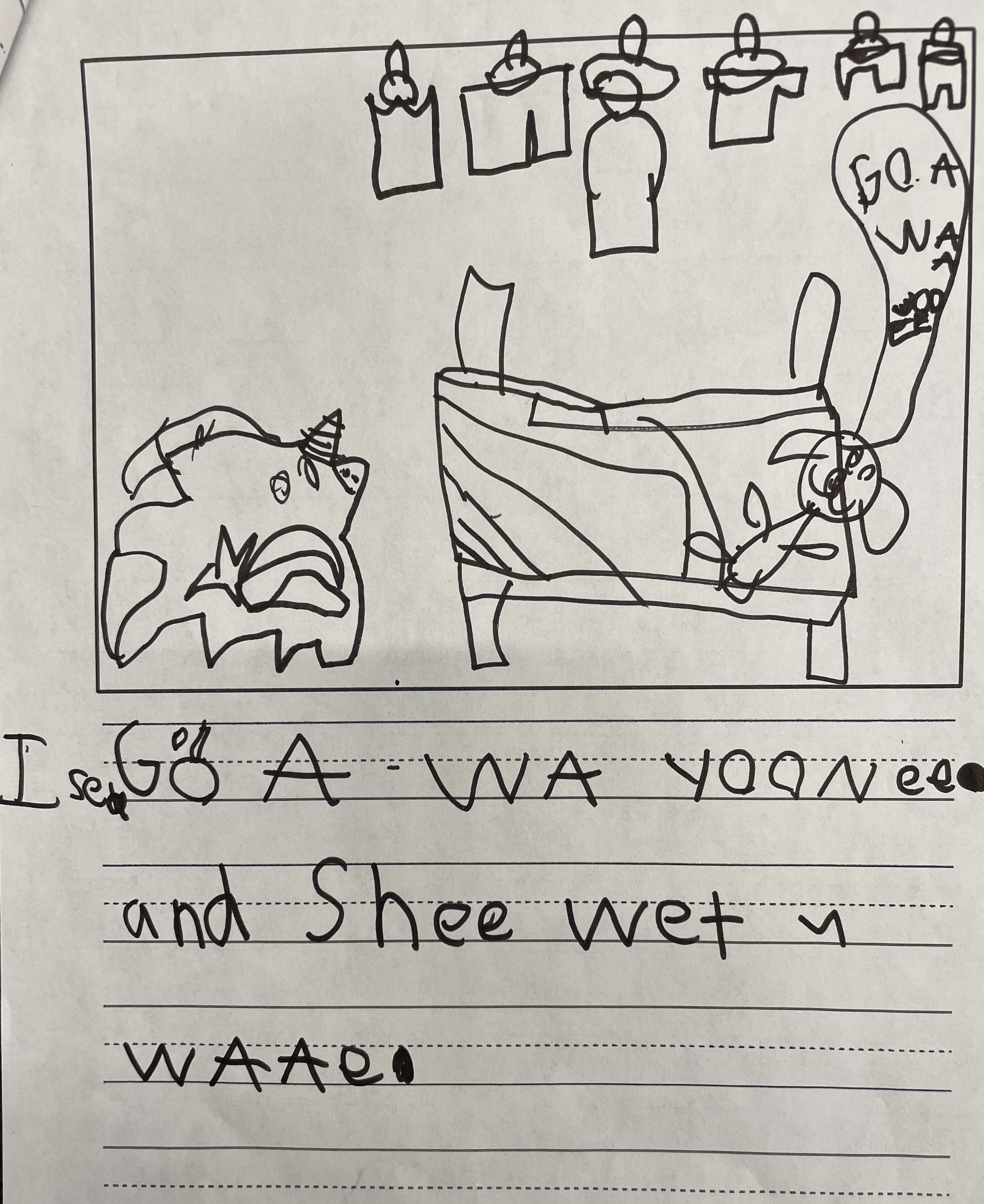
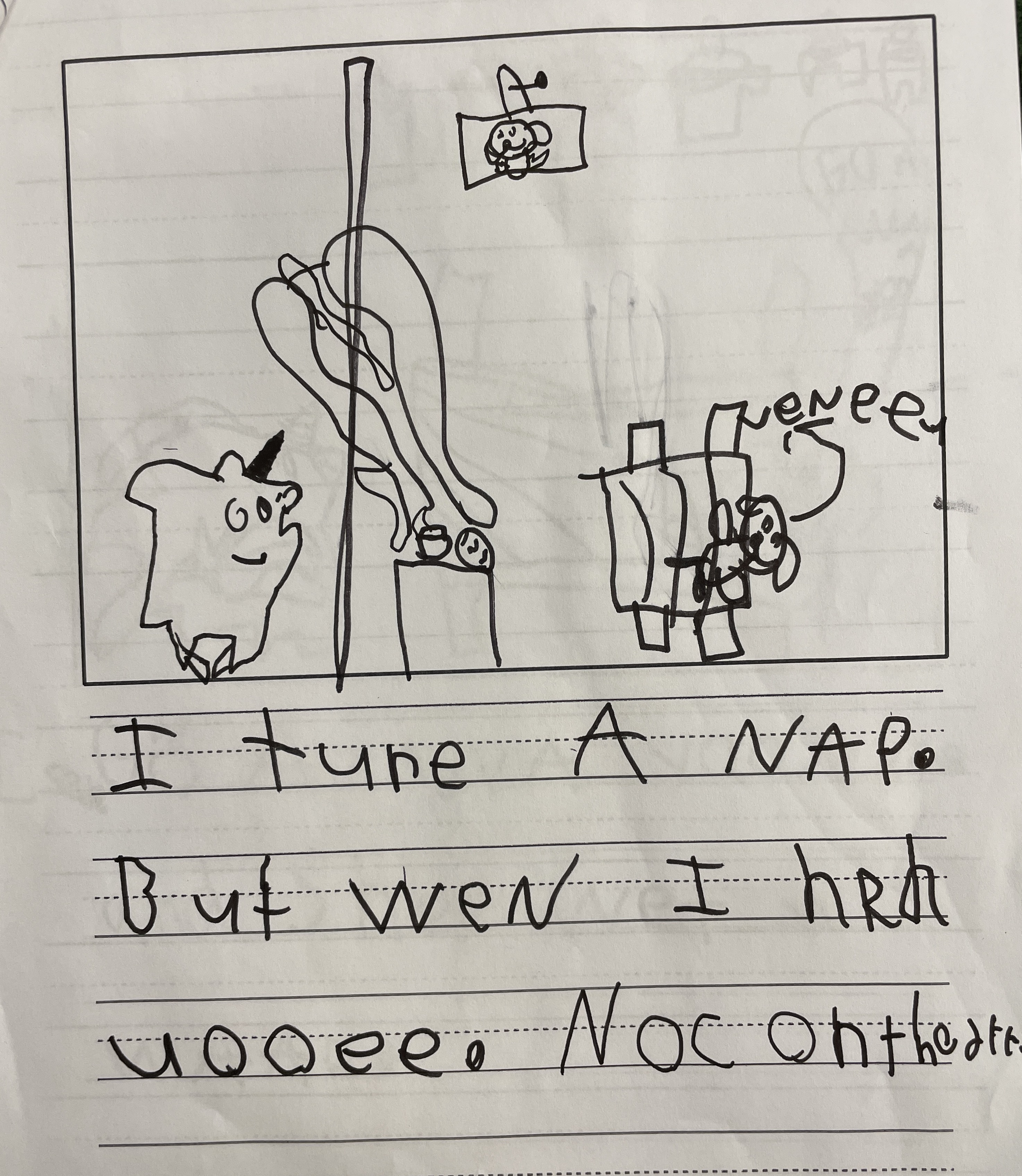
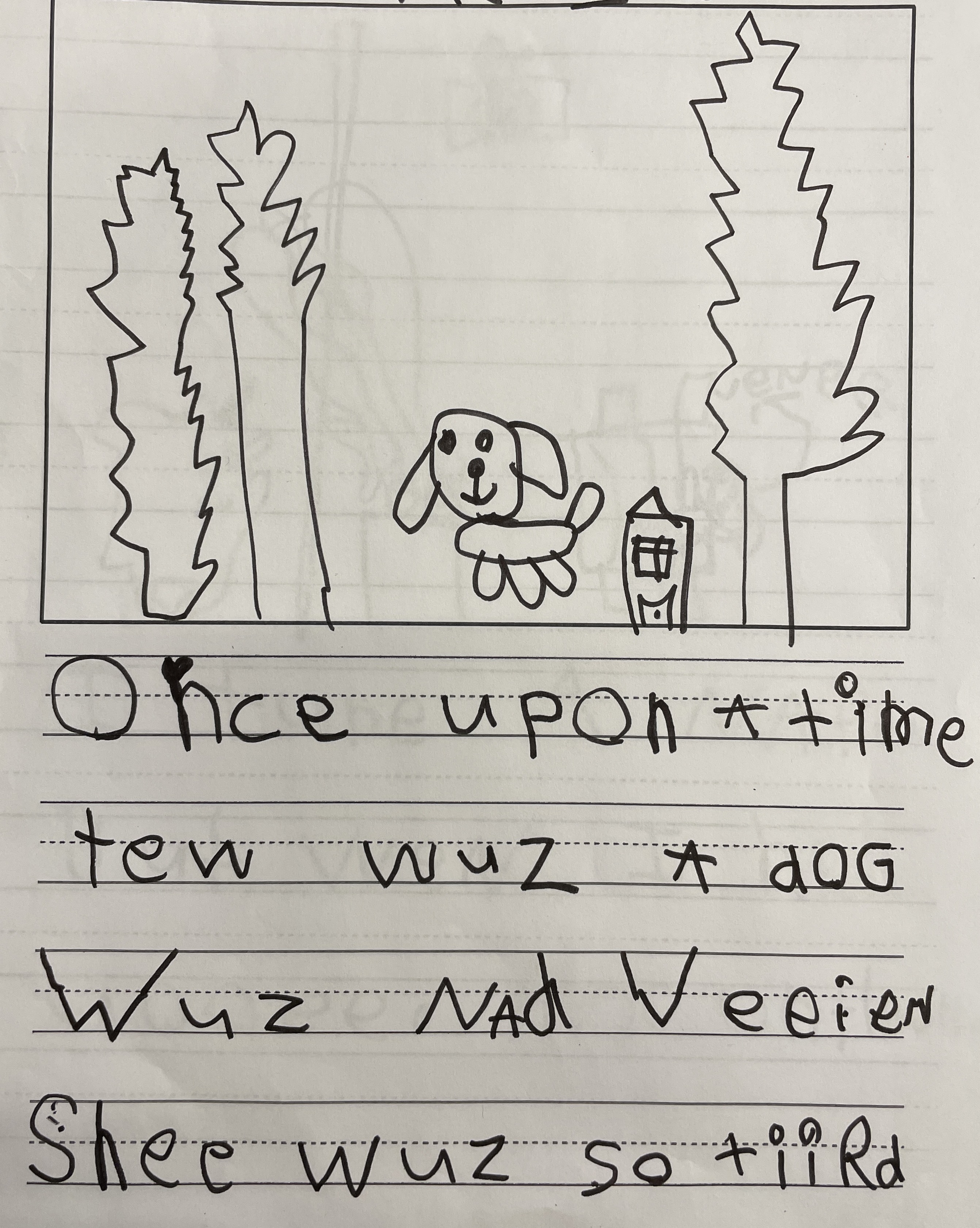
Student 4
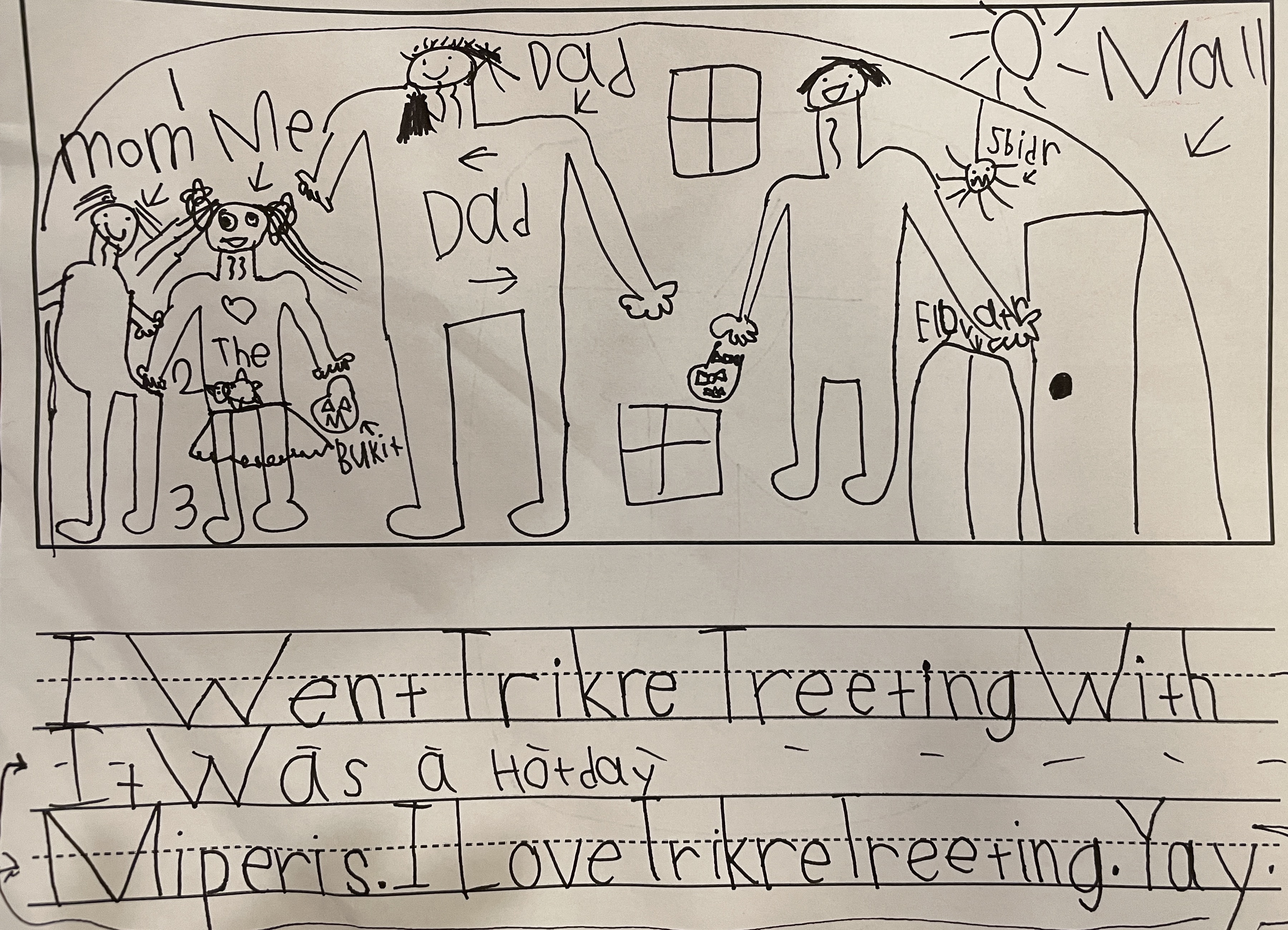
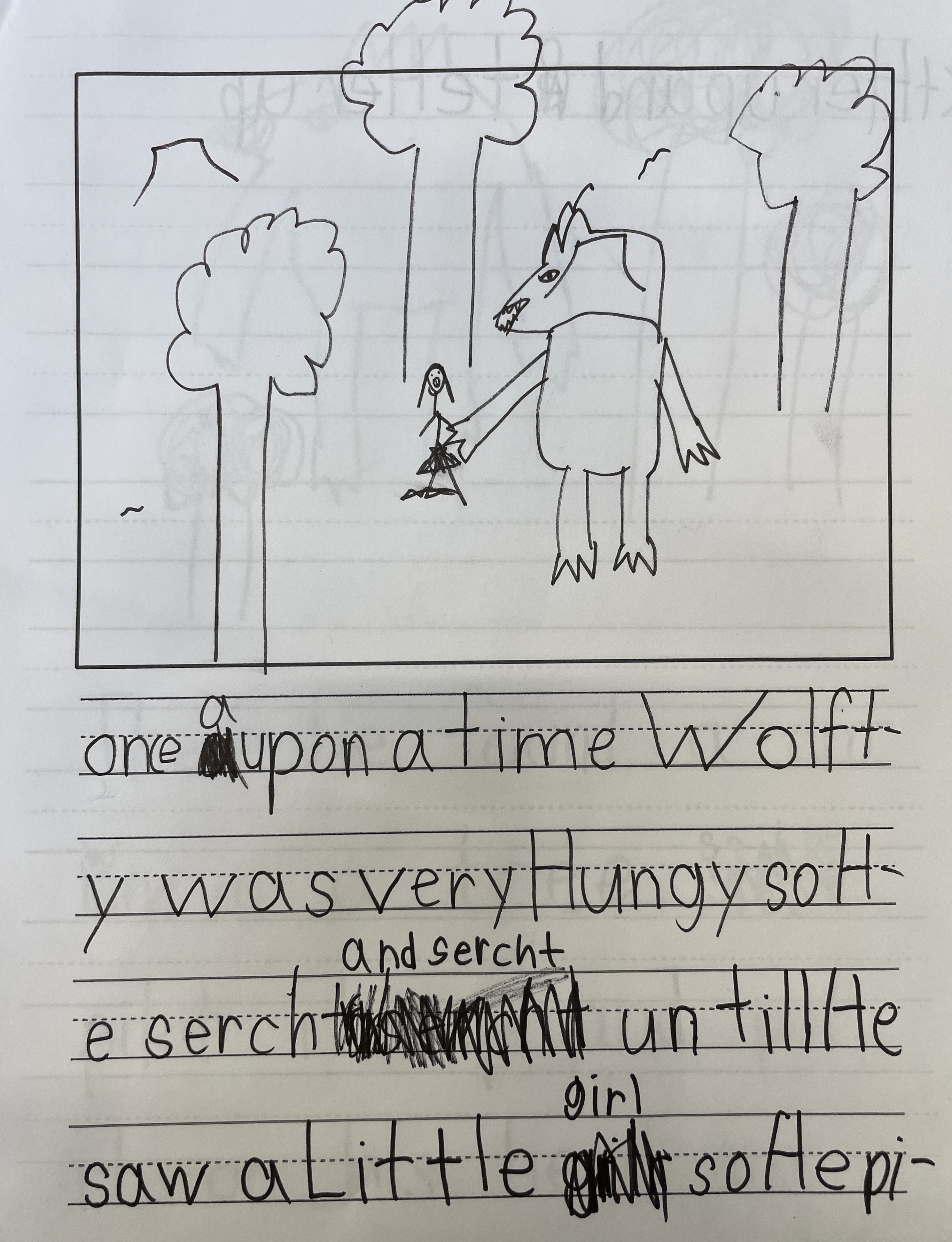
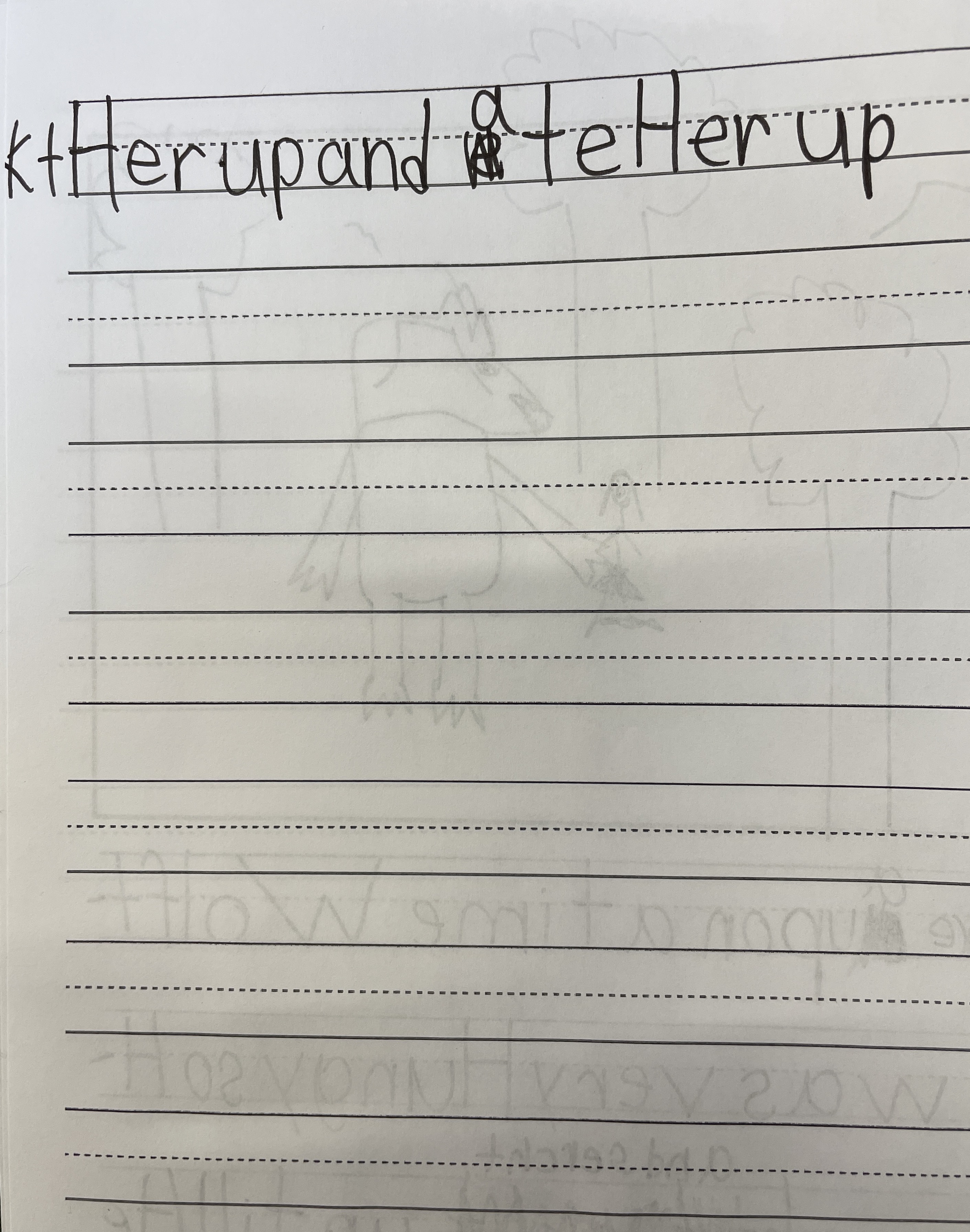
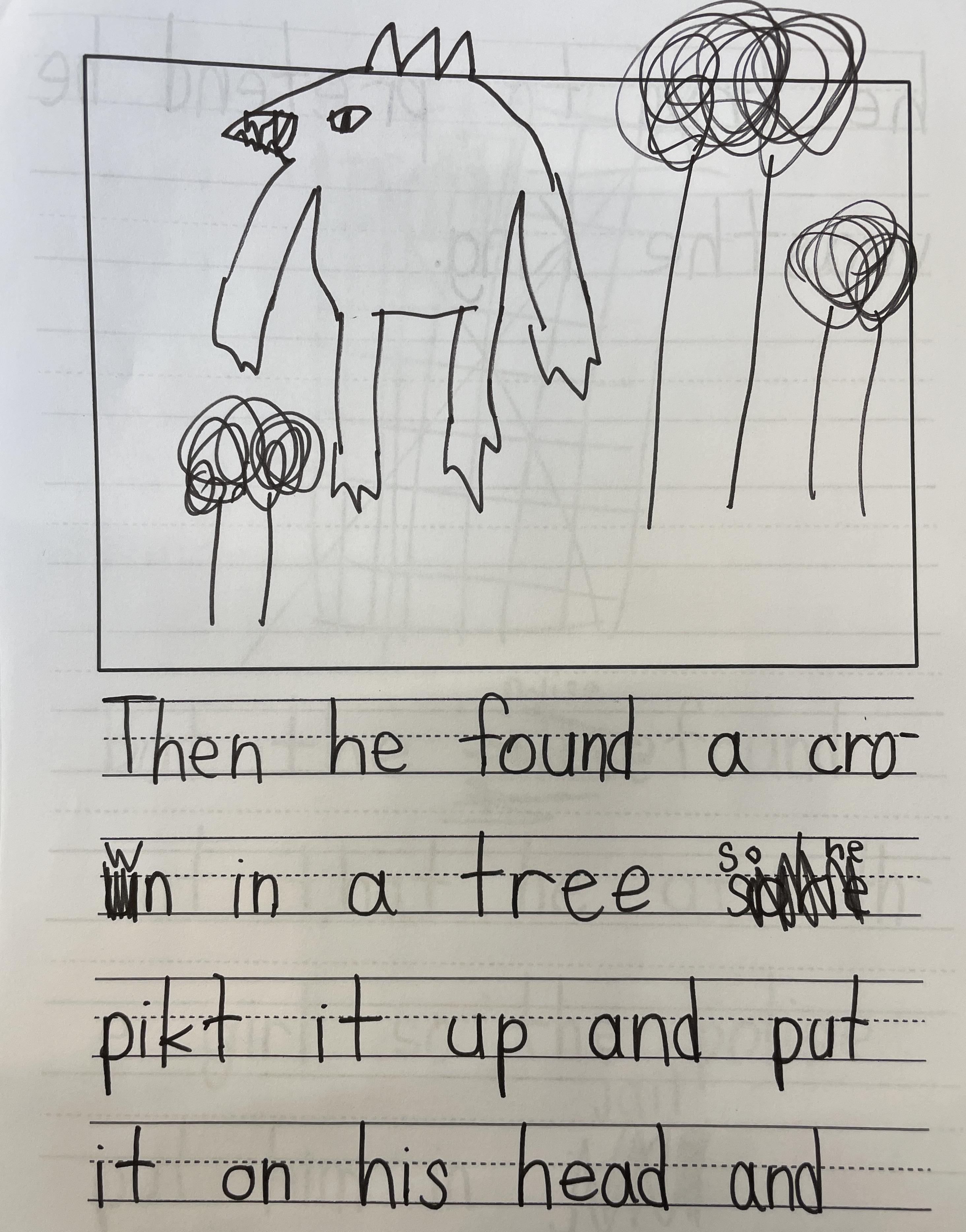

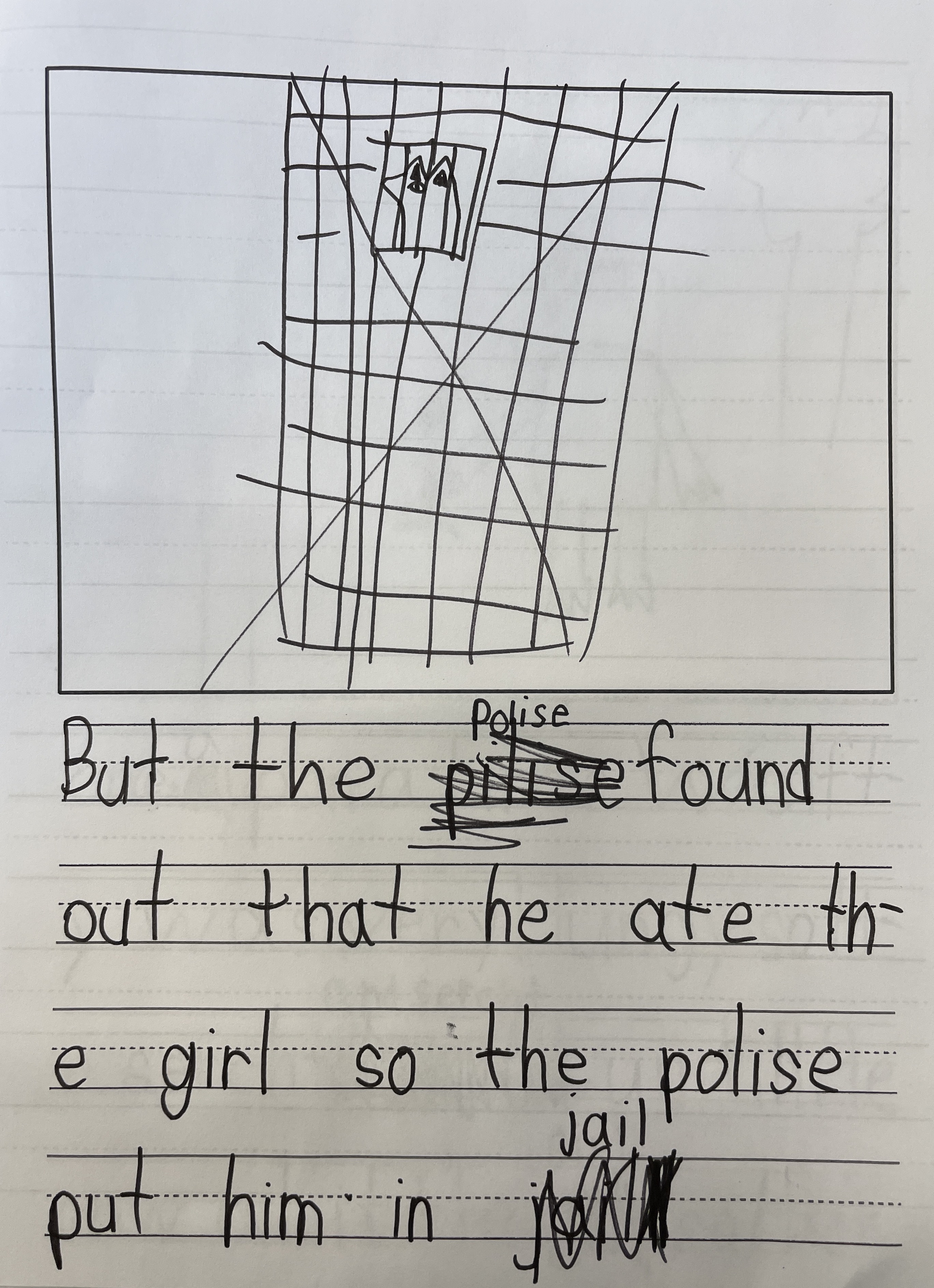
[This post serves only as a personal reflection. For a robust and structured “looking at student work” protocol, visit The National School Reform Faculty’s ATLAS-Learning From Student Work.]
Discover more from TWO WRITING TEACHERS
Subscribe to get the latest posts sent to your email.


