Estimated Reading Time: 7 minutes. Contains 1,237 words.
Primary Audience: classroom teachers; Secondary Audience: building and district leaders
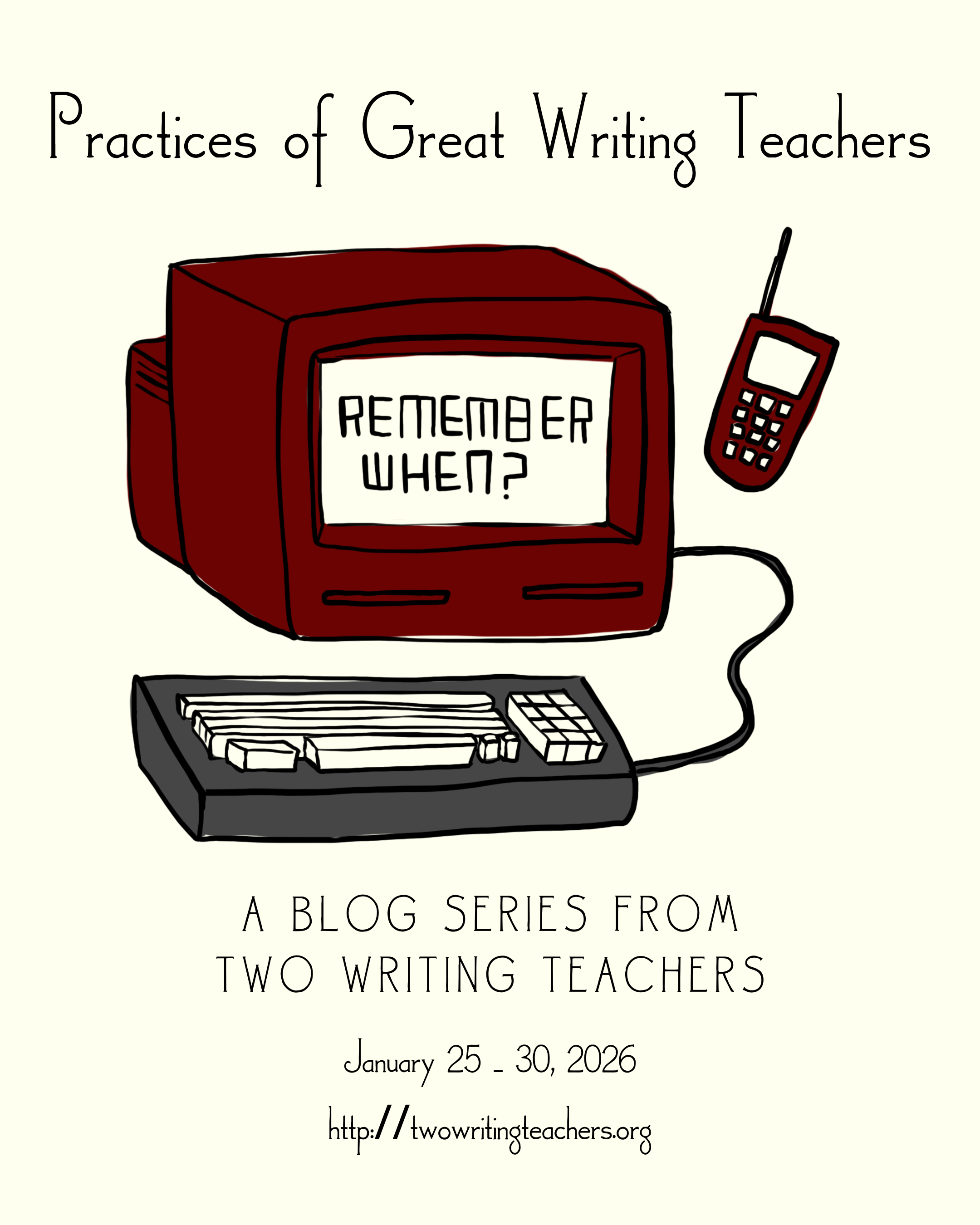
Remember when you could pick just the right book to inspire your young writers, not because it was part of a set, but because you understood your students and the writing skills you wanted to teach? Mentor texts are pieces of writing, such as picture books, short stories, essays, or articles, that demonstrate specific writing techniques, craft moves, or genres. The best mentor texts are ones you’ve read yourself and chosen on purpose, knowing how they might help or inspire your students.
My second book, Craft Moves: Lesson Sets for Teaching Writing with Mentor Texts, helps K-6 teachers use 20 picture books—10 fiction and 10 nonfiction—as mentor texts to teach writing skills. It offers practical lesson sets and advice for building a strong writing workshop. I selected each book after close reading, focusing on craft features and student benefits. Relying solely on curriculum package mentor texts can prevent teachers from finding new, engaging books that better meet their students’ needs.
Craft Moves provides 184 lessons using 20 mentor texts, and shares my process for finding lessons in any book. I hoped teachers would adapt this process and choose texts that fit their students. However, many schools purchase only administrator- or curriculum-approved books, sidelining teachers’ expertise in favor of scripted, packaged options, and sometimes overlooking more relevant mentor texts.
Why This Matters—for Students and Teachers:
Mentor texts do more than teach writing techniques. They help students see themselves as writers and as part of a bigger community. When students read books that reflect their backgrounds or interests, they are more apt to feel seen and valued. Reading about different experiences helps students build empathy and understand new perspectives. These choices keep students interested, encourage them to take risks as writers, and help them feel like they belong in the classroom.
Remember When…
- You were trusted to make instructional decisions based on your pedagogical knowledge?
- You selected mentor texts based on the writers in your classroom?
- You were not mandated to use the texts that came with your curriculum?
At Issue…
- Too often, teachers are expected to use only the mentor texts that come with their writing curriculum. This limits the texts that fit into classroom communities or support teaching goals. When teachers rely only on pre-packaged choices, they miss chances to model real reading and writing and to share excitement for books with students.
- In the absence of preferred mentor texts, teachers tell students what to do, rather than showing examples.
- Newer teachers aren’t trained to use mentor texts, and districts often don’t provide sufficient training to help them use them meaningfully.
A Research-Based Rationale
The 2018 What Works Clearinghouse guide, “Teaching Elementary School Students to Be Effective Writers” doesn’t mention “mentor texts” directly, but supports the concept behind them.
- Recommendation 1 highlights teaching writing strategies, emphasizing teacher modeling and clarifying students’ choices—much like studying effective texts. It also suggests imitation: teachers in grades 1–6 should “select a sentence, paragraph, or text excerpt and imitate the author’s form (pg. 16).”
- Recommendation 4 encourages teachers to write and share examples, modeling techniques for various purposes and genres—similar to using mentor texts, though trade books aren’t specifically mentioned.
While the guide doesn’t explicitly recommend mentor texts, its advice supports using strong texts as models for writing. Teachers can encourage students to study and try these techniques in their own work. Even without the term “mentor texts,” research supports the use of texts that help students become better writers.
Imagine If…
Imagine you’re given the professional freedom to select mentor texts that truly fit your students’ needs—even if your curriculum includes suggested texts.
- Imagine having the professional freedom to choose mentor texts that serve as windows, mirrors, and models for your students’ writing—and to weave them throughout your literacy block. Which texts would you be excited to share?
- Imagine being allowed or encouraged to use different texts than those in your writing curriculum, as long as the books you choose still teach the same skills. Which books, essays, articles, digital texts, or short stories would you pick?
- Imagine you are allowed to use additional texts alongside those in your writing curriculum. These books could be used in small groups or in one-on-one conferences rather than with the whole class. What books might interest some of your students more? Which texts might be easier for your students to read?
- Imagine you and your grade-level colleagues have time during professional development to choose books that fit your units. Can you ask your literacy coach or principal for this time? Would you visit a bookstore or library to find these books?
Taking the First Step: Practical Ways Forward
If you want to go beyond the script, begin by reading possible mentor texts yourself. Pay attention to what excites you, which craft moves stand out, and how your students might connect with the text. Here are some ideas to try:
- Take time to read a few new books, essays, or articles each month, just for yourself as a professional reader.
- Gather a few colleagues and bring your favorite read-alouds. Discuss how they might serve as mentors for different writing lessons.
- Consider rotating new texts in each unit, even if you start small.
- Ask students what topics or genres interest them, and seek out mentor texts that reflect those interests or backgrounds.
- Ask your librarian for suggestions or help finding new books.
- Keep track of what students learn when they use these texts. Sometimes, showing real examples of student growth can help you get more flexibility in the future.
When teachers choose their own mentor texts, they select “co-teachers” for their writing instruction. Your choices help build writers and show students that you are also a reader and writer. Even small steps matter. Each new mentor text you pick can open a window, offer a mirror, or spark new interest in writing. As you plan your next unit or lesson, think about which texts might inspire students and which might reignite your own passion for teaching writing. The stories we choose help shape the writers, readers, and citizens our students become.
Go Deeper:
- A Teacher’s Guide to Mentor Texts, K-5: The Classroom Essentials Series by Carl Anderson
- Craft Moves: Lesson Sets for Teaching Writing with Mentor Texts by Stacey Shubitz
- Improve Student Writing with Mentor Texts! A podcast episode featuring Carl Anderson and Matt Glover
- Mentor Texts: Teaching Writing Through Children’s Literature, K-6, 2nd Edition by Lynne R. Dorfman and Rose Cappelli
- Mentor Texts That Multitask [Grades K-8]: A Less-Is-More Approach to Integrated Literacy Instruction by Pamela Koutrakos
- The Work and Impact of Dr. Rudine Sims Bishop: An Introduction by Dr. Cynthia A. Tyson, Professor at The Ohio State University
Giveaway Information:
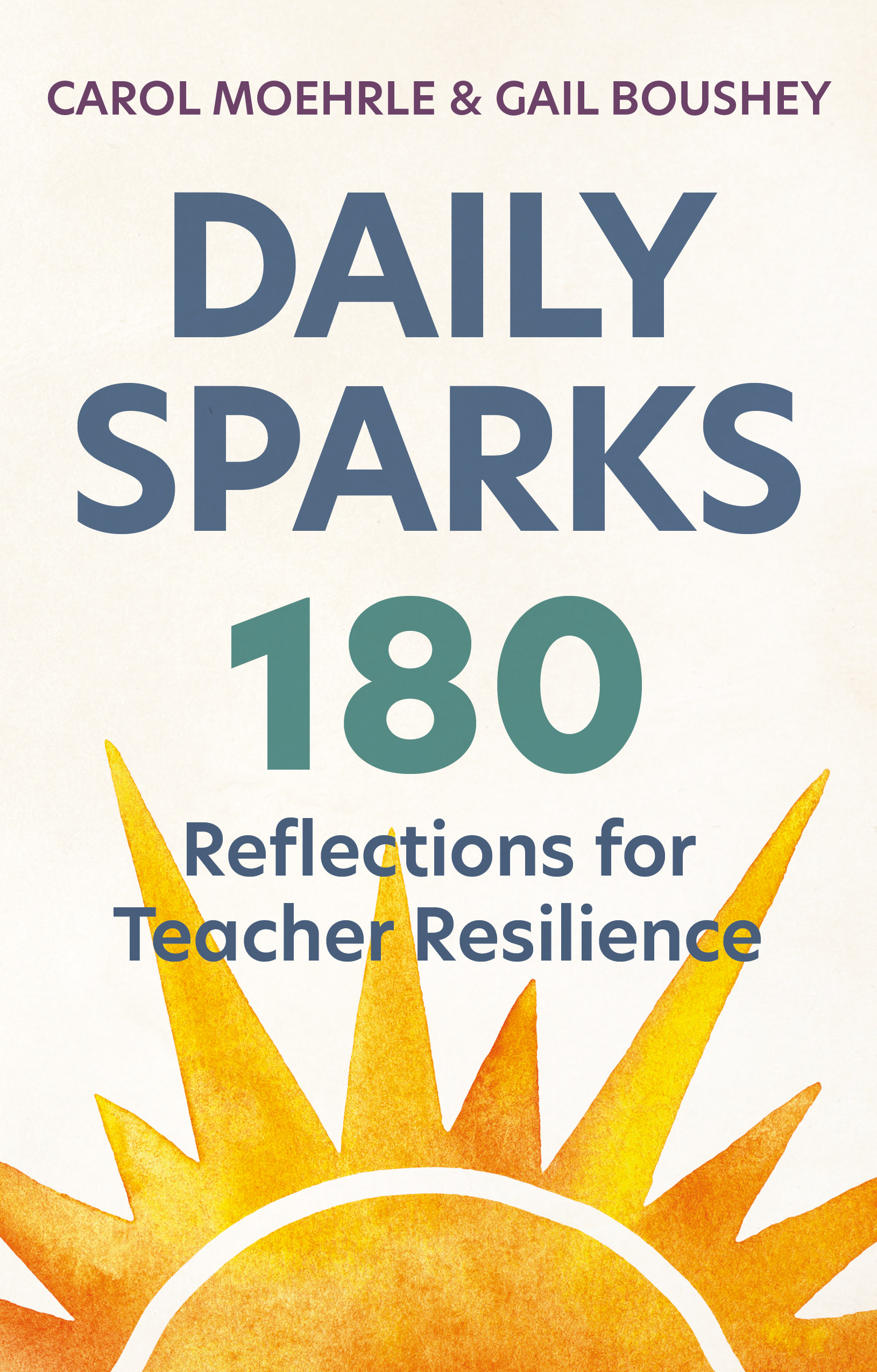
This is a giveaway of Daily Sparks: 180 Reflections for Teacher Resilience by Gail Boushey and Carol Moehrle, donated by Stenhouse Publishers (Routledge). Three copies will be given away to three separate winners. To enter the giveaway, readers must leave a comment on any Practices of Great Writing Teachers Blog Series post by Tuesday, Feb. 3 at 12:00 PM EST. The winners will be chosen randomly and announced on Thursday, Feb. 5. Each winner must provide their mailing address within 5 days; otherwise, a new winner will be selected. The publisher will ship worldwide so that anyone may enter.
Discover more from TWO WRITING TEACHERS
Subscribe to get the latest posts sent to your email.


