Estimated Reading Time: 7 Minutes (1,265 words)
Audience: K-6 Teachers & Literacy Coaches
The Big Picture
When students walk into a classroom, they bring a world of stories about new beginnings, goodbyes, and the search for belonging. Picture books exploring moving, starting over, and making a new home — including the journeys of immigrants, refugees, and families in transition — help students grow not just as readers, but as writers with empathy and voice.
Zoom In
Rudine Sims Bishop’s landmark concept reminds us that children’s books act as mirrors, reflecting students’ own lives, and as windows, offering a view into experiences beyond their own. Picture books can also be sliding glass doors, inviting young readers to step into new worlds and perspectives. For teachers, this means selecting texts that both affirm students’ identities and expand their horizons. When students see themselves—or someone very different—on the page, their engagement and curiosity as writers soar.
Why It Matters
Picture books often include concise language, vivid imagery, and emotional resonance, making them powerful mentor texts for teaching writing at any grade level. In my own work with teachers and students, I’ve found that picture books are treasure troves of writing craft moves: strong leads, precise word choices, evocative sensory details, and dialogue that rings true. When students study these techniques, they gain practical strategies to try in their own writing. Even more crucially, when stories mirror their backgrounds or introduce new realities, students become more willing to experiment, take risks, and develop their own unique writing voice.
Three Picture Books That Inspire and Empower
Let’s look at three recently published picture books that can open the door to meaningful conversations and rich writing in your classroom:
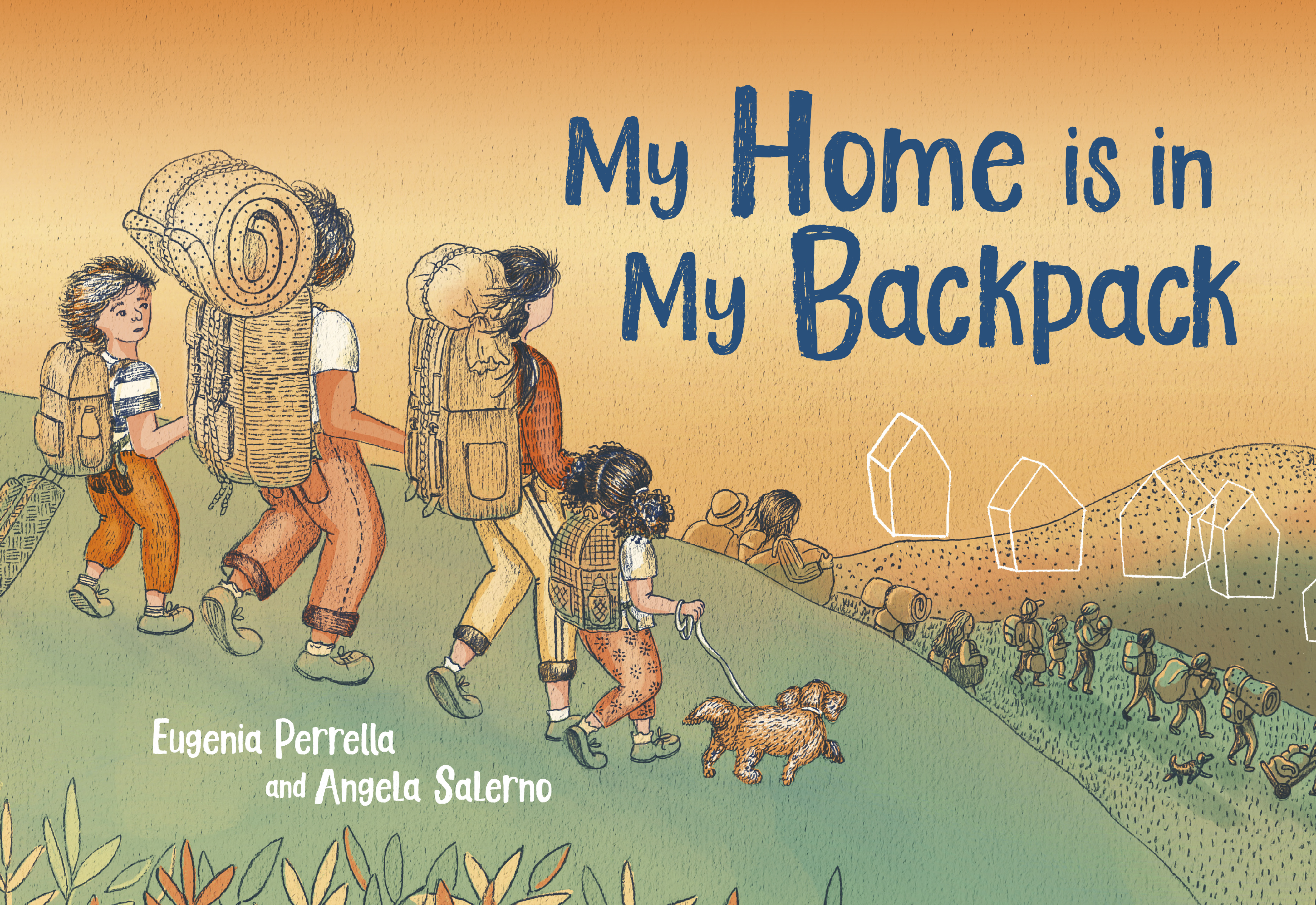
My Home is in My Backpack by Eugenia Perrella and Angela Salerno
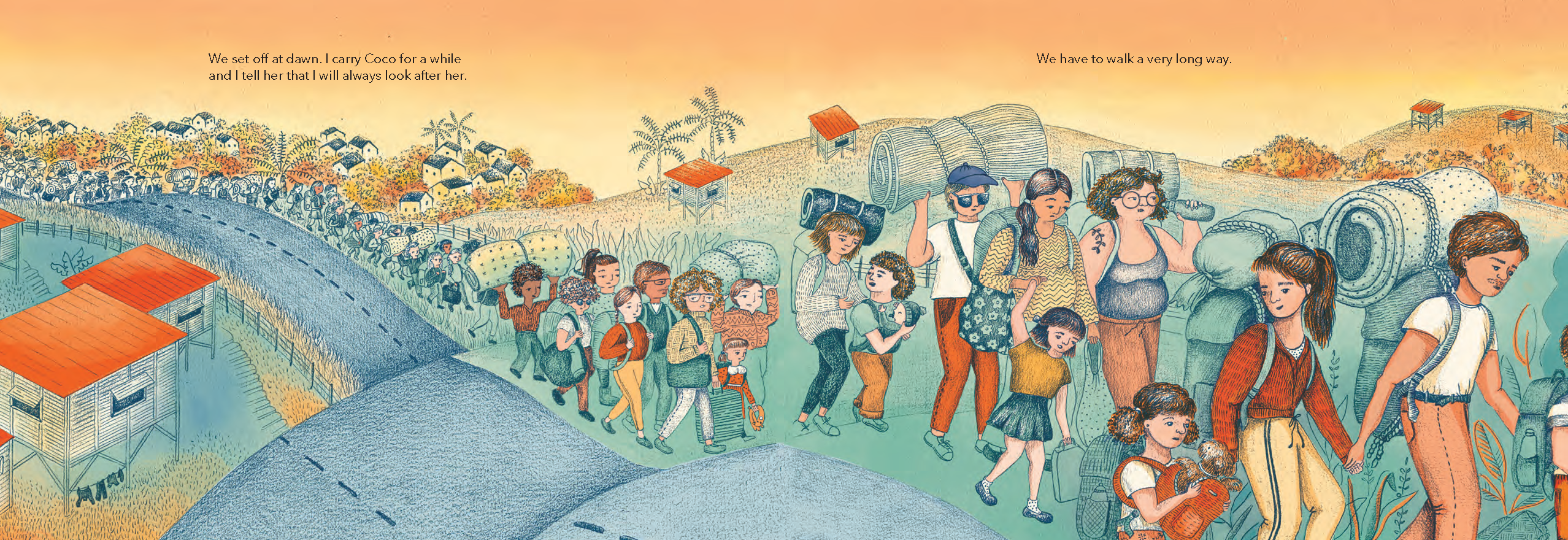
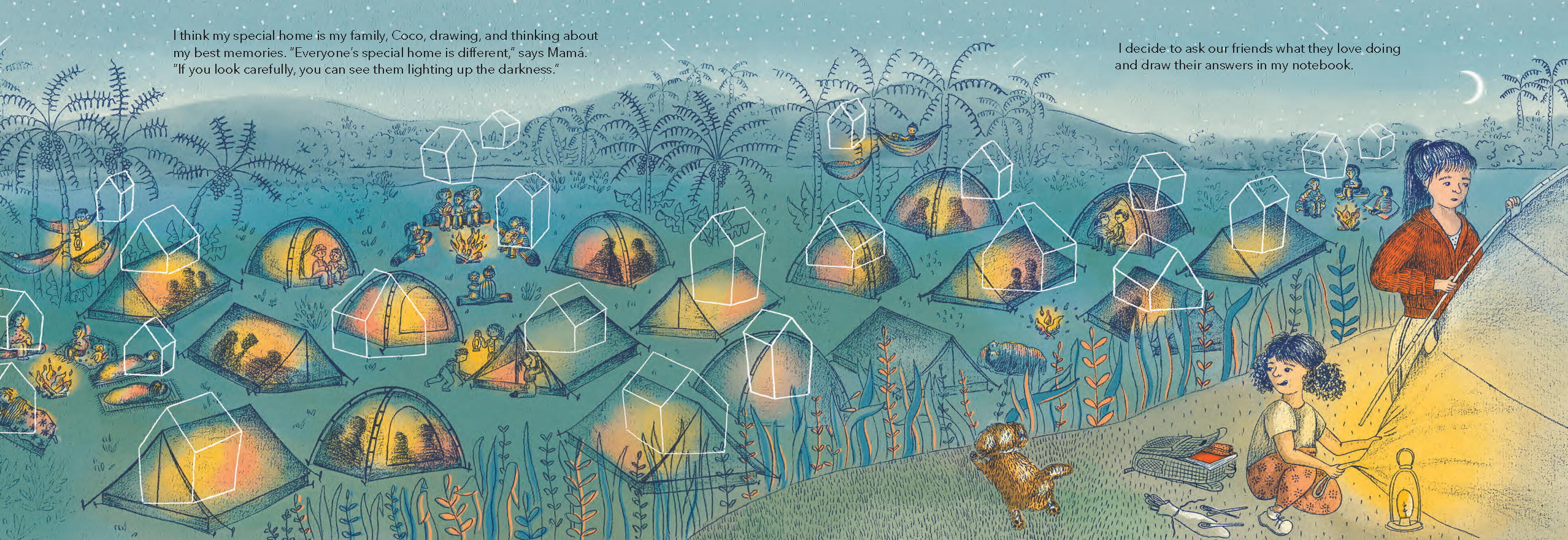
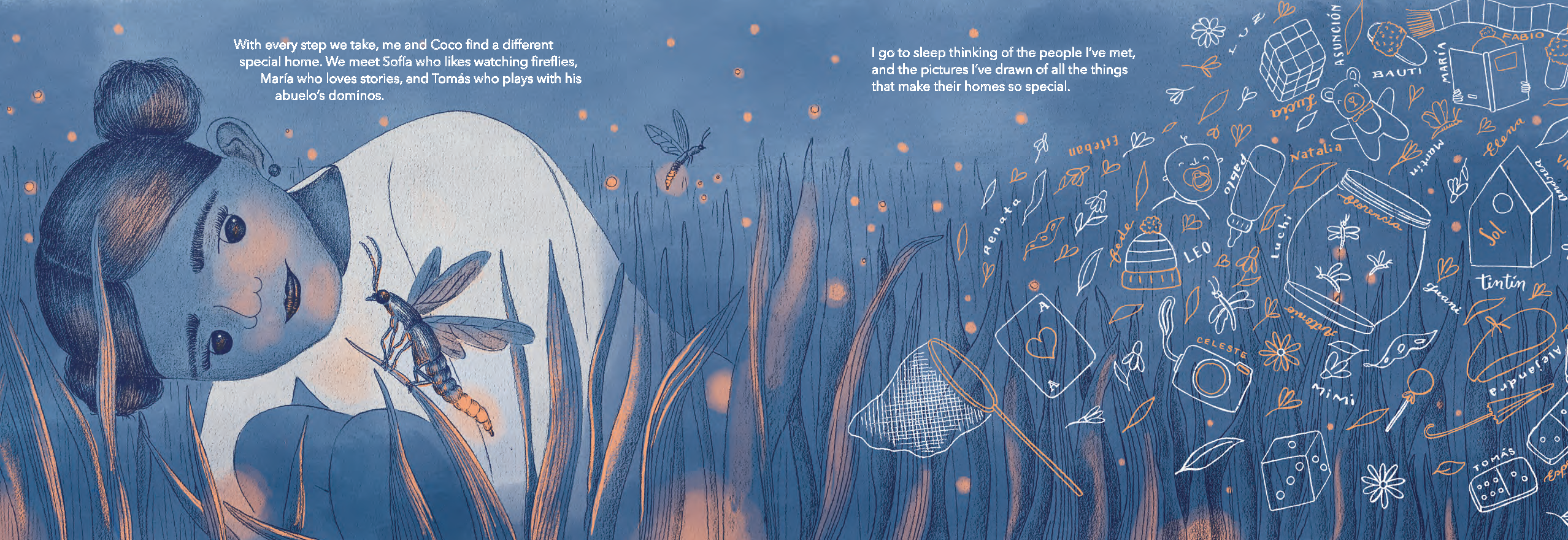
This tender story follows Clara, a young girl whose family must leave their home and migrate to a new place. As Clara packs special items and memories in her backpack, the narrative weaves past and present, illustrating that the concept of “home” is not confined by walls or geography. Through vivid sensory details—the sights, smells, and sounds of departure—the book conveys the emotional journey of refugees and those forced to move. Students who have experienced transition will see themselves in Clara’s story, while others will gain insight into the sacrifices and hopes that come with leaving everything behind. Ultimately, the book affirms that home lives within us, wherever we may go.
Look inside the book:
You Are Home by Bex Tobin Fine and Andres Landazabal
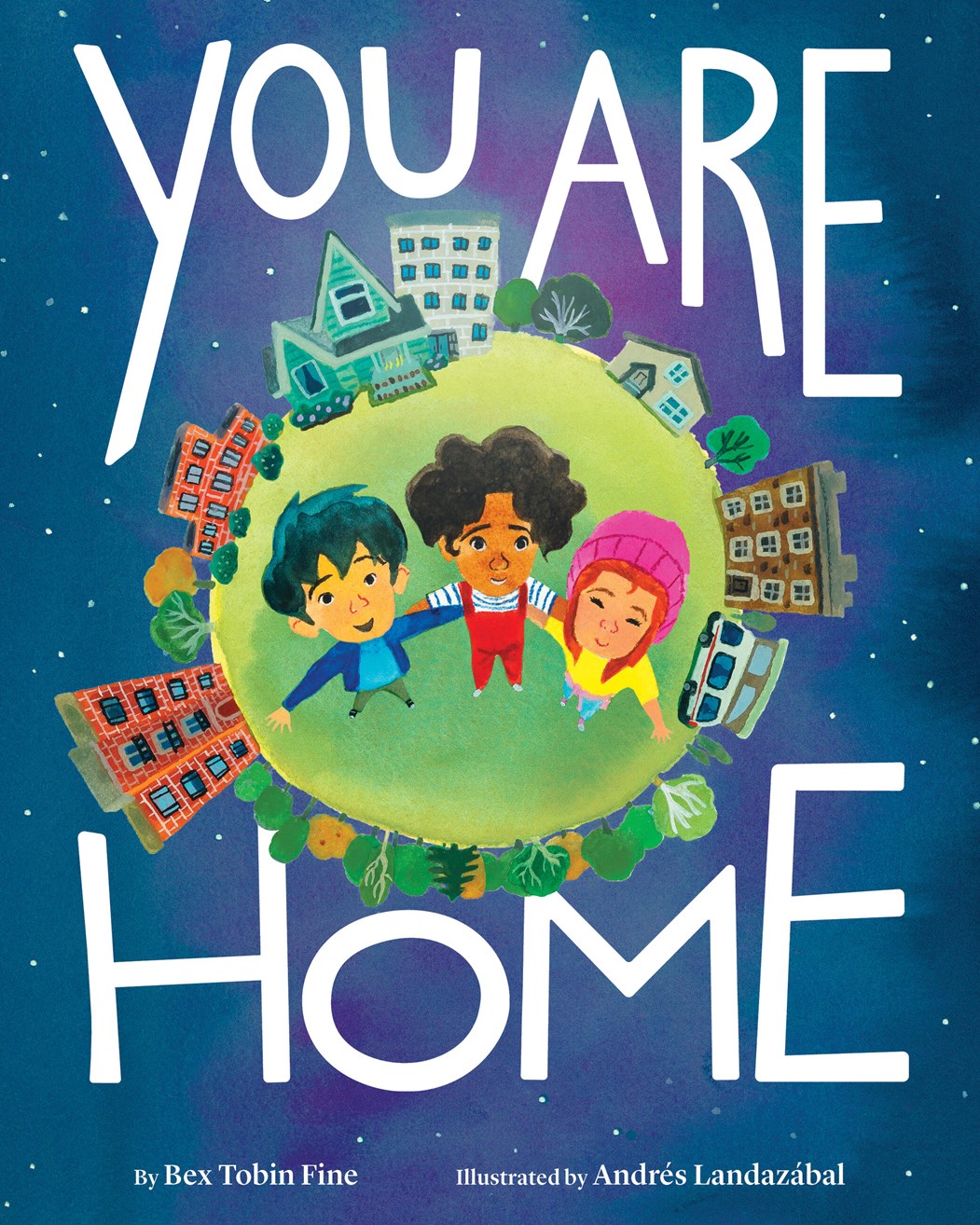
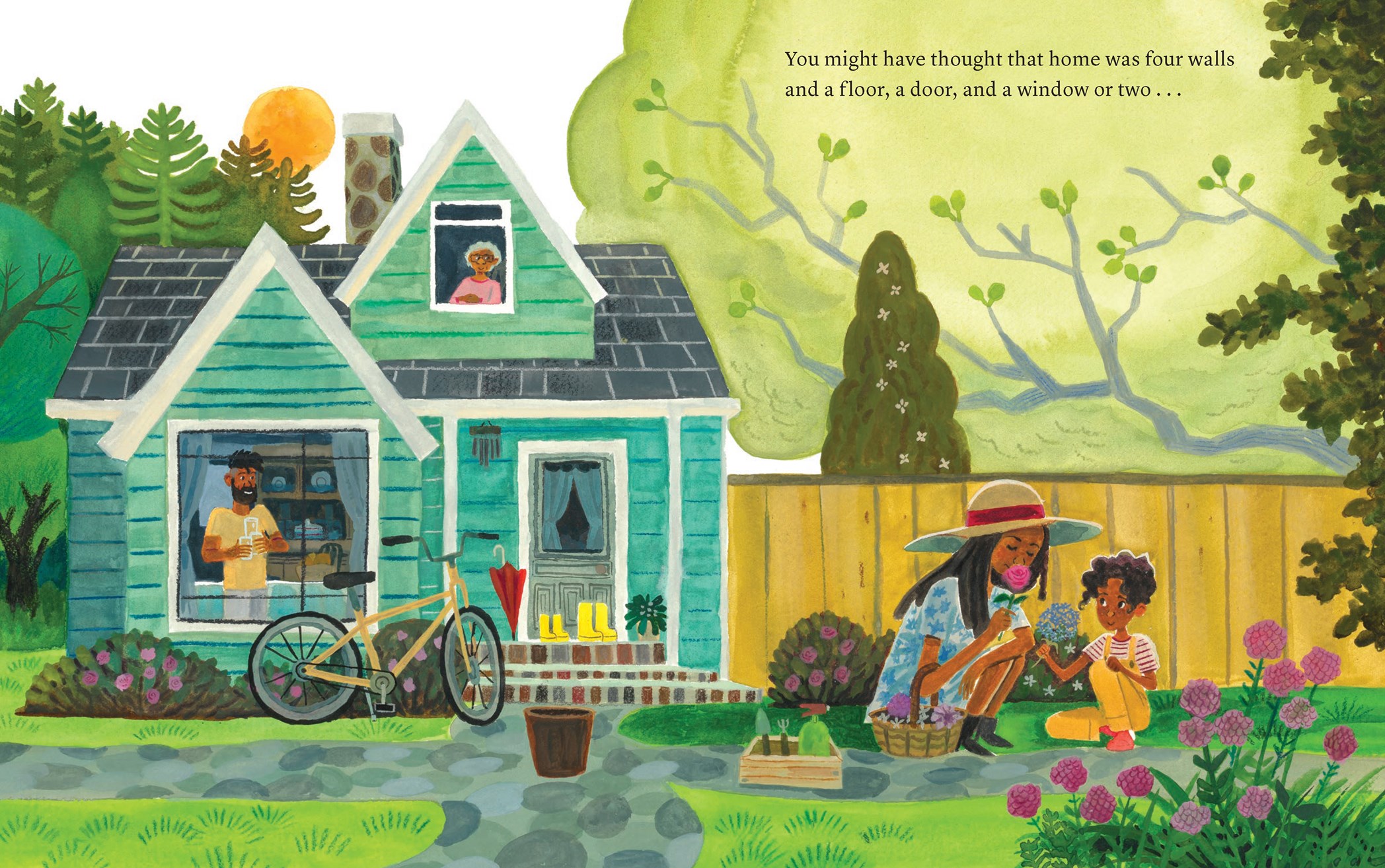
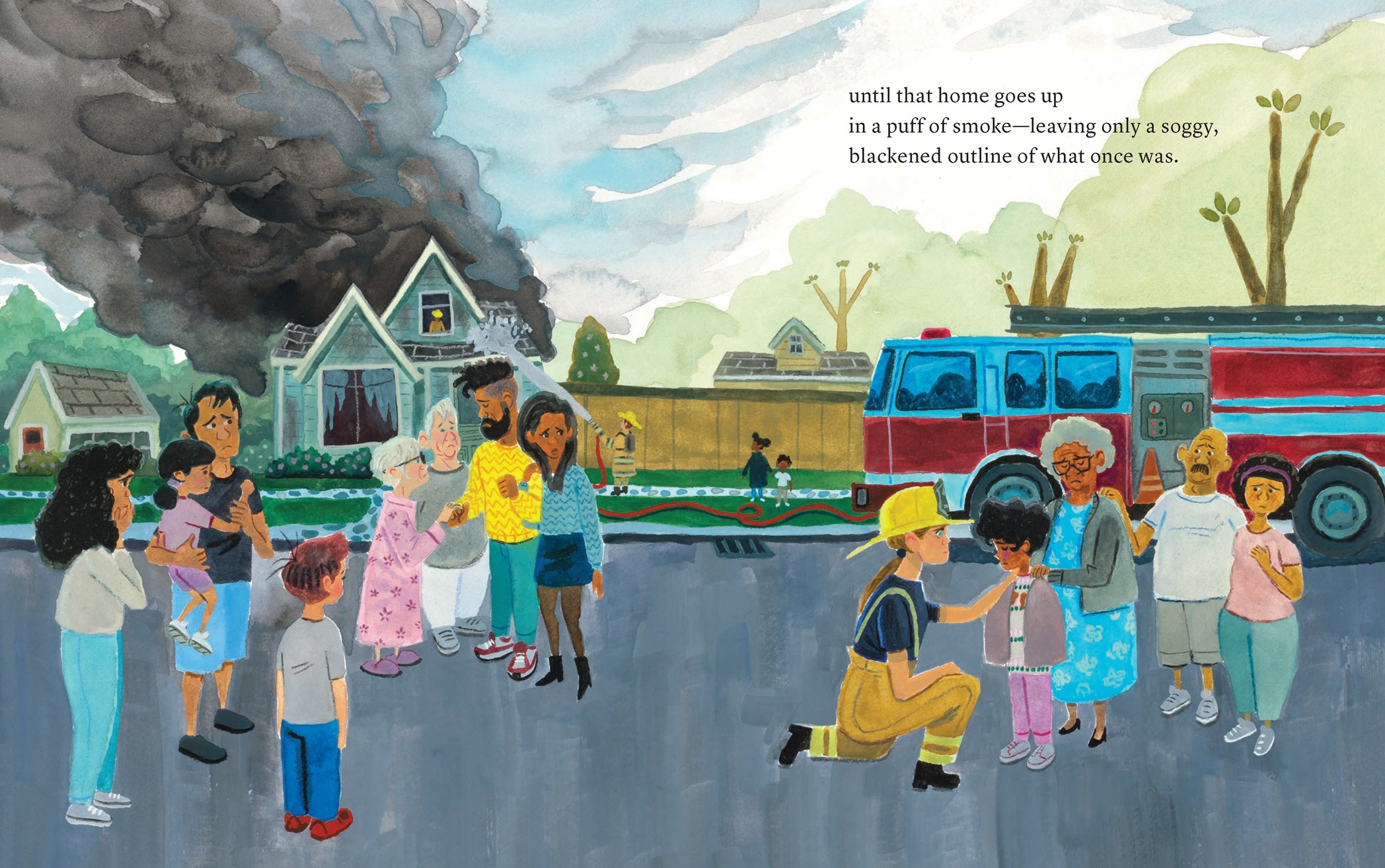
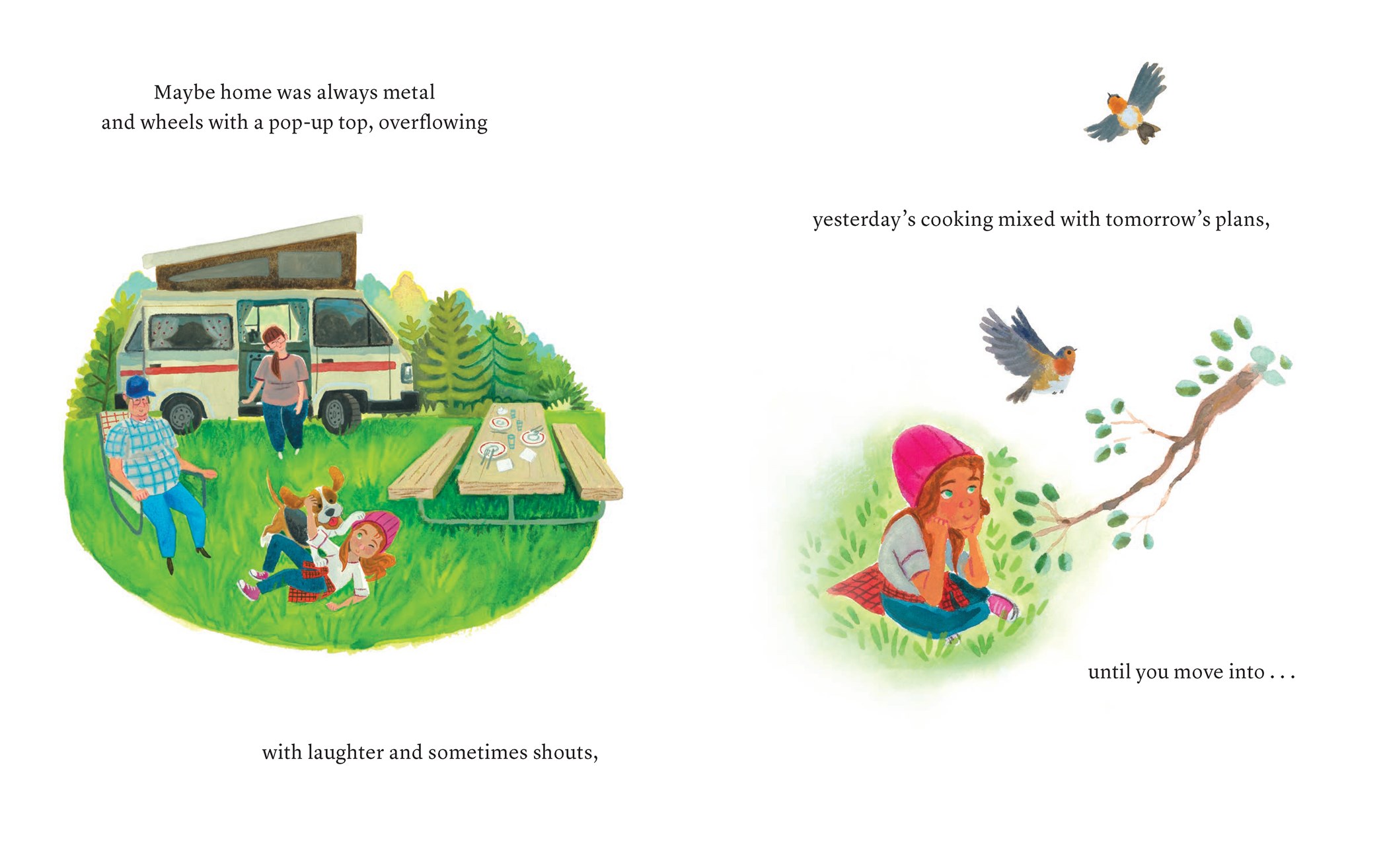
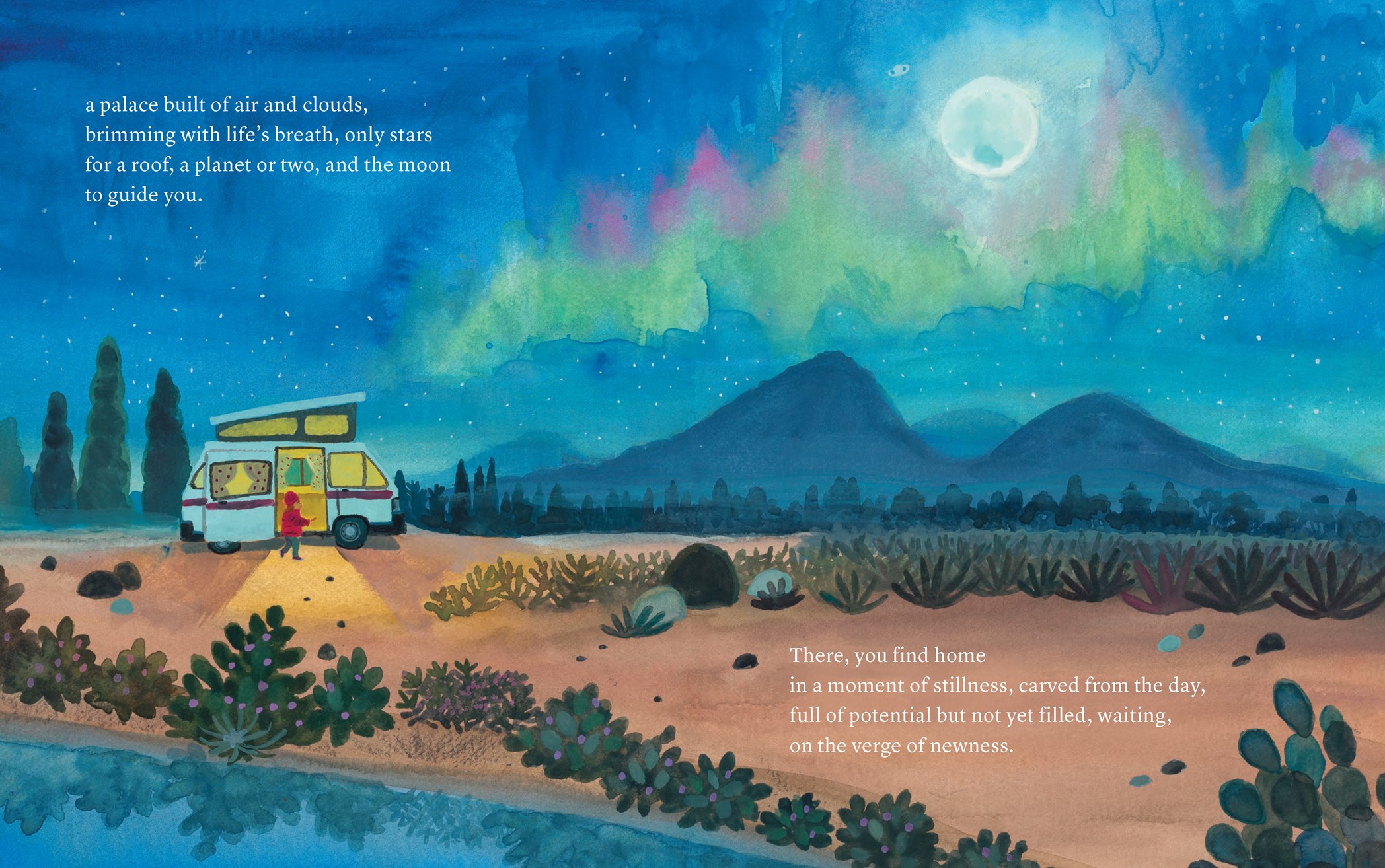
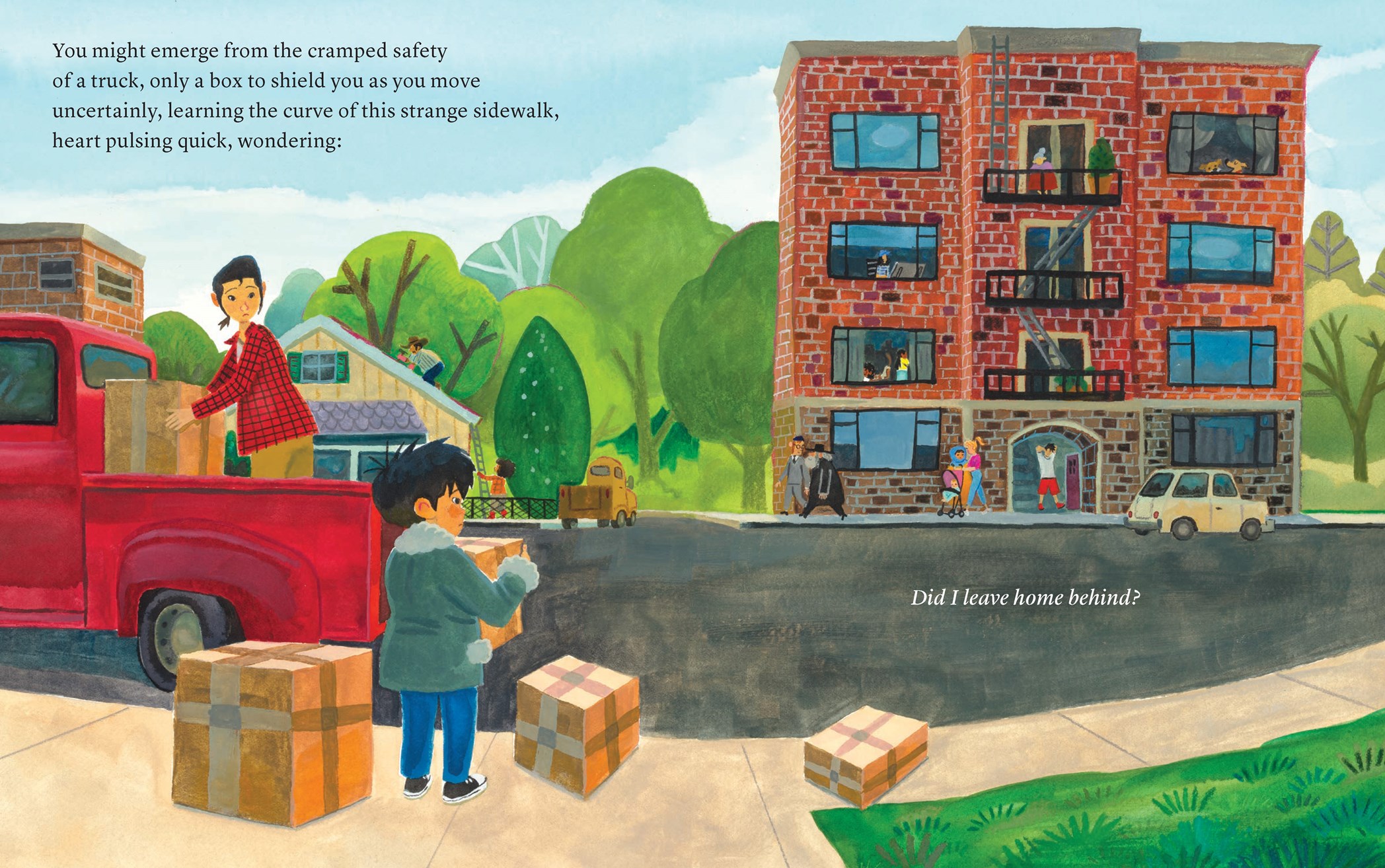
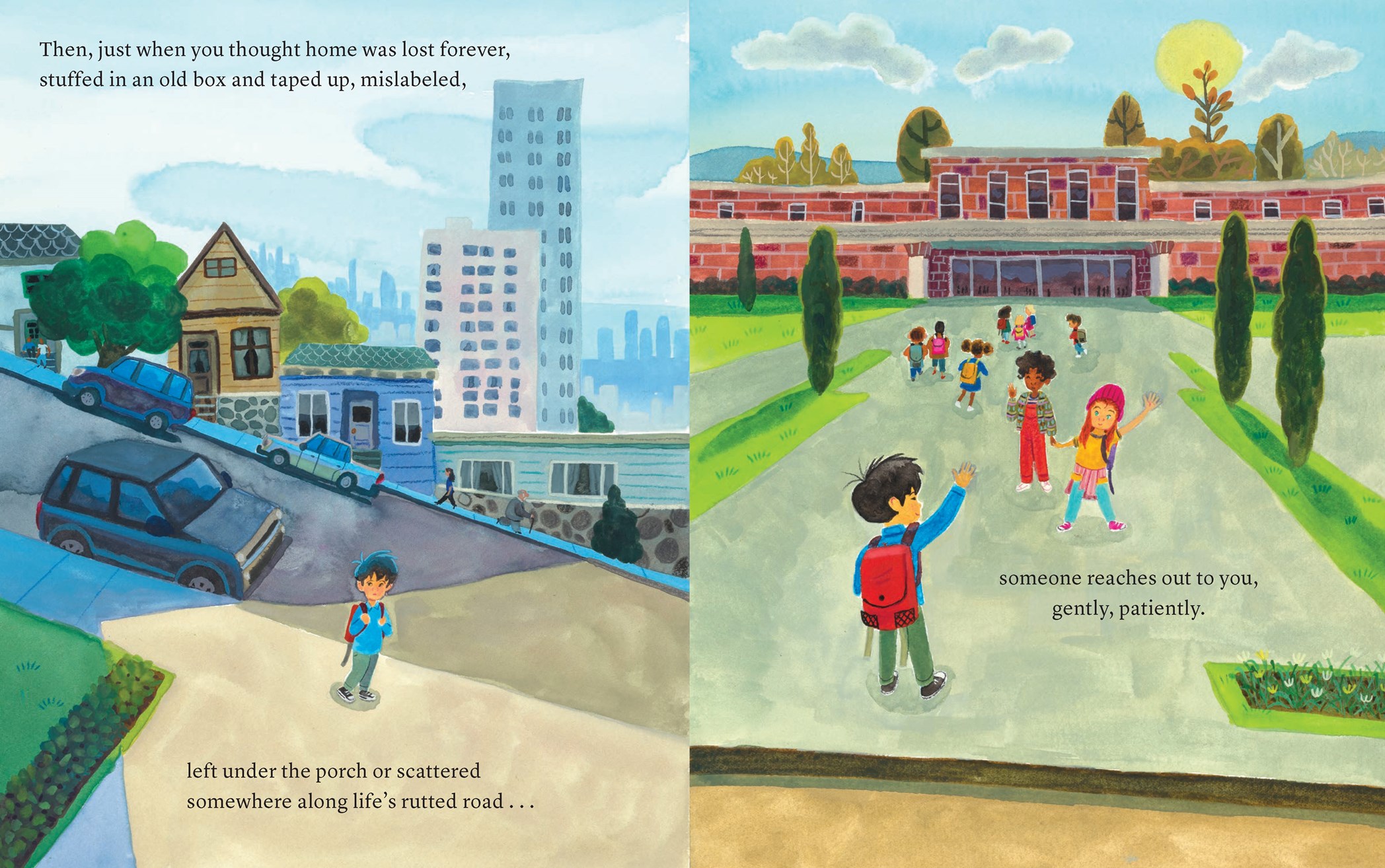
You Are Home gently explores the uncertainty and hope that come with moving. It follows three children: one whose house burns down, one living in a camper, and one moving out of an apartment. Through brief, heartfelt scenes, the story shows how the children meet at school, form new friendships, and help their families build a sense of belonging. The narrative emphasizes that home is not just a memory or a dream, but is created by the people and experiences that surround us in the present. For any young writer who has faced the unknowns of change, this book offers comfort and inspiration.
Look inside the book:
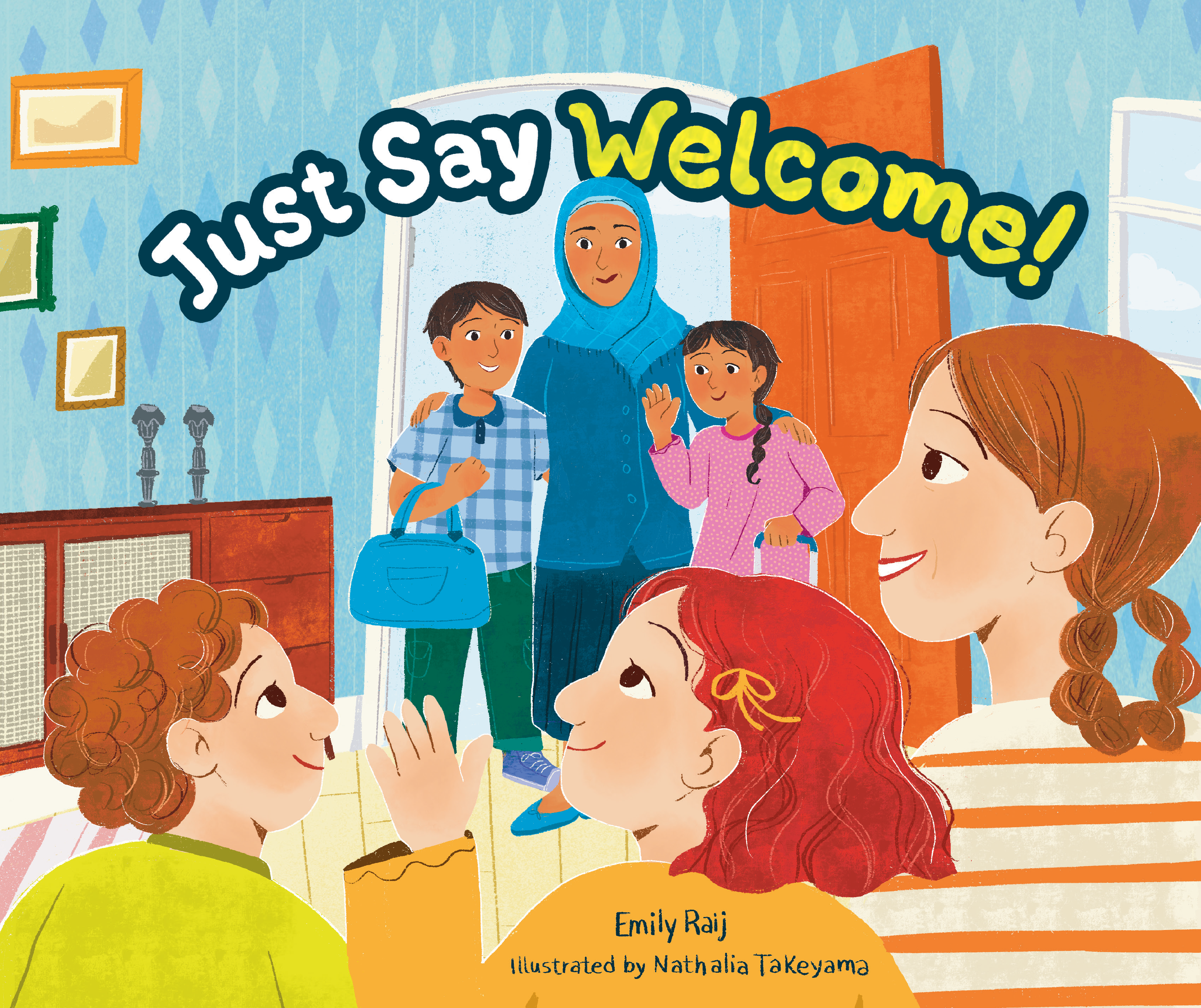
Just Say Welcome by Emily Raij and Nathalia Takeyama
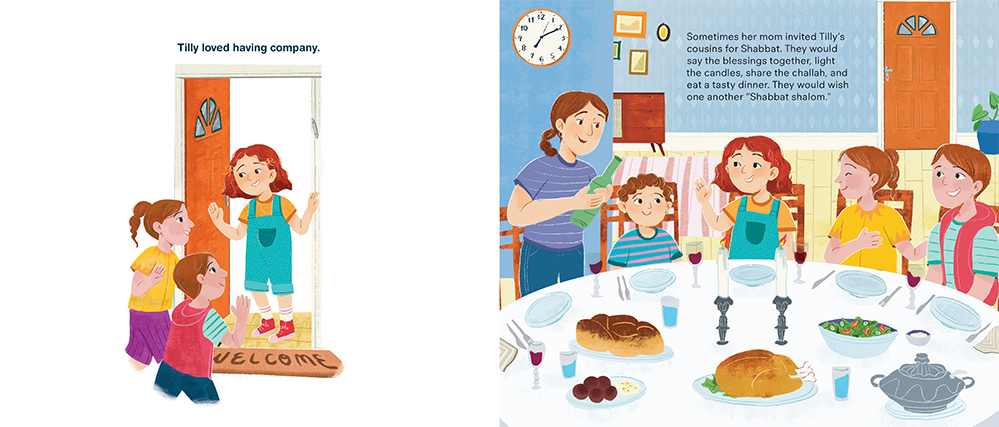
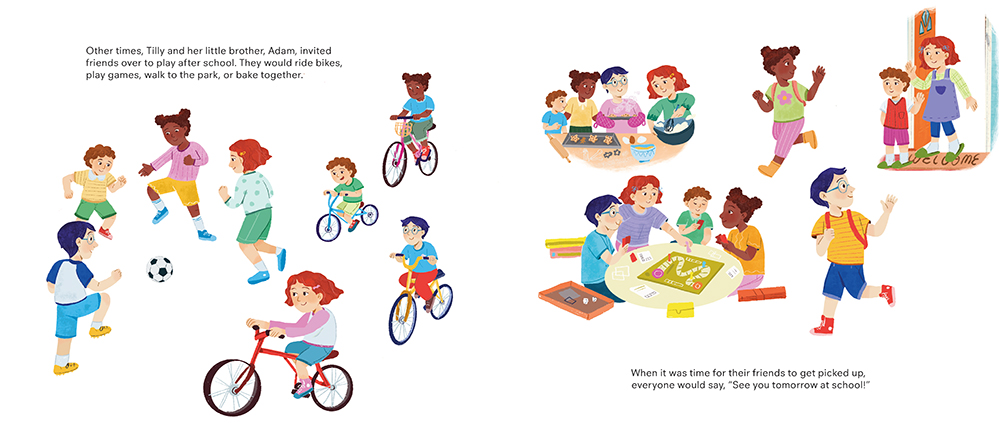
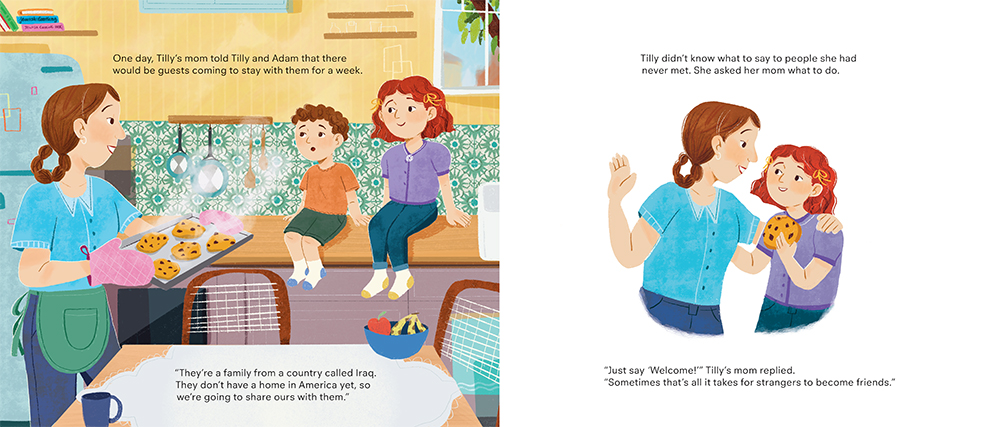
This story introduces Tilly, whose family welcomes Iraqi refugees as they adjust to a new country. Through small acts of kindness and authentic dialogue, the book explores how gestures and words can help newcomers feel included. Just Say Welcome encourages students to take action in their own communities and recognize their role in creating inclusive spaces.
Look inside the book:

A Practical Routine for Using Picture Books as Mentor Texts
You don’t need an elaborate lesson plan to use picture books as mentor texts. Here’s a simple routine to try based on the process I share in chapter one of Craft Moves: Lesson Sets for Teaching Writing with Mentor Texts:
- Read Like a Writer: Notice what the author is doing.
- Identify Craft Moves: Look for techniques such as strong leads, repetition, and sensory details.
- Name the Move: Clearly define each craft move.
- Take Notice: Highlight examples and collect them.
- Discuss Author’s Intention: Consider why the author used a move.
- Connect to Student Writing: Invite students to try these techniques.
- Revisit: Return to the mentor text for more lessons as students grow.
Following this routine, which is described in more detail in the Two Writing Teachers Tip for Tomorrow episode that dropped yesterday, students learn to see themselves as both readers and writers, noticing how authors craft stories and trying out similar moves in their writing.
Why Representation and Voice Matter
Perhaps the most important outcome of using picture books is that they empower students to write from the heart. When students see their own experiences reflected in literature, they gain the confidence to share their stories. For those encountering unfamiliar perspectives, these stories build empathy, spark meaningful conversations, and help create classrooms where every My Home is in My Backpack, You Are Home, and Just Say Welcome voice matters. Books like these do more than lift the level of students’ writing—they foster compassion, understanding, and a true sense of belonging.
Bringing these stories into your classroom as mentor texts helps every child find their voice and build bridges to others, one story at a time.
References:
- Craft Moves: Lesson Sets for Teaching Writing with Mentor Texts by Stacey Shubitz (Stenhouse Publishers, 2016)
- Just Say Welcome by Emily Raij and Nathalia Takeyama (Kar-Ben Publishing, 2025)
- Mirrors, Windows, and Sliding Glass Doors by Rudine Sims Bishop (1990)
- My Home is in My Backpack by Eugenia Perrella and Angela Salerno (Floris Books, 2025)
- You Are Home by Bex Tobin Fine and Andres Landazabal (Chronicle Books, 2025)
Giveaway Information:
You can win three books: My Home is in My Backpack, You Are Home, and Just Say Welcome. They have been donated by Chronicle Books, Floris Books, and Kar-Ben Publishing for one lucky reader. To enter, comment on this post by Sunday, December 14th at 11:59 p.m. EST. The winner will be randomly selected and announced at the bottom of the post by Tuesday, December 16th. When you comment, you must have a U.S. mailing address and provide a valid e-mail address. The publishers will ship the books to the winner. If you win, you will receive an email titled “TWO WRITING TEACHERS – FINDING HOME.” I will choose a new winner if you do not respond with your mailing address within five days.
Comments are now closed.
I used a random number generator, and Megan Curtis’s number came up, so she’ll win copies of these books.
Discover more from TWO WRITING TEACHERS
Subscribe to get the latest posts sent to your email.


Great books and inspiring words
LikeLike
I love the focus of this text set on the human component of home! I’m trying this year to compile some text sets on craft moves. I usually highlight books related to a certain theme, topic, or author that correlates with our curriculum. It was recommended to me to do the same but with craft moves. This way students can see a variety of the same thing, like strong leads. I’m not quite there yet with my text sets, but I’m working on getting more picture books in my classroom!
LikeLike