

Estimated Reading Time: 3 Minutes (531 words)
Primary Audience: Classroom Teachers
A Backstory
I was fortunate to begin my teaching career in a school where the Responsive Classroom approach was woven into the fabric of daily life. I quickly learned to balance teaching social skills alongside academics and also that how we teach is just as important as what we teach. This foundation shaped my beliefs about the power of relationships, student agency, and joyful learning.
A few years into my career, I had the opportunity to train as a Consulting Teacher for the Center for Responsive Schools. Part of that training included regular coaching sessions, during which I learned lessons that continue to guide my work as an instructional coach to this day. One lesson that has stuck with me is the power of balancing social and academic learning during Morning Meeting.
In the Responsive Classroom approach, Morning Meeting is a daily gathering that helps students build community and start the day with energy and connection. It consists of four parts:
- Greeting
- Share
- Activity
- Morning Message
You can read more about Morning Meetings and the goals of each component here.
My coach helped me see that, while Morning Meeting is meant to be joyful, it can also be intentionally designed to reinforce both social and academic skills. With her guidance, I began planning each meeting with balance in mind-aiming for two components with a stronger social focus and two with an academic lens. That simple shift made our mornings more impactful.
The Details
Here are some quick ways to help kickstart your thinking about how to strengthen student writing during Morning Meeting.
Share
- Brainstorm Writing Ideas: Before starting a new unit, do a quick round where each student shares a topic they know a lot about or a small moment story idea.
- Oral Language Practice: Teach students to structure their shares with a clear topic sentence followed by supporting details. Example:
“This weekend I went to the park. I went with my mom and my sister. We played on the swings and the slide.” - Practice Elaboration Techniques: Encourage students to add details or use strategies from writing lessons. For instance, when sharing about a pet, they could describe size, color, use a simile, or give examples.
Morning Message
Model Writing Strategies: Use your daily message to demonstrate a previously taught skill, like descriptive writing or sentence structure.
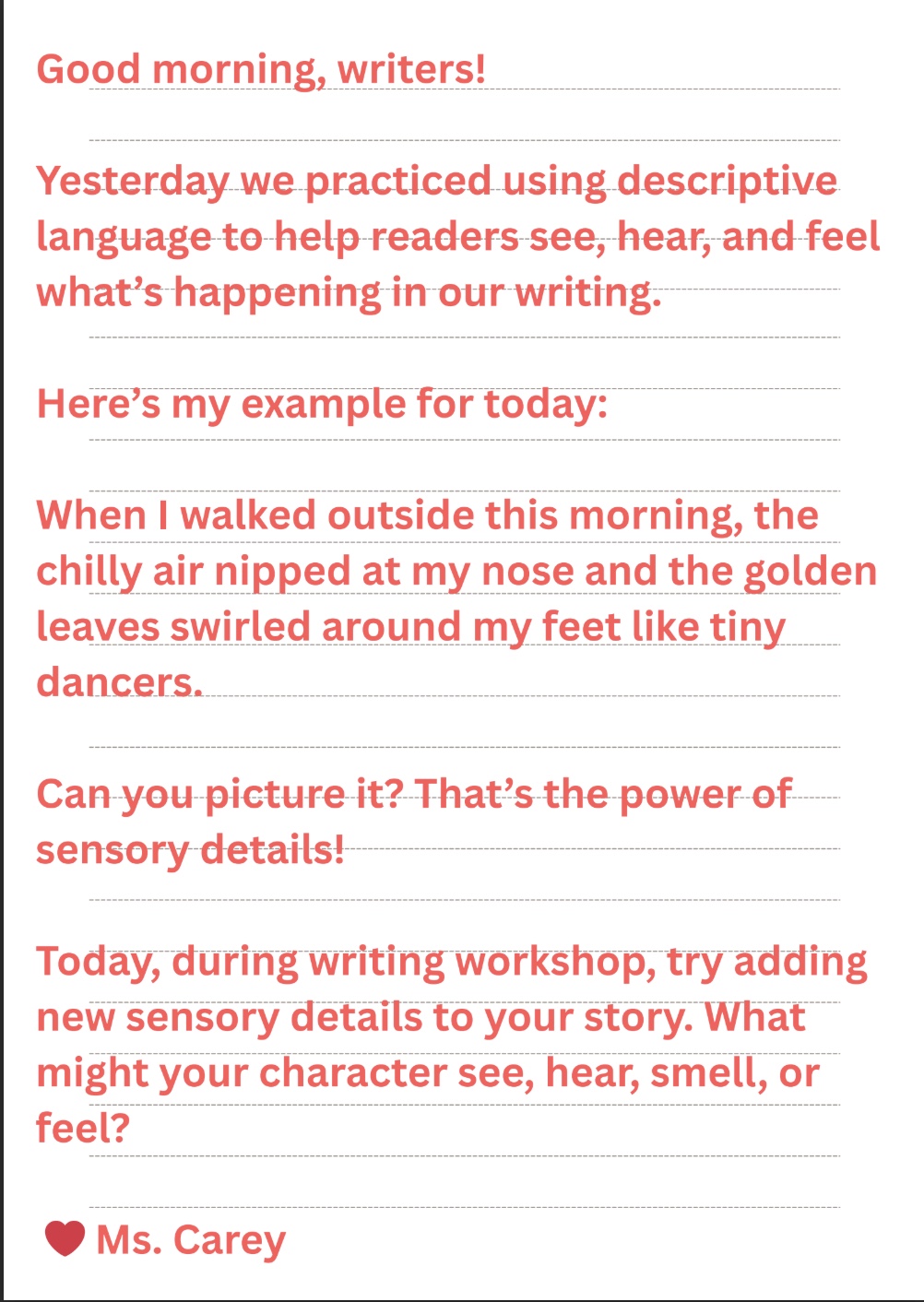
Interactive Elements: Include prompts that require students to think, talk, or respond in writing—for example, writing a fact or a sentence with sensory details.

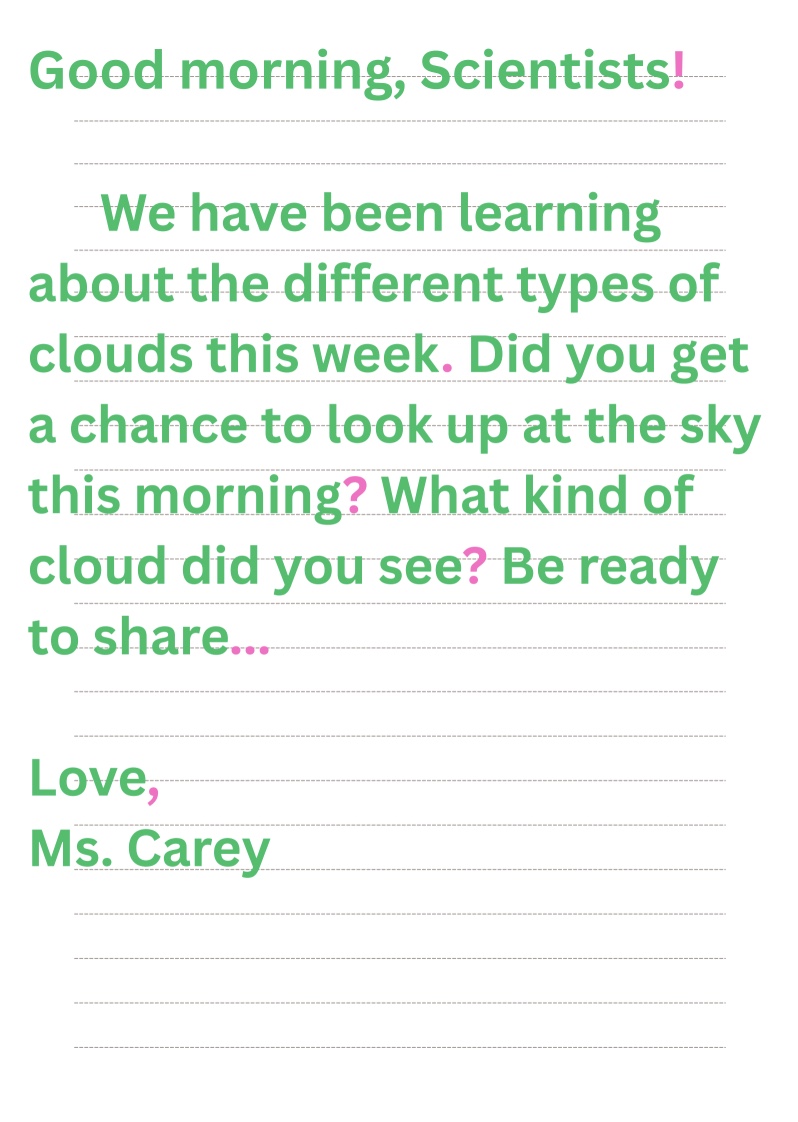
Conventions Practice: Highlight punctuation or capitalization. You might color-code punctuation marks, leave them out for students to add, or collectively revise the message as a class.
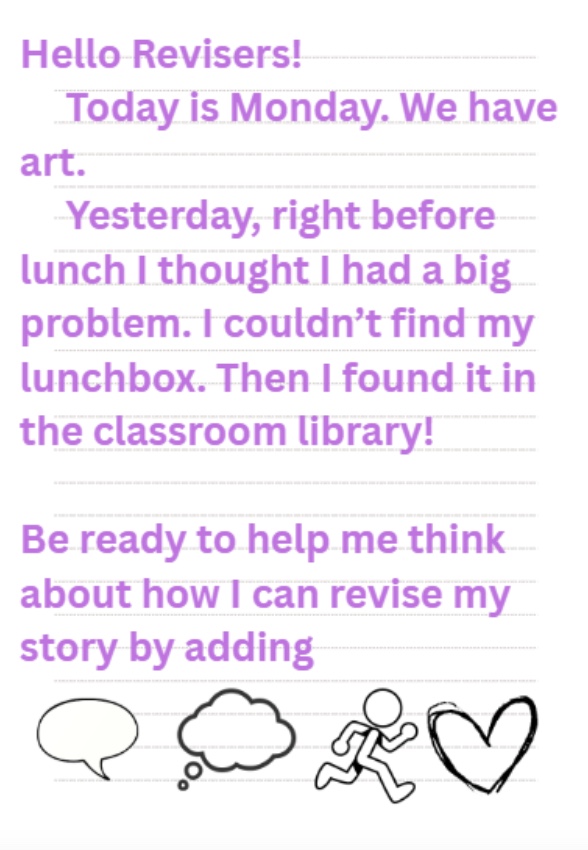
Revision Practice: Use thinking prompts to encourage students to revise the message by adding dialogue, action, feelings, or more descriptive details.
The Bottom Line
Morning Meeting is more than a joyful way to start the day. It can be a powerful opportunity to build both social and academic skills. By intentionally incorporating activities that reinforce writing, teachers can create a low-stakes, supportive space where students practice the habits of strong writers. Think of it as the appetizer to writing workshop-just another opportunity to build in practice!
Discover more from TWO WRITING TEACHERS
Subscribe to get the latest posts sent to your email.


So happy to see you highlighting the power of Morning Meeting! The possibilities to weave in SEL and academics are endless. Love your message models! I keep a special notebook to scribe what kids say during sharing. This is a gold mine for writing ideas and details. Awesome post Jessica!
LikeLiked by 1 person
Such good ideas! I’ll be sharing this post with my teachers!
LikeLiked by 1 person
I think it’s a great place to do some vocabulary work too!
LikeLiked by 1 person
Yes! Share pictures of anything you try!
LikeLike