Estimated Reading Time: 4 minutes (699 words)
Primary Audience: Teachers and Coaches
After one week of immersion and introducing fantasy writing to my students, I’ve come to this conclusion: Fantasy writing is HARD!
Since most young students gravitate towards reading fantasy books, I thought it would be easy for them to give fantasy writing a try. But despite a high level of engagement, the work is challenging. One reason could be that they’ve never had a fantasy unit of study before. Even Carl Anderson (2024) points out, “In most classrooms- including my own as a teacher and those in schools I’ve visited around the world since- I’ve rarely seen children write fantasy(p. 1).”

Why Fantasy, and Why Now? Let’s back up: Why fantasy? I found myself with an unexpected gift: time for one more unit before the end of the year. While my team planned to revisit information writing, my students kept asking, “When will we write fantasy?” Like most second graders, they’d written personal narratives, informational texts, opinions, and realistic fiction—but never fantasy. I kept deflecting with, “You can write fantasy on Freewrite Fridays!” But I knew that wasn’t enough. I finally took the plunge, and enlisted support from Carl Anderson’s new book, Teaching Fantasy Writing: Lessons that Inspire Student Engagement and Creativity.
Book Overview: This book is incredible and made me believe in including a fantasy unit of study every year. The first few chapters outline the benefits of fantasy writing for kids. Here are just a few of Carl’s arguments that stuck out to me:
- Young writers rarely have the chance to write fantasy.
- Kids in the U.S. are facing a “creativity crisis” (p. 7).
- Most students are highly engaged in fantasy writing. That’s reason enough, but when kids are interested, they’re more apt to learn the writing skills that we teach within every genre: focus, structure, detail, voice, and conventions.
The latter chapters of the book include fully fleshed units for different ages:
- Introduction to Fantasy (Grades K-1)
- Magical Relationships (Grades 2-3)
- Magical Worlds (Grades 4-6)
The minilessons, student examples, and lists of mentor texts have been critical as I’ve planned and implemented this fantasy unit.
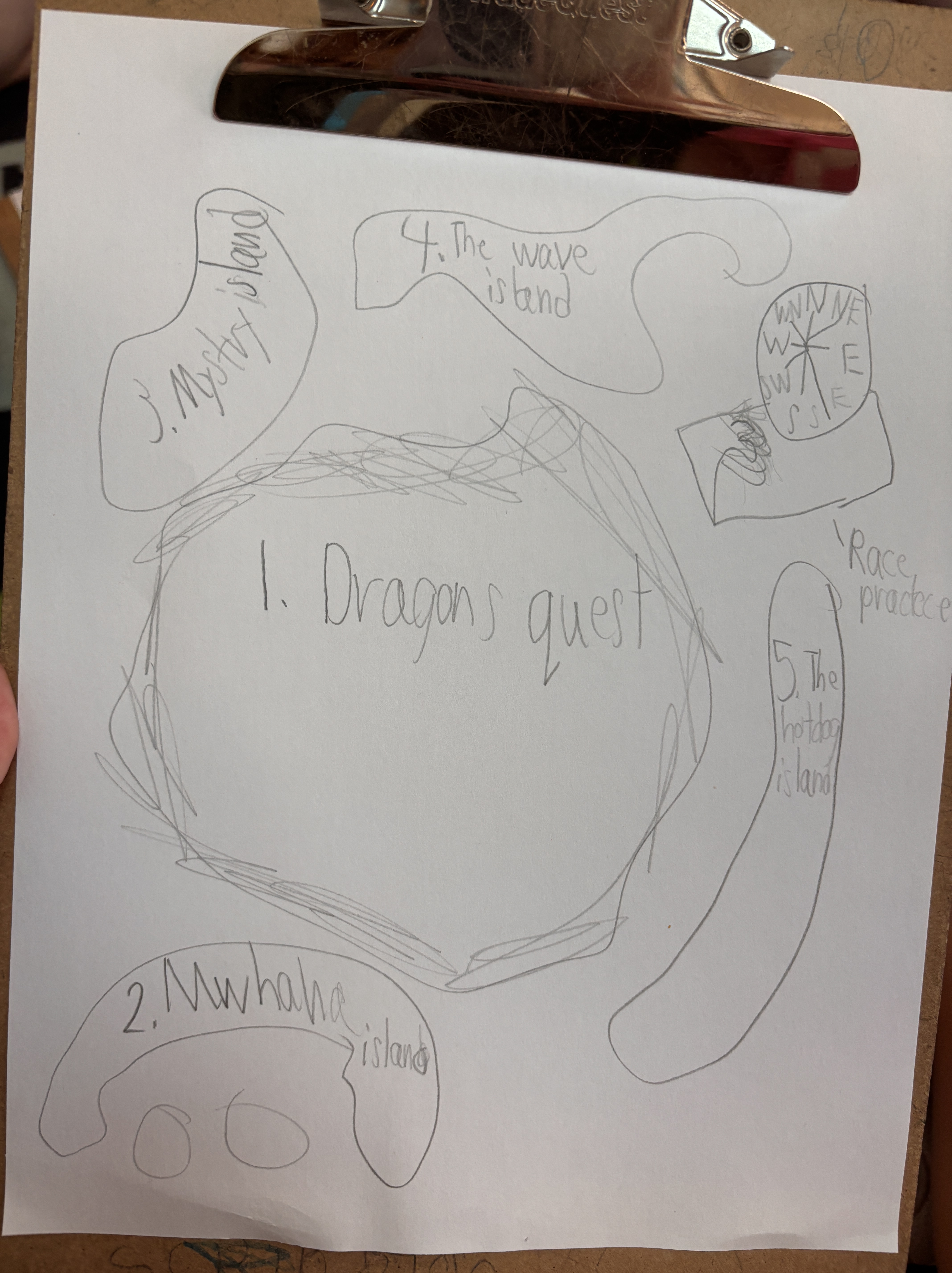
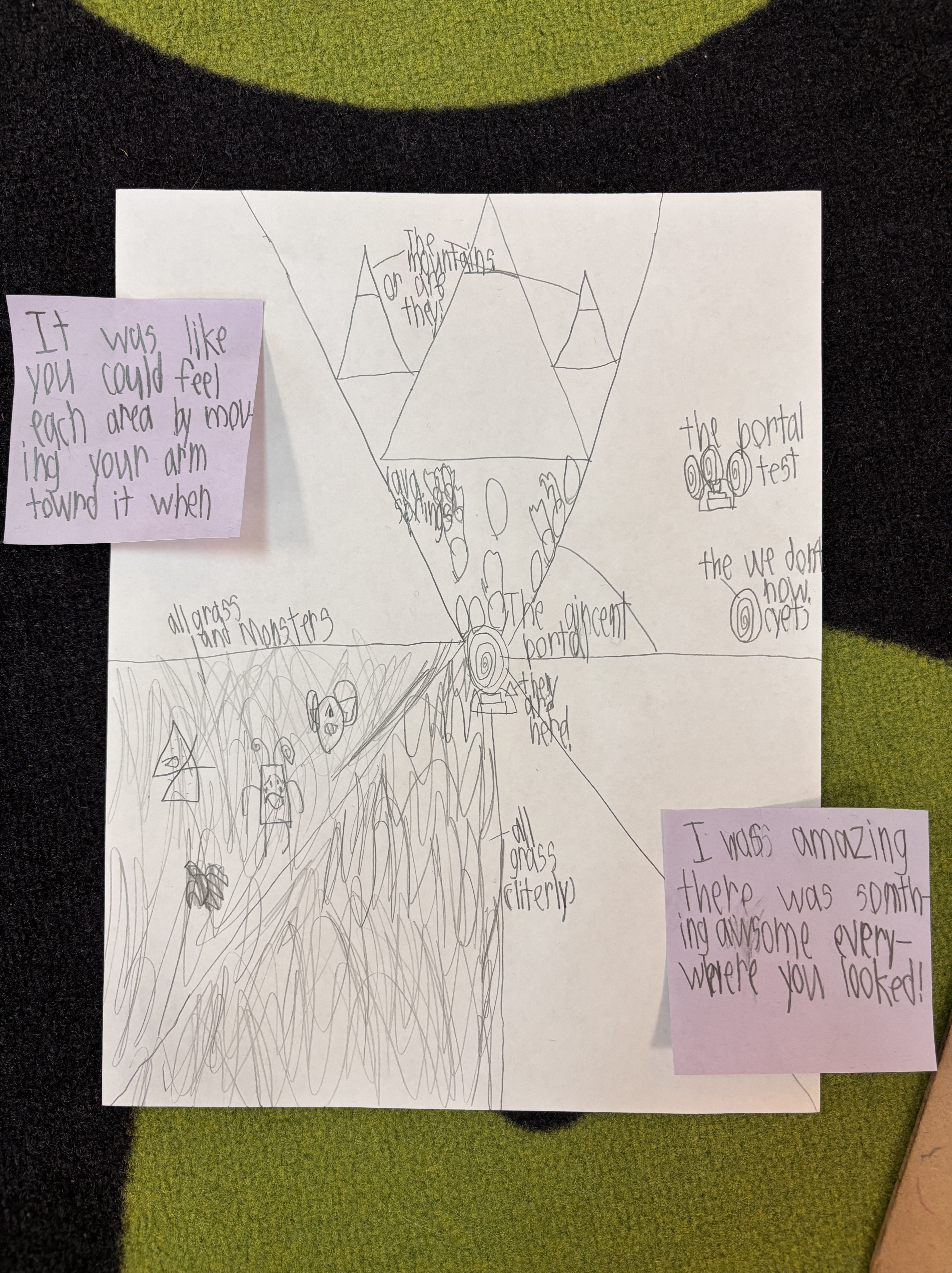
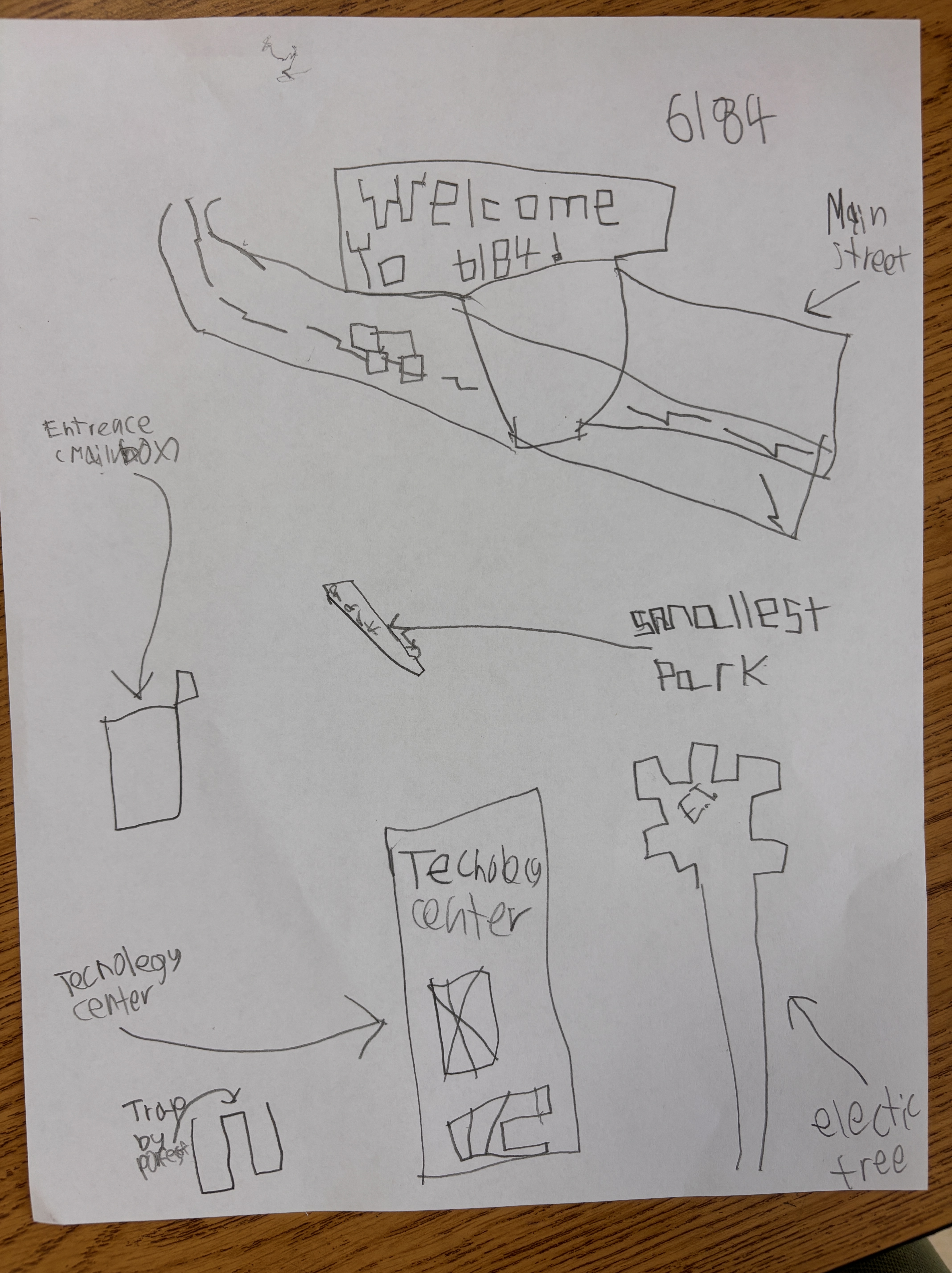
One thing the class has loved is creating “worlds.” After studying the settings of our fantasy mentor texts, students spent time drawing and describing the setting of their story. Carl says that psychologists actually have a name for imaginary worlds: paracosms. In fact, creating paracosms involves high-level creative thinking that writers will carry with them through adulthood (Anderson 2024, p. 9). World-building became a powerful scaffold. Instead of staring at a blank page, unsure of what their imaginary character was doing or where they were going, students could consult their maps and see their fantasy worlds. The map made the writing feel more real—and gave them something concrete to write from. Check out the captioned worlds below:
Fantasy writing also provides a chance to work on character development. Carl’s brilliant lessons help students dig deep into their characters. For example, one lesson asks students to consider whether their character grapples with internal vs. external problems.
I’ll leave you with some quotes from my students sharing what they think about fantasy writing:
- “We can really write anything!”
- “I like fantasy because you can write about magical stuff. It’s what I do every day when I get to freewrite, anyway!”
- “You can make up your own worlds and imaginary characters.”
- “I like fantasy because you can really let your imagination burst.”
- “I like fantasy because you can make magical doorway stories that go to different worlds.”
- “There’s an endless flow of creativity.”
We’re only one week in, but the creativity and complexity I see are already worth the challenge.
If you’ve ever been curious about teaching fantasy—or have students begging to write it—take the leap. Where might you fit fantasy writing into your school year? And be sure to check out Carl Anderson’s Teaching Fantasy Writing. It’s a game-changer.
Discover more from TWO WRITING TEACHERS
Subscribe to get the latest posts sent to your email.


I tried a fantasy writing unit 3 years ago with my 5th graders using the UoS’s If/Then book. I wish I’d had Carl’s book then! It was definitely an engaging unit, but suuuper hard (especially since most fantasy books 5th graders read are lengthy and complex chapter books, while they were only writing stories). I ended up swapping it for the graphic novels unit. Both are great for end of year engagement!
LikeLike
https://libnews.umn.edu/2025/02/fairy-rings-fables/?utm_source=Short+Stacks+-+News+from+University+of+Minnesota+Libraries&utm_campaign=bc905e643f-EMAIL_CAMPAIGN_2020_05_21_03_16_COPY_01&utm_medium=email&utm_term=0_35496412ca-bc905e643f-183230533
For those of you in Minnesota. Inspiration!
LikeLike
I had fifth grade students create a map of their own imaginary world. They had to provide a map key, and a detailed explanation of their world. The results were astounding and incredibly detailed, some even created flags! One of the books we used was Westlandia by Paul Fleischman. And I recently discovered, The Boy Who Loved Maps by Kari Allen. Both helpful for the creative and the realist.
LikeLike
Thank you for the resources!
LikeLiked by 1 person