
Estimated reading time: 3 minutes. Contains 465 words.
Target Audiences: Classroom Teachers 4th and Up
Need a different way to get your students thinking about characterization, change, and conflict? Here are a couple of ready-to-try activities for you and your students.
The Context
Creating complex characters who grow and change can be a difficult task for students. It’s hard enough to write so that character traits reveal themselves; it’s even tougher to craft a character’s evolution across a story. I’ve found that my students better understand character traits when they first filter them through their own experiences.
The Process
To get students thinking more deeply about character traits, I’d recommend a values clarification activity. It starts with an attribute list for students to review:
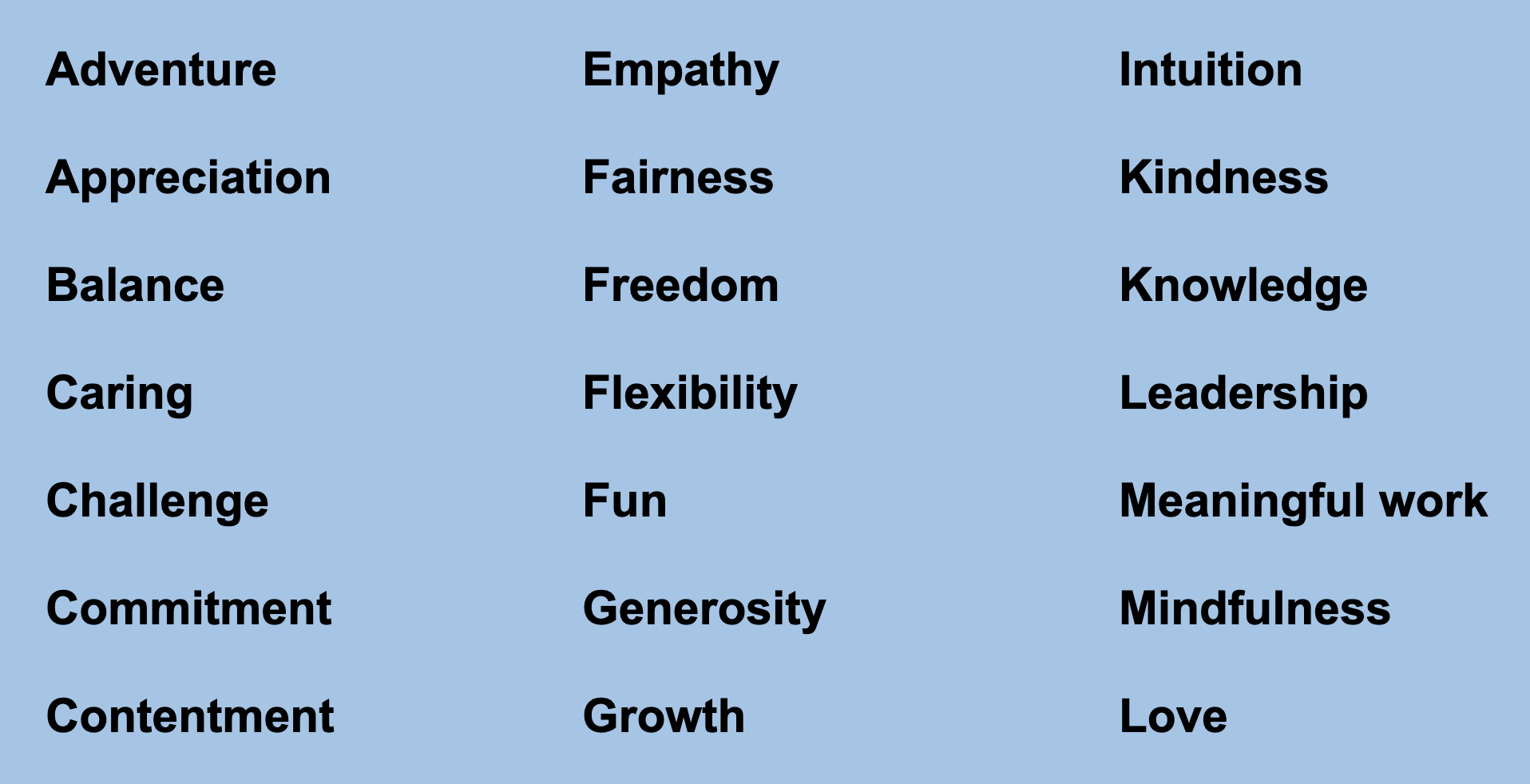
Start by having students circle ten values from this list that resonate. Then, have them underline five that rise to the top. Last, have students star the three values they feel most deeply.
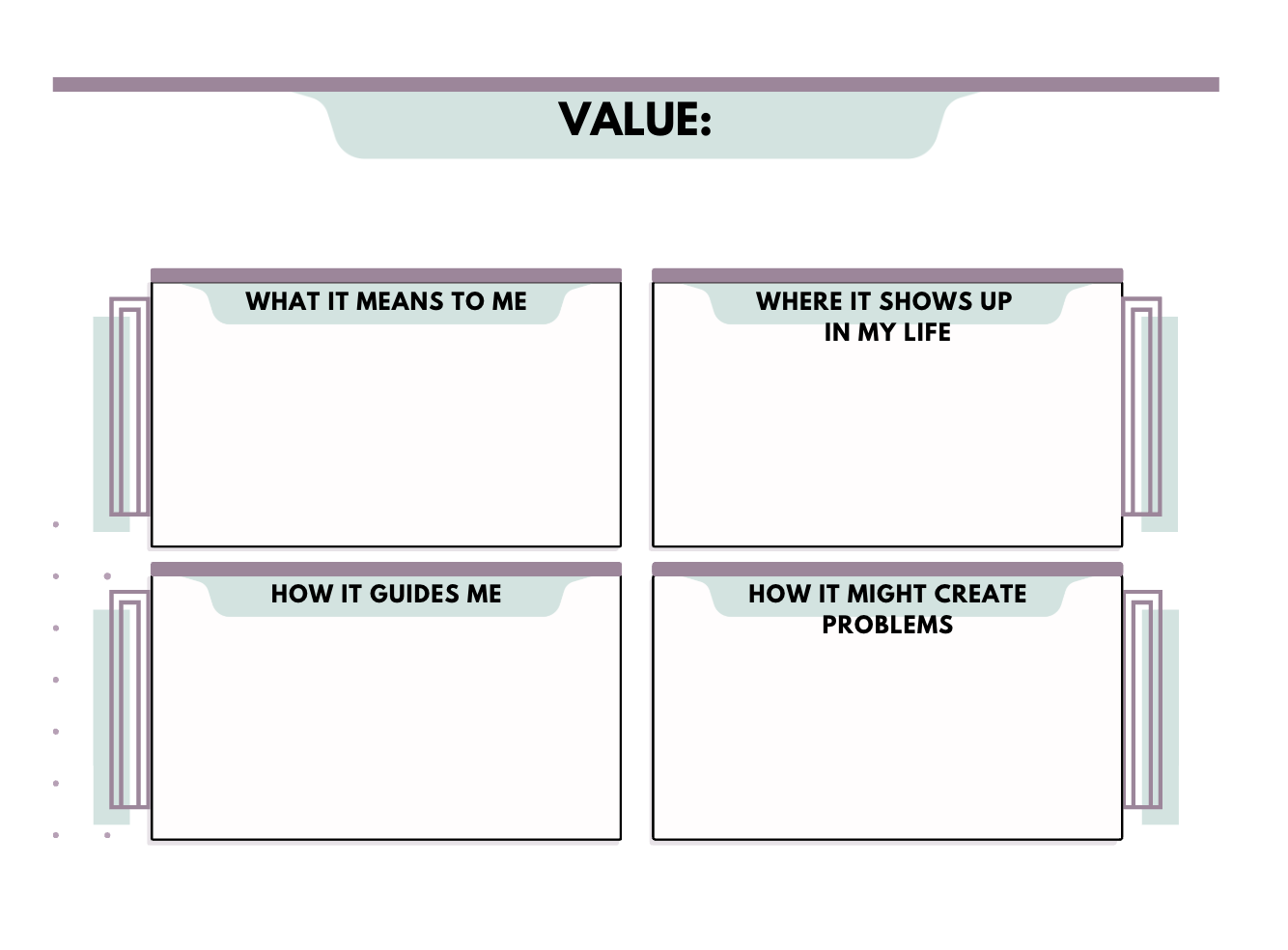
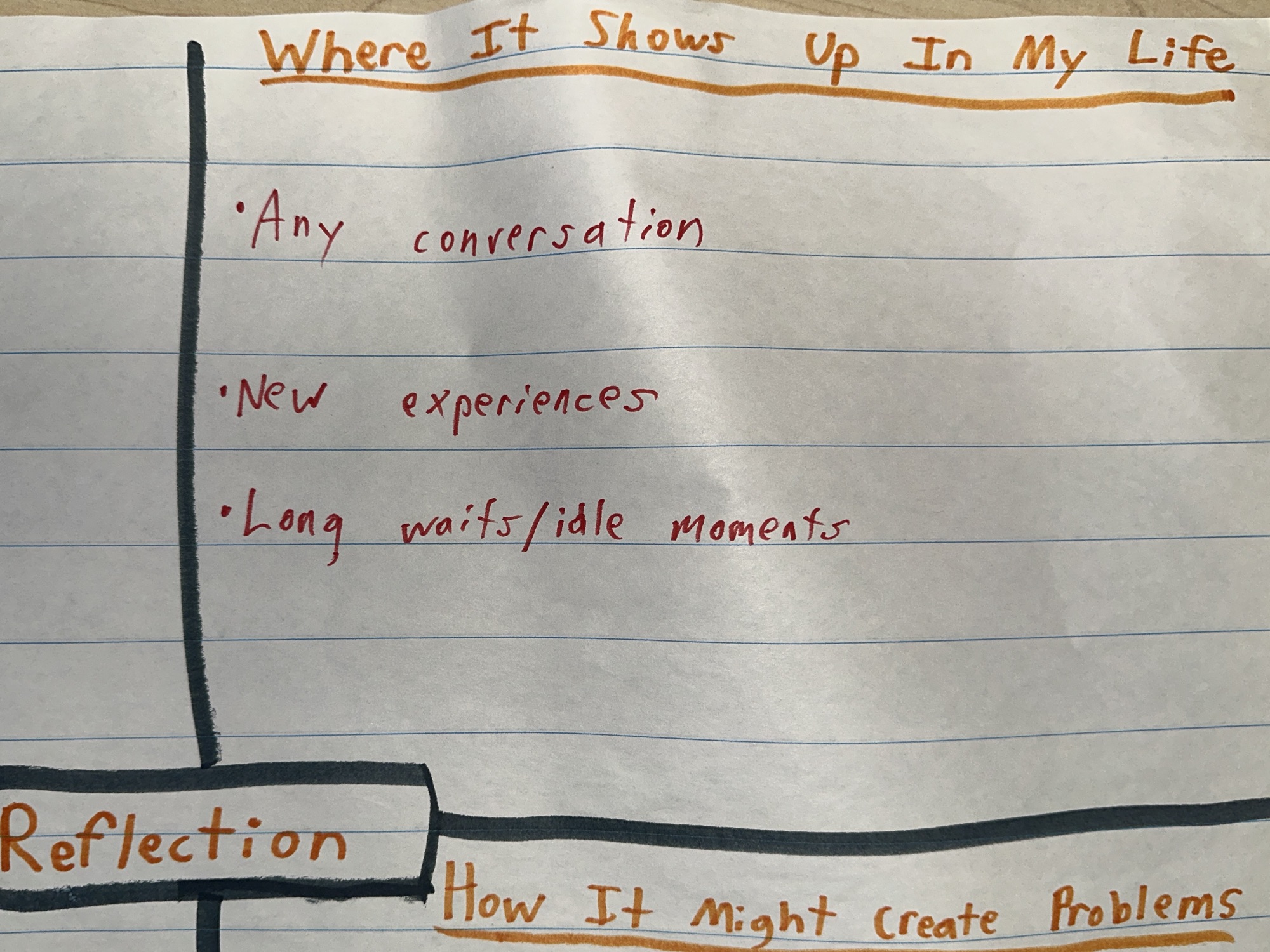
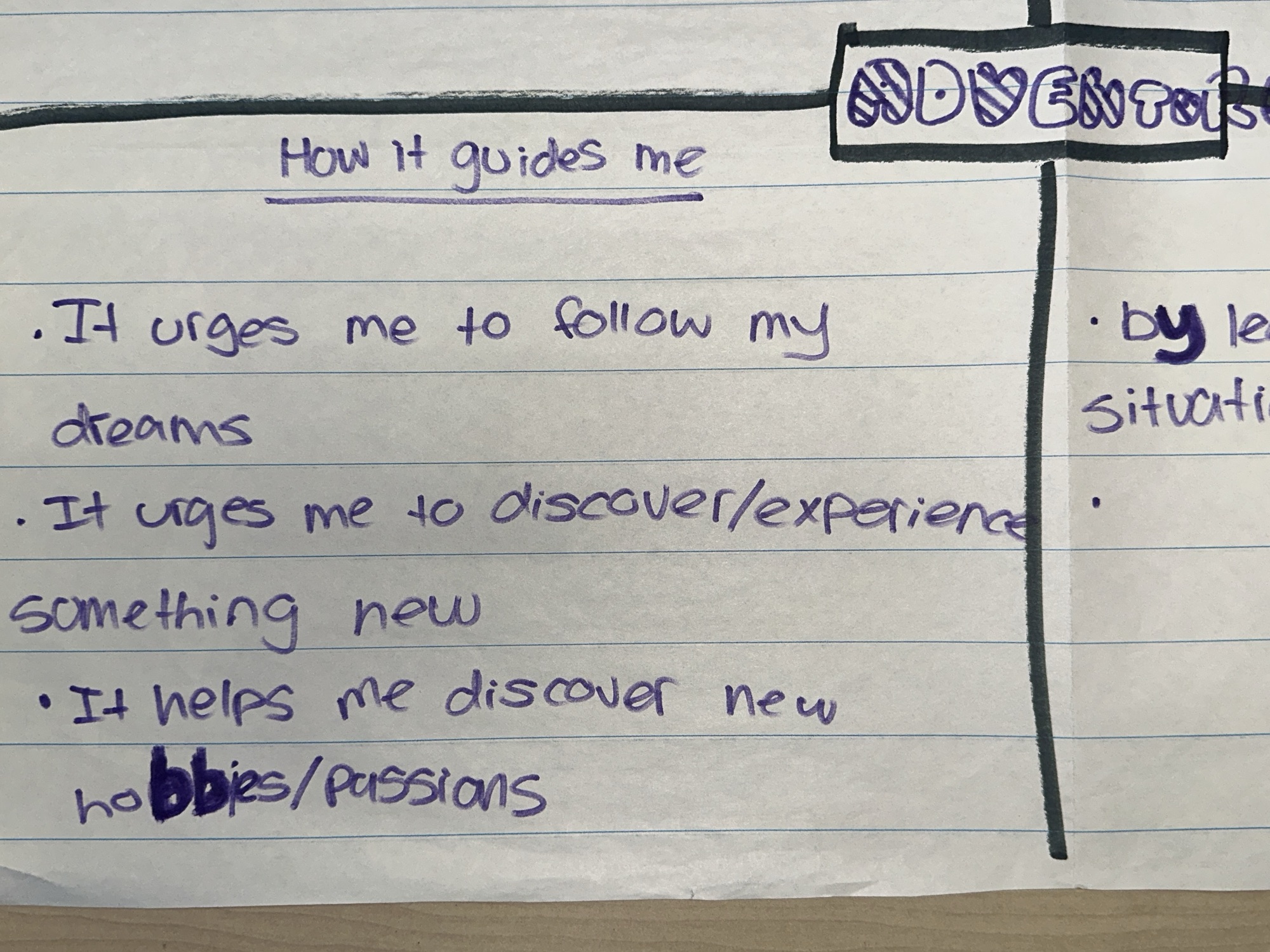
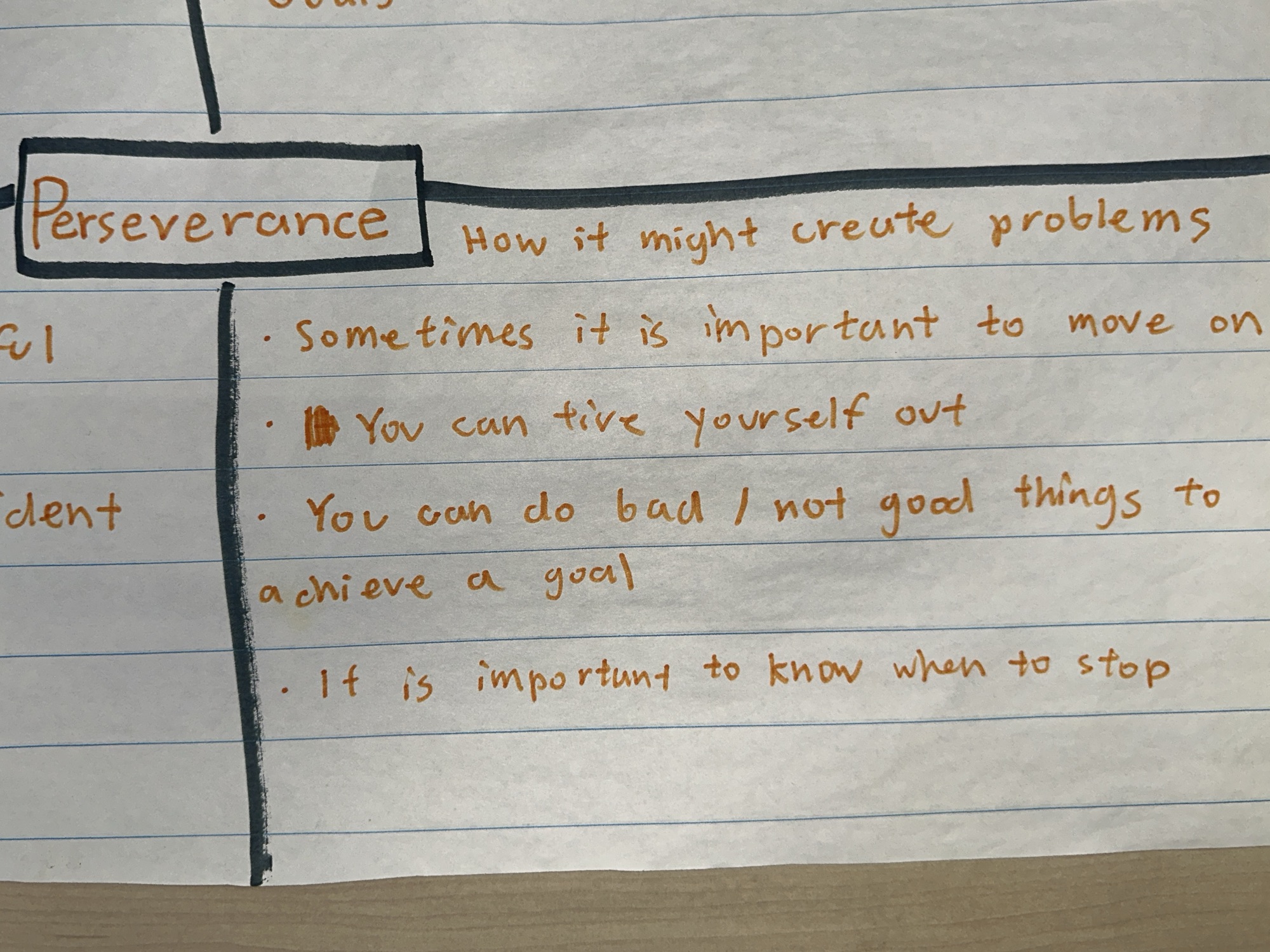
For the next phase, I ask students to carry a slip of paper with those three words around for a while, and think of them every time they touch that paper. During the next class session, have them choose the value they connected to the most. Then, they sketch out a diagram exploring dimensions of that value:
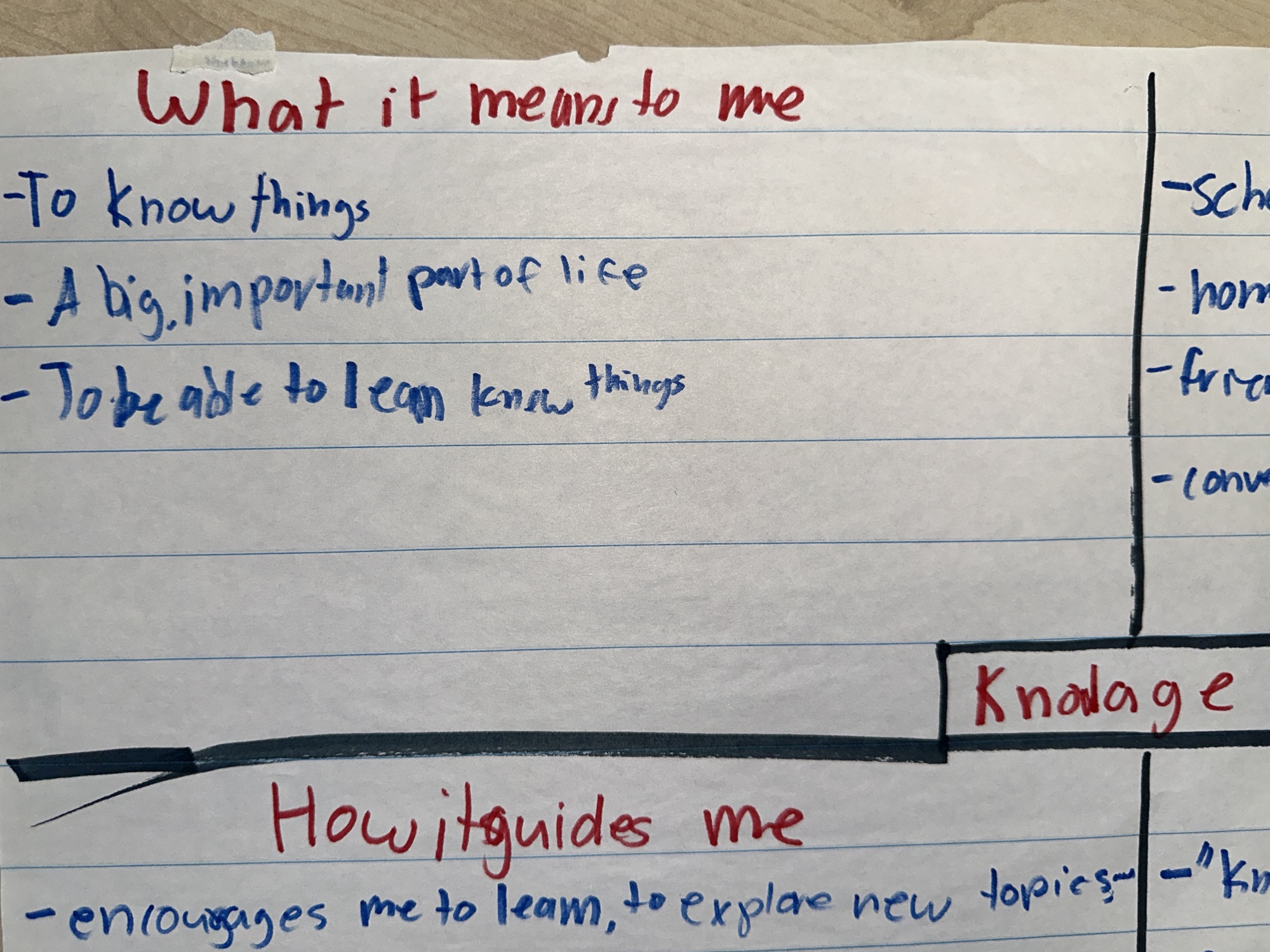
I was impressed with how thoughtful and reflective the students were, and how much wisdom and perspective they gathered from one another as they worked through this activity. A few examples:
Why it Matters
Creating complex characters requires a writer to understand how traits may show up, and in what situations. Even the attributes we see as the most positive, like honesty, can be problematic at times. And negative attributes like arrogance might serve us well from time to time. Knowing how that dynamic looks in their own lives helps students imagine it in their writing.
Furthermore, conflict with other people occurs when others value different things, or they do not honor what we value. The same holds true for fiction. Understanding this central idea at the heart of conflict allows students to tell a more character-driven story that readers can connect to.
What’s Next
There are several ways to branch out from this activity. At the end of this exercise, invite students to:
- Create a chart for their protagonist.
- Create a chart for an antagonist.
- Use the “how it guides me” section to teach character motivation.
- Jot notes about what value lies at the heart of the story’s conflict.
As for me and my students, I’m looking forward to seeing how these discoveries play out in the complexity of their writing as they continue to refine their craft.
Discover more from TWO WRITING TEACHERS
Subscribe to get the latest posts sent to your email.


