Estimated Reading Time: 3 Minutes (558 words)
Target Audience: Classroom Teachers
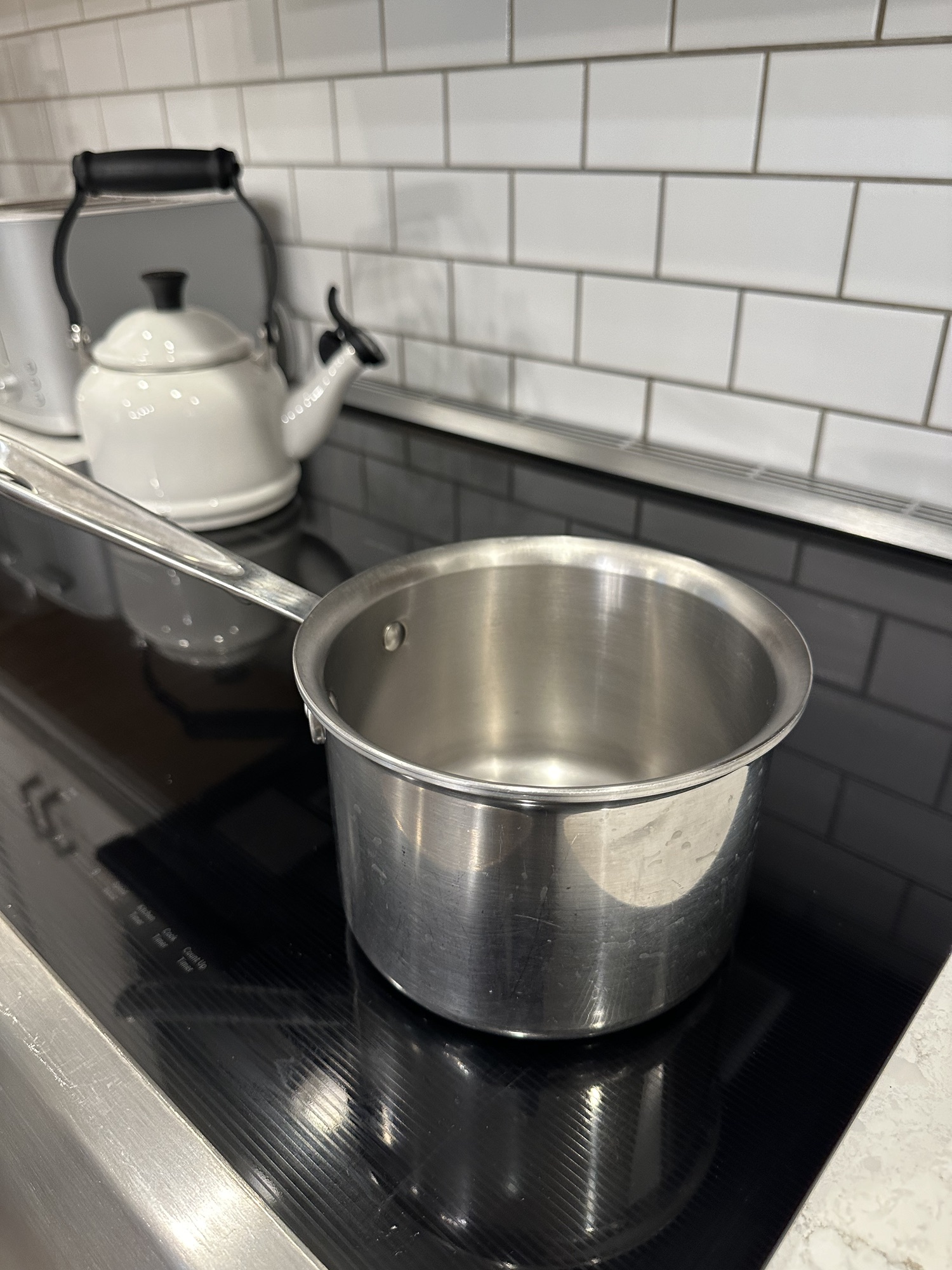
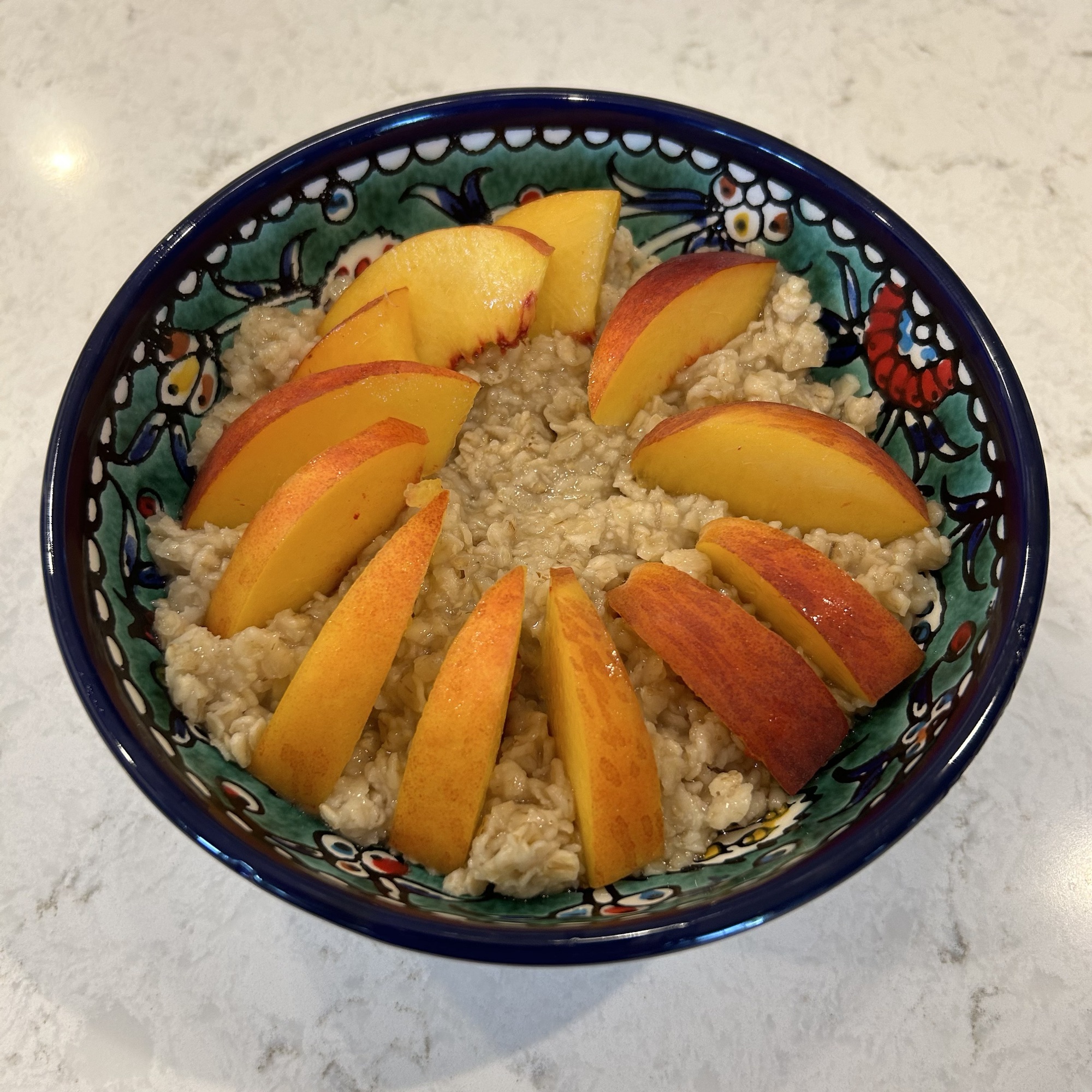
A BACKSTORY: I had surgery in early July, which left me with six weeks of restrictions that included no lifting more than ten pounds and no bending. Despite buying a grabber-reacher, I depended on my family’s help for many things. One morning, I grumbled to my husband that I could make breakfast if I didn’t have to bend down to get the oatmeal pot out of the cabinet. The following day, I walked downstairs and discovered the pot on the stove. With the simple act of putting the pot where I could reach it, I became independent in making my breakfast again.
WHY IT MATTERS: Nurturing independence in a writing workshop is crucial because it empowers students to become self-reliant, confident writers who can navigate the writing process autonomously. By fostering independence, teachers create a more productive learning environment where students take ownership of their work, allowing teachers to focus on holding meaningful conferences and delivering targeted small-group instruction.
CULTIVATING SELF-RELIANCE: In the summer of 2011, I attended a primary writing institute workshop with Kristi Mraz. She said something that stuck with me, both as a parent and as an educator. I may get a word or two wrong, but it was essentially this:
You always want to be in the business of putting yourself out of a job.
As a parenting principle, this encourages fostering independence in children by allowing them to perform tasks they can handle independently. Here are some examples:
- Carrying their backpack
- Unpacking their school bag at the end of the day
- Putting away their toys or clothes
- Making their bed
- Preparing simple snacks
As a teaching principle, this means initially demonstrating how to perform tasks and providing clear instructions. Then, we show kids how to complete activities by doing them themselves. We support them by offering assistance and guidance as children learn new skills. Independence builds gradually so that adults can reduce their support and allow kids to take on more responsibility.
THE DETAILS: In a writing workshop, there are areas where teachers can encourage independence to help elementary students develop autonomy:
Materials Management
- Maintaining a writer’s notebook or folder
- Organizing drafts and final pieces
- Accessing necessary writing resources (dictionaries, thesauruses)
Time Management
- Moving through the writing process at their own pace
- Setting personal writing goals
Workshop Routines
- Transitioning between minilessons and independent writing time
- Participating in reflection and sharing sessions
Collaboration
- Seeking peer feedback appropriately
- Requesting a peer conference
- Offering constructive criticism to classmates
Digital Writing Tools
- Using a document or a slide template for drafting and revising
- Accessing online resources for research or inspiration
Planning and Brainstorming
- Generating ideas independently using collecting techniques
- Choosing their writing topics within given genres
- Deciding on the purpose and audience for their writing
Drafting
- Writing independently for extended periods
- Selecting appropriate writing tools (e.g., pencils, pens, devices)
- Managing time during independent writing time
Revising and Editing
- Self-editing for basic grammar and punctuation
- Peer editing with classmates
- Using editing checklists meaningfully
OF NOTE: All of the above mentioned things can be taught during the first six weeks of school through interactive modeling, guided discovery, demonstration, or coaching. The method you choose is up to you!
WHAT’S NEXT: Consider your students and decide on a focus (e.g., creating an accessible writing environment, establishing clear routines and expectations, or encouraging self-assessment) so you can begin helping your students take steps towards greater independence.
GO DEEPER: Read through the posts from our “Nurturing Independence From the Start Blog Series,” which we published in 2019.
Discover more from TWO WRITING TEACHERS
Subscribe to get the latest posts sent to your email.


This is great advice! I am sharing with parents and teachers alike. Thank you!
LikeLike
My pleasure!
I hope your school year is off to a wonderful start, Joanne.
LikeLike