Estimated Reading Time: 2 minutes (429 words)
Primary Audience: Literacy Coaches
At the beginning of this year, my coaching partner and I made a bold decision. This year, we declared, we would get back to real coaching!
How We Got Here: When the pandemic started, my coaching partners and I began filling many other needed roles within our school, and true coaching cycles fell by the wayside. A quick skim of recent articles about coaching confirmed that this has been true for many coaches across the U.S. as well.
As a Coach, I have always worn many hats. I think of my job in terms of the buckets of work I do, like staff professional development, individualized coaching, planning support, consultation, and curriculum/materials development. But I know, and research continually shows, that individualized coaching is the most effective form of professional development that teachers experience. Now, more than ever, our students need the most effective teachers they can get. So this fall I have brushed off my favorite coaching books and dug up the myriad of templates and forms I used to use on a regular basis when I spent the majority of my time in coaching cycles with teachers. Whether you are new to coaching or trying to get back to it like I am, I hope these resources will help you out.
Favorite coaching books:
- Get Some GUTS, Coach! by Jill Jackson
- Student Centered Coaching by Diane Sweeney
- The Art of Coaching, The Art of Coaching Teams, and Coaching for Equity by Elena Aguilar
- The Feedback Process by Joellen Killion
- Better Conversations by Jim Knight
*Note, these books were all written before the pandemic, but rereading their pages I’m affirmed that they are still relevant to being a literacy coach today.


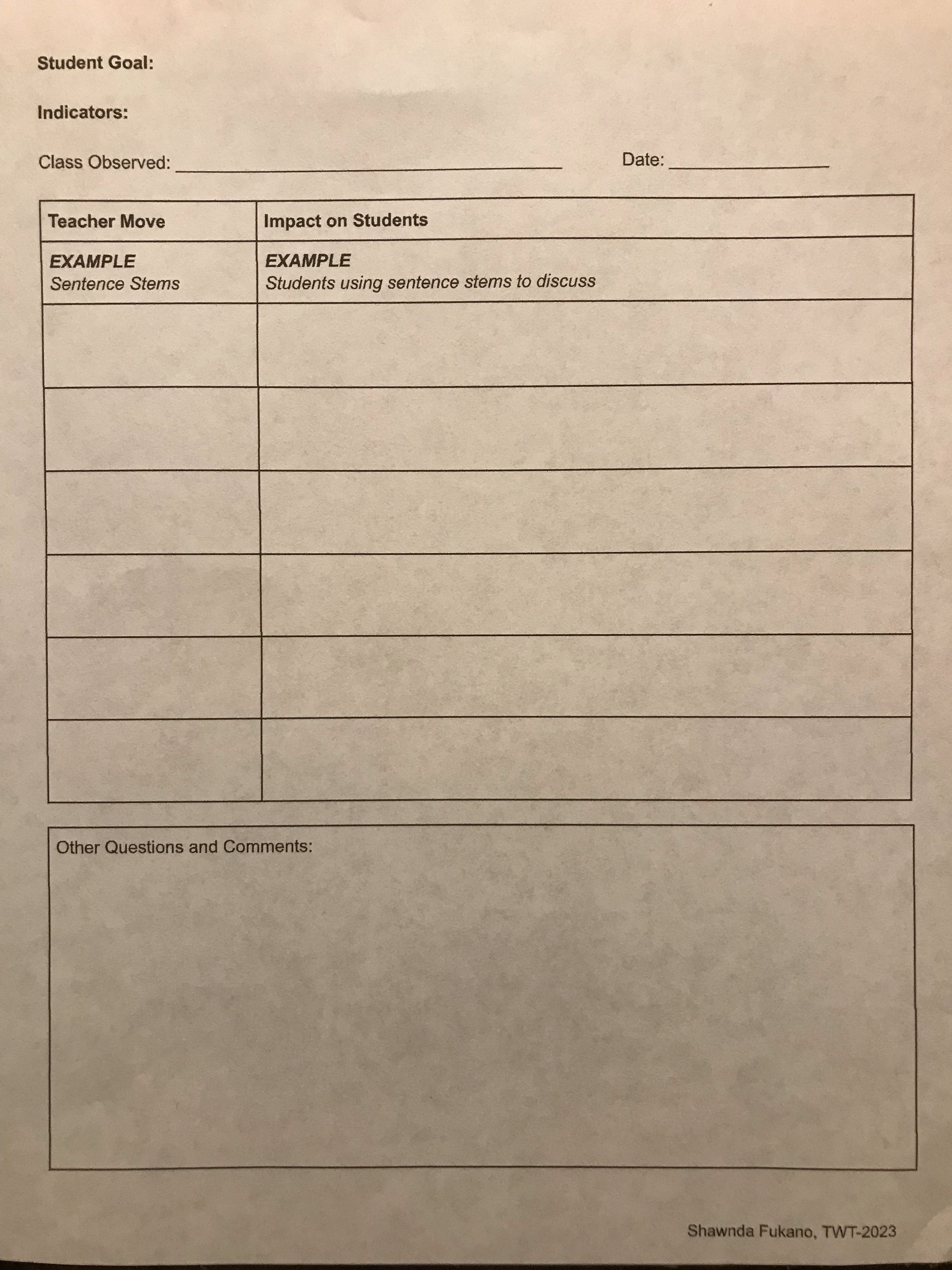
Favorite coaching templates:
- Coaching Log (to keep track of what teachers I have worked and make sure I’m not missing anyone)
- Coaching Cycle Plan/Notes (for modeling)
- Coaching Cycle Plan/Notes (for observation)
- Classroom Observation Notes (to use when taking a teacher to observe another teacher)
- Student Centered Coaching Cycle Template
- Observational Data Template (to gather evidence of teacher impact on student learning)
The Bottom Line: We make time for our priorities. Coaching is now the priority in my schedule, and it feels so good to be back in the game. At the end of a coaching cycle, I am always energized by the growth in the teacher’s practice and the resulting impact on student success. For more ideas, check out the article How to make coaching cycles the center of instructional coaching work.
What are your favorite coaching books? Do you have a favorite coaching template you use? Share them in the comments so we can all get back to the heart of coaching again!
Discover more from TWO WRITING TEACHERS
Subscribe to get the latest posts sent to your email.


