Estimated Reading Time: 4 minutes, 24 seconds (883 words)
Primary Audience: PreK-5 Teachers
The Context
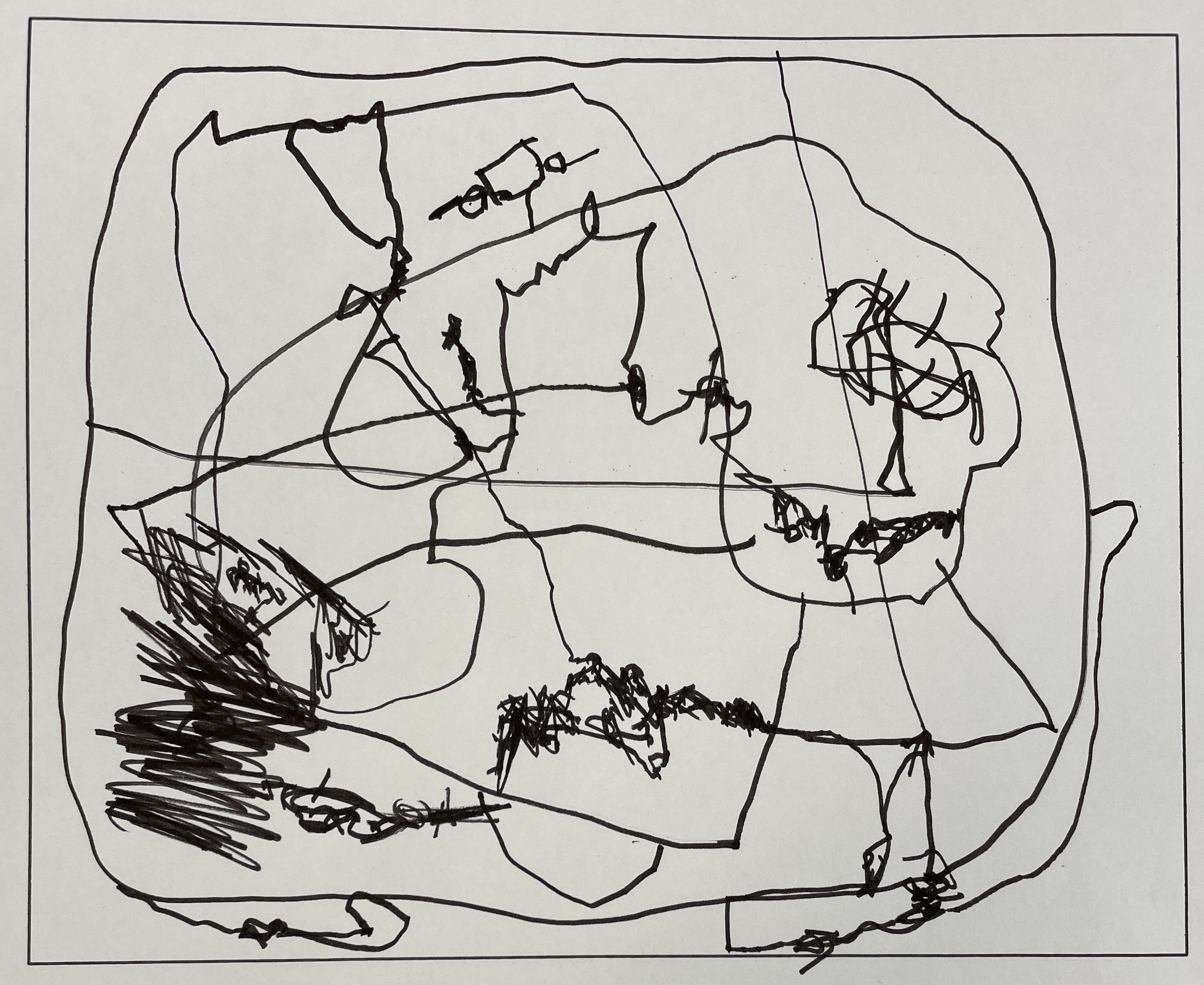
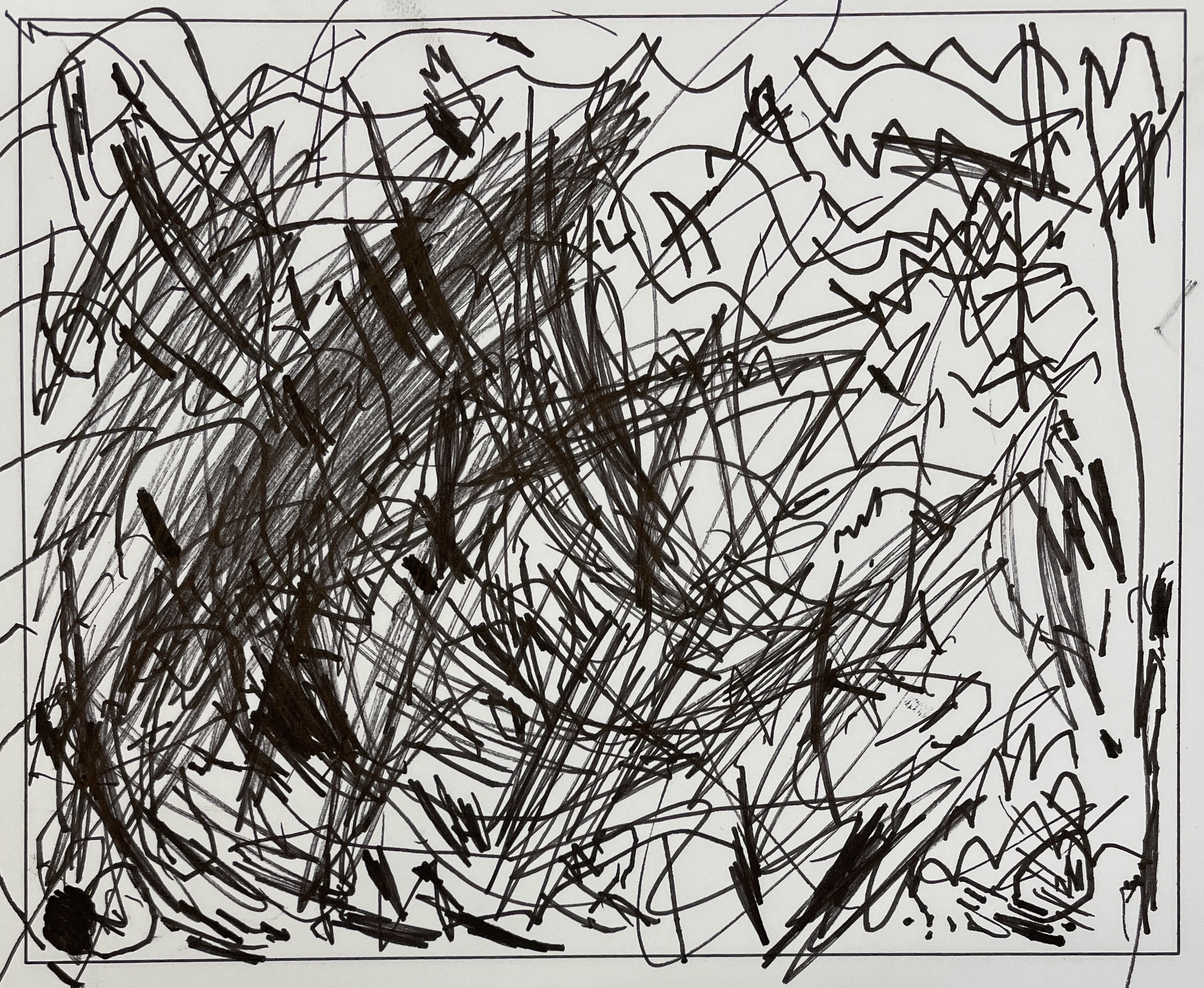
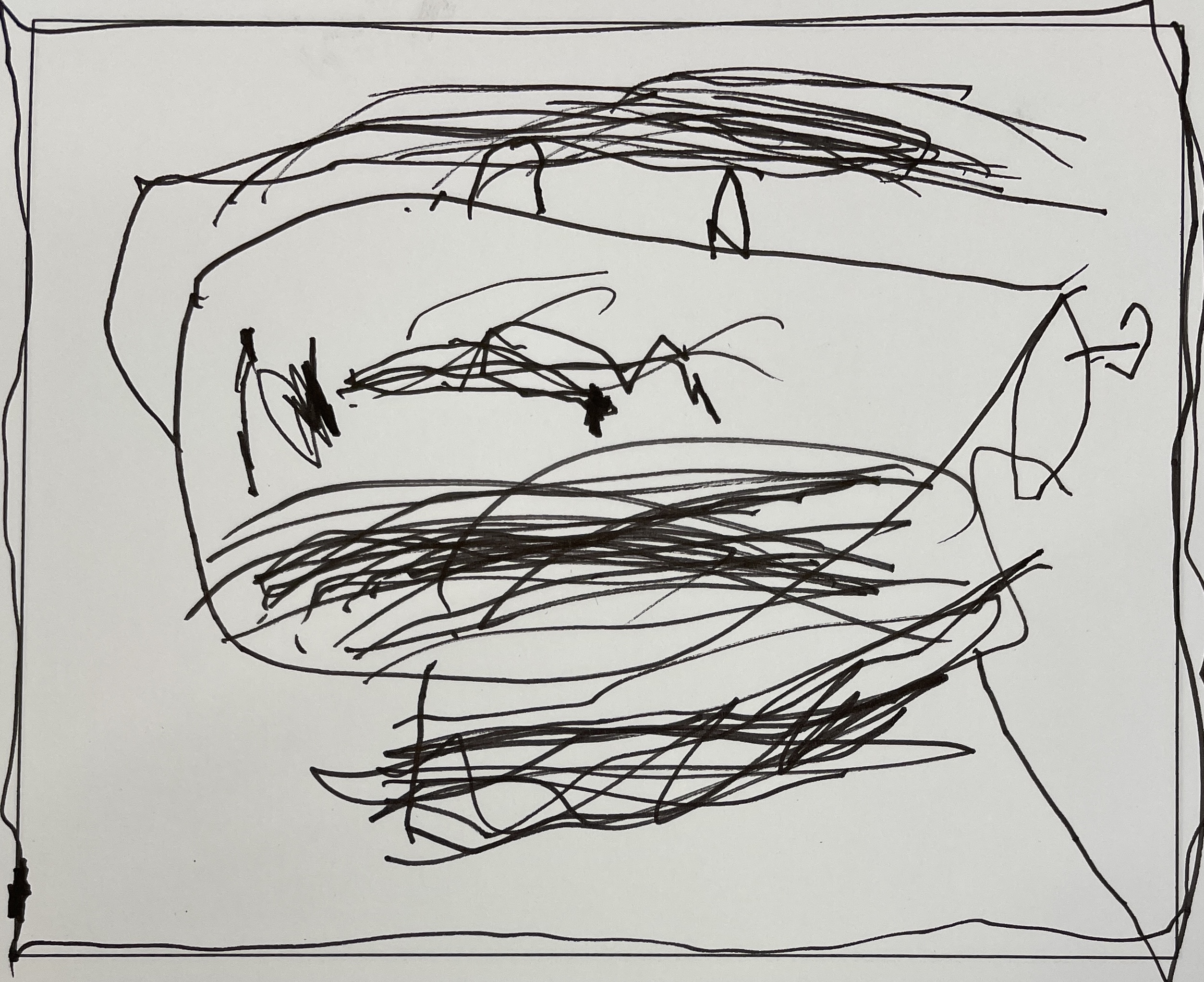
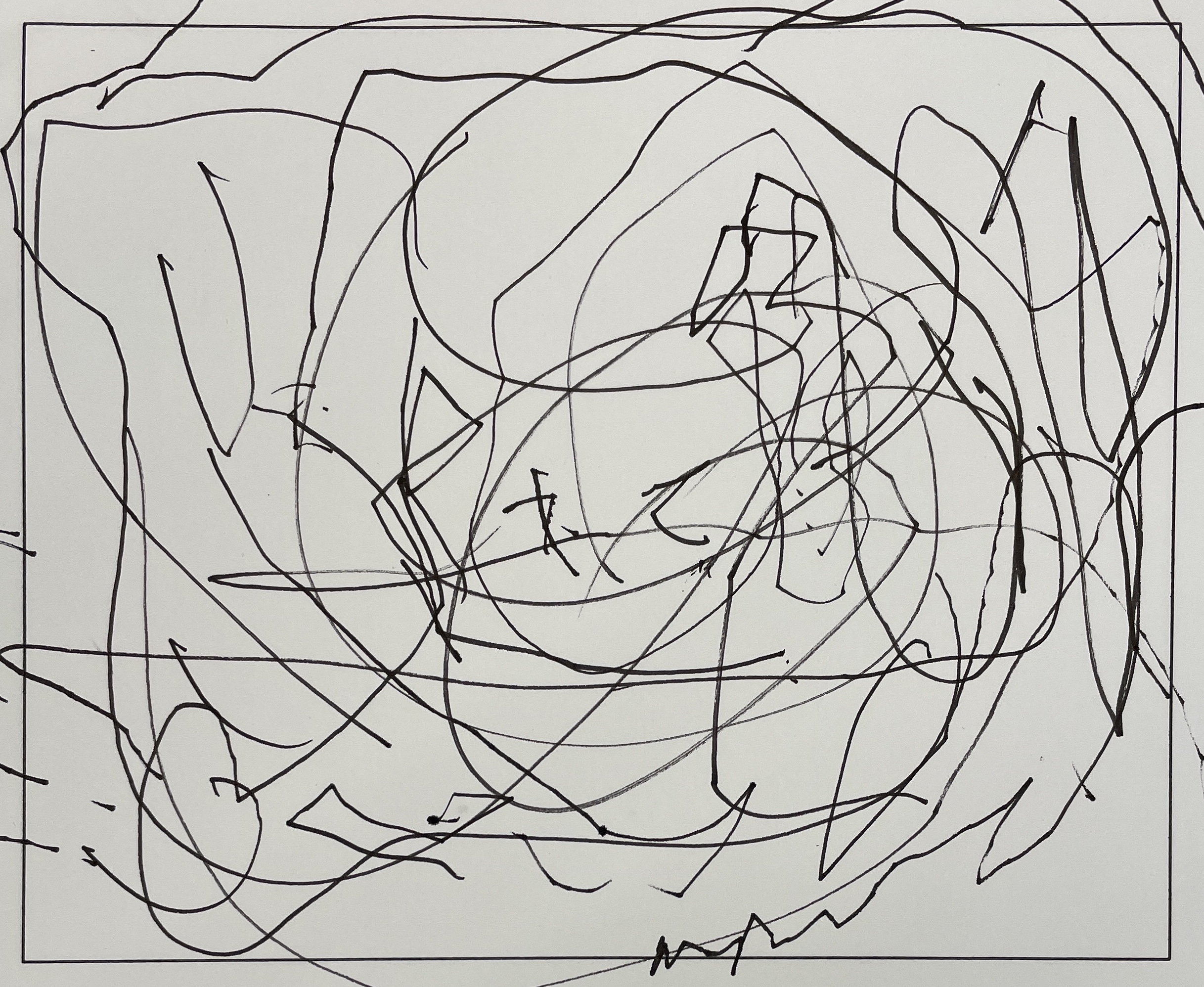
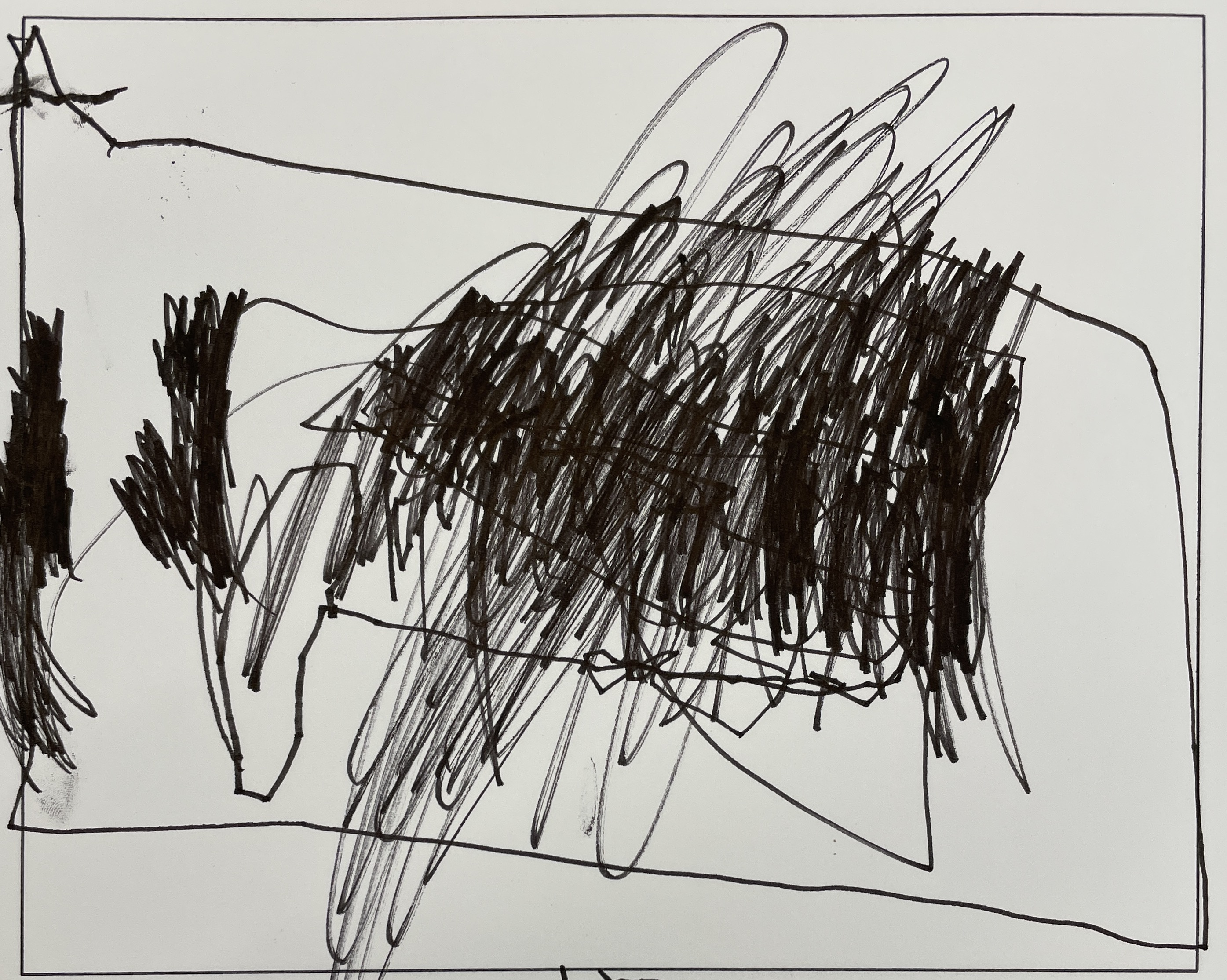
It was 10:30am on a mid-October Tuesday in my pre-k classroom. Six children sat in tiny chairs around a low rectangular table. With felt-tip pens in hand, they began to draw independently in their journals. Their excitement was palpable as they got to work. Hands moved energetically across pages to create lines, scribbles, shapes, and a few simple representational images. Some knew exactly what they wanted to draw while others began with one idea that turned into another–the flexible brain at work! Still others became discouraged by not (yet) knowing how to draw the things they envisioned in their mind’s eye, and I had to coax them to push through their discomfort.
Before sending them off to do this work, I had modeled telling a story about a time when I took my daughter to the playground and watched her go down the slide. I drew a quick sketch using basic shapes and lines that represented the slide, my daughter, and me. Then I told the story again, “One day I took my daughter to the playground. She slid down the slide and I watched her from below.” I gave a few simple parameters: they would use a felt-tip pen to draw, the drawing would go in the big empty box at the top of the page, and their dictated words would go on the lines beneath.
As a Teacher
I watched and observed as my students got to work. Sometimes I spoke to them or asked them questions as they drew, but I tried to let them concentrate and not feel pressure to engage with me. Some children really did not want to share anything until they were done while others were happy to chat my ear off and explain all the different parts of their picture. I relished the opportunity to finally learn what the lines, forms, scribbles, shapes, and dots all meant as I eagerly awaited my signal, “I’m ready for you to write my words!”
As they told me what to write, I heard several different storytelling approaches. For some, they were actually crafting their ideas in real time. The drawing had purpose for them but the story truly emerged upon speaking it aloud. For others, their ideas seemed clearly planned, as though they were already written on the page. And yet for others, they started with one idea and then changed it several times along the way–editing as they spoke. No matter how it came out, each student managed to say something poignant.
The language they used varied greatly. I heard storytelling language like, “Once there was a…” as well as lists, descriptions, and labels: “This is a… This is a…” There were stylistic attempts at dialogue and repetition, as well as the insertion of problem / solution, moral and ethical dilemmas, and human truths. Some intense themes emerged around danger, death, catastrophe, rescue, and bravery. And all of this from children who are just four years old!
I would like to take this opportunity to share some of this beginning of the year work that my pre-k students made recently. I share it because I think it’s interesting and beautiful, but also because I want to let you marvel at what writing can be for our youngest writers.

What’s Next
I have much to consider as I continue on this pre-k writing journey. I’m excited for what’s to come and have already started to think about things I might try or change in the future. For example, I will soon start offering multi-page books as an alternative to the single page format. I want to see how they use them to develop stories or ideas across multiple pages. I will consider implementing some partner work so they can share more frequently with one another and learn how to ask questions and receive feedback. And finally (there will certainly be more ideas, I’m sure), I will use mentor texts that children can access as they deepen and expand upon their stories and ideas through developmentally appropriate scaffolds.
Discover more from TWO WRITING TEACHERS
Subscribe to get the latest posts sent to your email.


I remember writing my first stories as a kid by drawing the pictures and having my mother fill in the words. Good to see this method is still encouraging kids to tell stories.
LikeLiked by 1 person
My grandson started pre-k this fall and I’m amazed at his imagination. He has stories to tell. He usually tells them while he is drawing. Now I will write down the story as he tells it. Do you find this helps them with reading? It seems early for that. Perhaps watching you write what they say helps them understand the connection of letters to words to stories.
LikeLiked by 1 person
Yes, I think at this point it’s less related to reading and more connected to showing them that their words are important and can be written down. As children become more aware of letters and sounds, there could be opportunities to teach into that, but only after the story is written down so as not to disrupt the flow of the storyteller.
LikeLiked by 1 person
You’ve captured the joy of teaching writing and it’s at every age.
LikeLiked by 1 person