Estimated Reading Time: 4 minutes, 15 seconds (852 words)
Primary Audience: PreK-5 Teachers
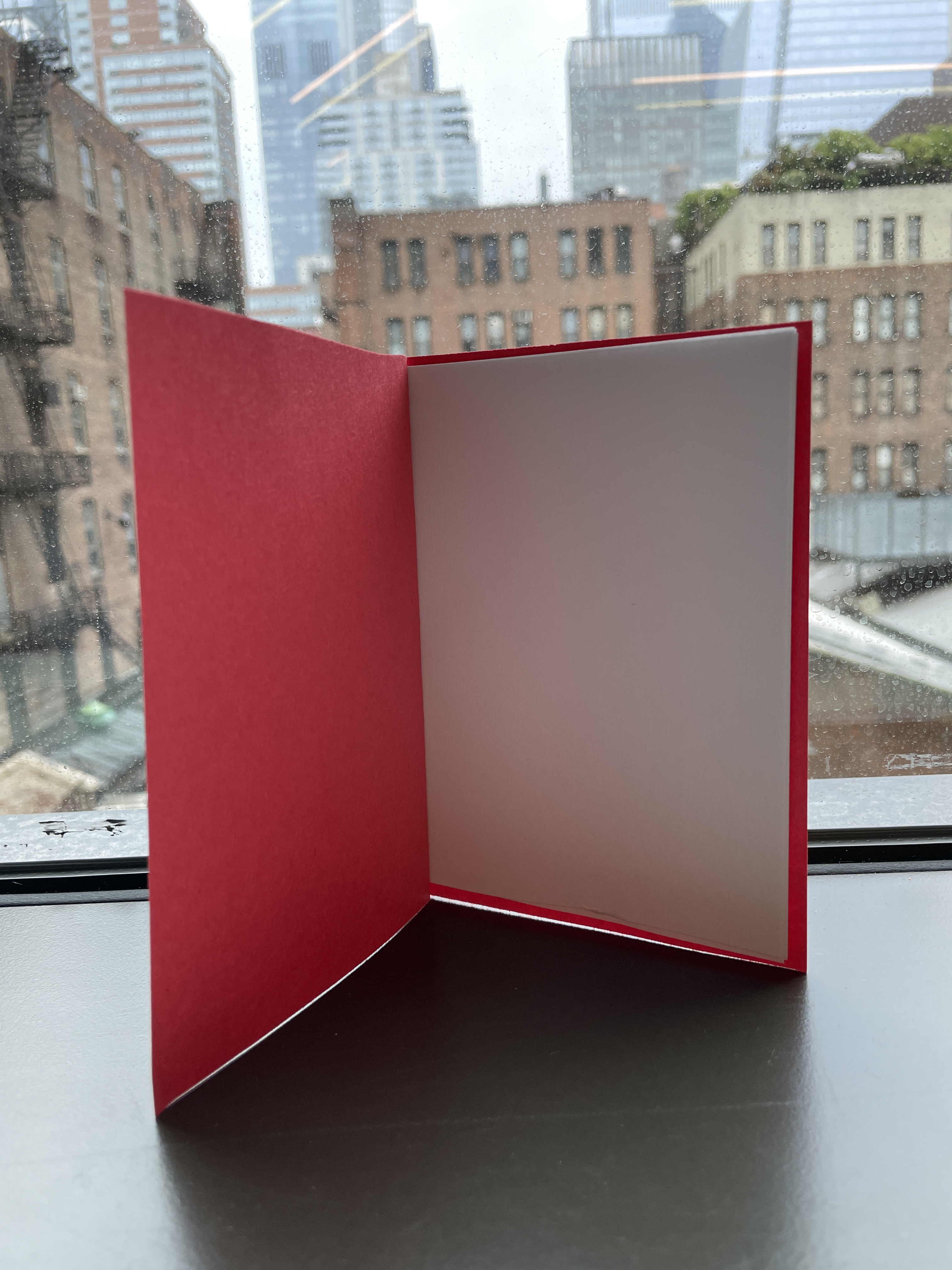
Blank Book
A simply made and unencumbered book consisting of a cover and several blank pages, typically folded and stapled along one edge.
The Context
When I was in the first grade, my teacher said to me, “It’s time you learned how to spell the word, because.” She wrote it down on a piece of scrap paper and handed it to me so that I could keep it in my desk for future reference. I must have been misspelling this word frequently enough to elicit this kind of intervention. I probably practiced writing it a few times before I had it proudly memorized, and I took it as a compliment that she entrusted me with the correct spelling of such a long and important word.
That this is the most memorable piece of writing feedback I received from any teacher during my entire elementary school education is as shocking as it is disappointing. What was I even learning about as a student of writing? I truly have no idea. I remember doing generic book reports and struggling to write “summaries,” but not much else. I’m certain that I never published a book or was given the opportunity to connect to my teachers and feel known to them through or celebrated for my writing.
The good news is, to this day, I still know how to spell because. I also know how to spell barometer, intrepid, and refrigerator among other multisyllabic words. (Just kidding, I still don’t know how to spell refrigerator). Spelling and encoding are incredibly important for all the reasons and more outlined so succinctly in Jessica Carey’s recent post, A Close Look at Encoding: Reflective Practice. But as you know, if we’re going to teach writing to young learners, we also have to be interested in the ideas that our students present to us and receptive to receiving their work for what it is: the good, the bad, and the ugly. We have to leave a memorable and impressionable impact on our students by truly connecting with them as writers who are on a unique journey.
As a Teacher
I really love setting out blank books for my students during more open ended times of the day, such as arrival activities or play centers. I cherish opportunities to watch them make books about anything they want and use the pages in whatever ways they like. I find that this format works very well in an early childhood setting in which students are dictating their words to me. In its simplicity, the blank book is inviting, unassuming, and forgiving. It is a blank slate.
Just recently in my pre-k classroom, a student made one such book. On each page he drew a nondescript scribbly form. When I asked him if he wanted me to write down his words, his eyes lit up. “What does it say on this page?” I asked him. “Dear Sloth, ” he said. “And the next page?” “Dear Tiger,” “And the next?” “Dear Narwhal,” and so on. When he was finished writing “Dear _______,” to a few more animals, I asked him if I could read it to the class when we gathered back together. As I read his book aloud, the children were absolutely captivated as they listened intently to this simple poem of a book. I hope he will remember this moment for a long time to come.
Just as we might ask our students to complete the prompt, “I’m the kind of writer who…” we can turn the lens back on ourselves with, “I’m the kind of writing teacher who…”
Am I the kind of writing teacher who acts as a blank book for my students? Do I welcome their work with open arms? Do I look for what my students are doing well before I zone in on what they need to work on? Do I value the whimsical and oftentimes nonsensical ways in which children (especially young children) write as they make sense of themselves and the world around them? Do I find beauty in the language that children use and the linguistic risks that they take? Do I make time and space for my students to share their writing with me and with each other? Do my students know that I know them as writers and that I can pick their writing out in a crowd? Do my students feel like they can come to me with any writing they’ve done and feel proud and excited to share because they know I will value and accept it no matter what?
One Thing to Remember
I say all of this because I wish that my elementary school teachers had instilled these values in me as a kid writer. Be a blank book for your students of writing. Be the kind of teacher who makes connections to children through and about their writing. Leave them with positive memories of receiving meaningful feedback and showing them authentic interest in their work. Help them feel grounded by and through their writing as a form of self-expression. Listen intently to and hold space for your students as they share their pictures, words, sentences, and stories with you.
Discover more from TWO WRITING TEACHERS
Subscribe to get the latest posts sent to your email.


This is so powerful! “I’m the kind of writing teacher who…” Thanks for this inspiration today!
LikeLiked by 1 person