Estimated Reading Time: 3 minutes, 11 seconds. Contains 638 words.
Primary Audience: 3-8 Classroom Teachers; Secondary Audience: Literacy Coaches

The Context: A couple of weeks ago, I noticed something concerning in some upper elementary student writing samples. Several of the pieces shifted back and forth using first and second person and second and third person. This situation raised a red flag for me since consistency in point of view helps to maintain the narrative flow and avoid confusion or disorientation for the readers. I could not fully immerse myself in the writing since the point of view kept shifting.
Why It Matters: Using a consistent point of view in a story helps readers connect with the narrative, understand the characters, and maintain a smooth reading experience.
Catch Up Quick: How a story is written depends on who is telling it and their connection to the characters. In the first person, the narrator is a character in the story sharing their perspective. In the third person, the narrator is like an invisible observer, and the characters don’t know the narrator is there. The second person is less common; the reader becomes part of the story, and the narrator talks about what the reader does and thinks using the word “you.”
Many young writers mistakenly switch from the second-person point of view to the first or third-person. Some students want to talk directly to their readers, involving them in the piece. However, they need to learn how to do it well.
Yes, But: Stories and novels written in the second person, where the narrator uses “you” to talk to the reader, are not as familiar as stories told from the perspective of a character (first person) or an observer (third person). Therefore, I’ve compiled a small group of picture books you can use as mentor texts for teaching students how to address their readers in the second person and do it well!
Examples in Action:
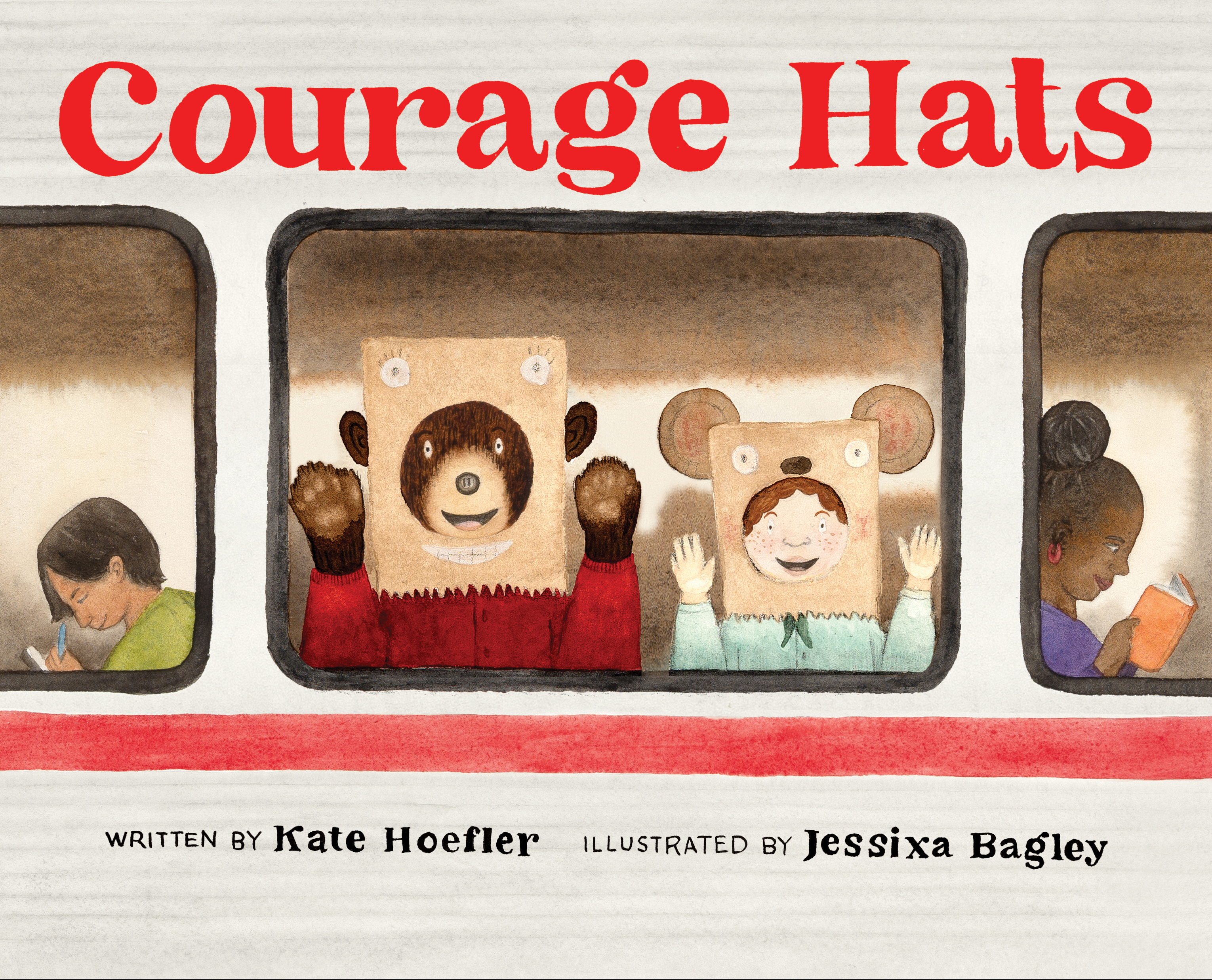
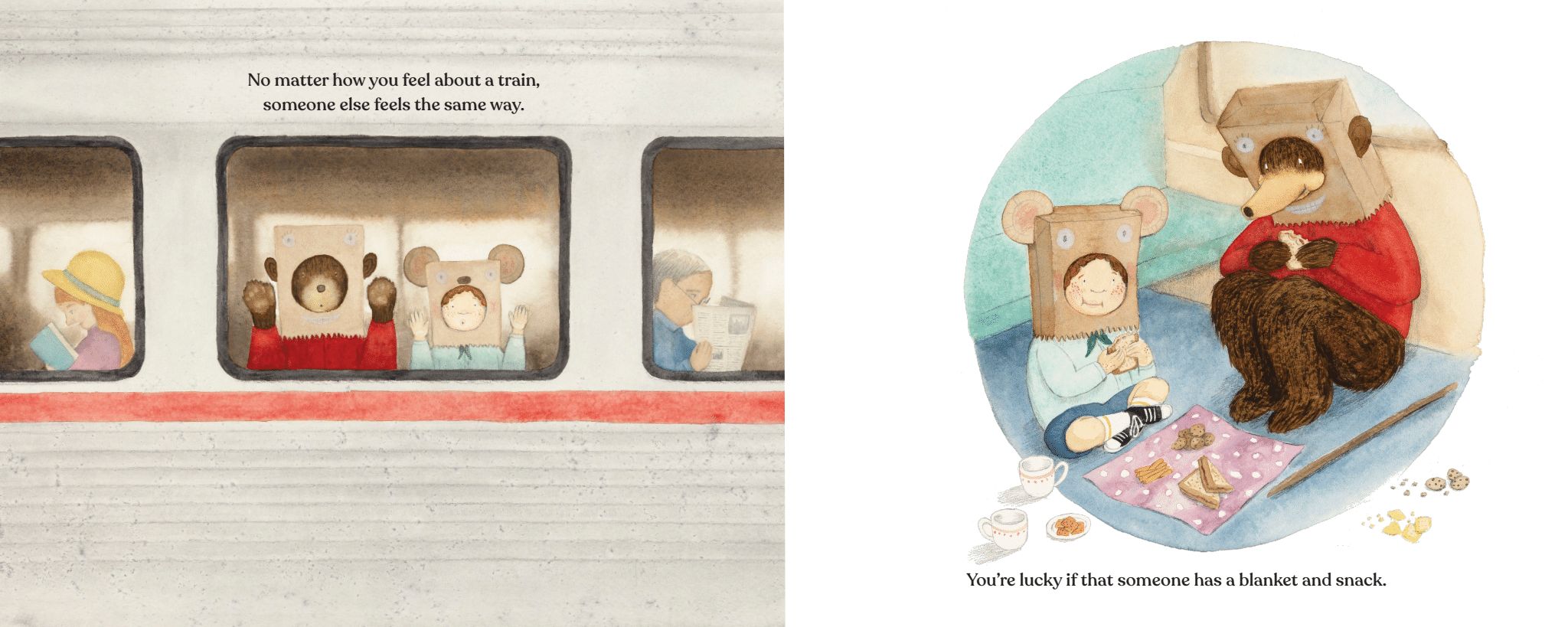
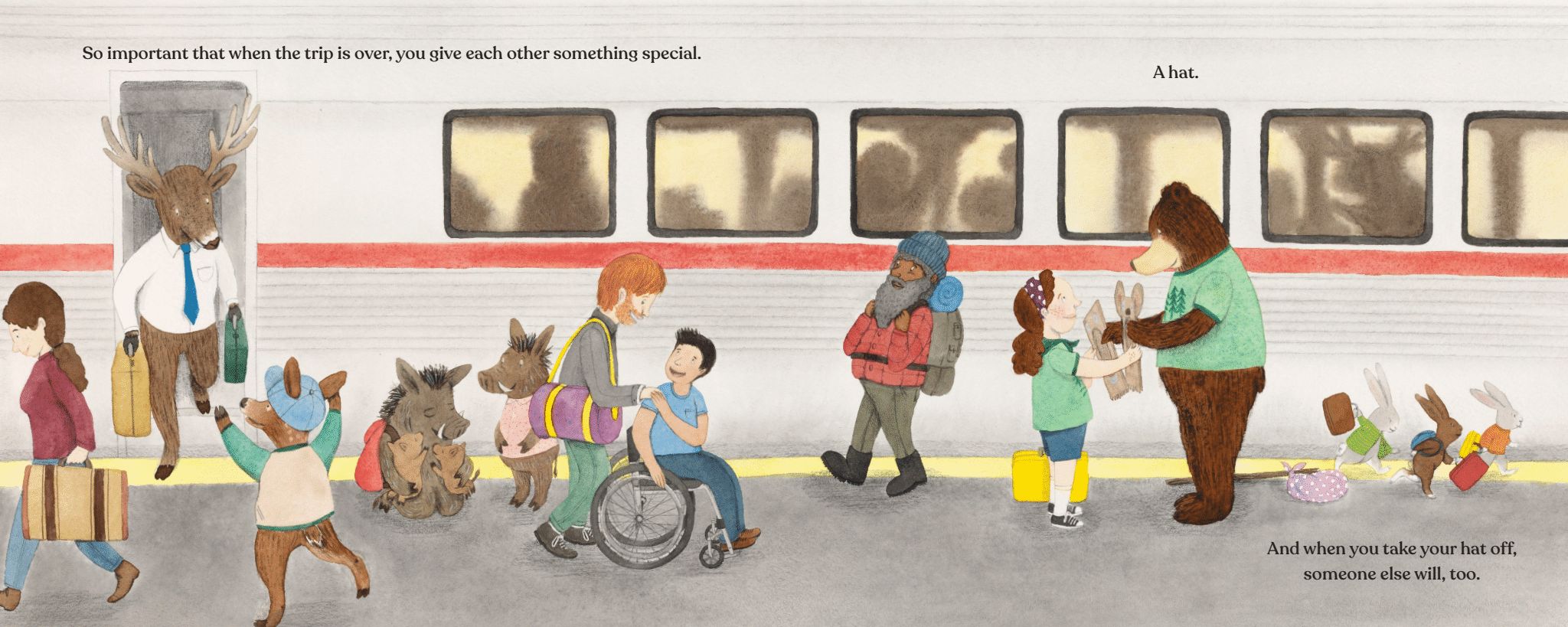
Courage Hats by Kate Hoefler and Jessixa Bagley (Chronicle Books, 2022)

Heart String by Brooke Boynton-Hughes (Chronicle Books, 2022)
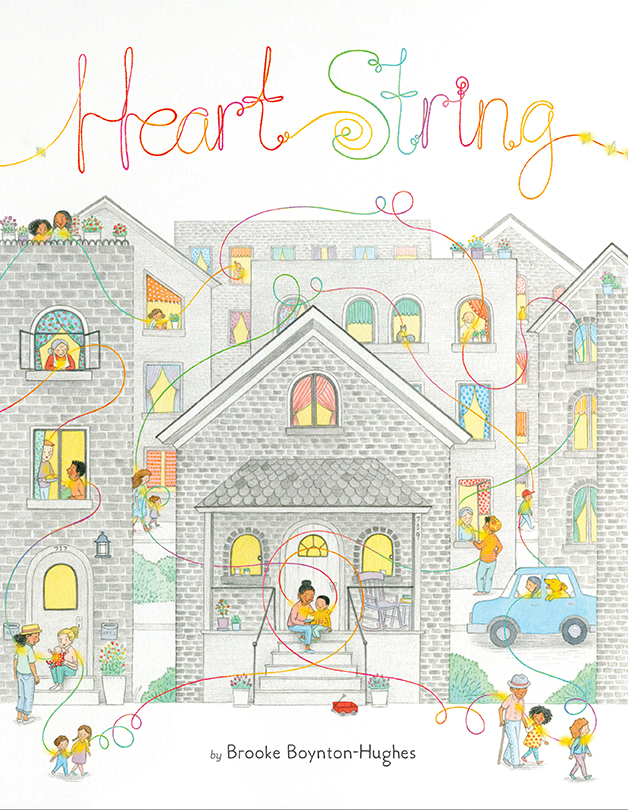

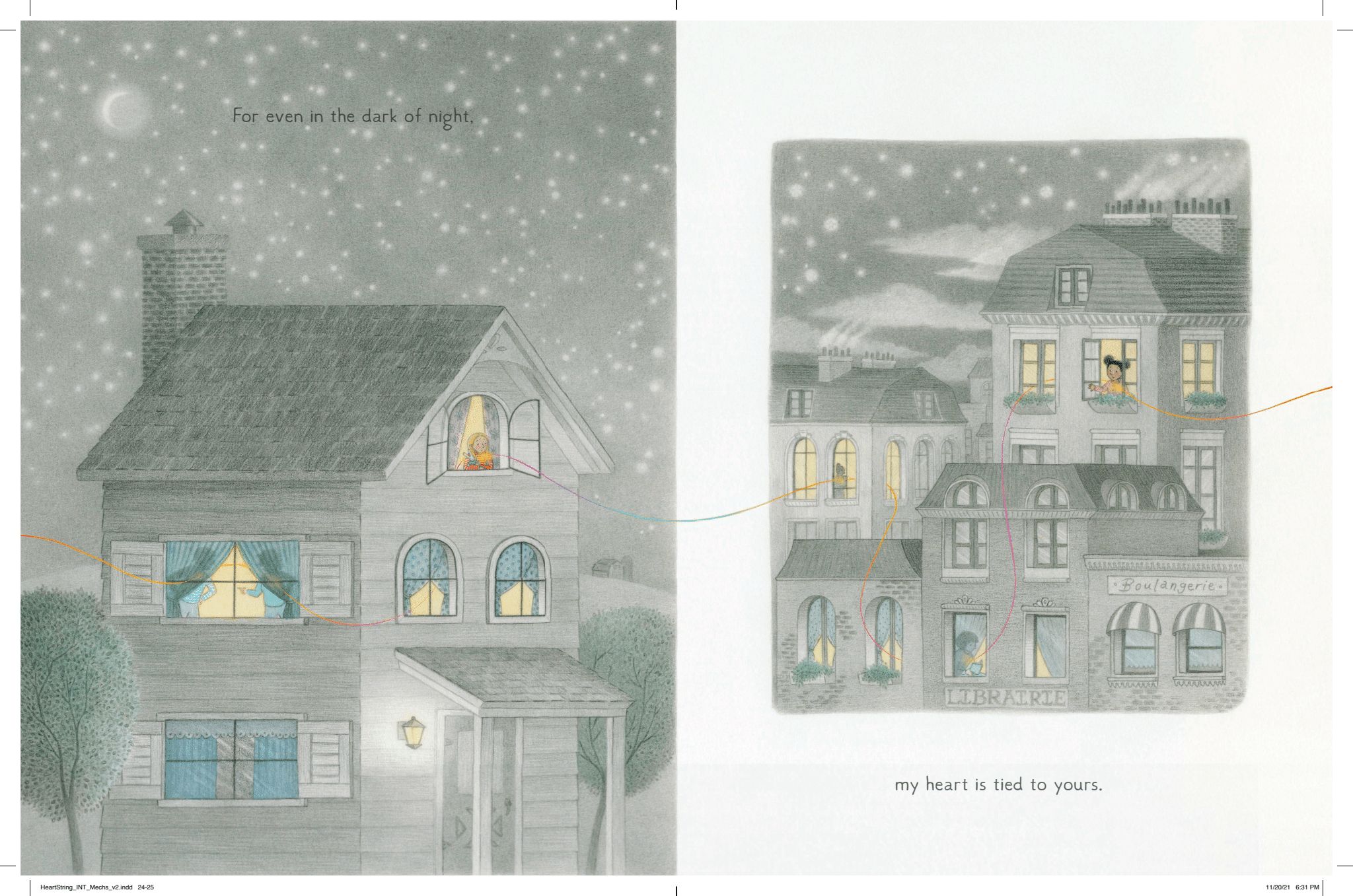

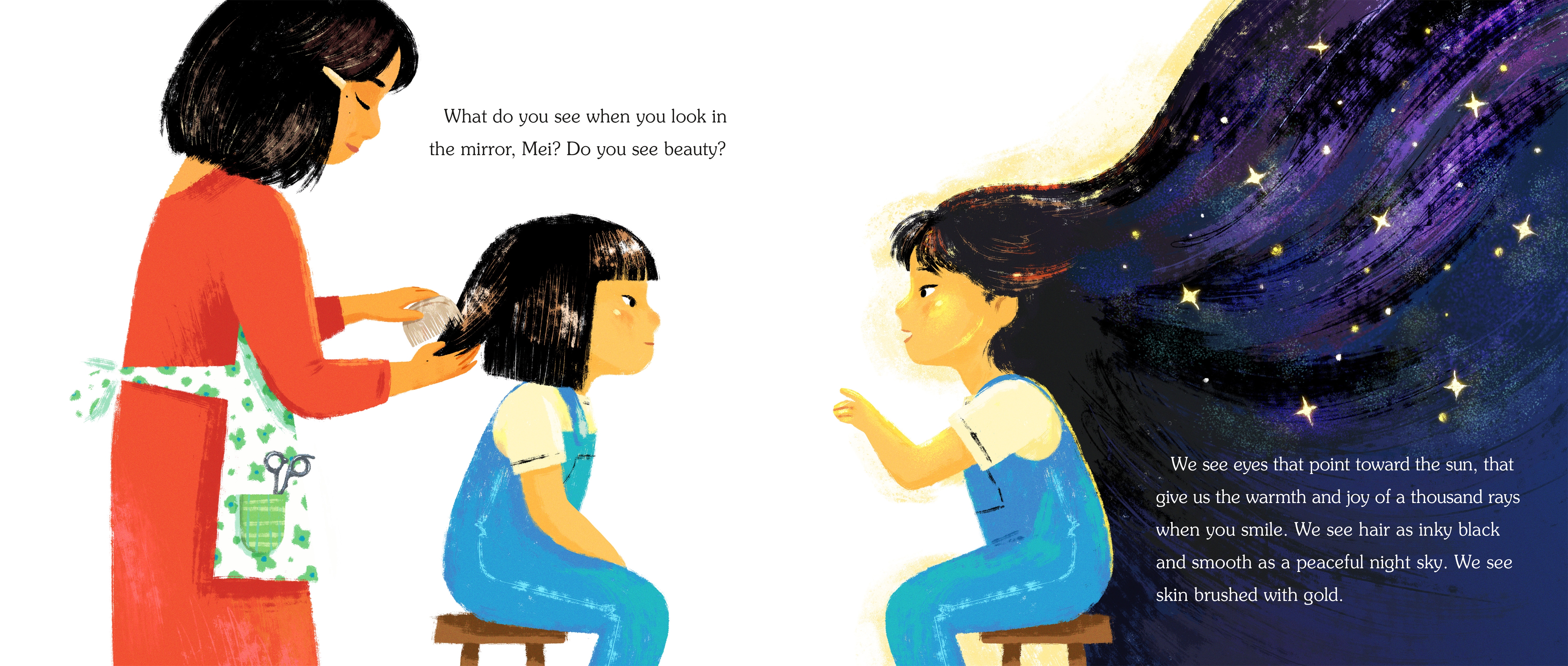
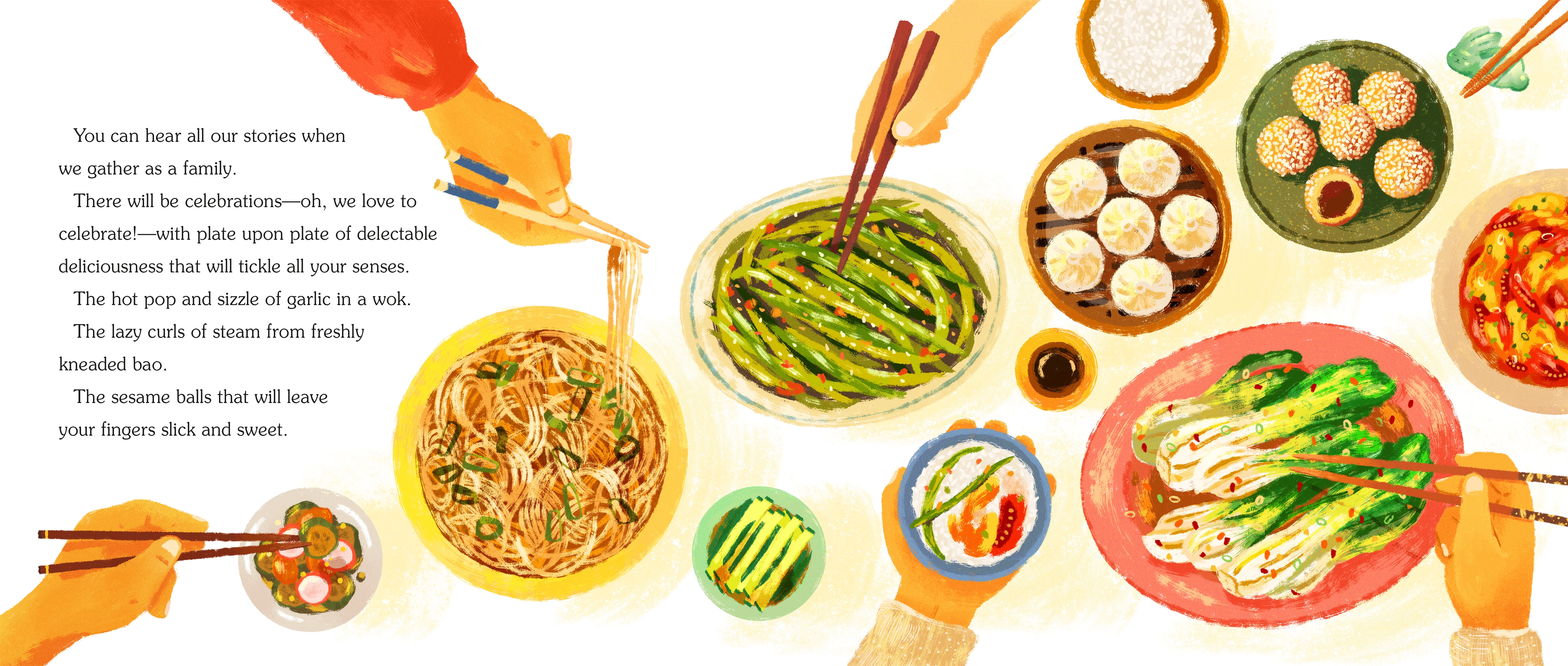
I Am Golden by Eva Chen and Sophie Diao (Feiwel and Friends, 2022)

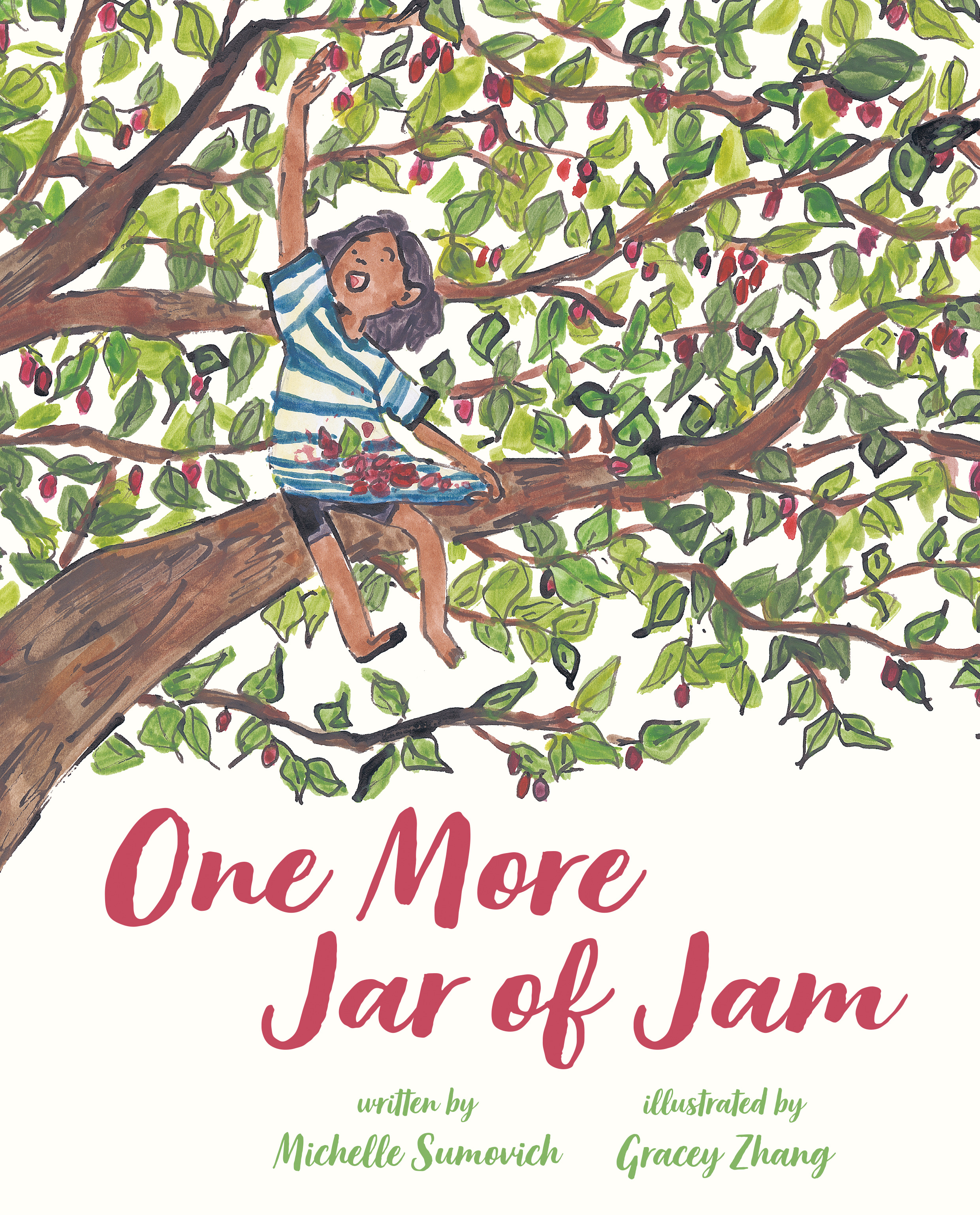
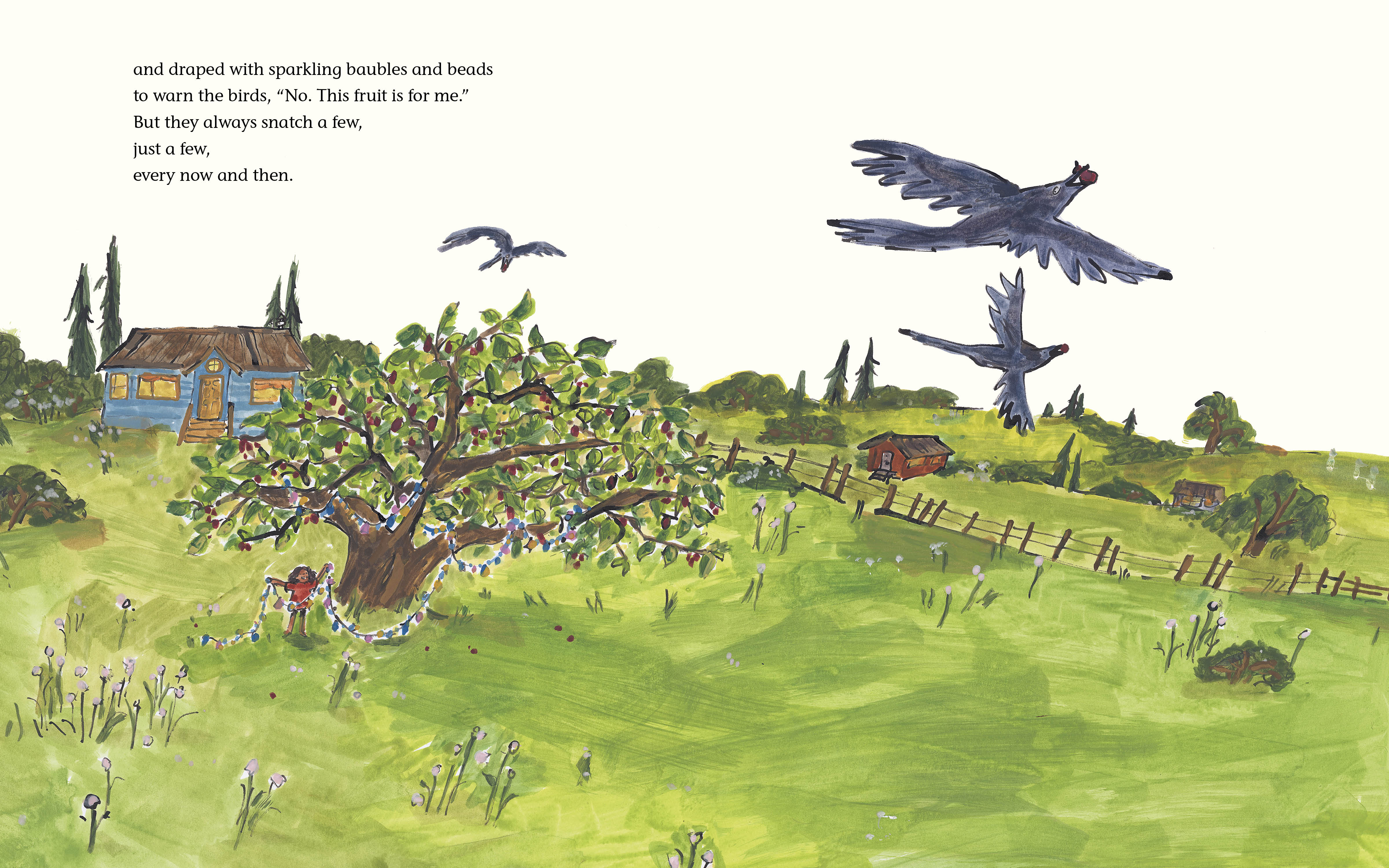
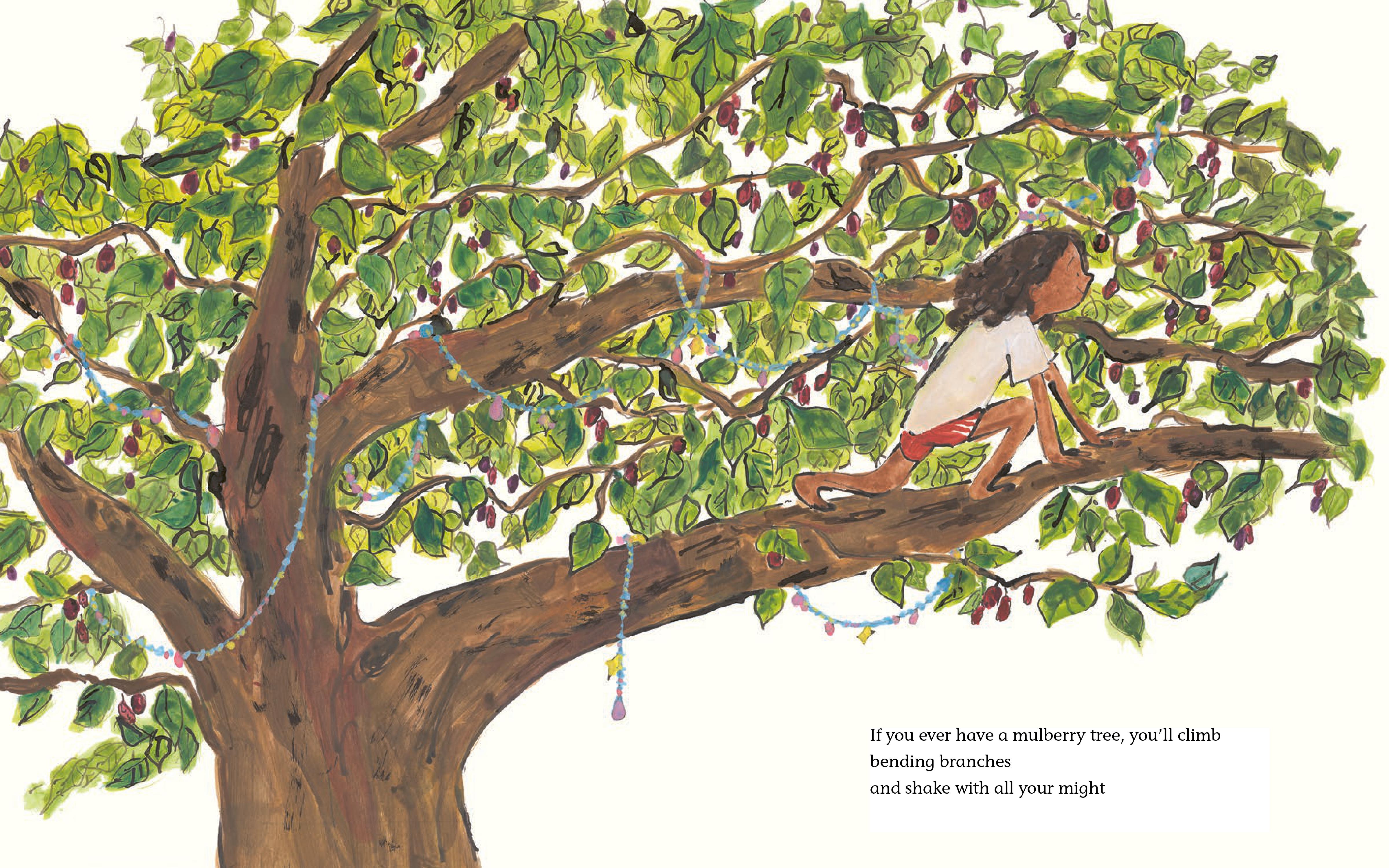
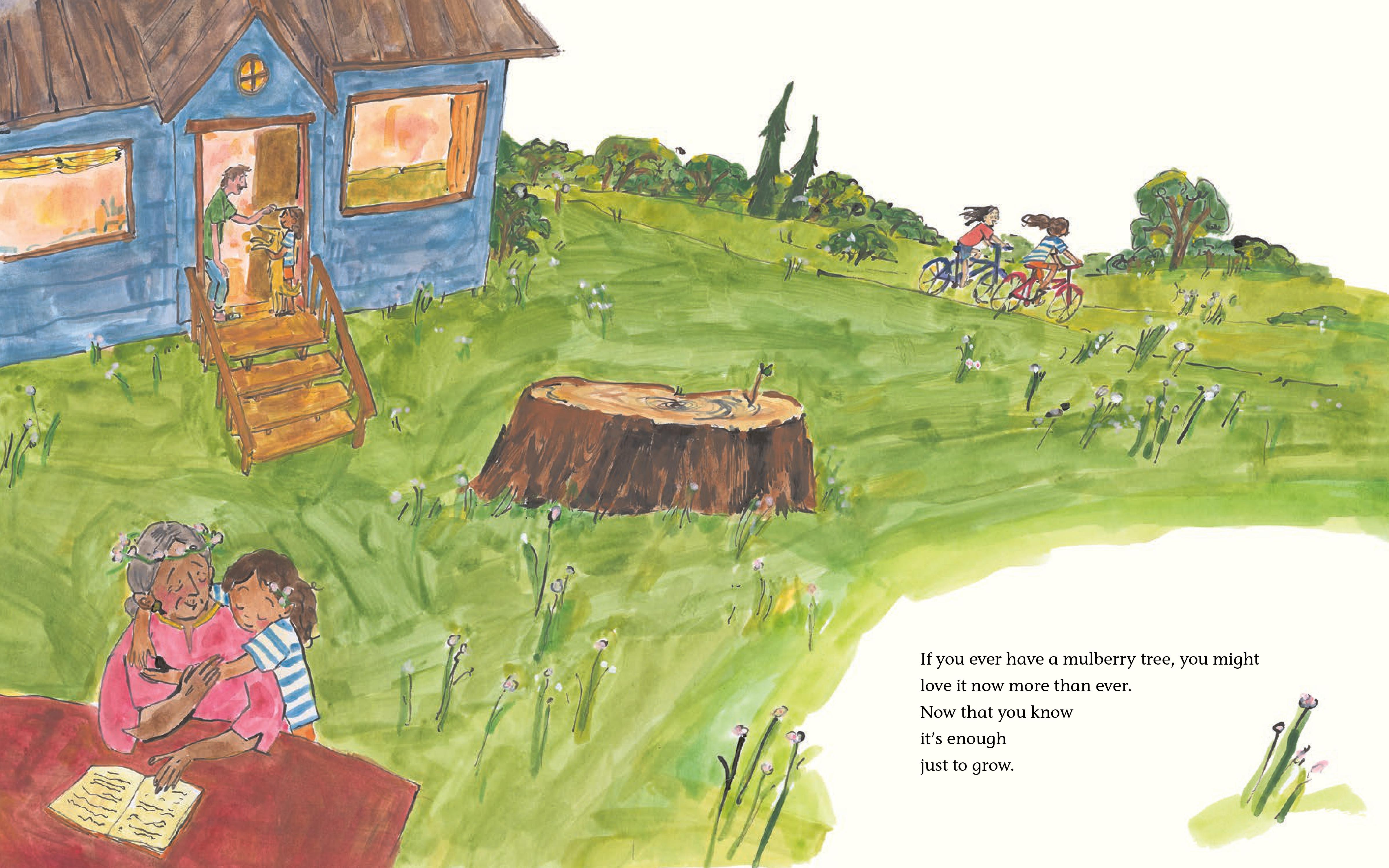
One More Jar of Jam by Michelle Sumovich and Gracey Zhang (Dial Books for Young Readers, 2023)
The Bottom Line: Using a consistent point of view in a story is essential for maintaining flow, avoiding confusion, and helping readers connect with the narrative, and young writers can benefit from learning how to address readers in the second person effectively.
Giveaway Information: I would love to hear your thoughts about how you teach the second-person point of view in the writing workshop. There’s a book giveaway for those who share comments!
You can win a copy of COURAGE HATS, HEART STRING, I AM GOLDEN, and ONE MORE JAR OF JAM. These books were donated by Chronicle Books, Feiwel and Friends, and Dial Books for Young Readers. To enter the giveaway, leave a comment about this post by Tuesday, September 12 at 12:00 p.m. EDT. The winner will be selected by me, using a random number generator, and announced at the bottom of the post by Thursday, September 14. You must have a U.S. mailing address and provide a valid e-mail address when you post your comment. If you win, I will email you for your mailing address. You must respond within five days, or a new winner will be chosen.
Comments are now closed on this post.
Congratulations to Stephanie Lowin — whose commenter number was chosen using a random number generator — on winning these fantastic books!
Discover more from TWO WRITING TEACHERS
Subscribe to get the latest posts sent to your email.


These look like beautiful books. As a para librarian for an inner city Title 1 school with a budget of zero dollars I work hard to get new books for my library. These books are ideal to teach POV!
LikeLike
Thank you for the consistent daily bits of writing help. I swear you always seem to hit the topic I’m striving to understand with my young writers. And the Tip For Tomorrow: Chef’s Kiss.
LikeLike
Thanks for compiling these. It’s not easy to find mentor texts written in second person.
LikeLike
This is so helpful to read! Thank you so much for your helpful thoughts! I had not considered using mentor texts for teaching POV. This is a new lens to read books from!
LikeLike
Believe it or not, I hadn’t thought of it either. I’ve modeled how to use consistent tense with my own writing, but have never used PBs with it before.
LikeLike
Your posts constantly up my game with writers young and old, and… me! I will get these books and I will employ them. Thank you so much!
LikeLike
I’ve seen students rely too heavily on 2nd person POV after they try out a question type lead. It’s hard to do for elementary writers and often does lead to those confusing shifts. I love these mentor text ideas. Helping students think intentionally about which point of view works best for their narrative is hard!
LikeLike
This is a great reminder about 1st, 2nd and 3rd person in text. I will definitely put these books on my wish list.
LikeLike
Putting these titles on my book list now!
LikeLike
I would love to win the second person POV book giveaway. I have also had experience this year with student authors shifting their POV with in their stories. So difficult to maintain interest when that happens.
LikeLike
Great post! Adding these titles to my list. Thank you.
LikeLike
Yes! I love teaching these power moves that make such a difference in student work.
LikeLike
This post is spot on! It’s so hard for young writers to keep consistent point of view in their pieces. There are lots of mentor texts for first and third person! Thanks for finding some great examples of second person to add to our teaching!
LikeLike
Second person pov is a difficult one! Recipes and how-to books are my go to. These books would be a wonderful addition to our mentor text collection!
LikeLike
I love playing with POV with my 8th graders and use clips from “The Office” and “Modern Family” to show the switch that can be made and to start a discussion of how that affects the narrative. This is really helpful when they use informal language in expository writing and becomes way more helpful (I think) then simply telling them not to use “I” or “you” in their formal writing. I haven’t used picture books for this, yet, so I really appreciate the recommendations!!
LikeLiked by 1 person
What a great post! It’s a clear, helpful summary of point of view. Reading it, I realized how seldom I encounter stories written in second person–at school with my second grade students and in my own life. (Although there is the classic “If You Give a Mouse a Cookie”!) I’m intrigued by the titles you shared — the language in “I am Golden” is just gorgeous!–and I appreciate the opportunity to win them. Either way, I’m adding them to my list. Thanks!
LikeLiked by 1 person
Yes, that’s a good one to use!
LikeLike